
Packaging builtaround your product,not the other way round.
Boxes, pouches, tubes, cups and labels — cut from a die made to your dimensions and printed with your artwork. Nothing here is a stock item.
- Your artwork, your dimensions
- 100-unit minimum
- Dieline supplied with every quote
- United States · United Kingdom · Canada · Australia
Where most people start
80 ranges, 432 styles. Pick the style nearest to what you have in mind and tell us how it should change.
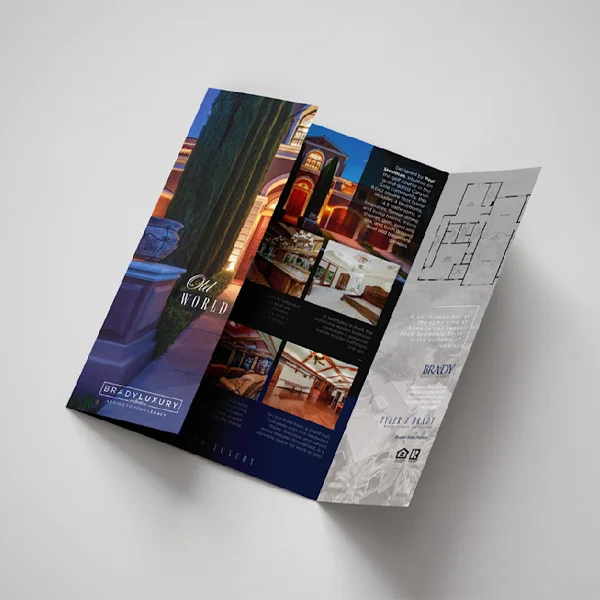
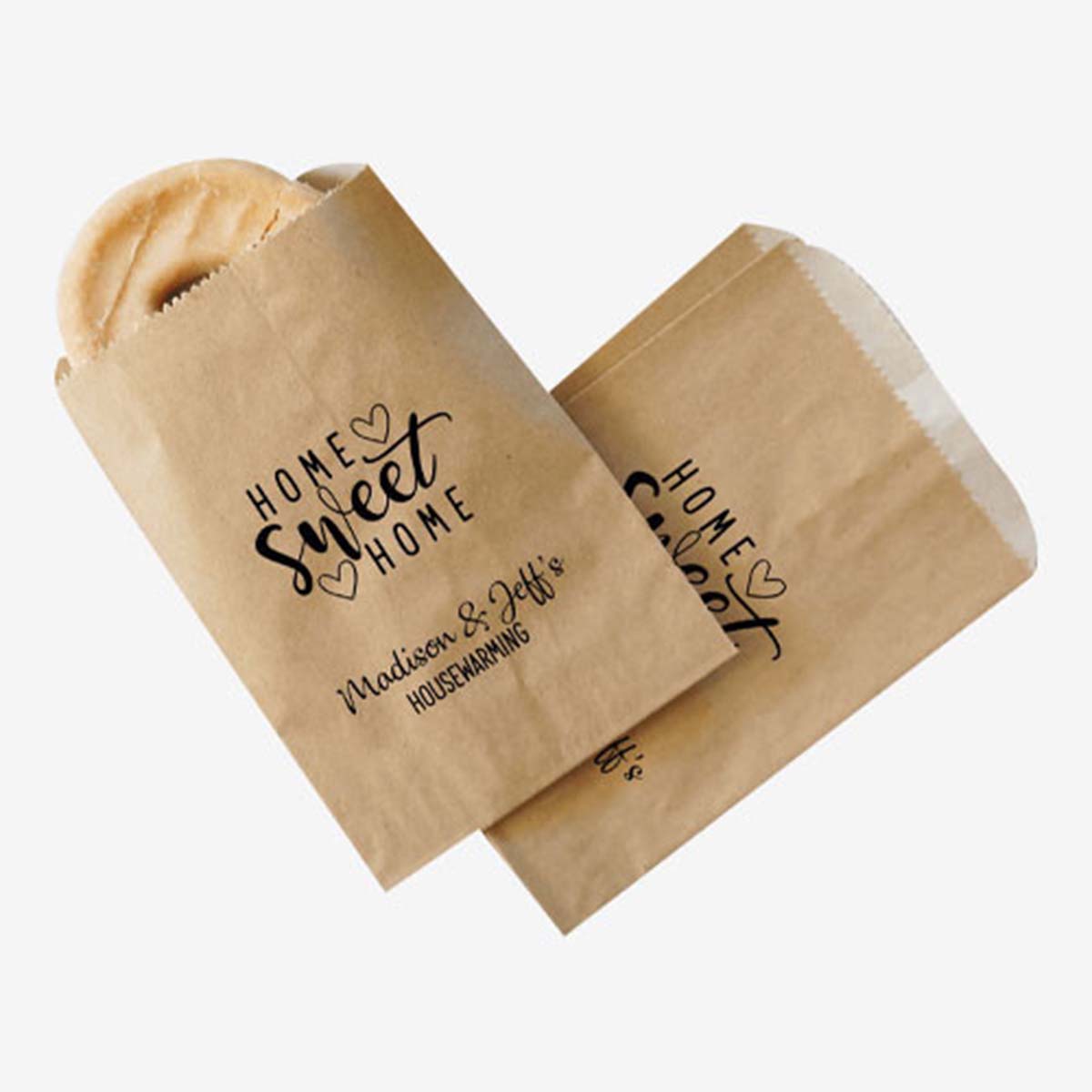

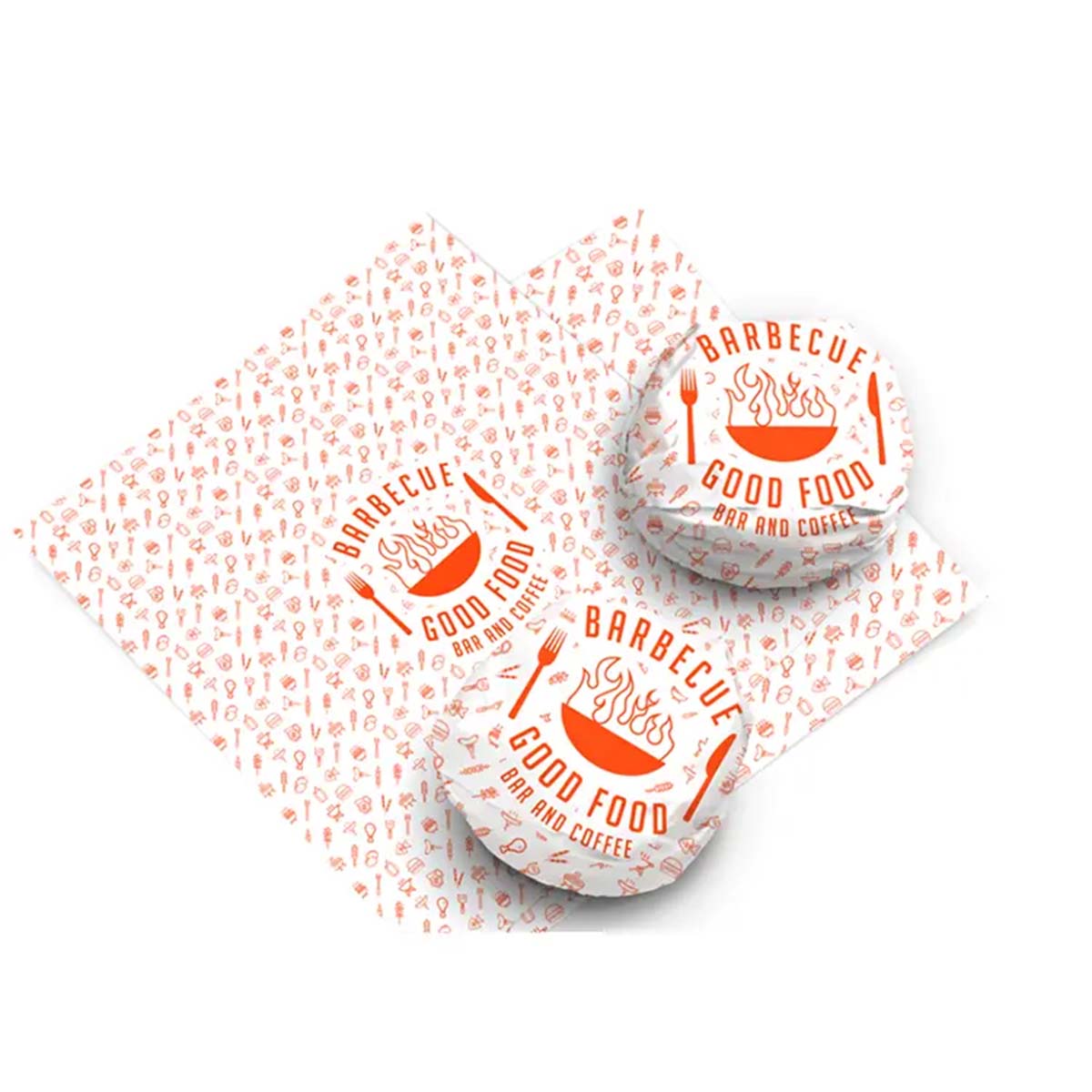
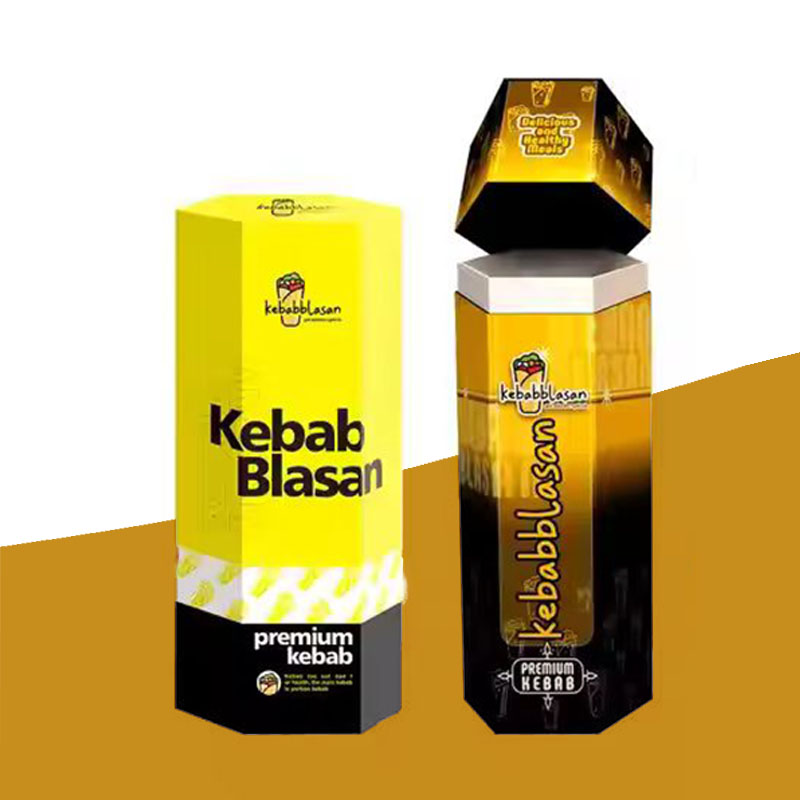
Start from what you sell
The catalog is organized by what a pack is made of. Most people arrive knowing their trade instead — so start there.
From 100 units
Below that you would be paying mostly for tooling and press set-up, so we say so rather than take the order.
Your dimensions, not ours
Every job is cut from a die built to your product. There is no warehouse of finished boxes here to sell you instead.
A dieline with every quote
You get the flat drawing before you commit to anything, and it is yours whether or not you order.
Four markets, one brief
We quote and ship into the United States, United Kingdom, Canada and Australia, priced in the currency of the delivery country.
We will tell you if it is wrong
If the spec will not survive what you are packing, you hear it before you order rather than after the first delivery.
Where most orders land
The styles people ask for most often, each with a page that says how it is built and where it fails.
Air Filter Boxes
Automotive Packaging
Cardboard Boxes
Corrugated Boxes
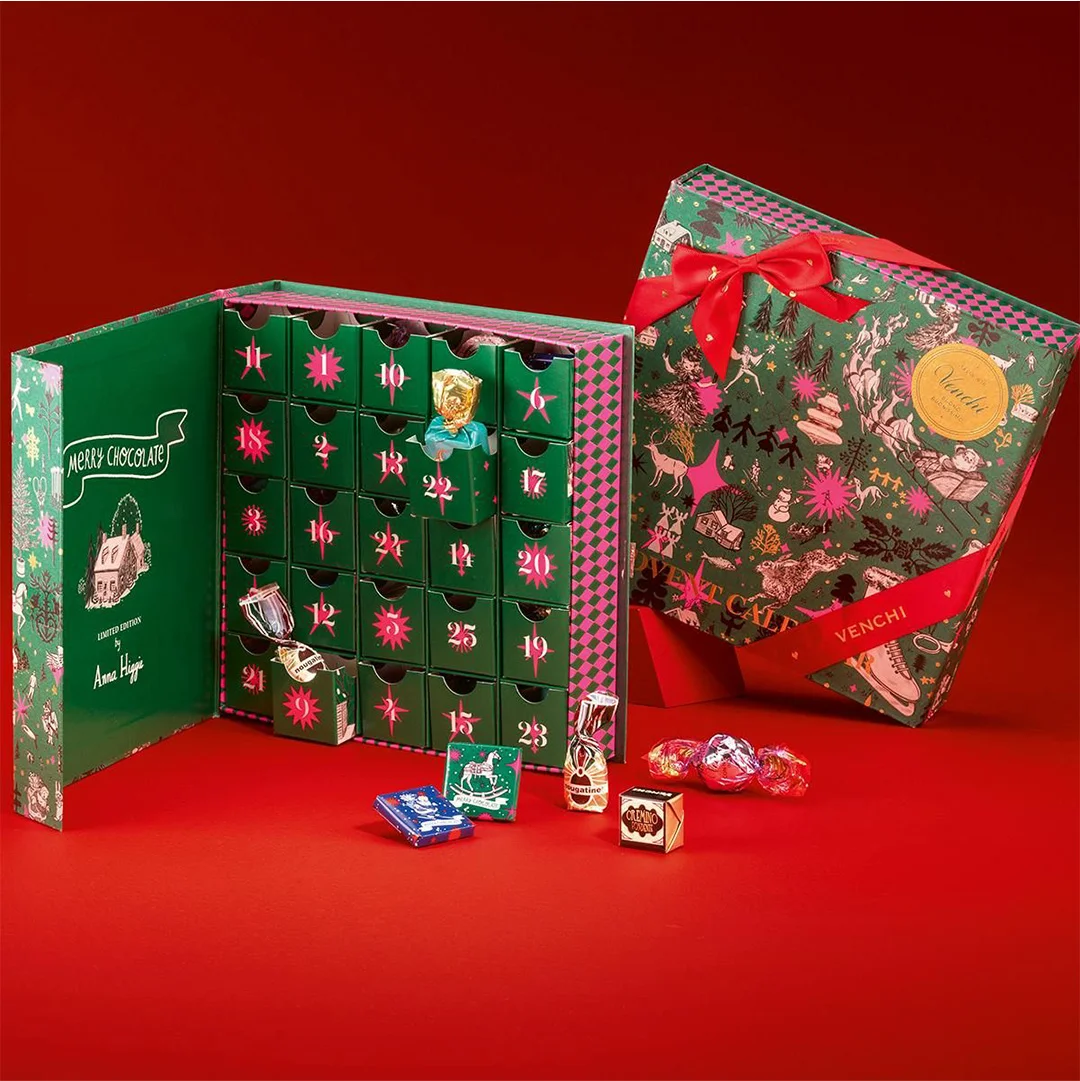
Advent Calendar Boxes
Stationery
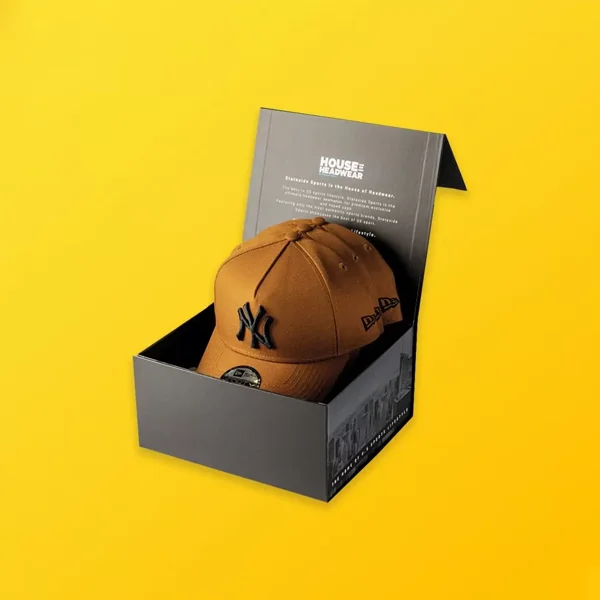
Baseball Cap Boxes
Apparel Boxes
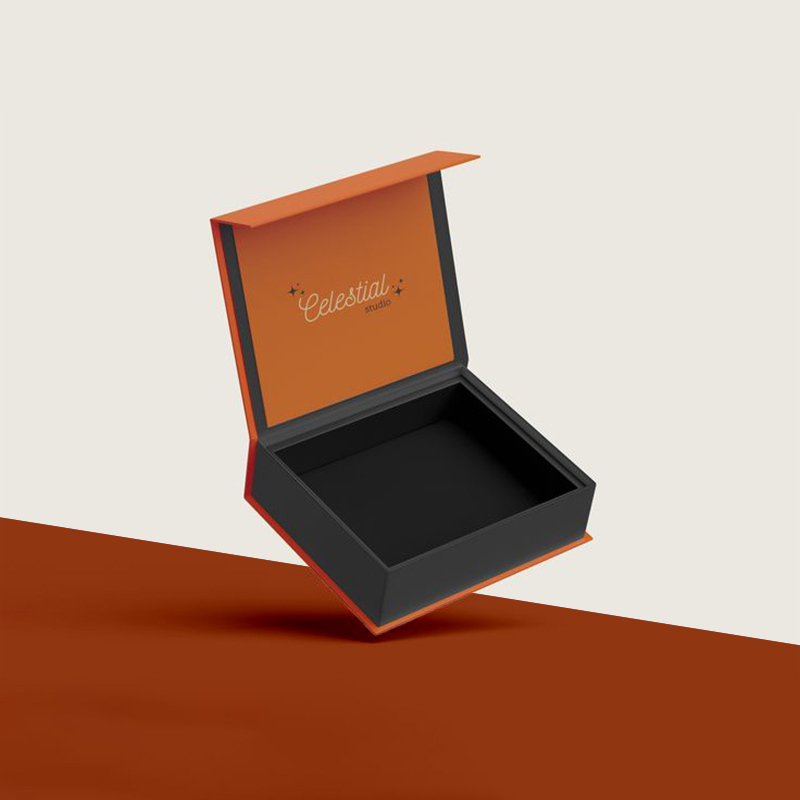
Booklet Rigid Boxes
Rigid Boxes
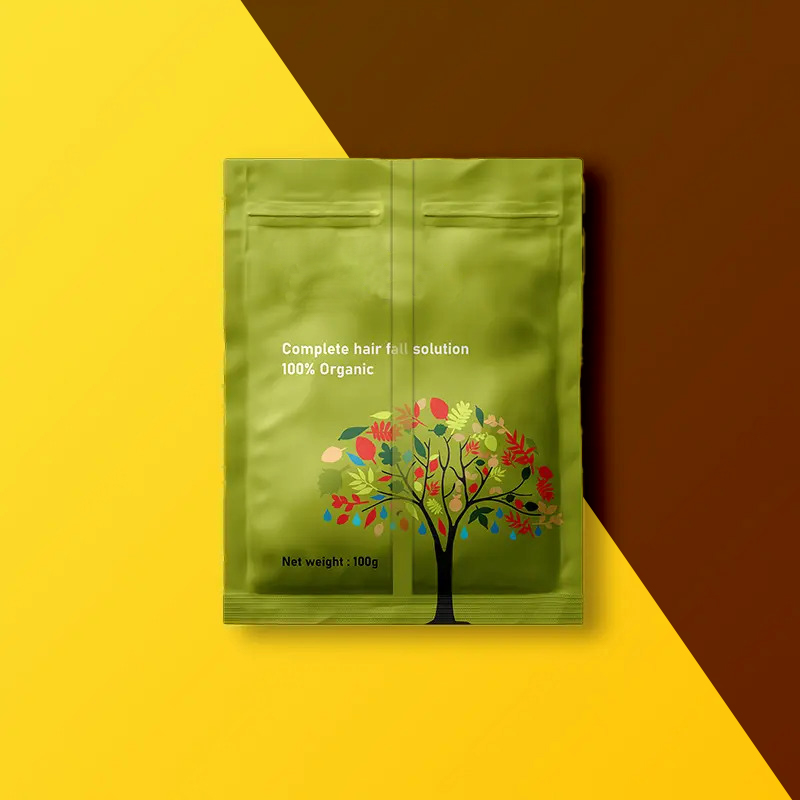
Dual Compartment Custom Mylar Bags
Mylar Bags
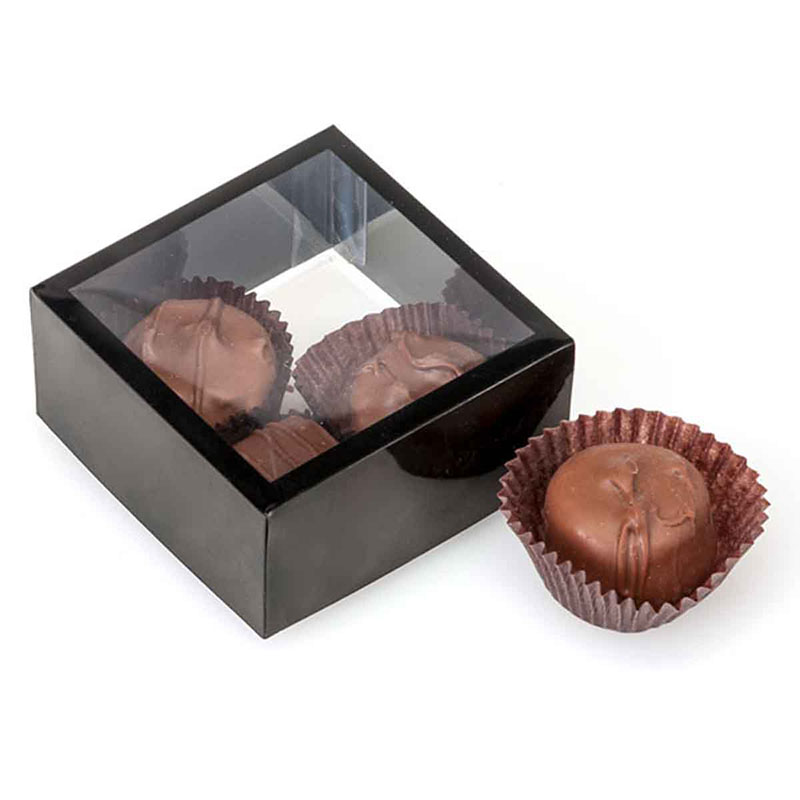
Candy Box with Dividers
Candy Boxes
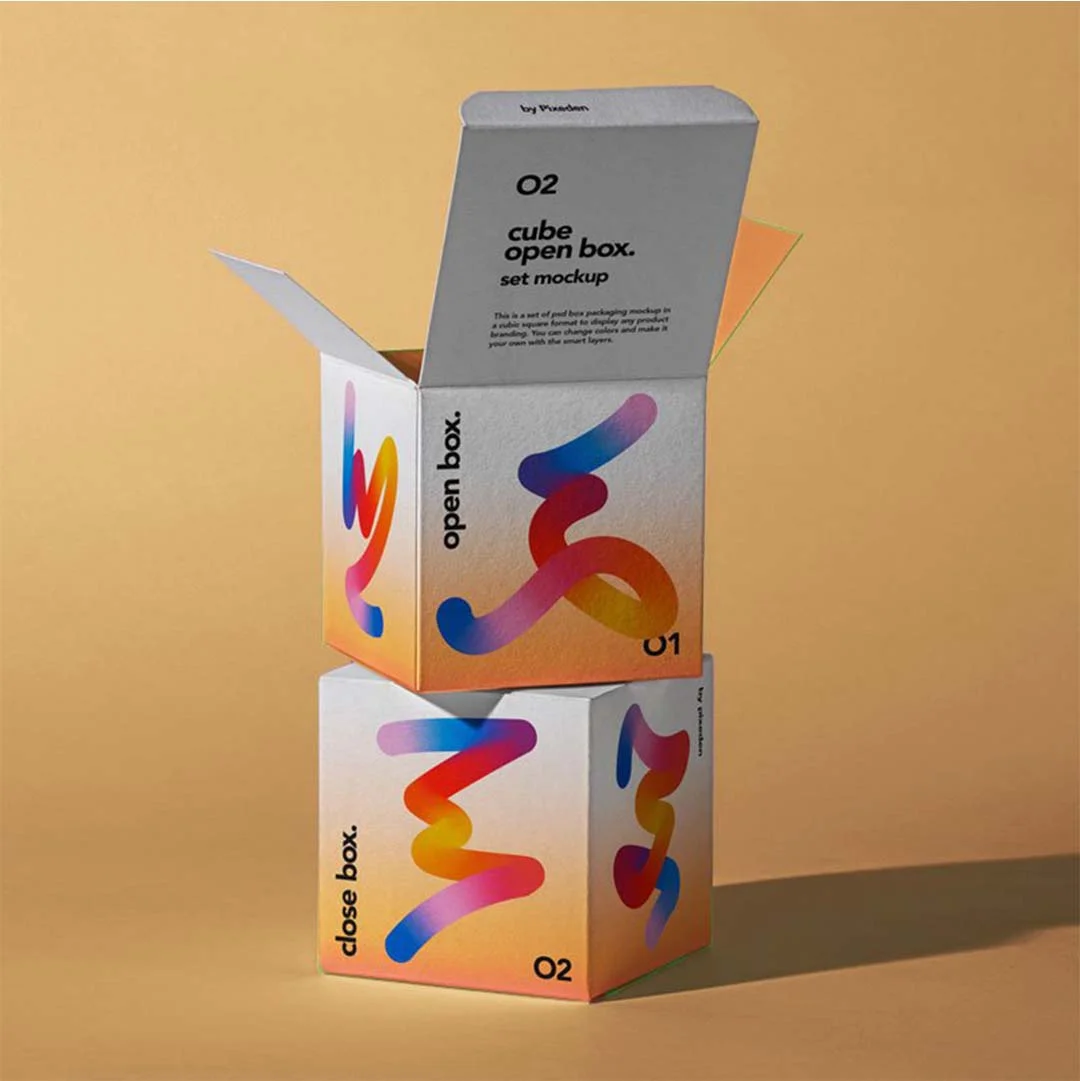
Cube Boxes
Folding Boxes

Engagement Invitation Cards
Greeting Cards
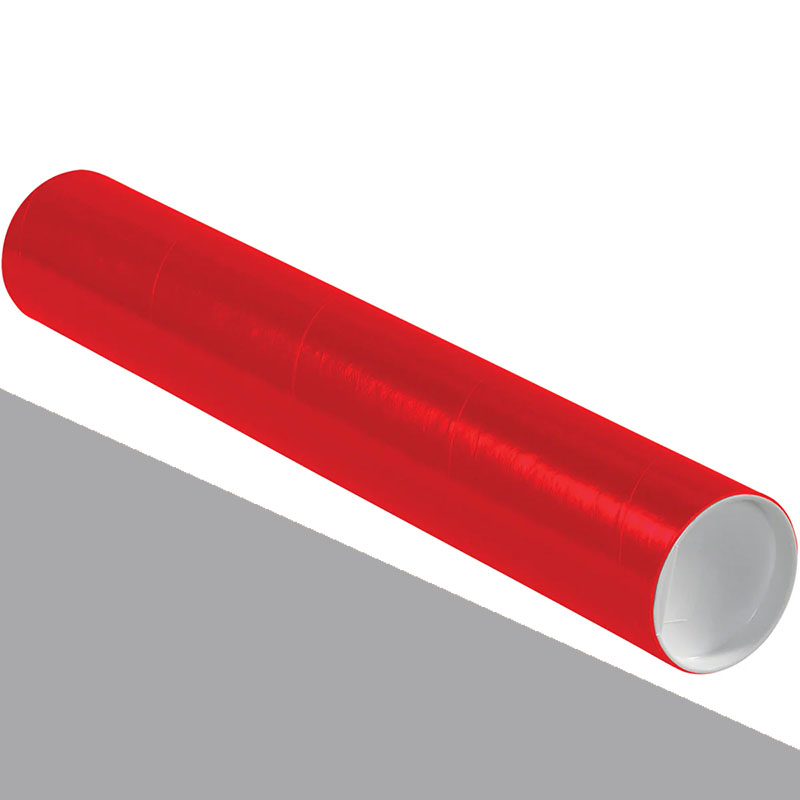
3x36 Mailing Tubes
Paper Tubes
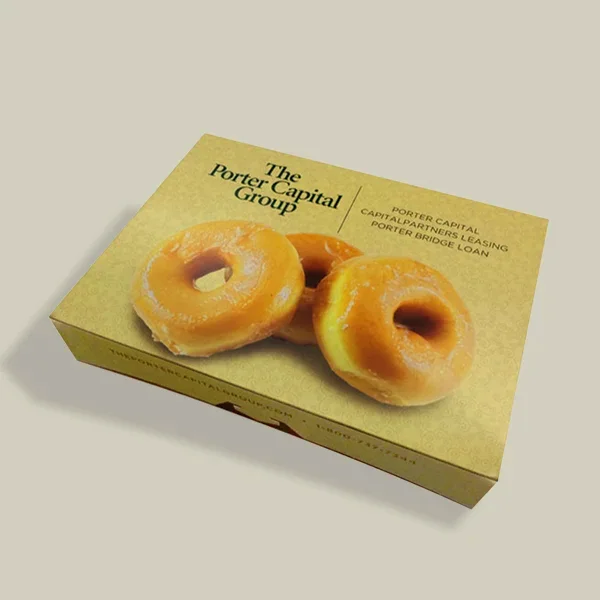
Bagel Boxes
Bakery Boxes
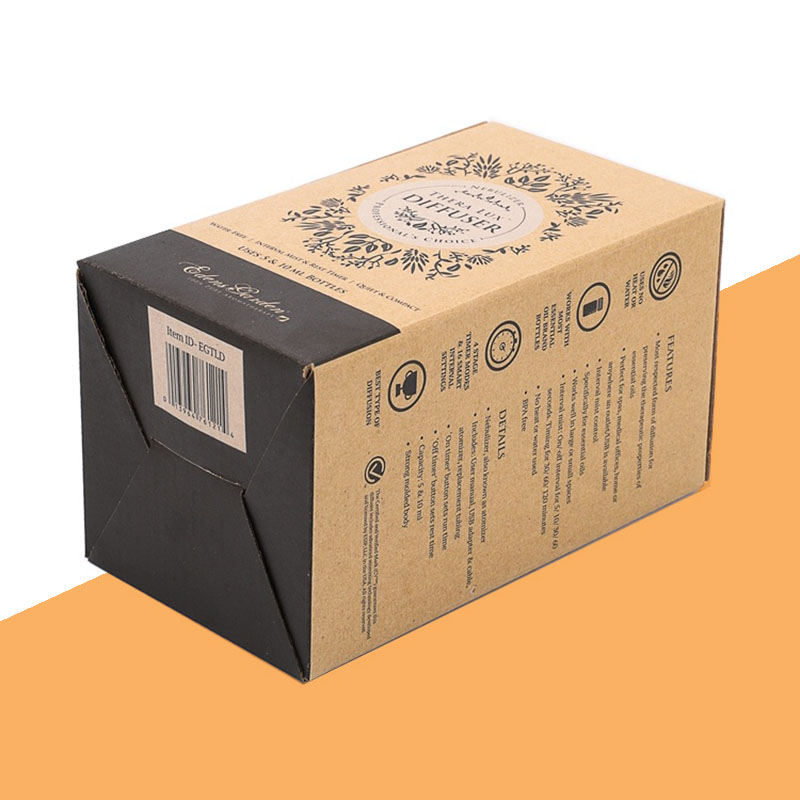
Auto Lock Boxes
Tuck Boxes
How a job actually runs
Four steps, and the first one is a conversation about size rather than a price list.
- 1
Send what you have
A dimension, a photograph beside a ruler, or the product itself. No technical drawing needed — that part is ours.
- 2
We quote and draw
A price, a dieline and a date come back together. If a different build would suit the product better, that is in the reply too.
- 3
Artwork on the dieline
You place your design on the flat we sent, or we place it for you. Nothing goes to press until you have seen the proof.
- 4
Cut, printed, shipped
The die is cut once and kept, so every reorder skips straight to press at a lower unit price.
Why the price is never on the page
Every quote starts with a question about size.
A box has no price until it has a size. The same style in 12pt board at 250 units and in 18pt board at 5,000 units are different jobs with different presses behind them, and any number printed here would be wrong for almost everyone reading it.
So we quote. Send a dimension, a quantity and a rough idea of the finish, and the reply comes back the same working day with a price, a dieline and a date. If the spec is wrong for what you are packing, we will say so before you order rather than after.
Which construction your product wants
Four families cover almost everything, and the choice sets your cost base before any print decision does.
| Build | What it is | Right for | Ships |
|---|---|---|---|
| Folding carton | One printed sheet, creased and glued at a side seam | Retail shelf, cosmetics, food, anything with regulated text | Flat, sets up by hand |
| Corrugated | Fluted board graded by edge crush for the load | Shipping, ecommerce mailers, anything a courier touches | Flat, folds or locks |
| Rigid box | Chipboard wrapped in printed paper, by hand | Gifting, electronics, launches — where weight is the point | Assembled, or collapsible |
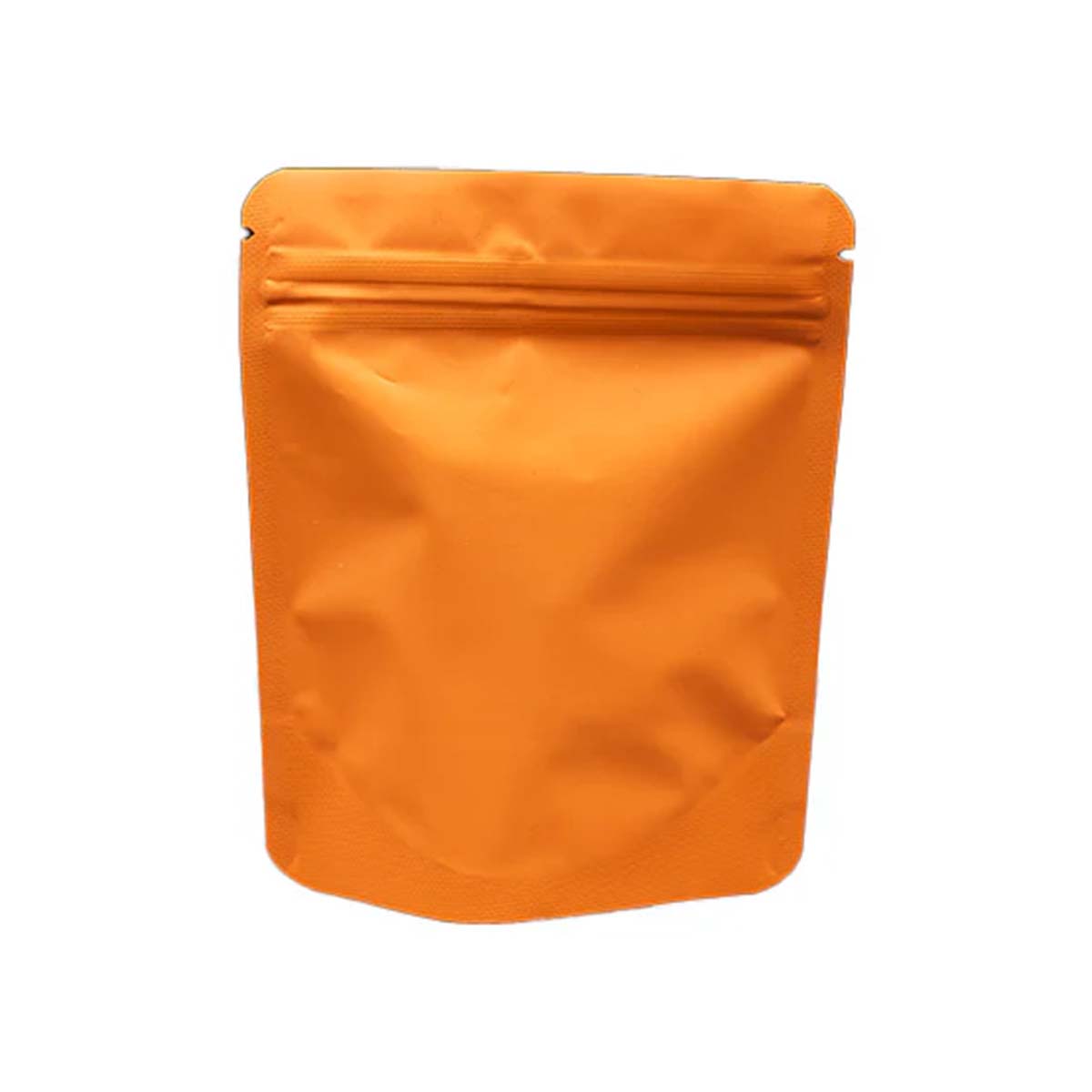
| Pouch and film | Laminate whose barrier is a metal layer you cannot see | Coffee, supplements, snacks, anything with a shelf life | Flat, at a fraction of the volume |
We quote in your currency and ship delivered
Everything is made to order, so where you are changes the freight, the paperwork and sometimes the material rules — not the specification. Each market has a page covering what actually differs there.
Interactive · five steps · no sign-up
Build your packaging in 3D
Pick a shape, type a size, choose a board and a finish. The preview on the left redraws as you go, and the spec lands with us exactly as you set it.
What a finish is actually buying you
The cheapest upgrades are usually the tactile ones. These are available on every range.
Matte lamination
Soft, non-reflective, and it resists the scuffs a box collects in transit. The safe default for anything posted.
Soft-touch
A velvety film that changes how the box feels before anyone looks at it. Punches well above its cost on a small carton.
Foil stamping
Metallic leaf pressed with a heated die. A small block on a logo is inexpensive; a full panel is not.
Blind emboss
An impression with no ink at all. On uncoated and kraft board it is the finish that reads most expensive.
Spot UV
Gloss varnish on chosen areas over a matte laminate, where the contrast is doing the work rather than the shine.
Window patching
Film over a die-cut opening so the product shows. Food-grade and anti-fog grades where the contents need them.
Before you brief anyone
Guide
Your box size is a shipping bill you pay every month
Why carriers charge for air, and where the thresholds sit.
Guide
How to measure a box so the die comes out right
Internal, external and why the wrong one costs you a whole run.
Guide
How to read a dieline without a design degree
Every line on the flat drawing, and what each one does when it folds.
Guide
What replaced PFAS in grease-resistant packaging
Grease resistance without the treatment, and what it can handle.
Before you send a brief
The four things people ask us first.
What does "made to order" actually mean here?
There is no warehouse of finished boxes. Every job is cut from a die built to your dimensions and printed with your artwork, which is why the price depends on size, board, print and run length rather than on a catalog number.
How small an order will you take?
100 units. Below that the die and press set-up dominate the cost and you would be paying mostly for tooling, so we say so rather than take the order.
Do you charge for the dieline?
No. The dieline comes with the quote, before you commit to anything, and it is yours whether or not you order.
Why is there no price on any page?
Because it would be wrong for almost everyone reading it. A 6 x 4 x 2 in mailer in E-flute and the same box in double wall with a soft-touch laminate are different products at different prices. Send a size and you get a real number, usually the same working day.
How long does an order take?
It depends on the board, the finish and the quantity, so we give a date with the quote rather than a number before we have seen the spec. Artwork and proof approval are what usually decide whether that date holds.
What do you need from me to quote?
What goes in the box and roughly how many. Dimensions if you have them, or send the product and we will measure it. Artwork can come later — we send the dieline first and you design onto it.
Can I see a sample before committing?
Yes. An unprinted sample in your size so you can pack the actual product, and a printed prototype where the color or the finish is what you need to judge.
Which materials do you print on?
Folding boxboard and kraft for cartons, corrugated from E-flute to double wall for shipping, wrapped chipboard for rigid boxes, foil and metallized laminates for pouches, and food-grade board with a non-fluorinated grease barrier for anything edible.
Are your food boards PFAS-free?
Yes, as standard. Grease resistance comes from refined fiber or a non-fluorinated coating, which satisfies every US state restriction currently in force.
Can you match my brand color exactly?
Closely with a litho spot color, approximately on digital. We will tell you which before you commit rather than after the run — browns, deep reds and corporate blues are the ones that need a spot ink.
Do you ship outside the United States?
Yes — United States, United Kingdom, Canada, Australia. Freight is quoted delivered and inside the price, and each market has its own page covering lead times and local considerations.
Is a reorder cheaper than the first run?
Usually, because the die already exists and the artwork is on file. We keep both, so a repeat is a shorter conversation and a lower number.