Custom Toy Boxes
Toy packaging has the shortest useful life of anything we make. It has to survive a supply chain, sell hard on a crowded shelf, satisfy a regulator, and then be torn open by someone with no patience — usually while a parent looks for scissors.
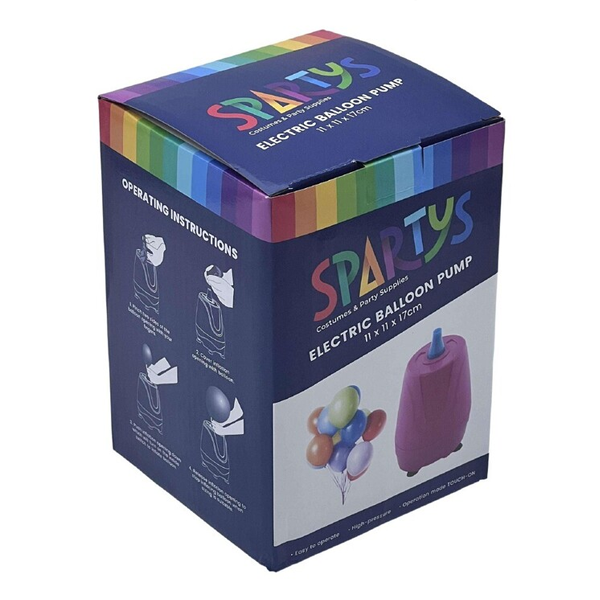
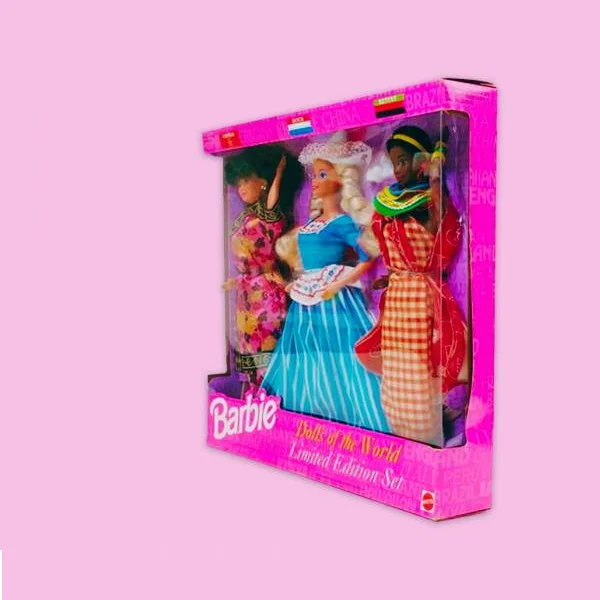
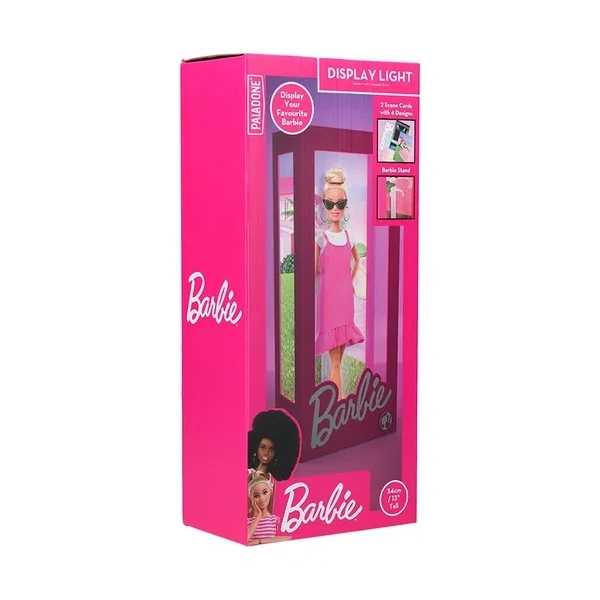
Get a price for Toy Boxes
Send the size and quantity — we reply the same working day with a price, a dieline and a date. Artwork optional at this stage.
- 4styles in this range, each with its own page and price
- 100unit minimum on every style, printed or plain
- 4markets quoted in the delivery currency
- ±1mmcutting tolerance on folding board, checked on a sample
4 styles in this range
Styles we make in this range
Every one below is written up, priced and dielined. Tap a style to see how it is built.
Side by side
Which toy boxes style fits
| Style | Board | Build | Minimum | |
|---|---|---|---|---|
| Action Figure Boxes | 18–24pt folding; heavier on collector builds | Window boxes, open-front boxes, blister backing cards, collector two-piece | 100 boxes | Open → |
| Barbie Doll Boxes | 20–24pt laminated boxboard; E flute for playsets; toy-safe | Tall window carton with backer; hang tab or base; crash-lock | 100 boxes | Open → |
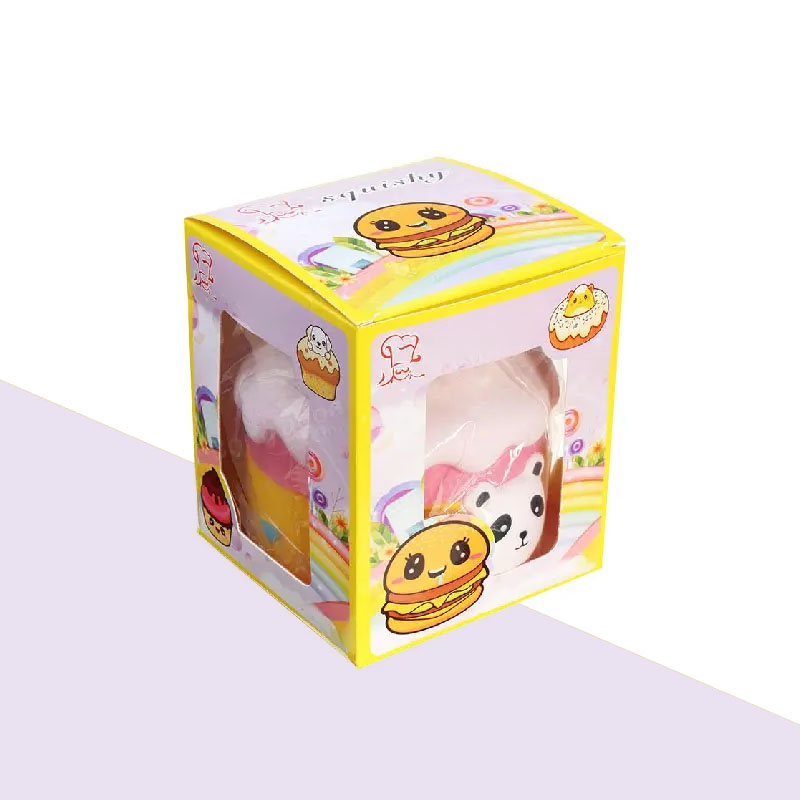
| Squishy Boxes | 20–24pt boxboard; reinforced window edge on large windows; toy-safe | Open-window carton, blind box, counter display, multipack | 100 boxes | Open → |
| Toys Boxes | 20–24pt laminated boxboard; E flute white-lined; toy-safe | Window carton with insert, open-front box, lidded playset box, two-piece, tuck with window | 100 boxes | Open → |
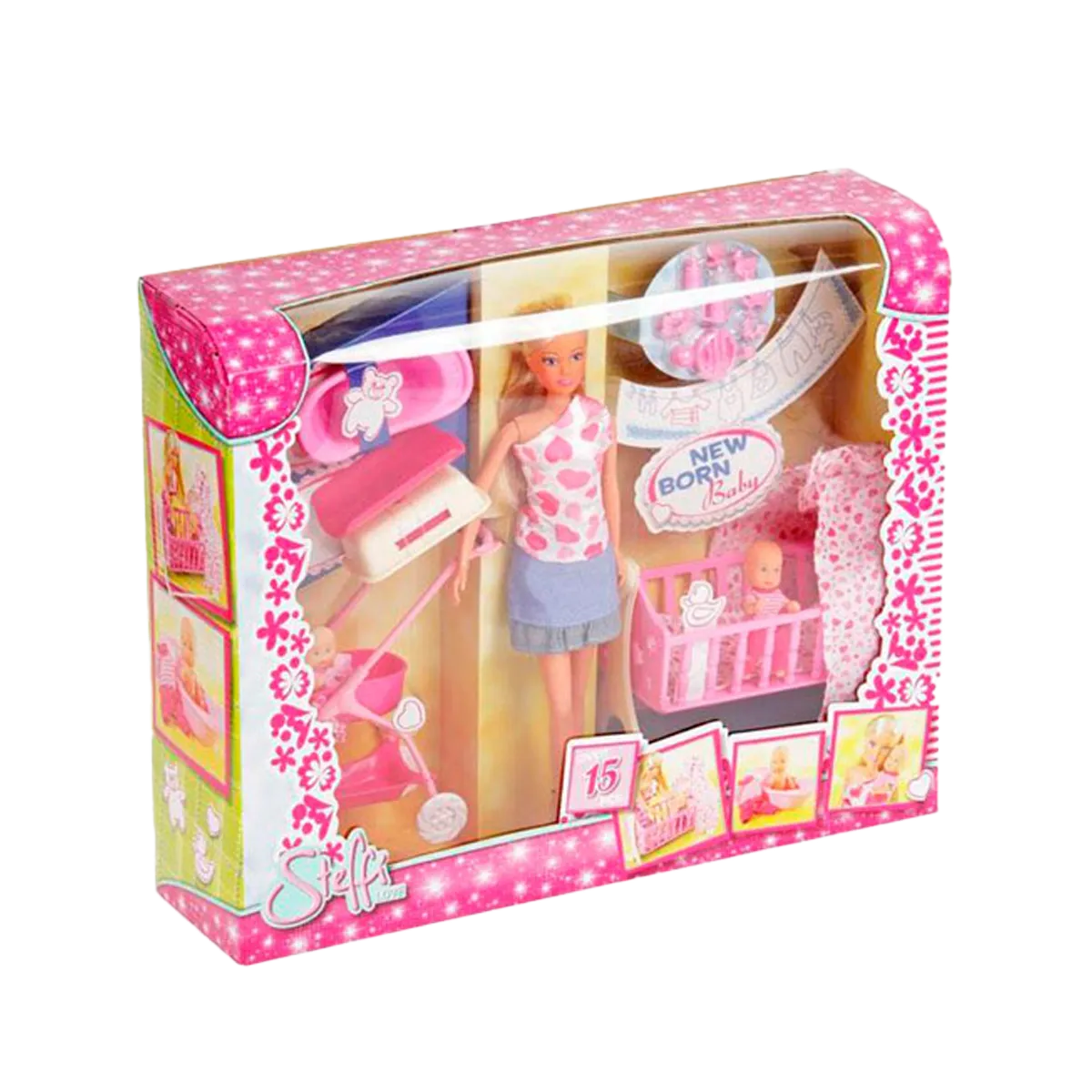
The child has to see the toy
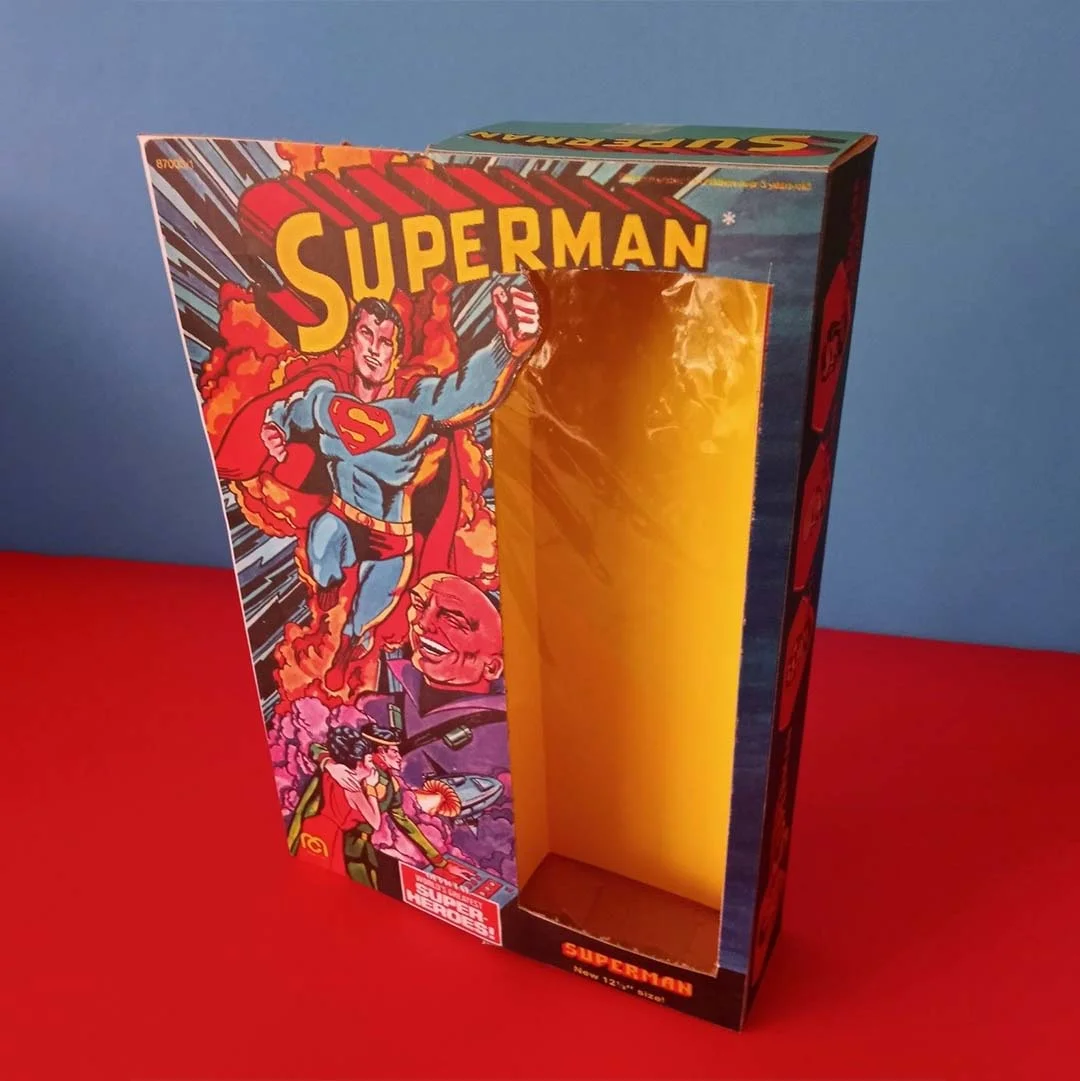
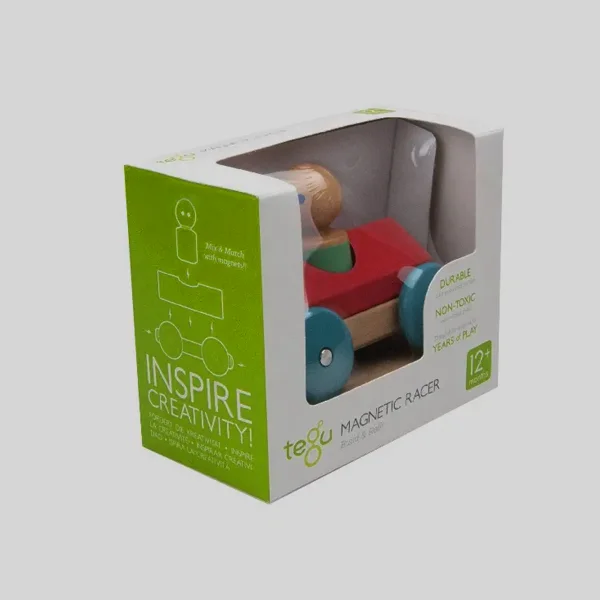
Almost every toy sells on sight. A window, a blister or an open-fronted box lets the buyer — usually a child at eye level with the shelf — see exactly what they are getting, and no printed photograph competes with the real thing.
That is why the window in this category is not a nice-to-have. The design question is how much box you can remove before the toy stops being protected.
Set the window at child eye height on the shelf, which is lower than adult eye height. It changes where on the face the window should sit.
Safety marking takes real space
Reserve that area on the dieline before the artwork begins. It usually takes a back or side panel between the items, and discovering it late is a full reprint.
- Age grading, which is often the first thing a parent looks for.
- Small parts and choking warnings where they apply, at a specified minimum size.
- Conformity marks for each market you sell into, which differ between them.
- Manufacturer or importer address, and a batch or model identifier.
Holding a figure so it looks posed, not packed
Wire and plastic ties are the reason "unboxing rage" has a name. Card tabs and pulp cradles hold a figure just as well and can be opened by hand, which parents notice.
| Die-cut card tray | Cheapest, recyclable, right for flat or simple shapes |
|---|---|
| Card ties or bands | Hold limbs in position; slow to unpack and increasingly disliked |
| Molded pulp | Holds odd shapes, single material, needs volume for the tool |
| Vacuum-formed tray | Best fit and presentation; the hardest to justify on plastic grounds |
It gets opened badly, so design the tear
This box will be opened by someone excited and impatient, often without tools. A tear strip or a perforated flap turns that into a controlled action and stops the toy being pulled through a hole in the side.
It also protects the box for anyone who wants to keep it, which for collectible lines is a real part of the value — the same argument that governs our game and hobby packaging.
Shelf presence against shipping cost
Toy packaging is traditionally much larger than the toy, because shelf space is bought by the facing and a big box looks like a big present. That costs real money in freight, and it is increasingly criticised by the people buying it.
The middle position most brands land on is a box sized honestly to the contents with a strong printed face — spending the budget on print and finish rather than on air.
Across the range
What every toy boxes job runs on
Boards
- Natural kraft
- White SBS
- E and B flute
- Wrapped grayboard
- Food-grade board
- Recycled content
Chosen from what goes in the box and how far it travels. Our notes on recyclable and compostable stocks say which claims each board can carry.
Finishes
- Matte
- Gloss
- Soft-touch
- Foil
- Emboss
- Spot UV
- Kraft
- Textured
Each one is a decision about light on a shelf — the specialty finishes range shows them on real boxes.
Artwork
- Vector PDF or AI, fonts outlined
- 3 mm bleed, 4 mm safe area
- CMYK; a spot color where a match must hold
- Proof on the dieline before press
Files not set up that way are fine — see the guide to preparing print files.
Interactive · five steps · no sign-up
Build your Toy Boxes in 3D
Pick a shape, type a size, choose a board and a finish. The preview on the left redraws as you go, and the spec lands with us exactly as you set it.
Frequently asked questions
Got a question about toy boxes? The answers below cover what we get asked most. If yours is not here, send it with a brief, message us on WhatsApp, or call +1 503-461-4788 — we reply the same working day.
Do I need a window?
In this category, almost always. Toys sell on sight, and no printed photograph competes with the actual toy.
Can I avoid plastic ties?
Yes. Card tabs and pulp cradles hold a figure just as well, open by hand, and recycle with the box.
Where do the safety warnings go?
A back or side panel, reserved on the dieline before the front is designed. Requirements differ per market.
Should the box be bigger than the toy?
It buys shelf presence and costs freight, and buyers increasingly dislike it. Most brands now size honestly.
What is the minimum order?
100 boxes, any build.
Where should the window sit?
At child eye height on the shelf, which is lower than adult eye height. It changes where on the face the window goes.
Do I need a window?
In this category, almost always. Toys sell on sight, and no printed photograph competes with seeing the actual toy.
Can I avoid plastic ties?
Yes. Card tabs and pulp cradles hold a figure just as well, open by hand, and recycle with the box.
Where do the safety warnings go?
A back or side panel, reserved on the dieline before the front is designed. Requirements differ per market.
Should the box be bigger than the toy?
It buys shelf presence and costs freight, and buyers increasingly dislike it. Most brands now size honestly and spend the difference on print.
Keep browsing