Custom Packaging Inserts
Almost every damage claim we hear about starts with a box that was strong enough. The product moved inside it. An insert is not padding — it is the component that decides where the product is allowed to be, and it does more for breakage rates than any board upgrade.
Get a price for Packaging Inserts
Send the size and quantity — we reply the same working day with a price, a dieline and a date. Artwork optional at this stage.
- 4styles in this range, each with its own page and price
- 100unit minimum on every style, printed or plain
- 4markets quoted in the delivery currency
- ±1mmcutting tolerance on folding board, checked on a sample
4 styles in this range
Styles we make in this range
Every one below is written up, priced and dielined. Tap a style to see how it is built.
 01See the build →
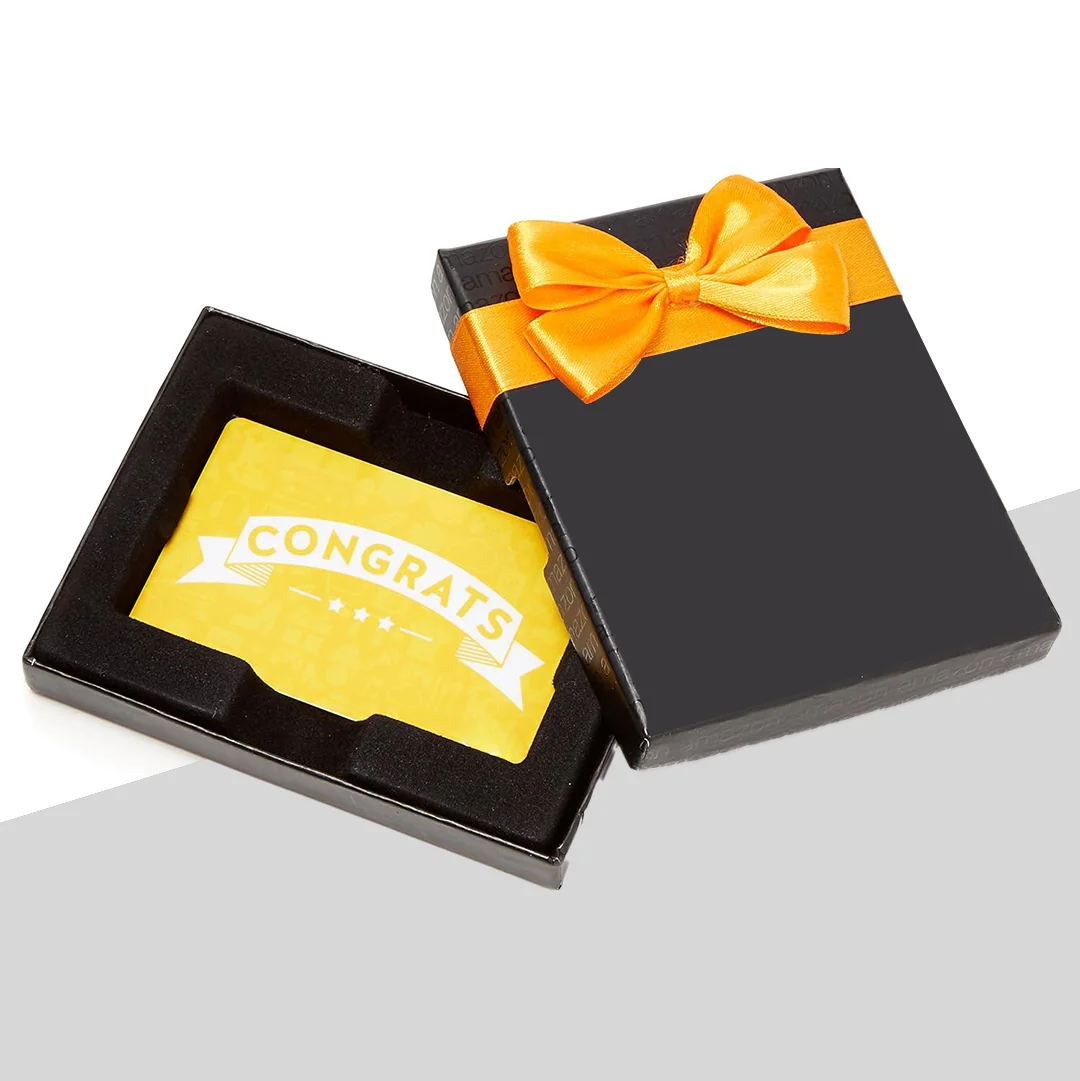
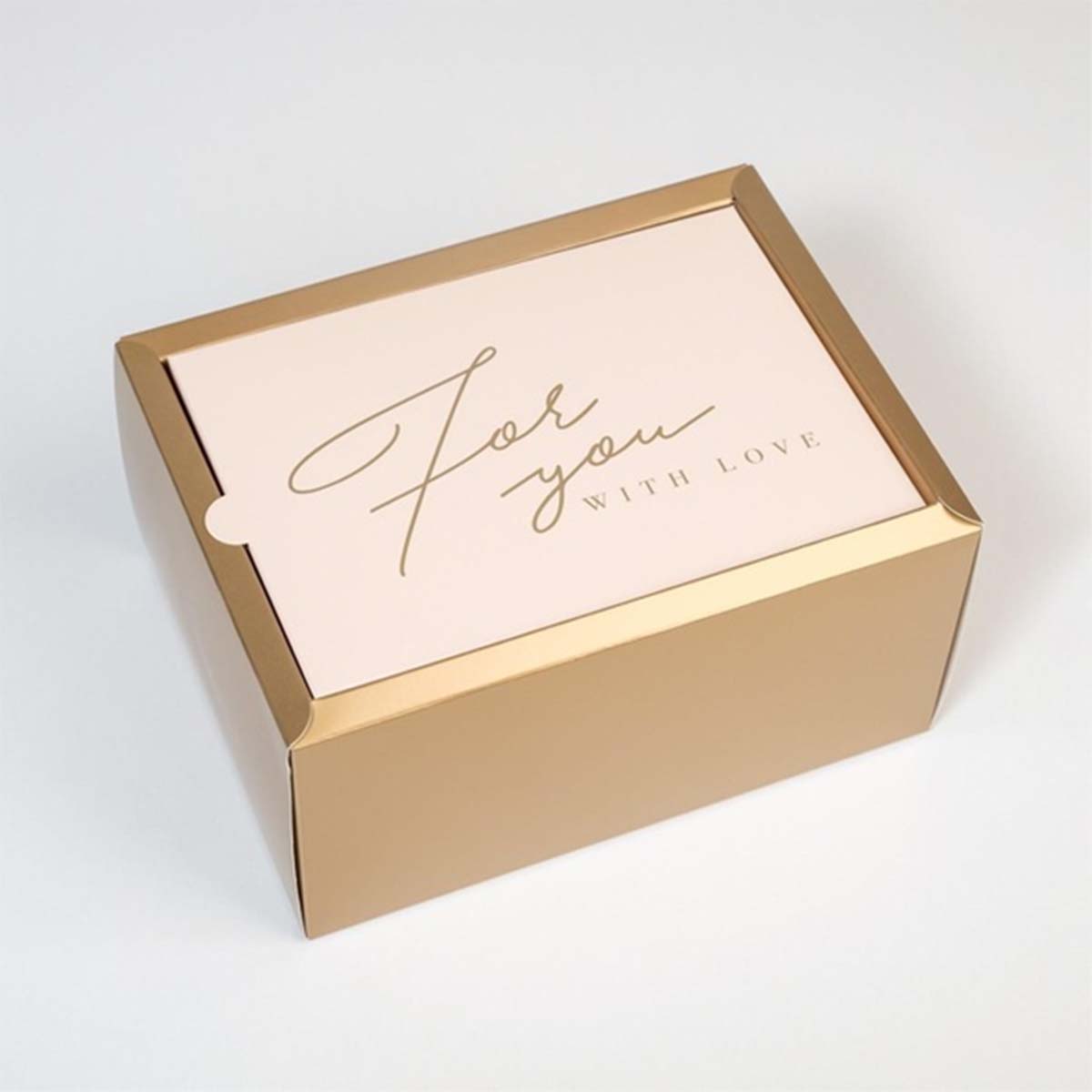
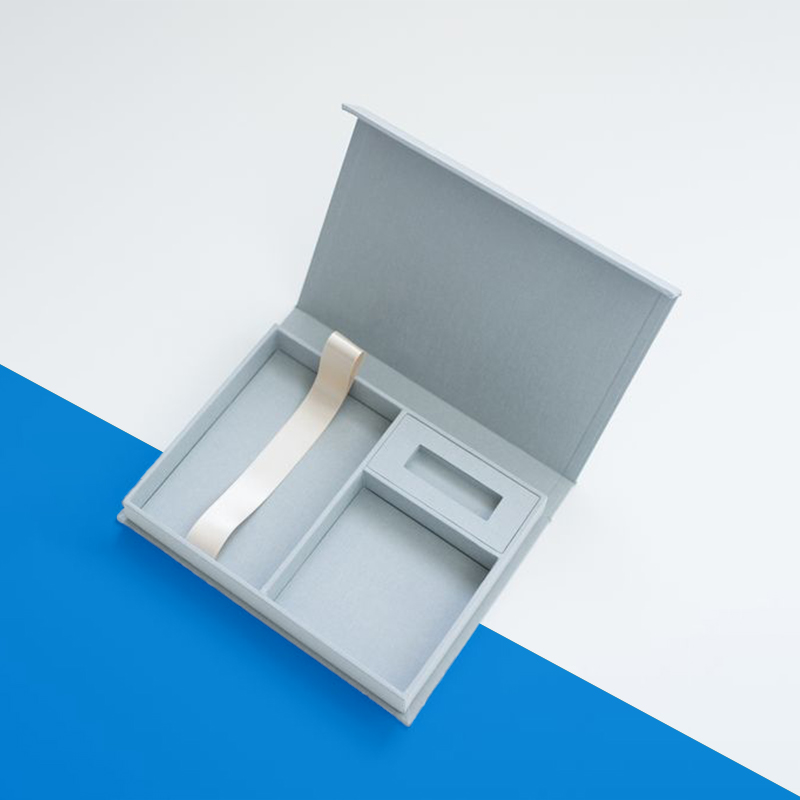
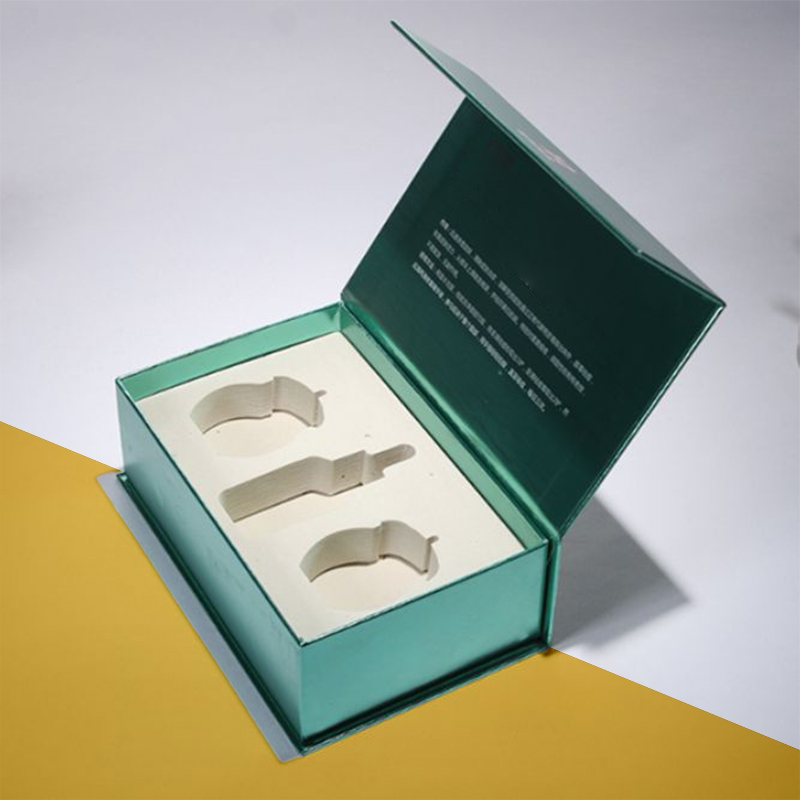
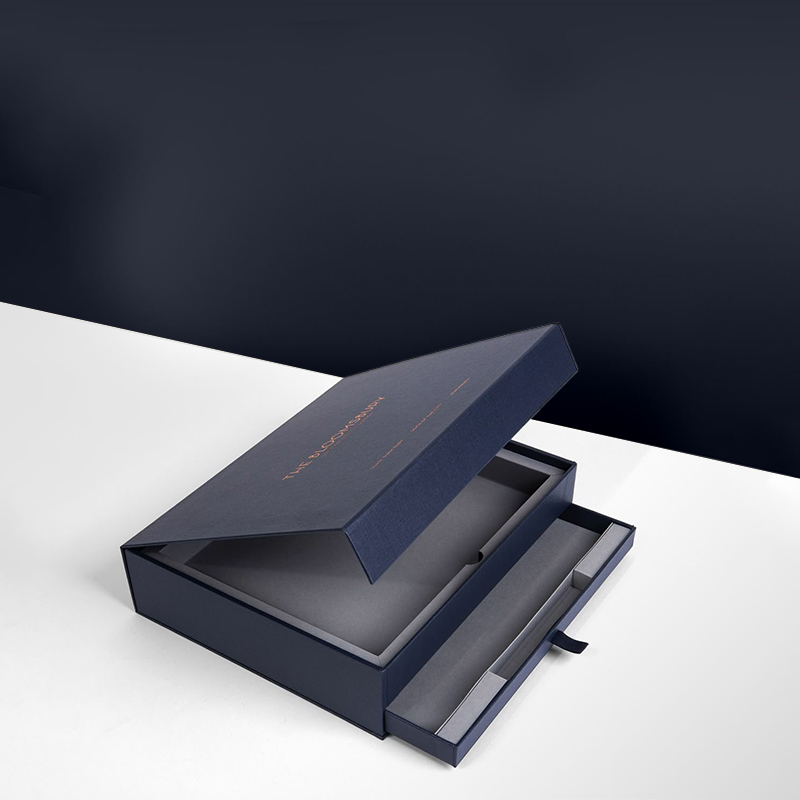
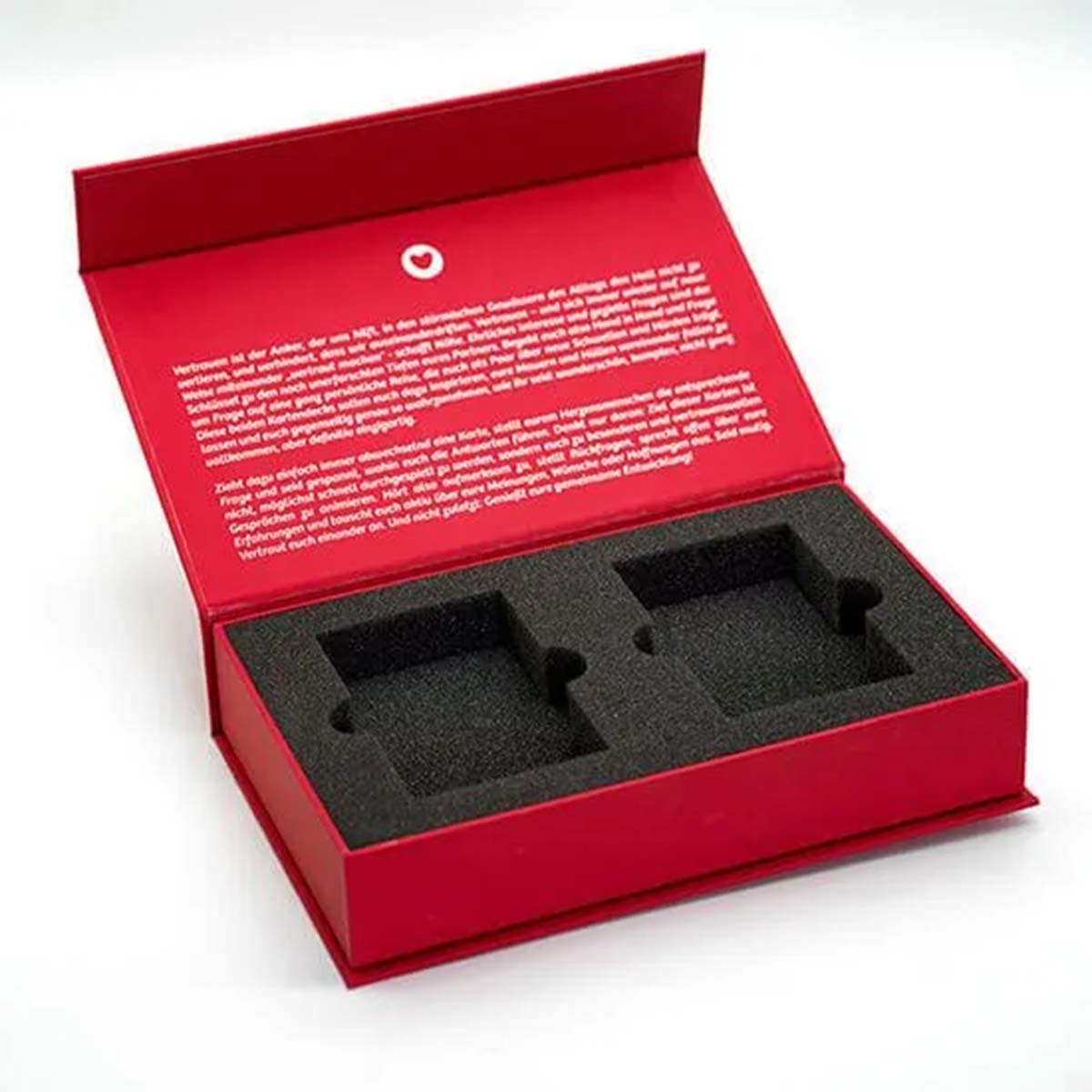
Booklet Box with Inserts
Custom booklet boxes with inserts
 02See the build →
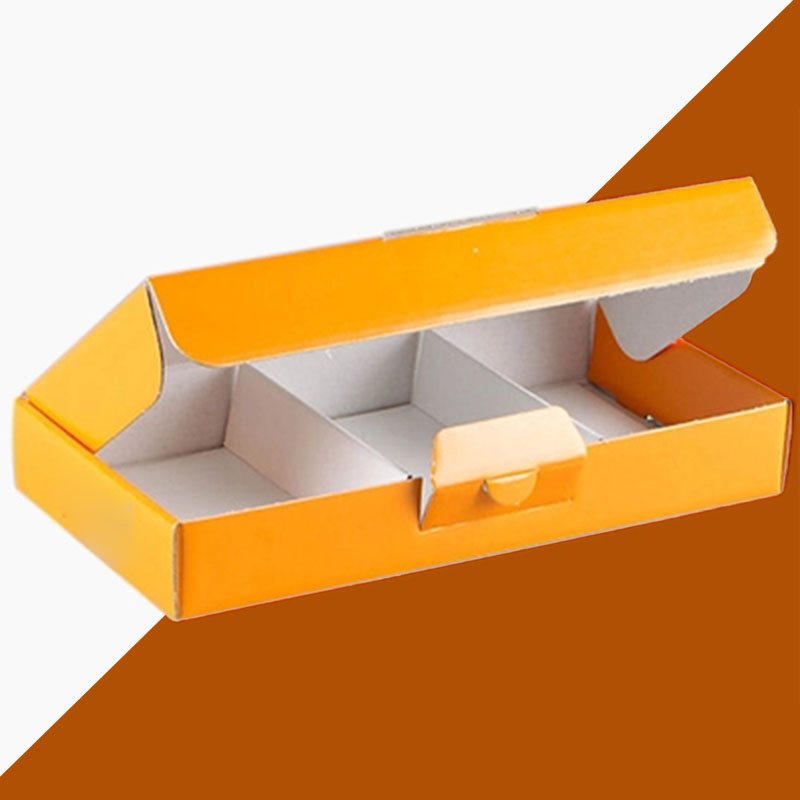
Box Partitions
A partition is the cheapest protective component in packaging and the one most often left out.
 03See the build →
Foam Inserts
Foam will hold a shape no other material can hold, absorb more shock per millimeter than anything else we…
 04See the build →
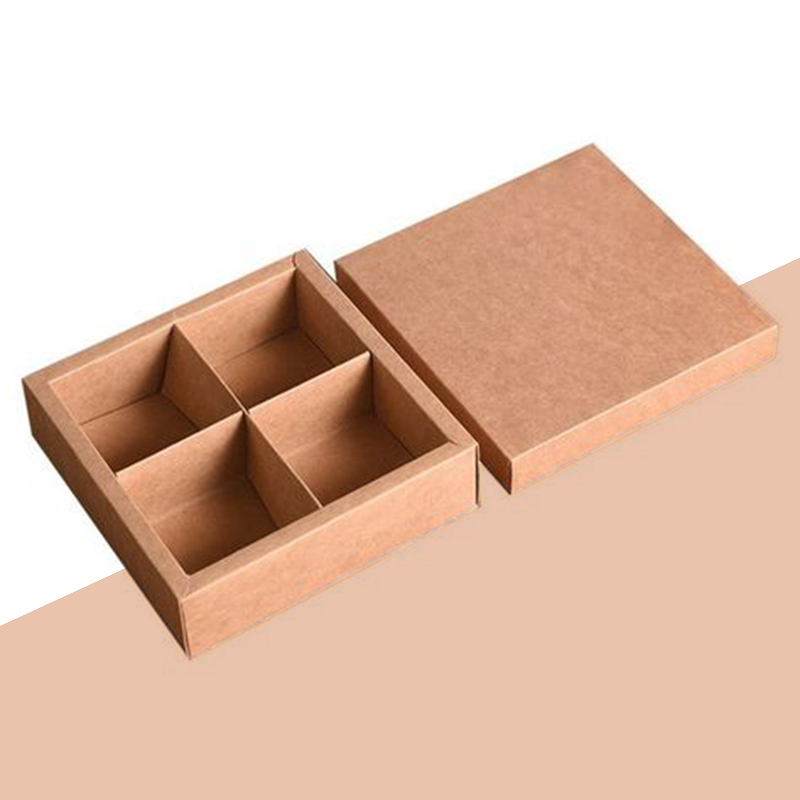
Kraft Box Dividers
Custom kraft box dividers
Side by side
Which packaging inserts style fits
| Style | Board | Build | Minimum | |
|---|---|---|---|---|
| Booklet Box with Inserts | Grayboard 2 mm cover; 1.5–2 mm tray | Hinged cover over tray; magnetic close; second lift-out tray option | 100 boxes | Open → |
| Box Partitions | Single wall B or E flute; solid board where the divider is seen | Slotted partitions, die-cut inserts, wrap-arounds, celled layer pads | 100 sets | Open → |
| Foam Inserts | Chosen per job | See the page | 100 inserts | Open → |
| Kraft Box Dividers | Kraft 300–600 gsm; 18–20pt kraft boxboard; E flute kraft; food-grade option | Slotted cross partition, die-cut cell insert, platform with cells, layer pad | 100 dividers | Open → |
Movement, not impact, is what breaks things
A product held still travels with the box, and the box absorbs the impact across its whole structure. A product free to move gains speed inside the box and stops abruptly against a wall, which concentrates the entire force into a small area of the product.
That is why an under-filled strong box performs worse than a well-filled weaker one, and why buying heavier board is so often the wrong response to a breakage problem.
The test is simple: shake the packed box gently. If you can hear or feel anything move, the insert is not doing its job.
The four materials, honestly compared
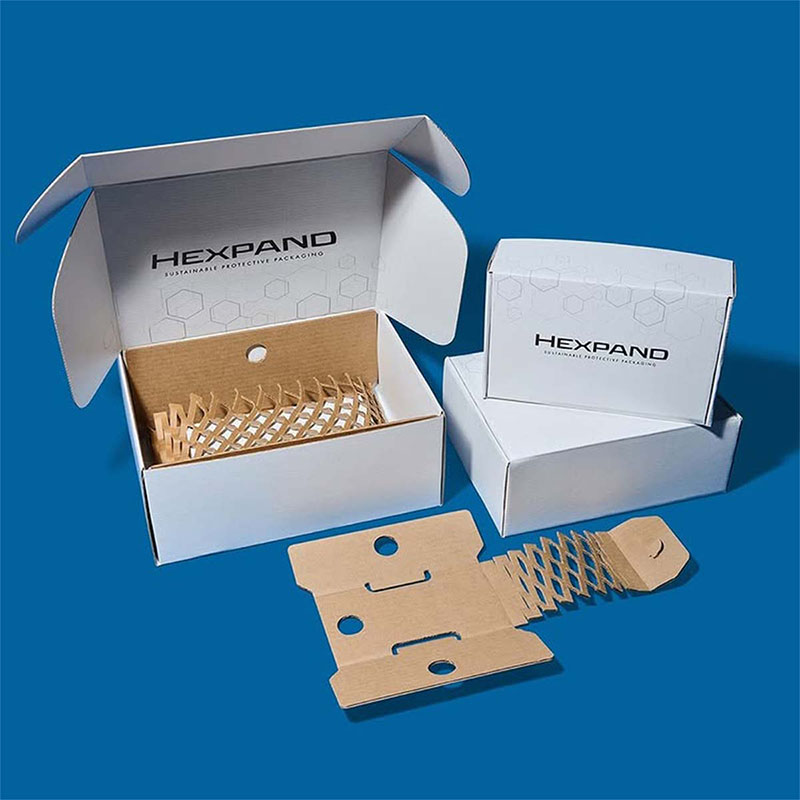
Card and layered platforms cover far more cases than people expect. Foam is often specified out of habit for products a die-cut cradle would hold perfectly well.
| Die-cut card | Cheapest, recyclable with the box, no tooling beyond a cutting die |
|---|---|
| Molded pulp | Excellent for curves and corners, single material, needs volume for the tool |
| Foam | Fits anything, absorbs the most shock, hardest to justify to buyers now |
| Layered card platform | Sheets stacked to lift and frame a product; no tooling at all |
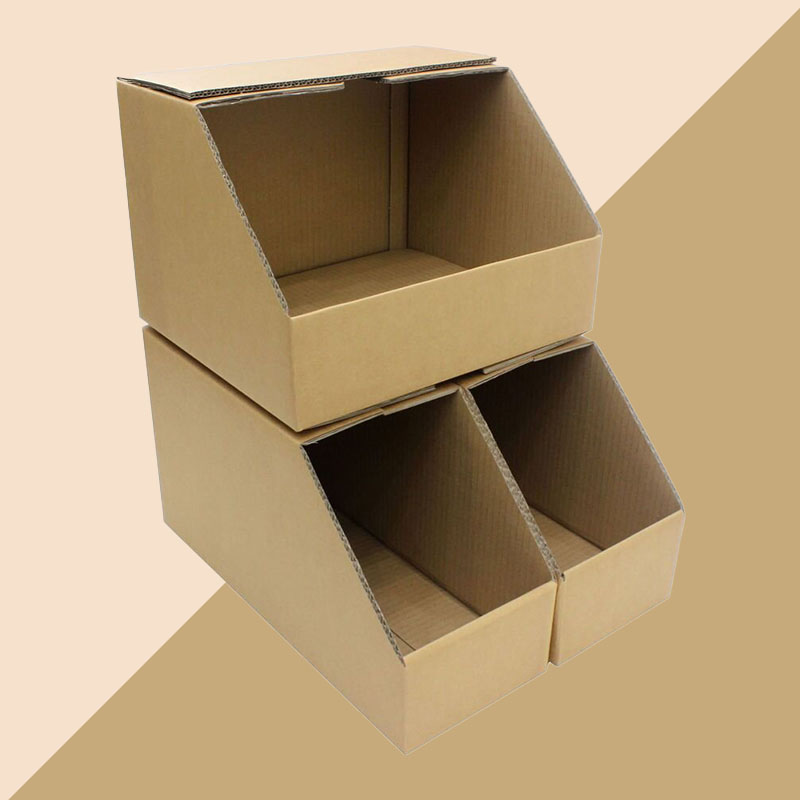
Hold the strong parts, leave the rest in air
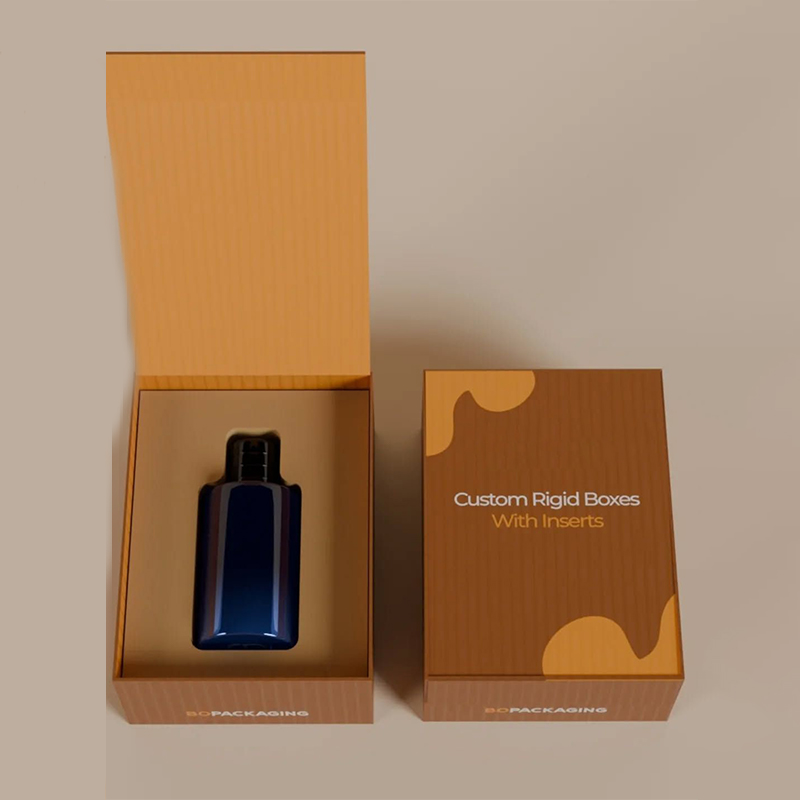
An insert that touches the product everywhere transmits every impact into it. One that touches only at the strongest points, and suspends the rest, is doing structural work.
- Support a bottle at its base and shoulder, never against the cap.
- Hold a laptop or a frame at the corners, never across a face.
- Cradle a jar under the rim, so the weight hangs rather than presses.
- Leave a clear gap between the product and every wall of the box.
Inserts as presentation, not only protection
The insert is the first thing seen when a box is opened, and it frames the product for that moment. A printed card tray costs a second pass and changes the whole impression; a bare gray pulp tray, for the same protection, does not.
Layered platforms are the underused option here — sheets of card stacked to raise the product into view, with no tooling cost at all. They produce the raised-item effect people associate with far more expensive packaging.
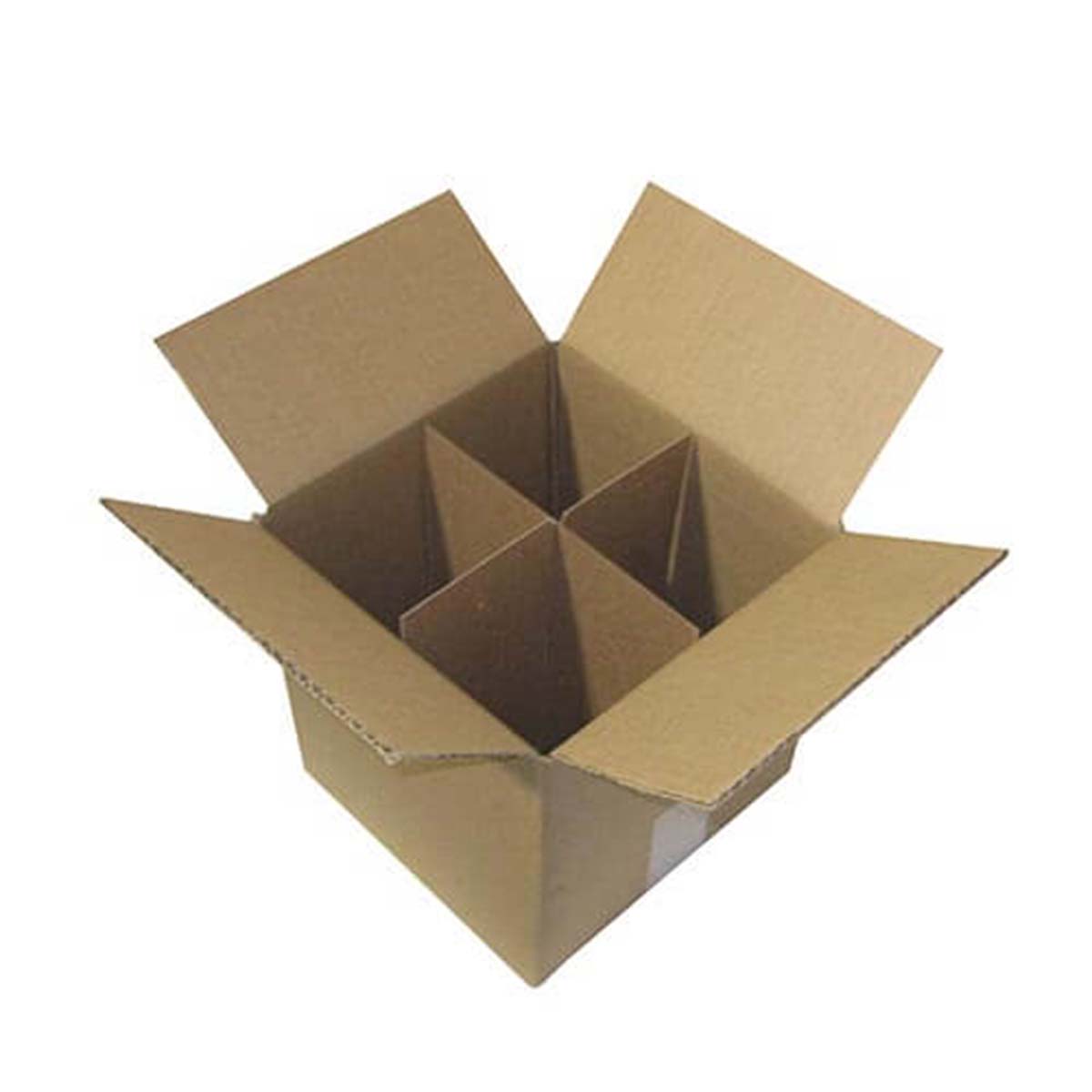
One box, several inserts
If you sell a range of similar products, keeping one outer box and changing only the insert is almost always cheaper than several box sizes. One tool, one board order, one stock line in the packing area.
It also means a new product does not need new packaging tooling — only a new cut in the insert. That flexibility is worth designing in from the first order, and it is the same principle behind range handling in our cosmetic carton guidance.
Across the range
What every packaging inserts job runs on
Boards
- Natural kraft
- White SBS
- E and B flute
- Wrapped grayboard
- Food-grade board
- Recycled content
Chosen from what goes in the box and how far it travels. Our notes on recyclable and compostable stocks say which claims each board can carry.
Finishes
- Matte
- Gloss
- Soft-touch
- Foil
- Emboss
- Spot UV
- Kraft
- Textured
Each one is a decision about light on a shelf — the specialty finishes range shows them on real boxes.
Artwork
- Vector PDF or AI, fonts outlined
- 3 mm bleed, 4 mm safe area
- CMYK; a spot color where a match must hold
- Proof on the dieline before press
Files not set up that way are fine — see the guide to preparing print files.
Interactive · five steps · no sign-up
Build your Packaging Inserts in 3D
Pick a shape, type a size, choose a board and a finish. The preview on the left redraws as you go, and the spec lands with us exactly as you set it.
Frequently asked questions
Got a question about packaging inserts? The answers below cover what we get asked most. If yours is not here, send it with a brief, message us on WhatsApp, or call +1 503-461-4788 — we reply the same working day.
My product breaks in transit — should I use heavier board?
Usually not. Movement inside the box causes far more damage than box strength prevents. Fix the insert first.
Do I have to use foam?
Rarely. Die-cut card and molded pulp cover most products, recycle with the box, and buyers prefer them.
Can inserts be printed?
Card and platform inserts can, on the same job. It changes the opening impression more than almost anything else you can spend on.
Can one box hold different products?
Yes, by changing only the insert. It is normally the cheapest way to run a range.
What is the minimum order?
100 inserts, any material.
Where should an insert touch the product?
Only at the strongest points — a bottle's base and shoulder, a frame's corners — with air around the rest.
My product breaks in transit — should I use heavier board?
Usually not. Movement inside the box causes far more damage than box strength prevents. Fix the insert first.
Do I have to use foam?
Rarely. Die-cut card and molded pulp cover most products, recycle with the box, and buyers prefer them.
Can inserts be printed?
Card and platform inserts can, on the same job. It changes the opening impression more than almost anything else you can spend on.
Can one box hold different products?
Yes, by changing only the insert. It is normally the cheapest way to run a range.
Keep browsing