Custom Electronics Boxes
Electronics packaging does two unrelated jobs. It protects something fragile and expensive across an ocean, and then it stages an unboxing that a customer may film. Those two demands pull in opposite directions, and most of the cost is in reconciling them.


Get a price for Electronics Boxes
Send the size and quantity — we reply the same working day with a price, a dieline and a date. Artwork optional at this stage.
- 4styles in this range, each with its own page and price
- 100unit minimum on every style, printed or plain
- 4markets quoted in the delivery currency
- ±1mmcutting tolerance on folding board, checked on a sample
4 styles in this range
Styles we make in this range
Every one below is written up, priced and dielined. Tap a style to see how it is built.
 01See the build →
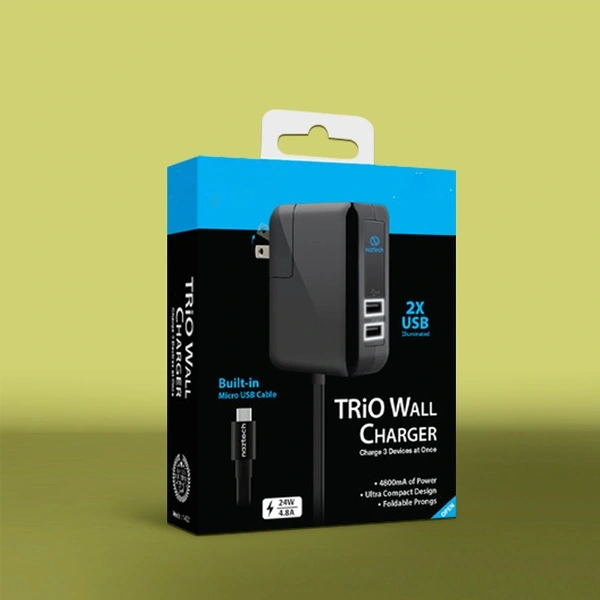
Charger Boxes
Custom charger boxes for adapters, wireless pads, power banks and cables
 02See the build →
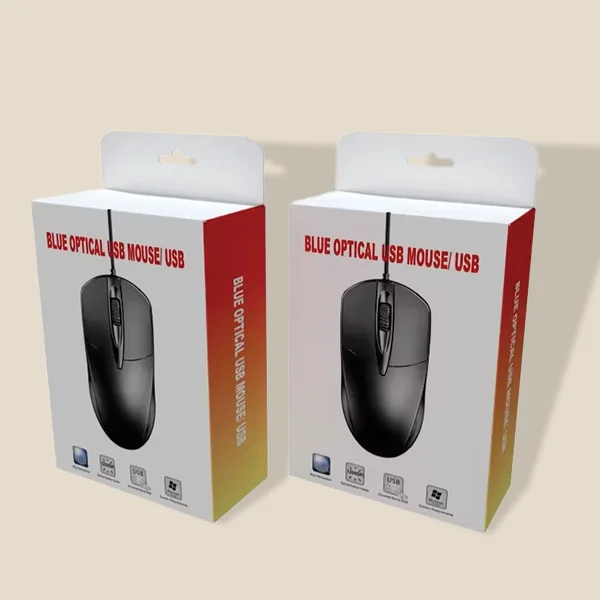
Computer Mouse Boxes
Custom mouse boxes with a cradle shaped to the mouse, a well for the cable or dongle, and a window or a…
 03See the build →
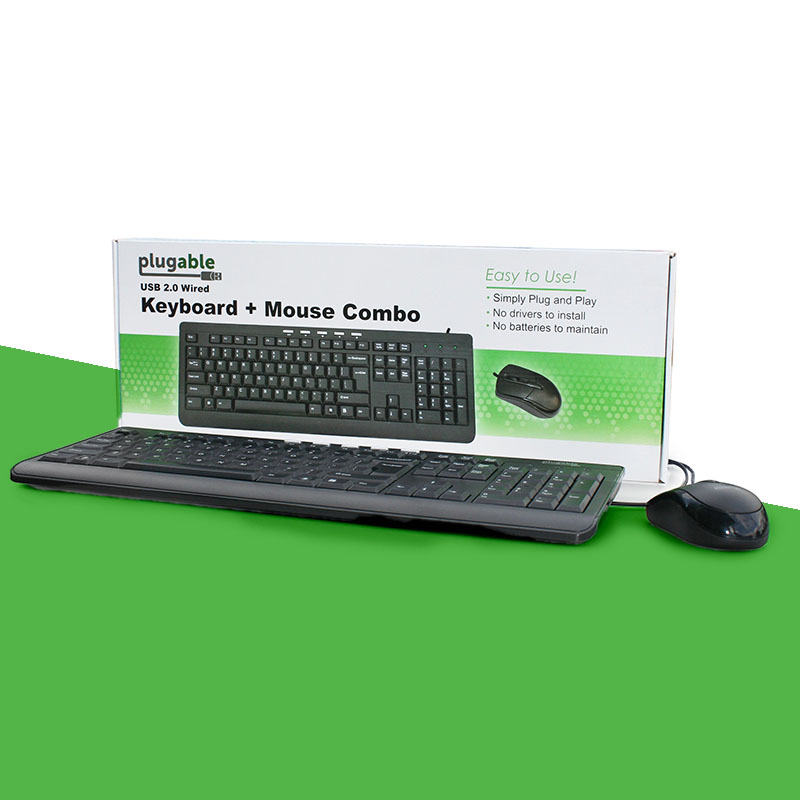
Keyboard Boxes
Custom keyboard boxes with a cradle for the board, a well for the cable and a lid or sleeve that opens…
 04See the build →
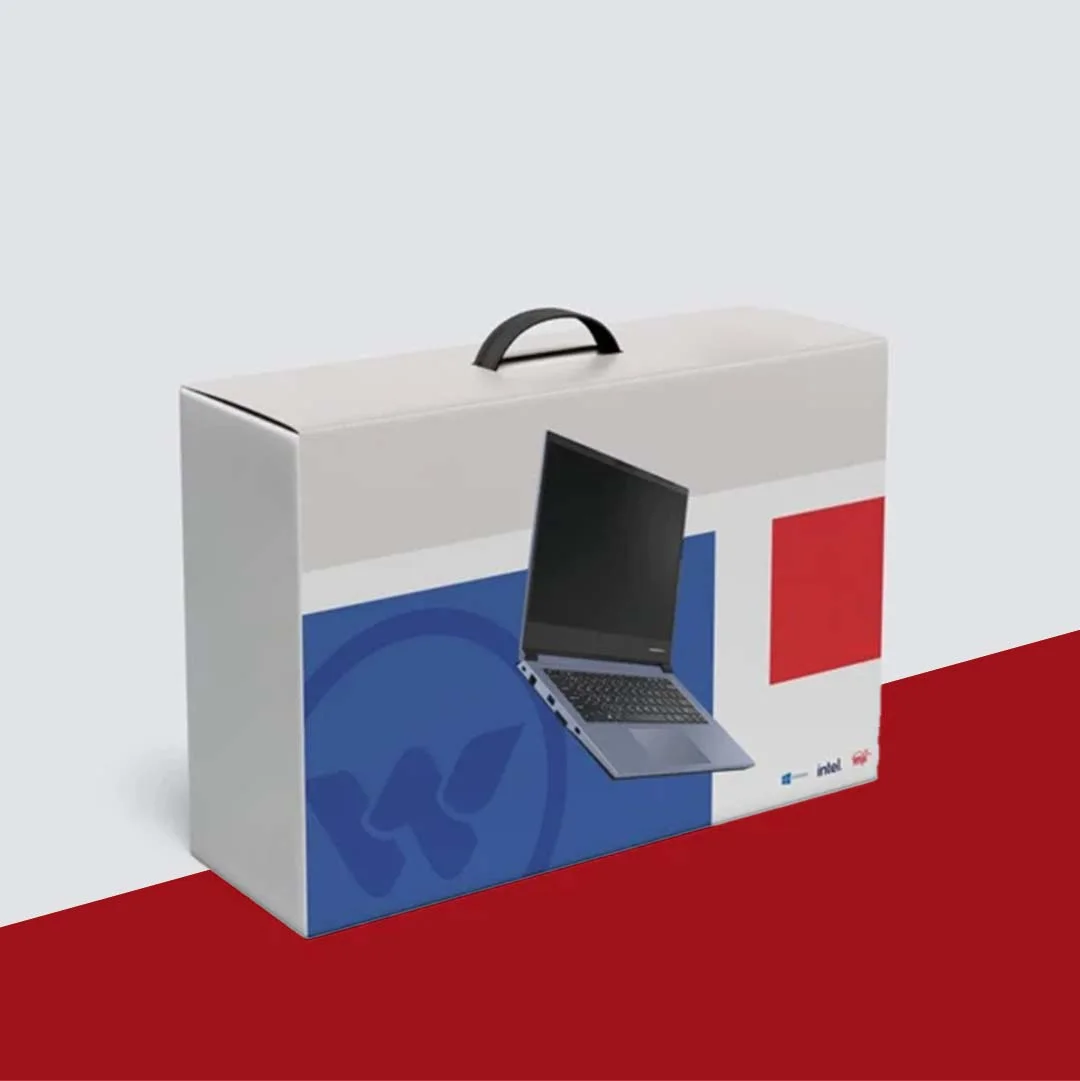
Laptop Boxes
A laptop is the awkward combination of large surface area and low tolerance for pressure.
Side by side
Which electronics boxes style fits
| Style | Board | Build | Minimum | |
|---|---|---|---|---|
| Charger Boxes | 18–20pt boxboard, laminated; rigid tray for power banks | Tuck carton with insert, window carton, sleeve and tray, lidded box | 100 boxes | Open → |
| Computer Mouse Boxes | 20–24pt boxboard cartons; E flute lidded boxes; B flute shippers | Window carton with hang tab, tray and lid, mailer with insert | 100 boxes | Open → |
| Keyboard Boxes | E flute white-lined presentation box; B flute shipper | Two-piece lidded, mailer with sleeve, tray and lid | 100 boxes | Open → |
| Laptop Boxes | Chosen per job | Rigid lid and base, corrugated outers, two-layer trays | 100 boxes | Open → |
Static, and the part people forget
Bare boards, connectors and anything with exposed contacts need antistatic protection, and a printed carton provides none. That is a bag or a foam grade, chosen for its conductivity, sitting inside the presentation box.
A finished consumer device in a plastic housing usually does not need it. An accessory with a bare connector often does. It is worth asking rather than assuming, because the failure is invisible until the customer plugs it in.
Antistatic foam is pink or black for a reason — it is a specification, not a color choice.
Cradles, and how the device is presented
The device should be the first thing seen and the first thing lifted out. Anything the customer has to move to reach it — a manual, a cable, a bag — belongs underneath, not on top.
| Die-cut card tray | Cheapest, recyclable, right for light and flat devices |
|---|---|
| Molded pulp | Good protection, single material, needs volume for the tool |
| Foam with a printed cover | Best fit for irregular shapes; the least recyclable option |
| Layered card platform | Lifts the device into view with no tooling at all |
| Thermoformed tray | Precise, glossy, and increasingly rejected by buyers on plastic grounds |
Cables are the component that ruins layouts
- A coiled cable is thicker than any drawing suggests; measure the real coil.
- Loose cables move in transit and scuff the device they are packed against.
- A channel or a well in the lower tray holds them and keeps the upper layer clean.
- A paper band around the coil is cheaper than a plastic tie and looks considerably better.
Drop, stack and the journey these actually take
Most electronics travel in bulk cartons on a pallet, then in a single parcel to a customer. The retail box is designed for the first journey and blamed for the second, because a presentation box posted on its own arrives with crushed corners.
If you sell direct, ship the retail box inside an outer. The construction that protects it is covered in our shipping box notes, and it is cheaper than the returns.
What has to be printed, and what is regulated
Model number, barcode, serial or batch, and the compliance marks for each market you sell in — which for electronics is a longer list than most categories, and often includes disposal and battery symbols.
Reserve that area on the dieline first. It usually lands on the base or one end panel, and designing the front before it is placed is how a whole print run becomes unsellable in one market.

The unboxing, and why it is not decoration
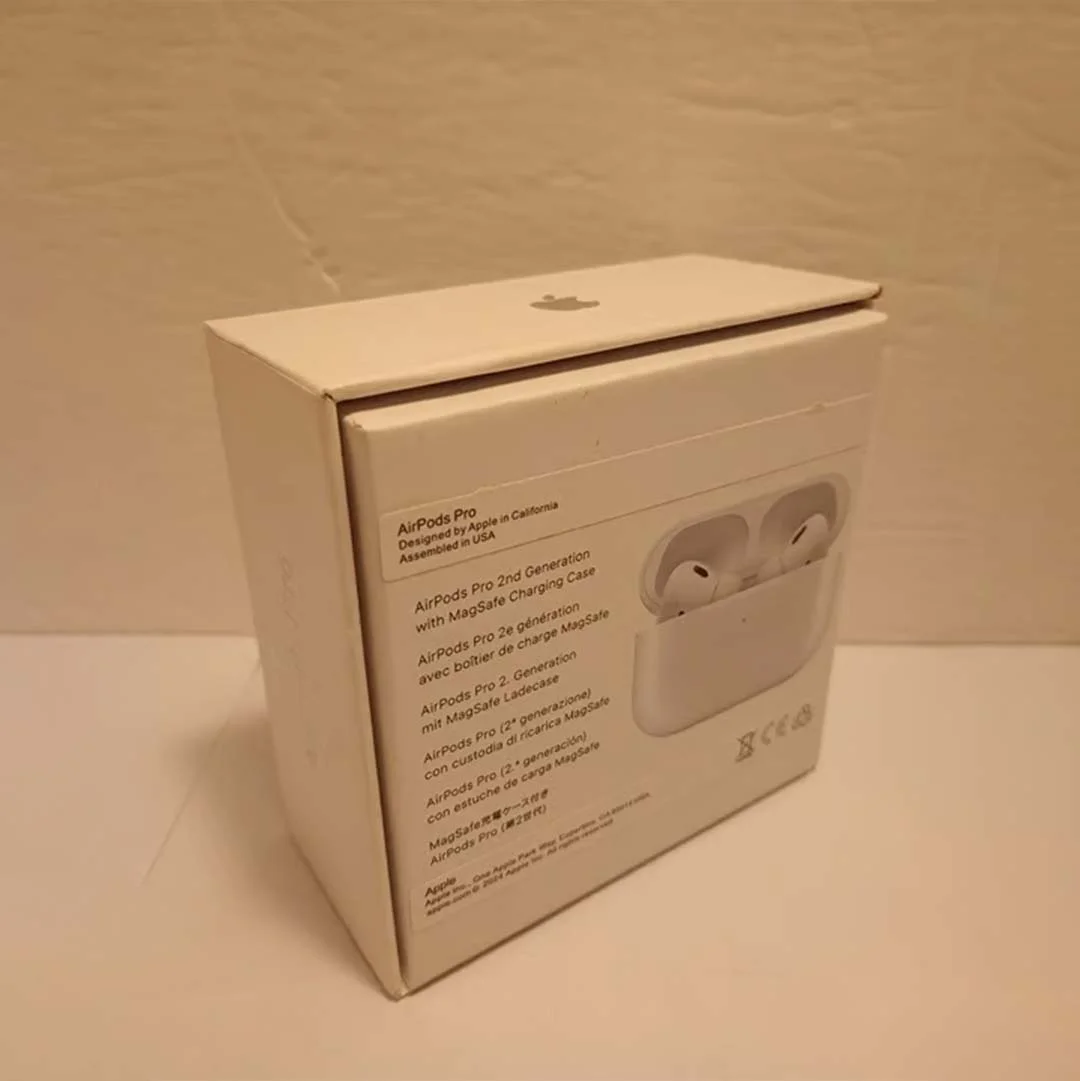
A slow, controlled lid lift, a device that presents itself at the right angle, an inner tray that is printed rather than bare — these are the details customers photograph, and they are the cheapest marketing in an electronics launch.
A telescoping lid with a deliberate air gap gives the slow open. It is a tolerance decision rather than a material one, and it costs nothing extra to specify correctly.
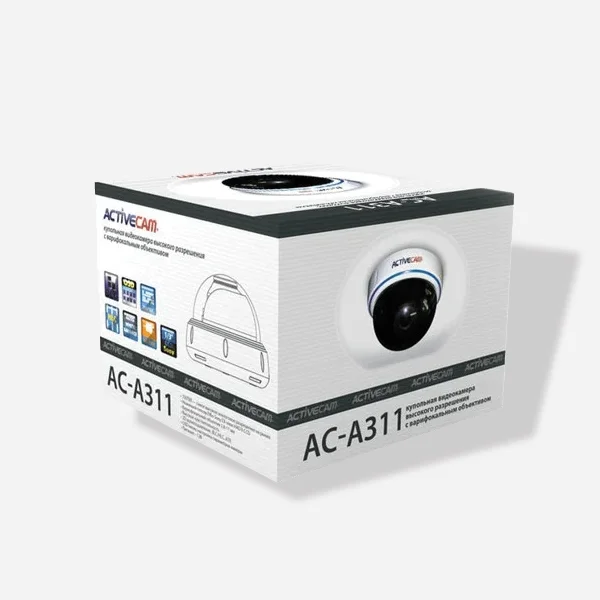
Across the range
What every electronics boxes job runs on
Boards
- Natural kraft
- White SBS
- E and B flute
- Wrapped grayboard
- Food-grade board
- Recycled content
Chosen from what goes in the box and how far it travels. Our notes on recyclable and compostable stocks say which claims each board can carry.
Finishes
- Matte
- Gloss
- Soft-touch
- Foil
- Emboss
- Spot UV
- Kraft
- Textured
Each one is a decision about light on a shelf — the specialty finishes range shows them on real boxes.
Artwork
- Vector PDF or AI, fonts outlined
- 3 mm bleed, 4 mm safe area
- CMYK; a spot color where a match must hold
- Proof on the dieline before press
Files not set up that way are fine — see the guide to preparing print files.
Interactive · five steps · no sign-up
Build your Electronics Boxes in 3D
Pick a shape, type a size, choose a board and a finish. The preview on the left redraws as you go, and the spec lands with us exactly as you set it.
Frequently asked questions
Got a question about electronics boxes? The answers below cover what we get asked most. If yours is not here, send it with a brief, message us on WhatsApp, or call +1 503-461-4788 — we reply the same working day.
Do I need antistatic packaging?
If contacts or bare boards are exposed, yes. A housed consumer device usually does not. Ask rather than assume.
Foam or pulp?
Pulp if the shape allows it and the volume justifies the tool. Foam fits anything and is the hardest to justify to buyers now.
Can the retail box be the shipping box?
Only if it is built for it, and then it arrives scuffed. For direct sales, ship it inside an outer.
Where do the compliance marks go?
Usually the base or an end panel, reserved on the dieline before the front is designed.
What is the minimum order?
100 boxes, with cradles quoted alongside.
Where should cables go?
In a lower tray with a channel sized to the real coil, never loose against the device where they scuff it.
Do I need antistatic packaging?
If contacts or bare boards are exposed, yes. A housed consumer device usually does not. Ask rather than assume — the failure is invisible until it is plugged in.
Foam or pulp?
Pulp if the shape allows it and the volume justifies the tool. Foam fits anything and is the hardest to justify to buyers now.
Can the retail box be the shipping box?
Only if it is built for it, and then it arrives scuffed. For direct sales, ship it inside an outer.
Where do the compliance marks go?
Usually the base or an end panel, reserved on the dieline before the front is designed.
Keep browsing