Custom Folding Boxes
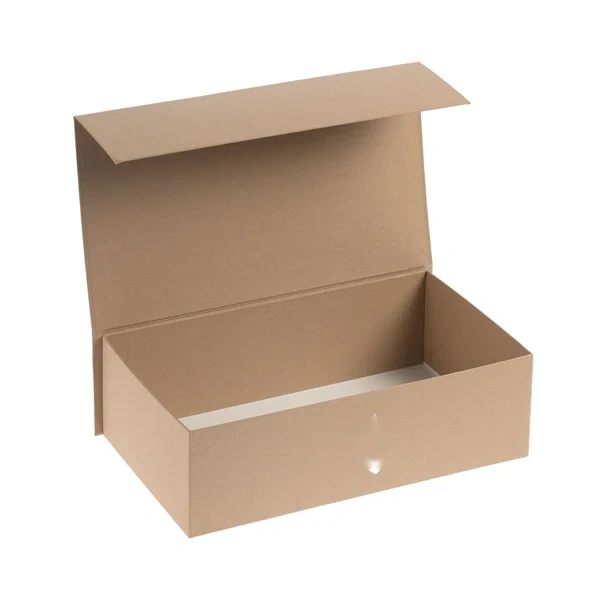
A folding carton has no joints, no glue on most builds, and no separate parts. Everything it does — standing up, holding weight, staying shut — is done by where the creases go. Change the crease pattern and you have a different box.

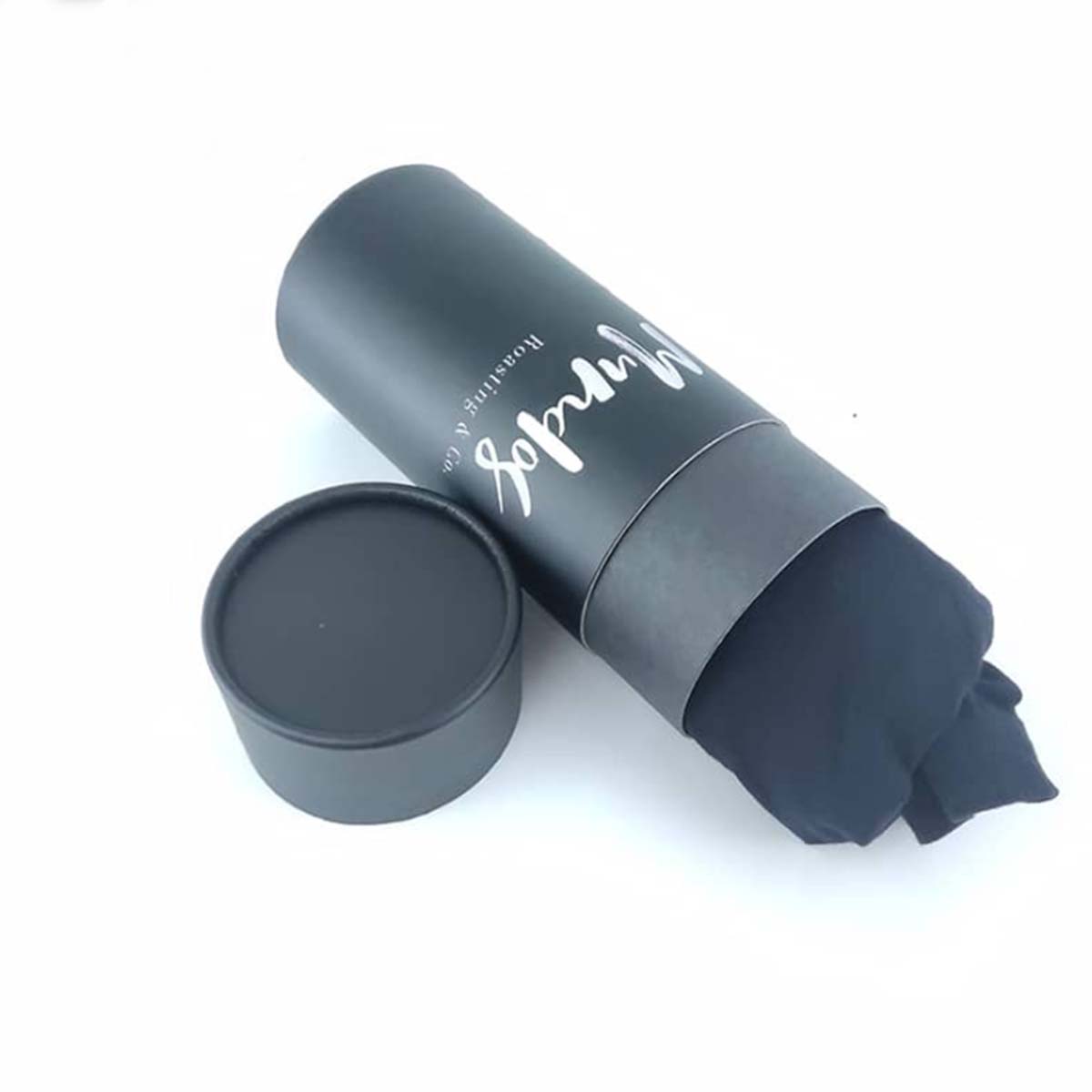
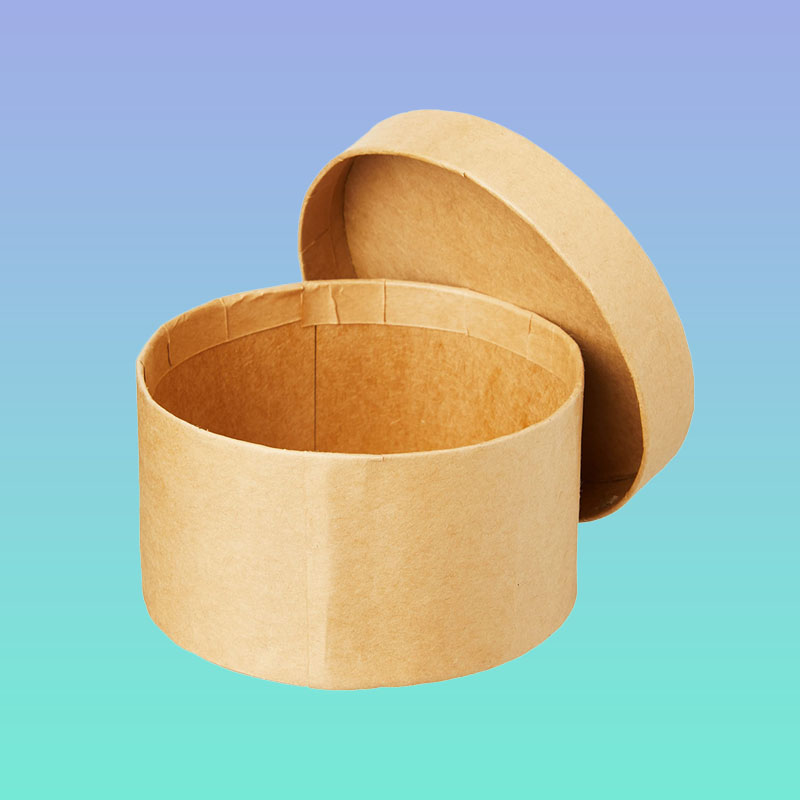
Get a price for Folding Boxes
Send the size and quantity — we reply the same working day with a price, a dieline and a date. Artwork optional at this stage.
- 4styles in this range, each with its own page and price
- 100unit minimum on every style, printed or plain
- 4markets quoted in the delivery currency
- ±1mmcutting tolerance on folding board, checked on a sample
4 styles in this range
Styles we make in this range
Every one below is written up, priced and dielined. Tap a style to see how it is built.
 01See the build →
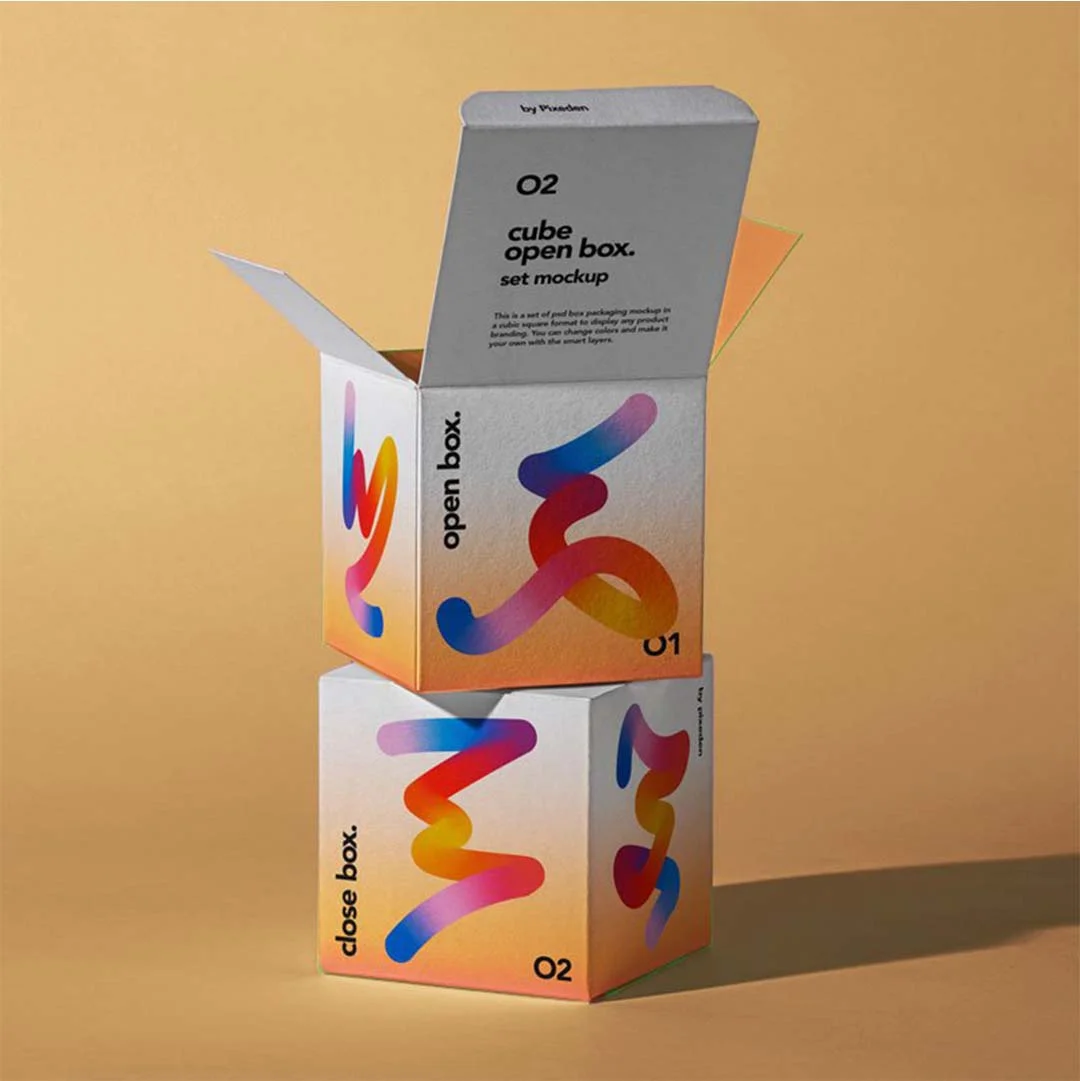
Cube Boxes
Every other carton has a face you design for and five you fill in.
 02See the build →
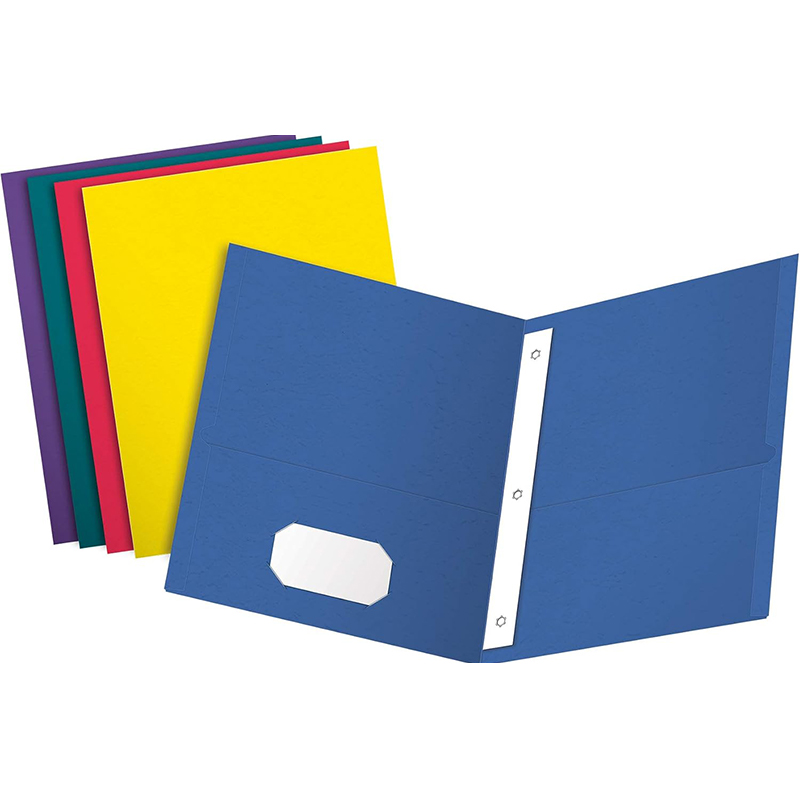
Die Cut Folders
Custom die-cut folders in a shape of your own
 03See the build →
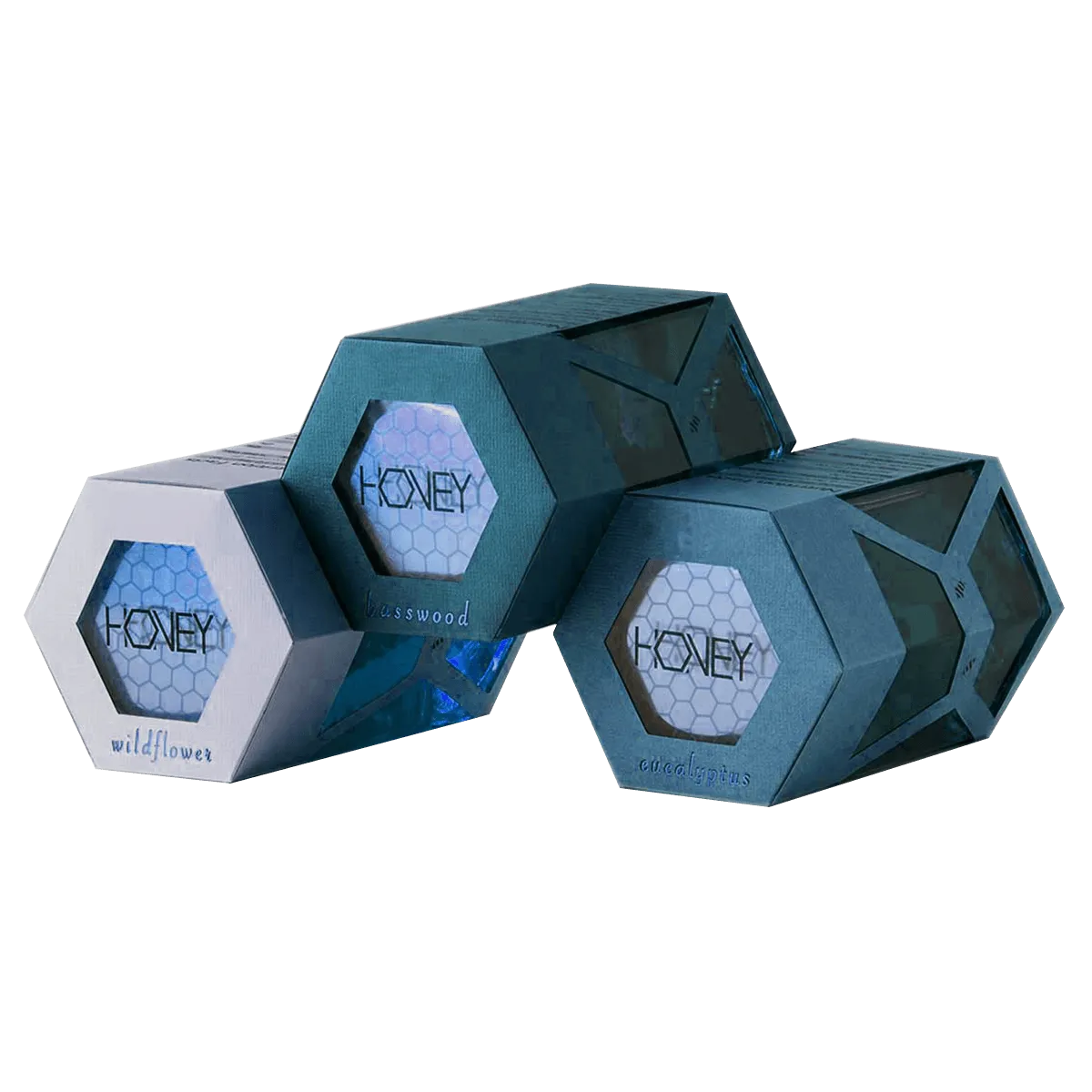
Hexagon Boxes
Hexagons are usually chosen because they look different.
 04See the build →
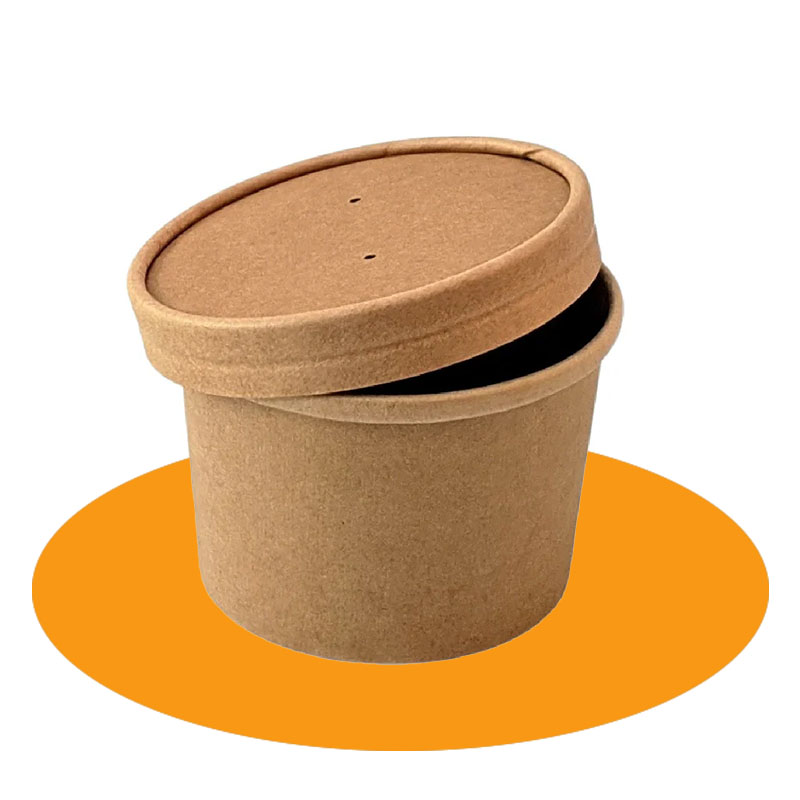
Round Kraft Boxes
Custom round kraft boxes
Side by side
Which folding boxes style fits
| Style | Board | Build | Minimum | |
|---|---|---|---|---|
| Cube Boxes | 14–24pt folding boxboard, kraft or white-lined | Cube carton with tuck, auto-lock, or lid and base closure | 100 cartons | Open → |
| Die Cut Folders | 300–400 gsm coated or uncoated card; laminate optional | Shaped cover; one or two pockets; card slits; 3–10 mm spine; closure tab | 100 folders | Open → |
| Hexagon Boxes | 14–24pt folding boxboard, kraft or white-lined | Six-sided folding carton; petal tuck, lid and base, or auto-lock bottom | 100 cartons | Open → |
| Round Kraft Boxes | Spiral-wound kraft, 1.5–3 mm wall; kraft base and lid | Lift-off lid, shoulder lid; short wide drums to tall tubes | 100 boxes | Open → |
Why an unusual shape often costs less than you expect
A hexagon, a cube and a plain tuck box are all one piece of board through the same cutting machine. The difference in price is mostly the cutting tool and the sheet area, not the complexity of the shape. A hexagon uses more board than a rectangle of the same volume, and that is the honest reason it costs more — not the geometry.
What does add real cost is anything that needs a second pass: glue, an insert, a window film, a second material. A shape that folds up dry from one sheet stays cheap however odd it looks.
Grain direction decides whether the fold is clean
Board has a grain, like wood. Creases that run with the grain fold cleanly; creases that run across it can crack the coating along the fold, which shows as a white line through dark print.
On a cube every fold runs both ways, so the layout has to compromise. On a tall carton it is easy to get right and costs nothing. This is one of the reasons we lay out the sheet before quoting rather than after.
Dark solids across a cross-grain crease are the classic cracking complaint. Tell us early if the design is a dark all-over and we will plan the sheet around it.
The base is the part that fails
If the box will hold anything with mass, the tuck base is the wrong choice and everything else on the list is right. We size the base to the filled weight, not to the box.
| Straight tuck | Light contents, fastest to assemble |
|---|---|
| Reverse tuck | Same speed, cheapest layout, front flap opens down |
| Auto-lock bottom | Pops open flat to square, holds real weight |
| Snap-lock (1-2-3) | Hand assembled, strong, no glue |
| Seal end | Glued both ends, tamper evident, needs a filling line |
Round kraft boxes are a different animal
A round box is not folded from a flat blank in the same sense — the body is wrapped and seamed, and the ends are separate discs. It behaves much more like a short tube, and if you are choosing between the two, our notes on wound tube construction apply almost directly.
The practical difference is print: a round box is printed flat and wrapped, so the artwork has to survive a seam. Put the seam somewhere deliberate.
Folders and presentation pieces
- A die-cut folder is a folding carton without the box — same board, same crease logic.
- Pocket depth and card slits are cut in the same pass, at no extra cost.
- Spine width has to be declared up front; it cannot be adjusted after the tool is cut.
- These take the same finishes as the rest of the range — matte, gloss, soft-touch, foil.
Across the range
What every folding boxes job runs on
Boards
- Natural kraft
- White SBS
- E and B flute
- Wrapped grayboard
- Food-grade board
- Recycled content
Chosen from what goes in the box and how far it travels. Our notes on recyclable and compostable stocks say which claims each board can carry.
Finishes
- Matte
- Gloss
- Soft-touch
- Foil
- Emboss
- Spot UV
- Kraft
- Textured
Each one is a decision about light on a shelf — the specialty finishes range shows them on real boxes.
Artwork
- Vector PDF or AI, fonts outlined
- 3 mm bleed, 4 mm safe area
- CMYK; a spot color where a match must hold
- Proof on the dieline before press
Files not set up that way are fine — see the guide to preparing print files.
Interactive · five steps · no sign-up
Build your Folding Boxes in 3D
Pick a shape, type a size, choose a board and a finish. The preview on the left redraws as you go, and the spec lands with us exactly as you set it.
Frequently asked questions
Got a question about folding boxes? The answers below cover what we get asked most. If yours is not here, send it with a brief, message us on WhatsApp, or call +1 503-461-4788 — we reply the same working day.
Do these arrive assembled?
No, and that is the point of a folding carton — it ships flat. All the standard bases fold up by hand in a few seconds.
Can you print the inside?
Yes. Inside print is a second pass on the sheet, so it adds cost but no tooling.
Why did my dark box crack along a fold?
Almost always a cross-grain crease. It is a layout decision made before printing, and fixable on a reprint.
What is the smallest cube you make?
Small enough that assembly by hand becomes the limit rather than the tooling — send the size and we will tell you honestly.
What is the minimum order?
100 cartons, any shape.
Which base should I choose for weight?
Auto-lock or snap-lock above about 200 g. A tuck base under real weight works its flaps loose.
Do these arrive assembled?
No, and that is the point of a folding carton — it ships flat, which is most of why it is cheap to send. All the standard bases fold up by hand in a few seconds.
Can you print the inside?
Yes. Inside print is a second pass on the sheet, so it adds cost but no tooling. It is very effective on cubes and hexagons where the opening is wide.
Why did my dark box crack along a fold?
Almost always a cross-grain crease. It is a layout decision made before printing, and it is fixable on a reprint at no extra charge if we planned it.
What is the smallest cube you make?
Small enough that assembly by hand becomes the limit rather than the tooling — send the size and we will tell you honestly if it will be awkward to build.
Keep browsing