
Custom packaging for Australian brands
Made to order from 100 units and quoted in Australian dollars. The specification work is the same as anywhere; the planning is not, because the freight leg is measured in weeks and a container crossing the equator gets hotter than any warehouse the pack will later see.
- AUD pricing, delivered
- Landed dates, not production dates
- Heat-aware barrier and adhesive specs
- 100 units minimum, every range

Get a price for Packaging for Australia
Send the size and quantity — we reply the same working day with a price, a dieline and a date. Artwork optional at this stage.
Distance turns a price decision into a calendar decision
Everything else about an Australian order behaves like an American one. The difference is the ocean. Sea freight takes weeks door to door once consolidation and customs are counted, and air collapses that to days at several times the cost per kilogram.
The expensive pattern we see repeatedly is a brand that orders on sea, runs short, and air-freights a top-up at a cost that wipes out the saving on the original run. Ordering about twenty percent above the forecast is almost always cheaper than one emergency air shipment.
- Work backwards from the on-shelf date and add a fortnight you do not think you need.
- Chinese New Year stops production for two to three weeks a year; a February launch is a December order.
- Australian retail runs on a hard Christmas calendar, and it does not move.
Air, sea, and the gap between them
Both are available on every order. The choice is almost always decided by volume rather than by urgency, because packaging is bulky for its value.
| Method | Time | When it makes sense |
|---|---|---|
| Air freight | Days | Light, urgent or high-value: labels, a small rigid run, a sample set |
| Sea, consolidated | Weeks | The default for anything with volume, which is most packaging |
| Sea, full container | Weeks | Best rate per unit once a run fills one |
| Emergency air top-up | Days | The thing to design your order quantity to avoid |
What Australian brands order most
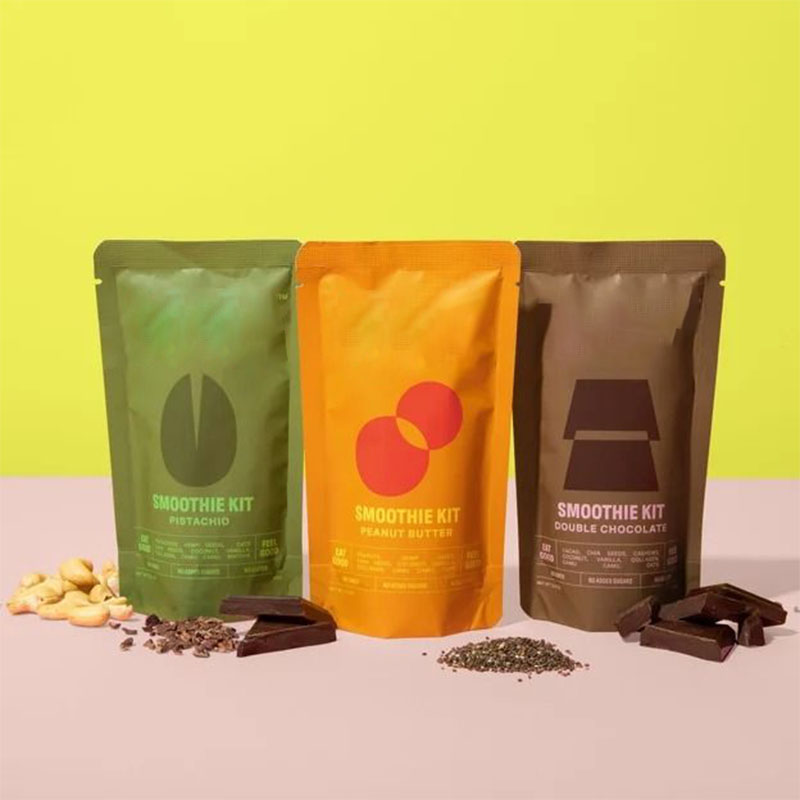
A clear bias toward pouches and flexible formats, and it is not a coincidence: when freight dominates, the pack that folds flat wins arguments it would lose at home.
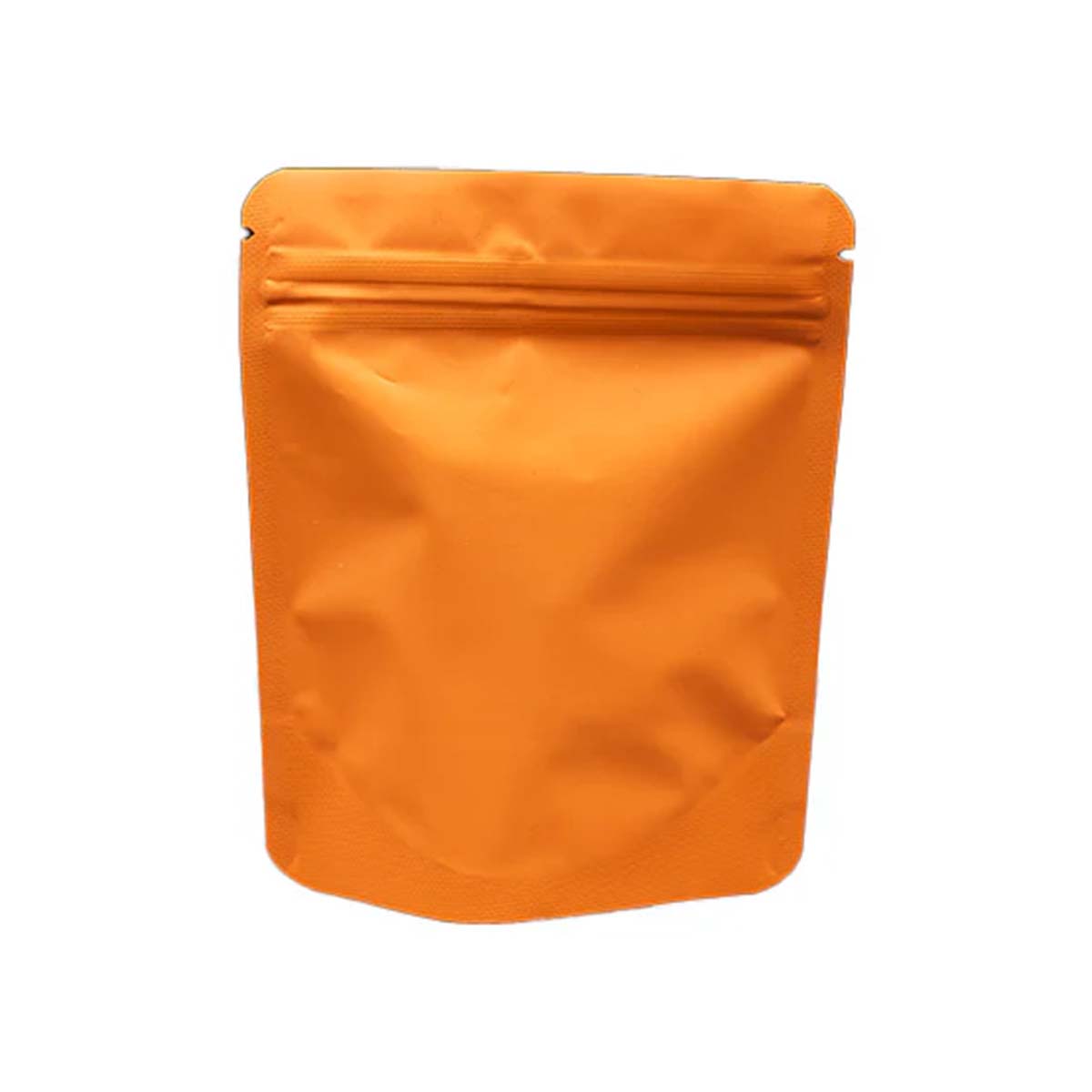
Stand-up pouchesShips flat, fills fastMylar bagsFoil barrier for a long shelf life Coffee packagingValved bags and retail cartons
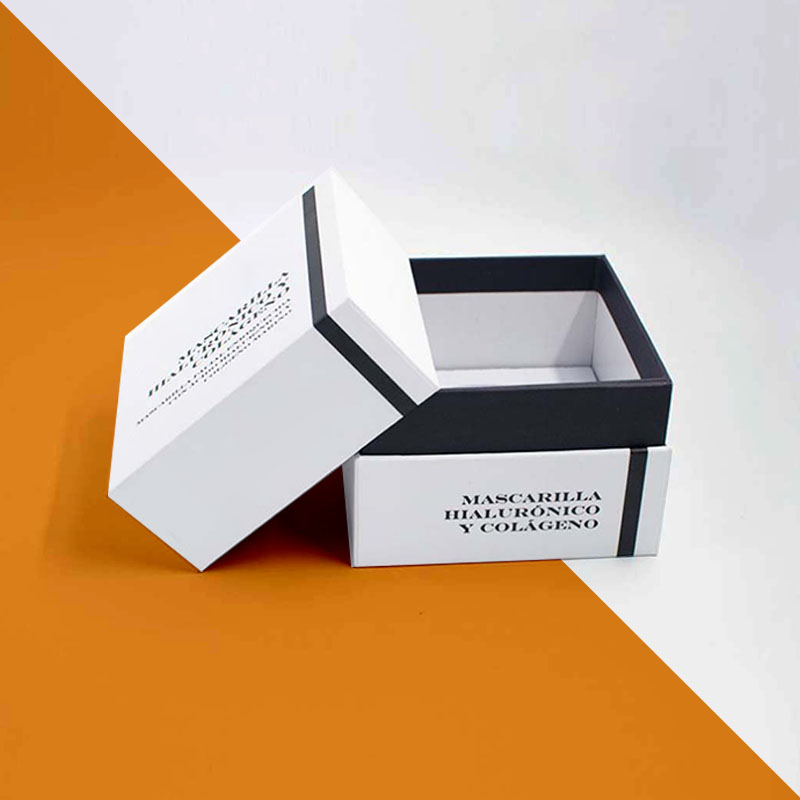 Skincare cartonsOne tool, a whole rangeCandle boxesRigid and windowed builds
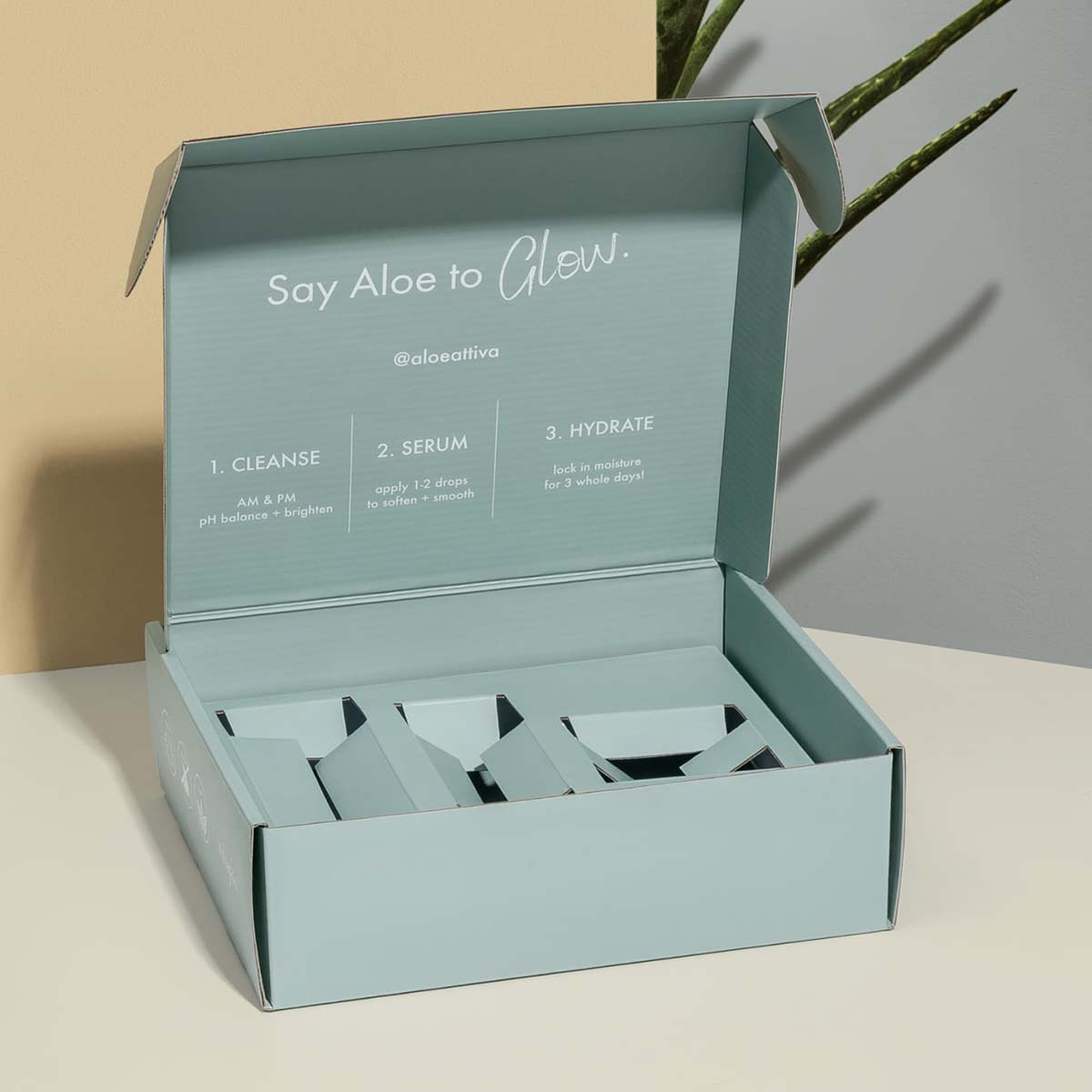
 Mailer boxesFlat-packed, opens without a knife
 Recycled rangesSingle-material where it works
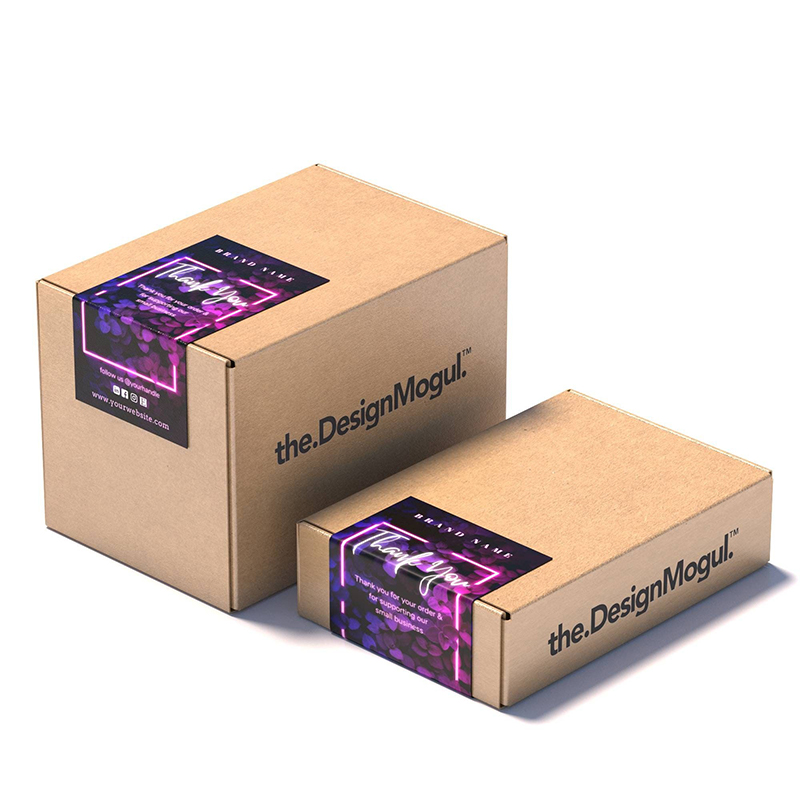 LabelsPaper and film, die-cut to shape
The container is hotter than the shelf will ever be
A container crossing the equator and sitting on a Sydney dock in February reaches temperatures no Australian warehouse will. Specifying a pack for the shelf and ignoring the journey is the single most common Australian packaging mistake, and it shows up as blocked laminates and crept seams rather than as anything obvious.
These are the four checks we run before quoting anything that travels by sea, and they narrow the material choice quickly.
- PLA linings soften well below the temperature a container reaches, so a compostable food pack needs its barrier chosen for the journey.
- Gloss lamination blocks — sheets fuse to each other — under heat and pressure in a stack.
- Standard carton adhesive creeps in sustained heat; heavy boxes want a mechanical lock.
- Chocolate, candles and cosmetics need the seasonal timing built into the plan, not added later.
Materials that survive the journey and the shelf
The Australian brief is almost always two things at once: it has to ship flat and it has to tolerate heat. These are the grades that do both.
Foil laminate film
Polyester, aluminum foil and a sealing layer. The foil is the barrier; the mil figure is not. Ships at a fraction of the volume of a box.
Typical use Coffee, supplements, snacks, dry goods
Metallized film
A sprayed aluminum layer rather than a foil sheet. Cheaper, lighter, and a far weaker barrier — right for weeks, not years.
Typical use Fast-turnover retail snacks
SBS folding boxboard
The best print surface available, and it folds flat for freight. Laminate matters more here than at home, because gloss blocks in heat.
Typical use Skincare, supplements, retail cartons
Kraft board
Unbleached and forgiving of handling. Reads as natural without a coating, which suits the Australian market well.
Typical use Food service, candles, soap, refill ranges
E and B-flute corrugated
Graded by edge crush for the load and the stack height a container puts on it.
Typical use Shippers, mailers, case packing
Non-fluorinated grease barrier
Grease resistance from refined fiber or a fluorine-free coating, on food board across the range.
Typical use Bakery, fried food, anything buttered
A market of five cities and one very long domestic leg
Most Australian volume lands in Sydney, Melbourne and Brisbane, with Perth and Adelaide behind them and a long haul to anywhere else. Perth in particular is far enough from the east coast that a national brand often does better landing two shipments than one plus a cross-country transfer.
Sydney is the usual entry point and the one freight is generally quoted against. We quote the date the goods land with you, with customs handled, rather than the date they leave the production floor.
- Currency
- Quoted in AUD, excluding GST
- Minimum
- 100 units on every range
- Freight
- Sea for volume, air for light and urgent
- Lead time
- Plan back from the on-shelf date and add a fortnight
- Split delivery
- East coast and Perth quoted separately on request
- Sales line
- +1 503-461-4788
How an Australian order runs
Six steps, and the one that matters most is the first: the date you need it on shelf.
Tell us the on-shelf date
Not the date you would like it made. Everything else is planned backwards from it, including whether sea is still an option.
Send the product or its dimensions
We work the pack out from what it holds. For flexible formats, send the fill weight rather than a volume.
Quote and dieline
A price in AUD before GST, a drawing to your dimensions, and a landed date rather than a production date.
Artwork onto the dieline
You design onto the drawing we sent, in whichever spelling convention your market expects.
Proof and approval
A digital proof always, and a printed proof where color or finish is the decision. Approval delays cost sea slots.
Consolidation and landed freight
Sea or air, customs handled, delivered to your address or your 3PL — and split east and west if that is cheaper.
When freight dominates, flat wins arguments
A rigid box and a stand-up pouch holding the same product can cost within a few cents of each other to make and differ several times over to ship, because one travels as air inside a container and the other does not.
That is why Australian brands lean toward flexible formats more than their US or UK equivalents. It is worth running the comparison properly before assuming a carton: for some products the pouch is simply better here, and for others the box earns its freight.
Print and finishing, with the container in mind
Every option here is available. Two of them behave differently after weeks at sea, which is worth knowing before you specify them.
Digital full color
No plates, practical from 100 units, and the artwork can change between runs — useful when a launch date slips.
Litho with spot colors
Once the run justifies the make-ready. The reliable way to hold a brand color across reprints and across seasons.
Matte lamination
The safer laminate for sea freight: it does not block against itself under heat and pressure the way gloss can.
Gloss lamination
Deeper color and shine. Specify it knowing that stacked gloss sheets in a hot container can fuse.
Soft-touch
Tactile and premium, and it hides the handling a long journey adds.
Foil stamping
Small blocks are inexpensive and travel well. Full-panel foil is heavy and expensive to ship.
Emboss and deboss
An impression rather than a coating, so nothing about it is affected by the journey.
Window patching
Film over a die-cut opening. Choose an anti-fog grade for anything chilled at the far end.
Reporting what you put on the market
Australia asks businesses above a size threshold to account for the packaging they place on the market and to work toward national targets on recyclability and recycled content. Membership and annual reporting are the mechanism, and the reporting works by material and weight.
The supplier-side answer is the same as in the UK: hold the figures from the start. We put component weights and materials on the quote for Australian customers, and where a target pushes toward a single-material construction we will tell you what that costs in shelf life rather than quietly agreeing to it.
Scheme membership, thresholds and targets are set nationally and change over time. This is guidance on what to ask a supplier for, not a statement of your obligations — confirm those against current official guidance.
Planning an Australian order that lands on time
Australian orders rarely go wrong on specification. They go wrong on the calendar, and by the time that is visible the only fix left is air freight.
Tell us the fixed date first and the quantity second. If the date cannot move, we will say plainly whether sea is still possible rather than quoting a number that assumes it is.
- The on-shelf date, and whether it is genuinely fixed.
- The quantity you forecast, plus the margin you can afford to over-order rather than air-freight.
- Whether the goods land in one city or two — Perth and the east coast often split well.
- Whether anything in the pack is heat-sensitive, so the barrier is specified for the container.
- Which spelling convention the artwork should use; we typeset either and check before press.
Guides worth reading before you order
Written for people specifying packaging, not for people selling it.
8 min read
What a barrier actually stops, and how to specify one
Foil against metallized film, and why mil is the wrong number.
6 min read
Your box size is a shipping bill you pay every month
Where the bands fall and how to size against them.
5 min read
Why 100 boxes cost nearly as much as 500
Where tooling stops dominating and the unit price falls.
6 min read
Recyclable, recycled, compostable: three claims, three meanings
What each word commits you to under a reporting scheme.
Interactive · five steps · no sign-up
Build your packaging for Australia in 3D
Pick a shape, type a size, choose a board and a finish. The preview on the left redraws as you go, and the spec lands with us exactly as you set it.
Australia questions
Do you quote in Australian dollars?
Yes, AUD and excluding GST. The ship-to selector in the header sets the currency on your quote.
How long does shipping take?
Weeks by sea once consolidation and customs are counted; days by air at several times the cost per kilogram. Most packaging goes by sea.
When should I place a Christmas order?
Work backwards from the on-shelf date and add a fortnight. Australian retail runs on a hard December calendar and it does not move.
Should I order more than I forecast?
Usually about twenty percent more. One emergency air top-up costs more than the extra stock, and it is the most common expensive mistake here.
Is air freight ever worth it?
For light, high-value packs — labels, a small rigid run, a sample set. For anything with volume the arithmetic does not work.
Will the packaging survive the container?
With the barrier and adhesive chosen for the journey rather than the shelf. A container in February gets hotter than any warehouse the pack will later see.
Can I use a compostable lining?
Not a PLA one reliably on this route — it softens well below the temperature a container reaches. A fluorine-free coated board is the safer option.
Why do so many Australian brands use pouches?
Freight. A pouch and a rigid box can cost similar amounts to make and differ several times over to ship, because one travels as air inside a container.
Do you supply packaging weights for reporting?
Yes, by component and material, on the quote. Reconstructing them later from delivery notes is far harder.
Can you ship to Perth and the east coast separately?
Yes, and it often beats one landing plus a cross-country transfer. Ask for both on the quote.
Australian or American spelling on my pack?
Yours. Tell us which convention the artwork should use and we typeset and check it that way before press.
Is GST included in the quote?
No, quotes are shown before GST. A registered business recovers it, so the pre-GST figure is the one to compare between suppliers.
Is the minimum different in Australia?
No, 100 units. Freight, not the minimum, is what usually pushes an Australian order larger.
Tell us the date it has to be on shelf
We will quote in AUD, send a dieline to your dimensions, and give you a landed date rather than a production one — including whether sea is still an option.