
Custom packaging for Canadian brands
Made to order from 100 units, quoted in Canadian dollars and delivered. We lay the bilingual mandatory panel out first and design the artwork into what is left, which is the order that keeps a Canadian carton from growing a size late in the process.
- Bilingual panels laid out first
- Metric-first quantity declarations
- CAD pricing, delivered
- 100 units minimum, every range
Get a price for Packaging for Canada
Send the size and quantity — we reply the same working day with a price, a dieline and a date. Artwork optional at this stage.
Everything mandatory has to be said twice
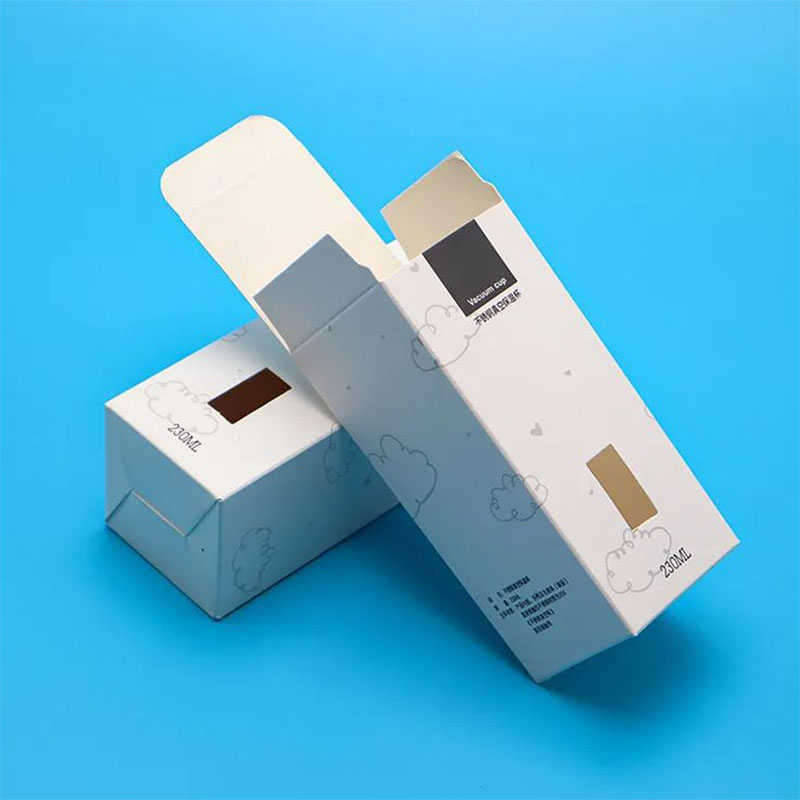
Consumer packaging sold in Canada carries its mandatory information in English and French. That single requirement shapes a Canadian carton more than freight, tax or weather, because it decides how much panel is left once the law has taken its share.
French runs longer than English for the same sentence, so the regulated text takes roughly twice the space it does on a US carton. Brands discover this after the artwork is designed, which is the expensive order to do it in.
- Lay the bilingual panel out first; design into the space that is left.
- Expect the Canadian carton to be a size larger than the US version of the same product.
- Quebec has its own language requirements on top of the federal ones.
What has to appear in both languages
A working summary of how the panel is usually planned. It is a starting point for layout, not a compliance checklist.
| Element | Languages | Note for layout |
|---|---|---|
| Product identity | English and French | Front panel; sets the visual hierarchy |
| Net quantity | English and French | Metric is the legal declaration; imperial may sit alongside |
| Ingredients, directions, warnings | English and French where the category requires them | The longest block, and the one that grows the carton |
| Dealer name and address | One language is sufficient | Usually the smallest saving available |
Ranges Canadian brands order most
Food service and specialty food lead, then cosmetics and categories where the labeling burden is heaviest — which pushes buyers toward folding cartons over rigid boxes.
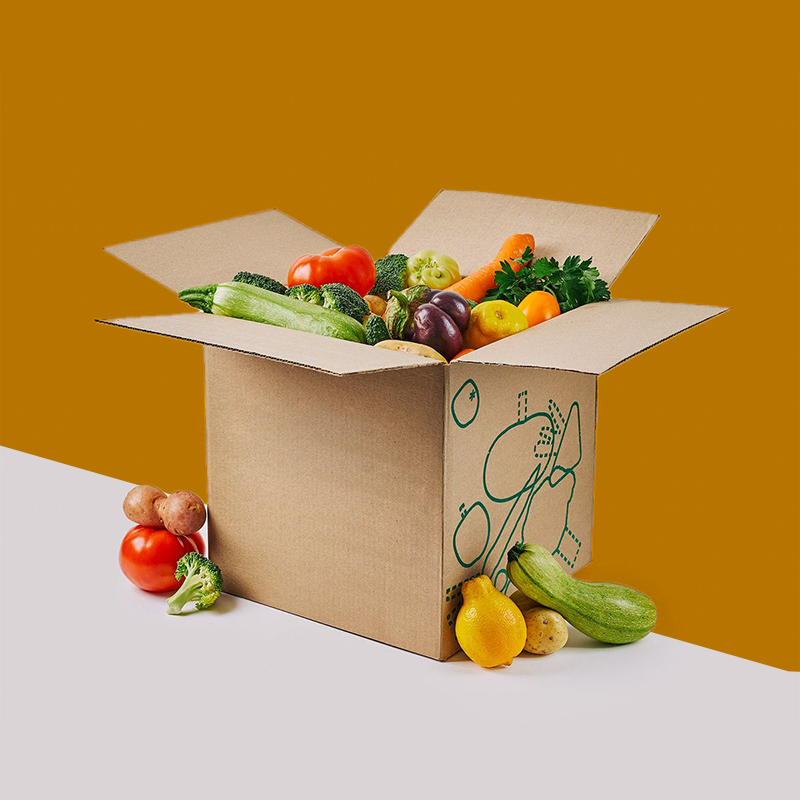
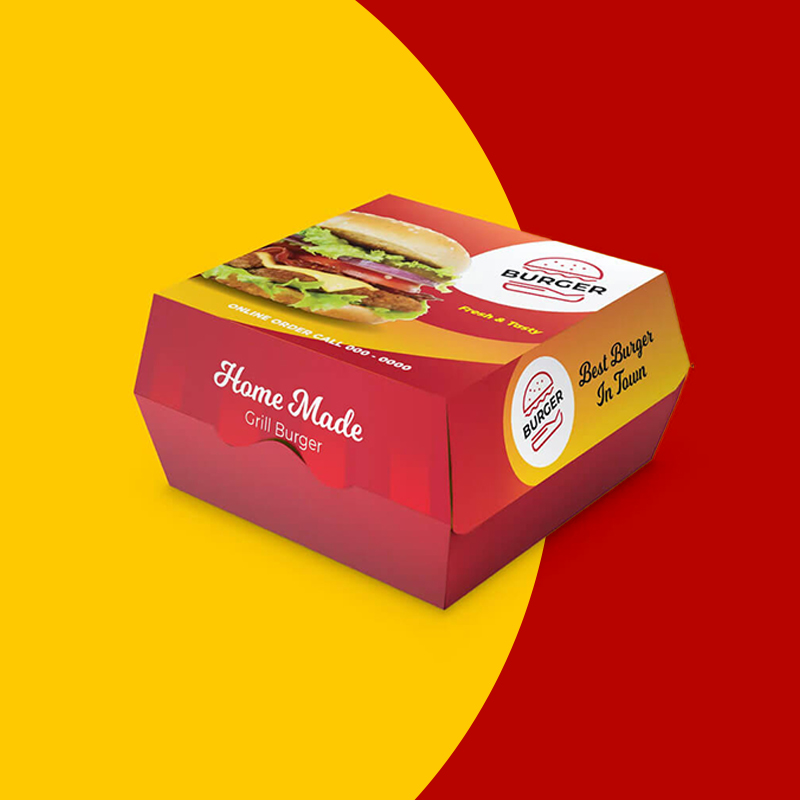
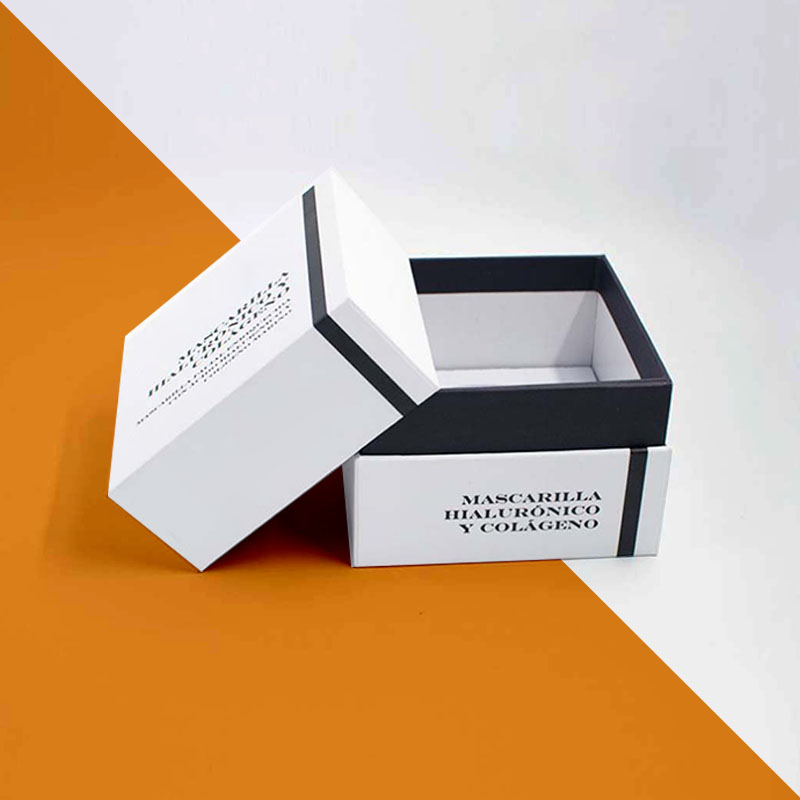
Food serviceVented, grease-resistant, PFAS-freeBurger boxesClamshells that stay clean outsideFolding cartonsRoom for a bilingual panelCosmetic cartonsLong ingredient lists, twice over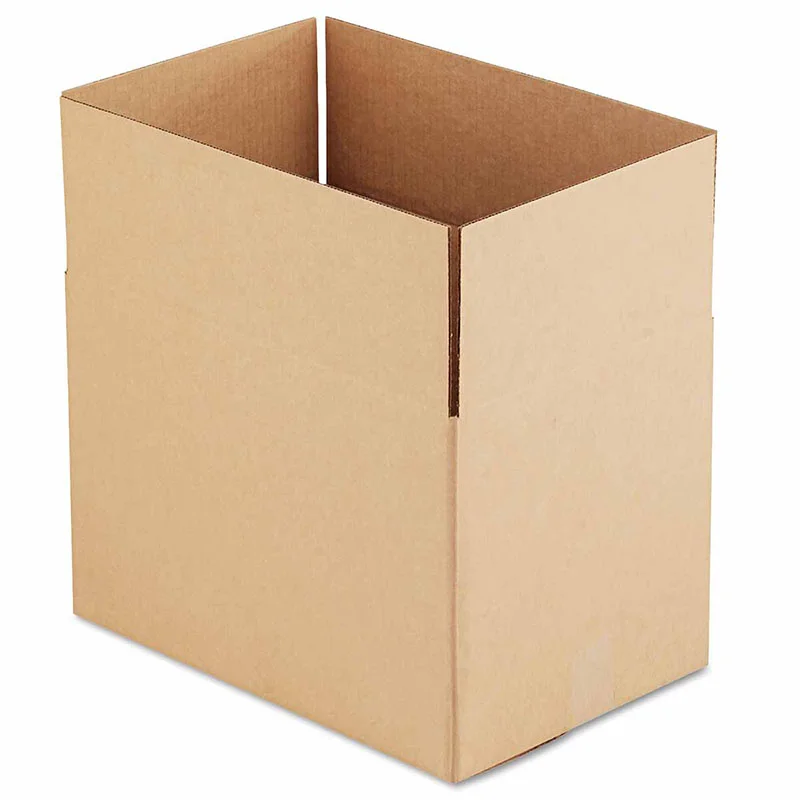 Shipping boxesGraded for the stack and the cold
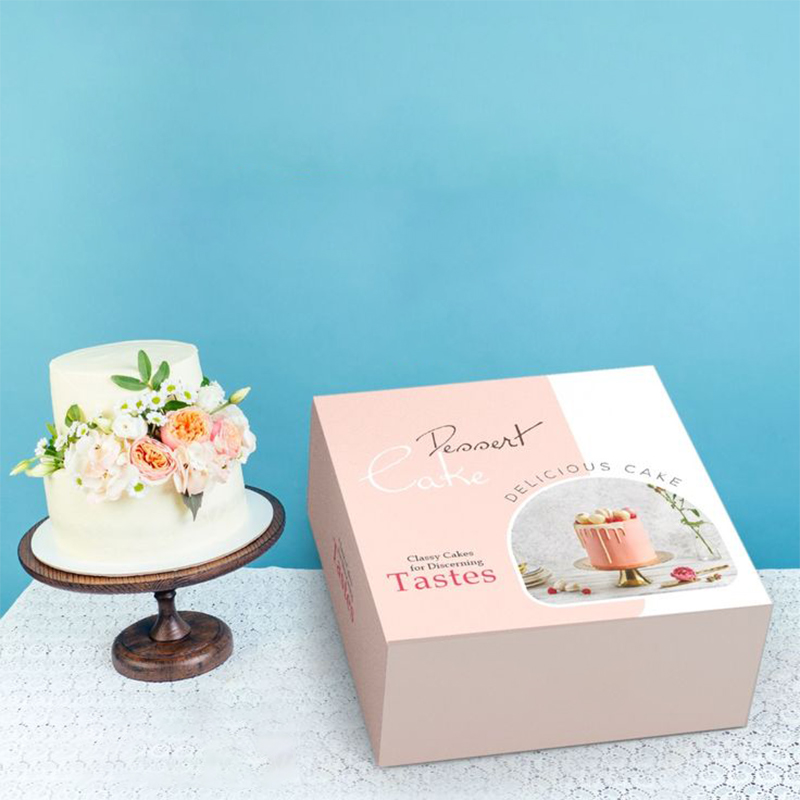 Bakery boxesWindows, vents and carry handles
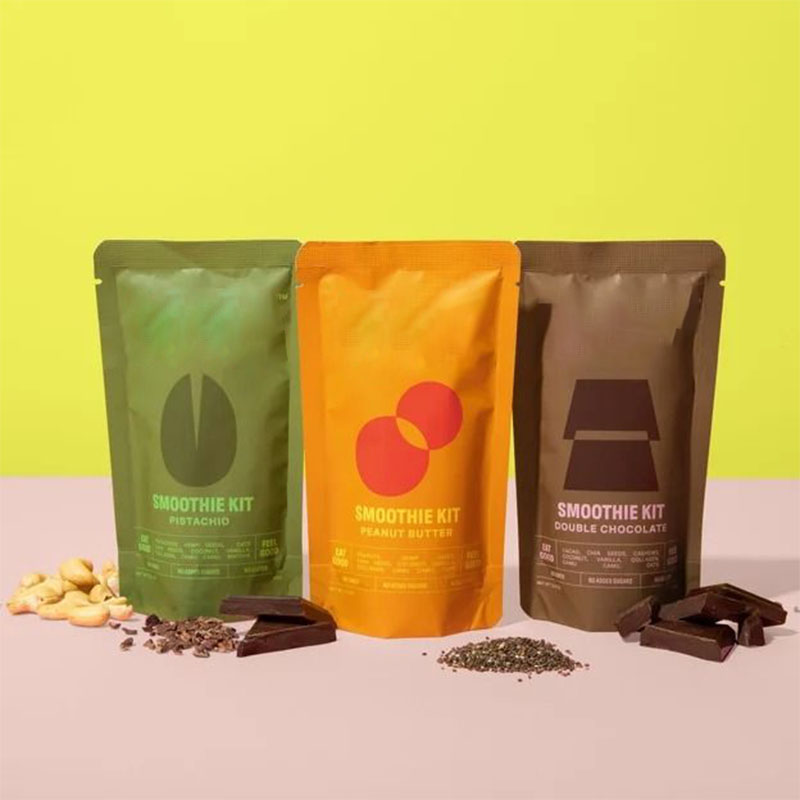 Coffee packagingValved bags and retail cartons
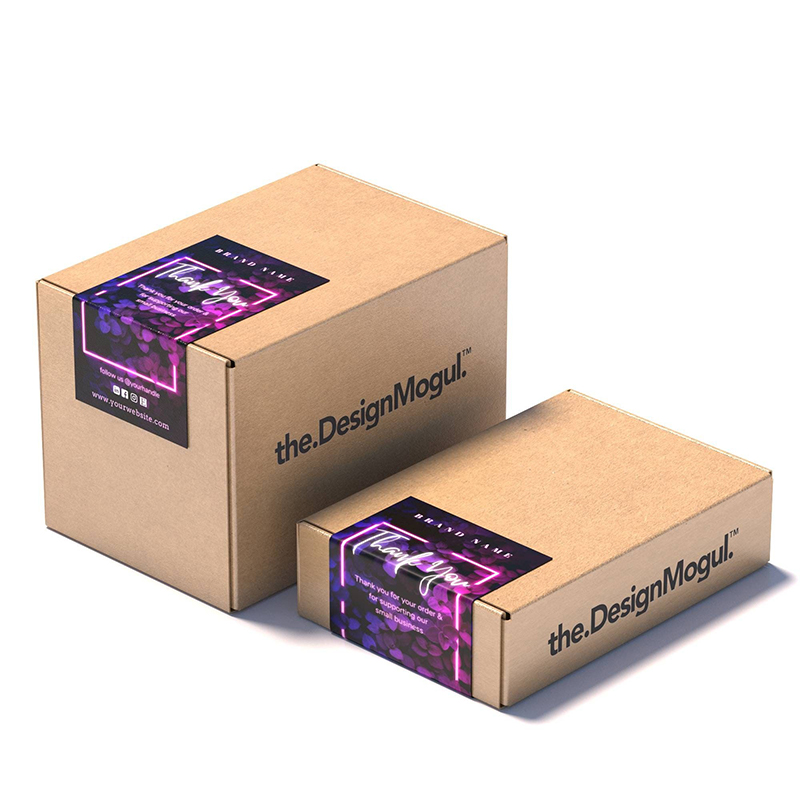 LabelsBilingual back labels, die-cut to shape
Cold is a material constraint, not a footnote
Packaging that behaves perfectly in a temperate warehouse behaves differently at minus twenty. It is the variable most suppliers ignore on Canadian work and the one that actually decides whether a January delivery arrives intact.
None of it is exotic. It is four checks we run before quoting anything that will move in winter, and they narrow the board and adhesive choice quickly.
- Standard carton adhesive gets brittle in deep cold; a heavy box wants a mechanical lock.
- Corrugated absorbs moisture in a damp cold warehouse and loses stacking strength.
- Films and laminates stiffen, so a pouch that opens easily in July can crack at the notch.
- Anything that freezes and thaws sweats on the way back up, and the print has to survive it.
A long country with its people in a narrow band
Most Canadian delivery addresses sit within a few hundred kilometers of the US border, strung out over five thousand kilometers of it. That makes east–west freight expensive and north–south freight cheap, which is why a Toronto brand and a Vancouver brand can get very different delivered prices for the same carton.
Where a brand ships nationally, splitting a run between an eastern and a western destination usually beats one delivery plus an internal transfer. We quote both when the quantity justifies it, and we quote delivered so the freight is inside the number.
- Currency
- Quoted in CAD, delivered
- Minimum
- 100 units on every range
- Customs
- DDP for one number, or DAP if you use your own broker
- Split delivery
- East and west quoted on request
- Winter
- Cold-tolerant adhesive specified for January transit
- Sales line
- +1 503-461-4788
Boards that suit a bilingual panel and a cold truck
Two Canadian constraints pull in different directions: a lot of small legible text, and a journey that may be frozen. These are the grades that handle both.
SBS folding boxboard
The smoothest surface available, which is what small bilingual text needs to stay legible at the legal minimum size.
Typical use Cosmetics, supplements, retail food cartons
Coated kraft
Brown board with a coated face, so it takes fine text without losing the natural look. Handles moisture better than uncoated.
Typical use Food service, bakery, natural ranges
Freezer-grade board
Wet-strength fiber that stays flexible below freezing and does not delaminate when it thaws and sweats.
Typical use Frozen food, anything moving in a Canadian winter
E and B-flute corrugated
Graded by edge crush for the load and the stack. B-flute where a box will sit in a damp cold warehouse.
Typical use Shippers, mailers, case packing
Non-fluorinated grease barrier
Grease resistance from refined fiber or a fluorine-free coating, on food board across the range.
Typical use Burgers, fried food, bakery, anything buttered
Foil laminate film
The barrier is the aluminum layer, not the thickness. Stiffens in cold, so the tear notch matters more here.
Typical use Coffee, dry goods, long shelf life
How a Canadian order runs
Six steps, with the bilingual panel settled before anyone designs anything.
Send the product and the market
Dimensions, and whether Quebec is a real market for you. That answer changes the panel plan before it changes anything else.
We quote and send a dieline
A price in CAD, a drawing to your dimensions and a date. The dieline is yours whether or not you order.
Panel plan
We mark the area the bilingual mandatory text needs at a legible size, so you know what is left before you start designing.
Artwork onto the dieline
You supply the translated text and the design; we typeset and tell you when a panel cannot hold what has been written.
Proof and approval
A digital proof always, and a printed proof where the color or the fine text is the decision.
Production and delivered freight
Customs handled, cold-tolerant adhesive where the season needs it, delivered to your address or your 3PL.
Provincial recycling rules, and what to hold on file
Canada is shifting the cost of collecting packaging onto the businesses that put it on the market, province by province and on different timetables. Ontario, British Columbia and Quebec are furthest along and others are following. For a buyer it means a reporting obligation by material and weight, and eventually a fee.
The practical step is not to wait: hold component weights and materials from the first order rather than reconstructing them later, and prefer single-material constructions where the product allows it. We supply those figures on the quote.
Programs, thresholds and fees are set provincially and change. Treat this as guidance on what to ask a supplier for, and confirm your own obligations against current provincial guidance.
Print and finishing
On a bilingual carton the first question is legibility, not decoration — which changes what is worth buying.
Digital full color
No plates. Practical from 100 cartons, and a wording correction between runs costs nothing — useful when translated text is still being approved.
Litho with spot colors
Once volume justifies the make-ready. The reliable way to hold a brand color across reprints.
Matte lamination
Reduces glare, which measurably helps small text on a back panel under retail lighting.
Gloss lamination
Deeper color and more shine, at the cost of readability on dense regulated text.
Soft-touch
Tactile and premium, and it hides handling marks on a box that will sit in a cold damp store.
Foil and emboss
Best kept to the front panel. Foil across a text panel is unreadable at ingredient-list sizes.
Spot UV
Gloss on chosen areas over matte, where the contrast does the work without touching the text.
Window patching
Film over a die-cut opening. It adds a second material to your provincial reporting, so decide it deliberately.
What we need to quote a Canadian job properly
Canadian quotes stall on two things more than any others: an unsettled decision about Quebec, and translated text that arrives after the artwork. Both are cheap to fix early and expensive to fix late.
Tell us the market and the season at the start. Between them they decide the panel plan and the adhesive, which are the two things that cannot be changed after the die is cut.
- What goes in it, with dimensions — or send the product and we will measure it.
- Whether you sell into Quebec, because its requirements sit on top of the federal ones.
- Who supplies the French text, and when. We typeset it; we do not vouch for it.
- Whether the goods move in winter, so the adhesive and board are specified for it.
- Delivery: one address or two, and whether either is a 3PL with a receiving spec.
Guides worth reading first
The decisions that cost the most to get wrong on a Canadian carton.
5 min read
How to measure a box so the die comes out right
Internal dimensions, and the order the three numbers go in.
7 min read
What replaced PFAS in grease-resistant packaging
How grease resistance works without fluorinated coatings.
8 min read
Hot food in a box: steam is the enemy, not heat
Venting, grease barriers and the ten minutes that decide the meal.
6 min read
Recyclable, recycled, compostable: three claims, three meanings
What each word commits you to under a reporting scheme.
Interactive · five steps · no sign-up
Build your packaging for Canada in 3D
Pick a shape, type a size, choose a board and a finish. The preview on the left redraws as you go, and the spec lands with us exactly as you set it.
Canada questions
Does my packaging have to be bilingual?
Consumer packaging does: the mandatory information appears in English and French. The dealer name and address may be in one language.
Will bilingual text make my box bigger?
Often. The regulated text takes about twice the space and French runs longer than English, so a Canadian carton is frequently one size up from the US version.
Do you translate the French text?
We typeset and lay out what you supply, and we will tell you when a panel cannot hold it. The translation should come from someone accountable for its accuracy.
Does Quebec have extra requirements?
Yes, on top of the federal ones. If Quebec is a real market, settle that before the die is cut rather than after.
Metric or imperial on the pack?
Metric is the legal declaration; imperial can sit alongside it. We set metric first with imperial in parentheses, which reads naturally to a buyer who thinks in ounces.
Do you quote in Canadian dollars?
Yes, CAD and delivered. The ship-to selector in the header sets the currency on your quote.
Who pays the duty?
You choose. Delivered duty paid gives you one number; delivered at place suits you if you would rather use your own broker.
Will the box survive a Canadian winter?
With a cold-tolerant adhesive and, on heavy boxes, a mechanical lock rather than a glued seam. Standard carton glue gets brittle in deep cold.
Can you deliver to both coasts?
Yes, and it usually beats one delivery plus your own cross-country transfer, because east-west freight in Canada is expensive.
What about provincial recycling reporting?
It is phasing in province by province and works by material and weight. We put component weights on the quote so you are not reconstructing them later.
Is the minimum different in Canada?
No, 100 units on every range, the same as every market we quote into.
Are your food boards PFAS-free?
Yes, as standard. Grease resistance comes from refined fiber or a non-fluorinated coating.
Can I get a sample before ordering?
Yes — an unprinted sample in your size, and a printed prototype where the fine bilingual text is what you need to check.
Send the product and the market, and we will send a panel plan
A price in CAD, a dieline to your dimensions, and a marked-up area showing what the bilingual mandatory text needs before you design anything around it.