Custom Tuck Boxes
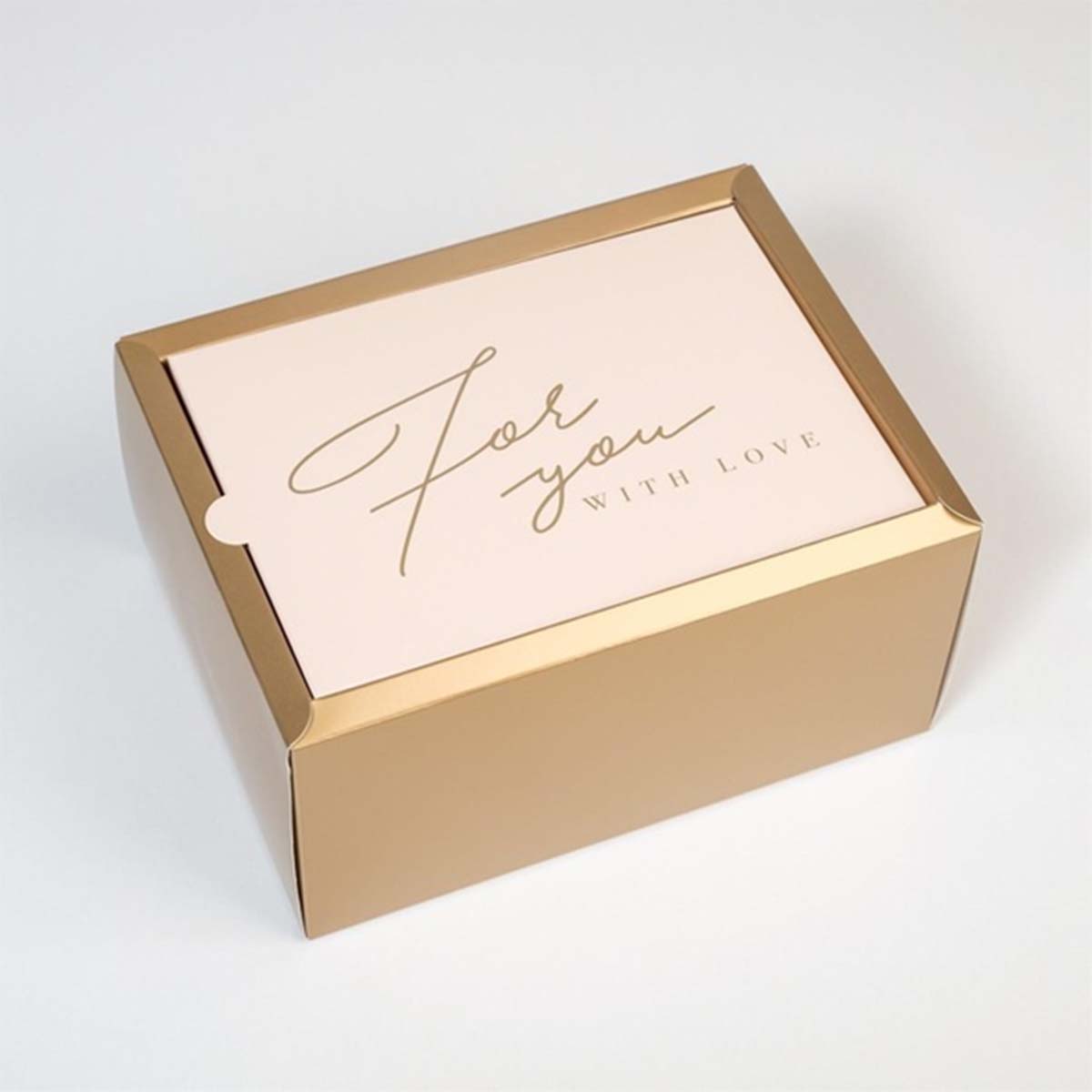
A tuck box is the default carton — the shape most products end up in. What separates a good one from a bad one is not the printing but which of the five closures it uses, and that choice is made on weight and on who assembles it.

Get a price for Tuck Boxes
Send the size and quantity — we reply the same working day with a price, a dieline and a date. Artwork optional at this stage.
- 4styles in this range, each with its own page and price
- 100unit minimum on every style, printed or plain
- 4markets quoted in the delivery currency
- ±1mmcutting tolerance on folding board, checked on a sample
4 styles in this range
Styles we make in this range
Every one below is written up, priced and dielined. Tap a style to see how it is built.
 01See the build →
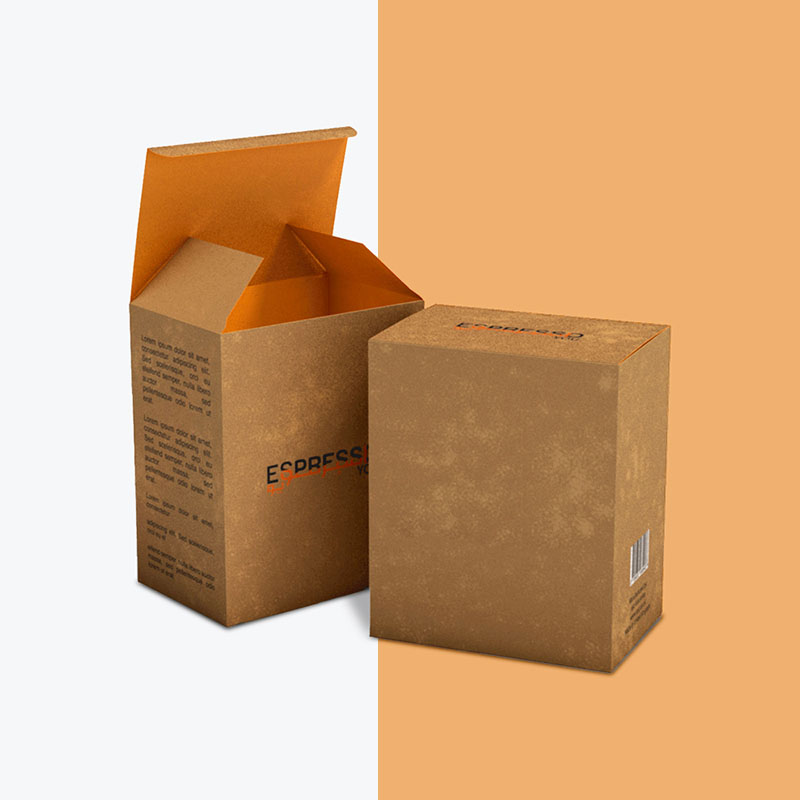
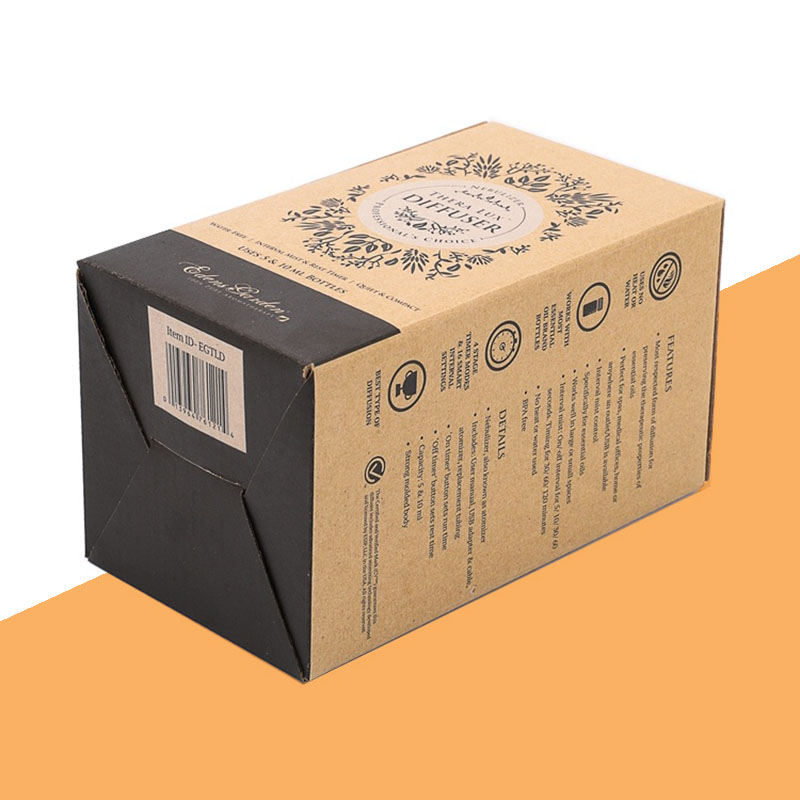
Auto Lock Boxes
The base of a folding carton is normally four flaps and about eight seconds of somebody's time.
 02See the build →
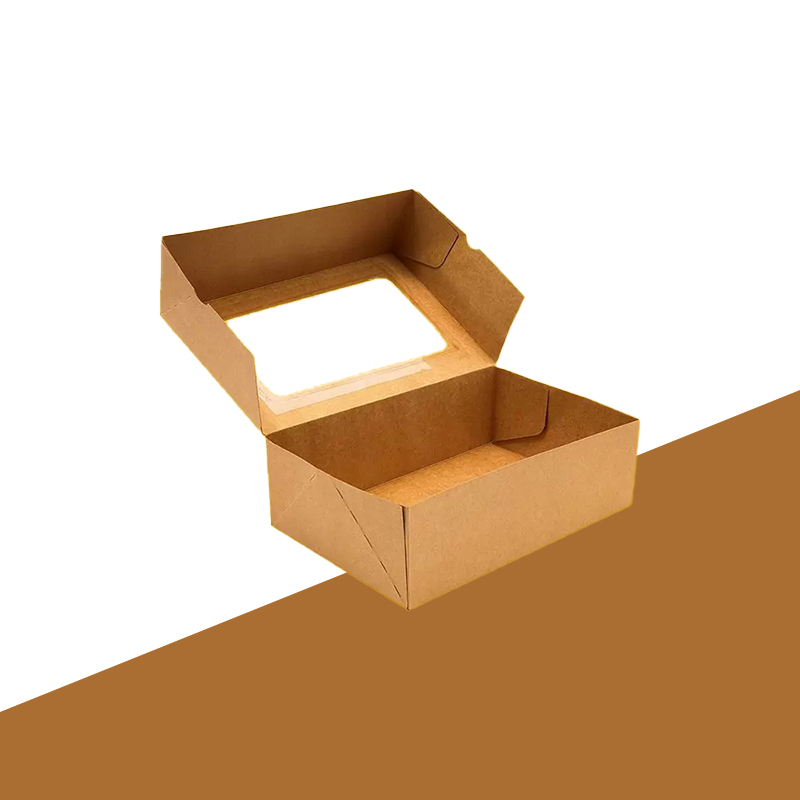
Regular Six Corner Boxes
Custom regular six corner boxes
 03See the build →
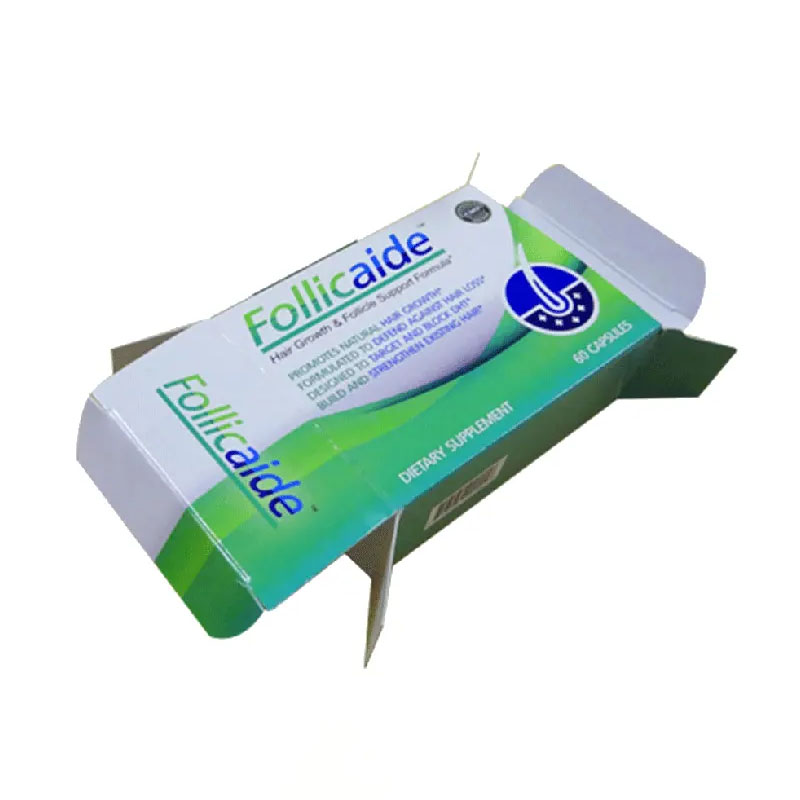
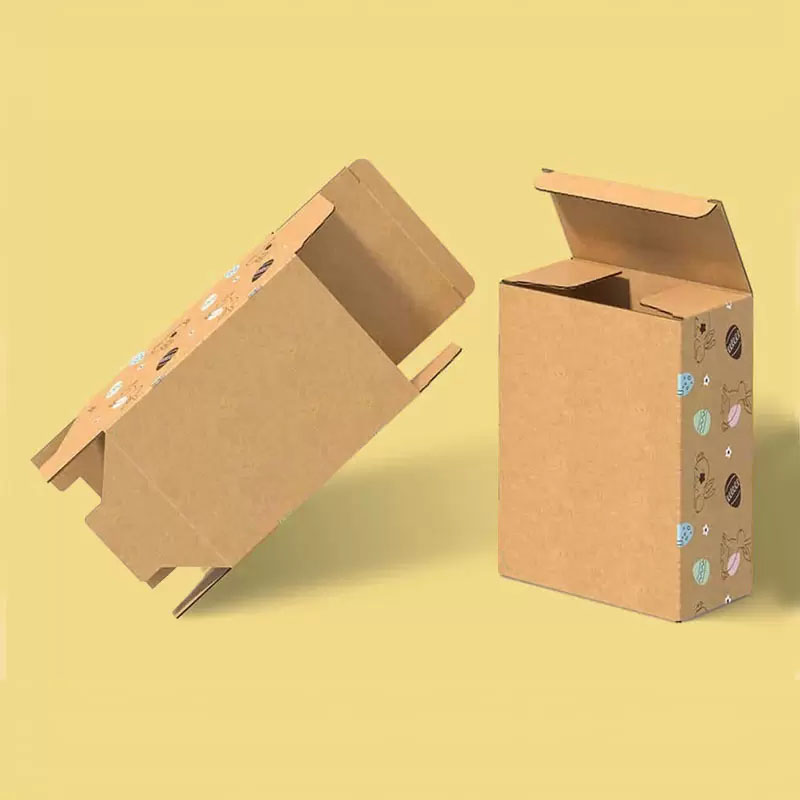
Straight Tuck End Boxes
Custom straight tuck end boxes
 04See the build →
Tuck End Auto Bottom Boxes
Custom tuck end auto bottom boxes
Side by side
Which tuck boxes style fits
| Style | Board | Build | Minimum | |
|---|---|---|---|---|
| Auto Lock Boxes | 16–24pt folding boxboard, kraft or white-lined | Auto lock bottom with a tuck or seal-end top | 100 cartons | Open → |
| Regular Six Corner Boxes | 18–24pt boxboard; E flute; food-grade and grease-resistant grades | Six-corner tray; six-corner lid; sleeve, dome or overwrap options | 100 trays | Open → |
| Straight Tuck End Boxes | 16–24pt folding boxboard, coated or kraft | Straight tuck end; friction, slit or tamper-perforated tuck | 100 boxes | Open → |
| Tuck End Auto Bottom Boxes | 18–24pt folding boxboard, coated or kraft | Tuck top with crash-lock (auto) bottom; 1-2-3 bottom alternative | 100 boxes | Open → |
Straight tuck against reverse tuck
On a straight tuck, both flaps tuck in the same direction, so the front panel is unbroken and both seams sit at the back. It looks cleaner and uses slightly more board.
On a reverse tuck, the flaps tuck in opposite directions. That nests better on the sheet, so it is cheaper, but one seam is visible on the front face. For a product where the front is the whole design, pay for the straight tuck.
If you cannot tell which you have, look at the front panel. A visible flap edge along the top front means reverse tuck.
When the tuck bottom stops being adequate
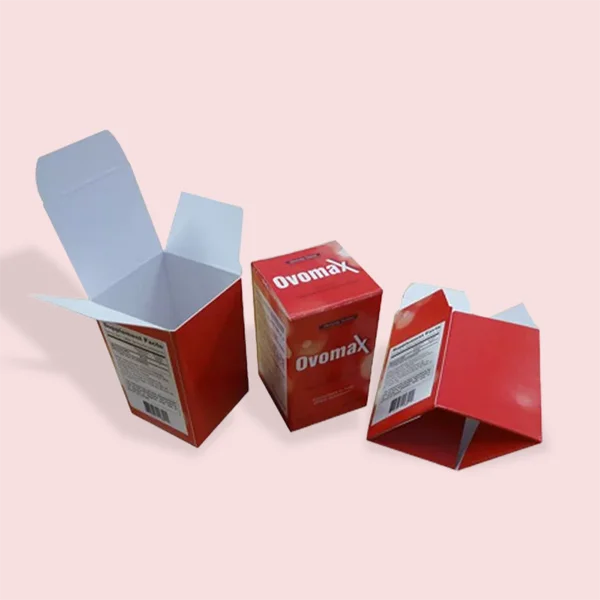
The failure is not dramatic. A tuck bottom under load slowly works its flaps loose, and the product ends up on the floor at the point where the box is lifted — usually by the customer.
| Under 200 g | Plain tuck bottom is fine |
|---|---|
| 200–500 g | Auto-lock or snap-lock bottom |
| 500 g+ | Auto-bottom, and consider a heavier board grade |
| Liquids or glass | Auto-bottom with a base insert, always |
Auto-bottom is about labour, not strength
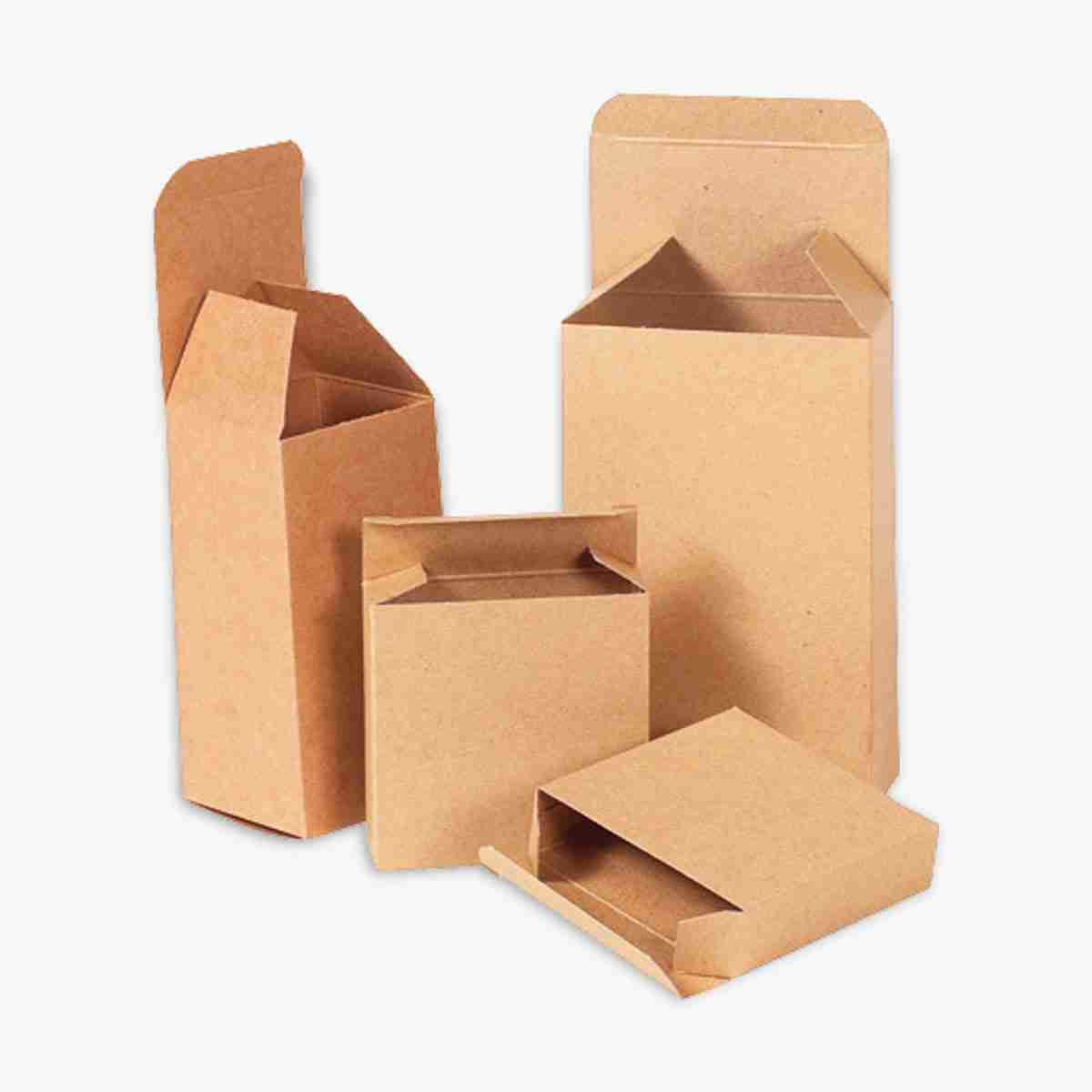
A tuck end auto bottom arrives flat, and one squeeze opens it into a square box with the base already locked. Nobody folds four flaps. On a line packing a thousand units a day that saves real hours.
It costs more per box because of the glue and the extra board in the base. Below a few hundred units the saving in labour will not pay for it; above a few thousand it always does.
Six-corner boxes, and what the extra corners buy
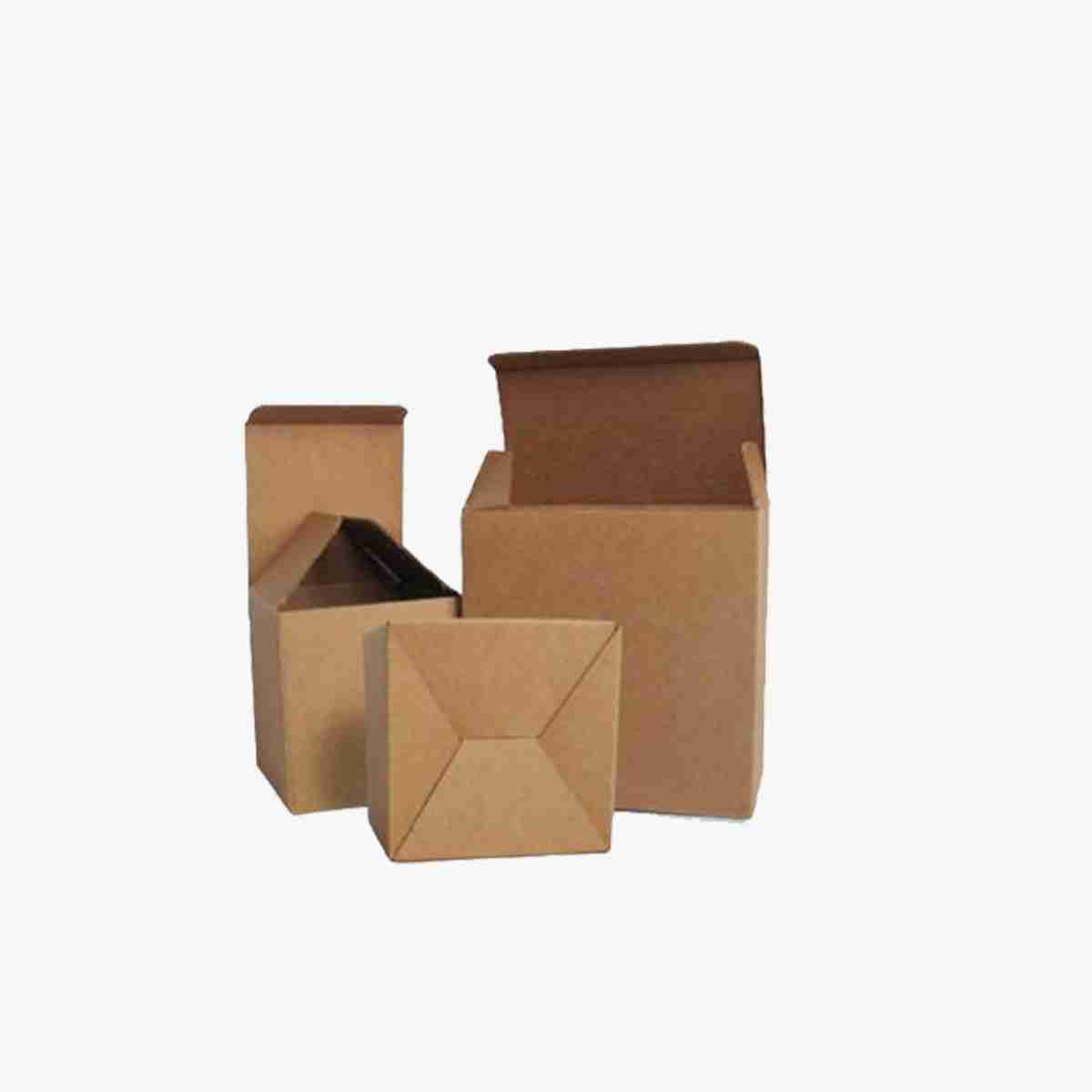
It is the right build for anything shallow and heavy — a set, a hamper, a boxed pair — where a plain tuck box would bow outwards along the long side.
- Deeper side walls that are double-thickness, so the box does not splay under weight.
- A tray shape that stays open, which suits gifting and hampers.
- No glue anywhere, which keeps it a single material.
- A larger flat blank, so it costs more board than a plain tuck of the same volume.
The things that apply whichever closure you pick
Grain direction still decides whether the creases fold cleanly, board weight still has to match the filled load, and the base is still the part that fails. Those hold across every build here, and they are set out in full in our folding carton construction notes.
The one thing specific to tuck boxes is the tuck itself: a flap that is too shallow pops open in a bag, and a slit lock cut into the flap fixes it for nothing.
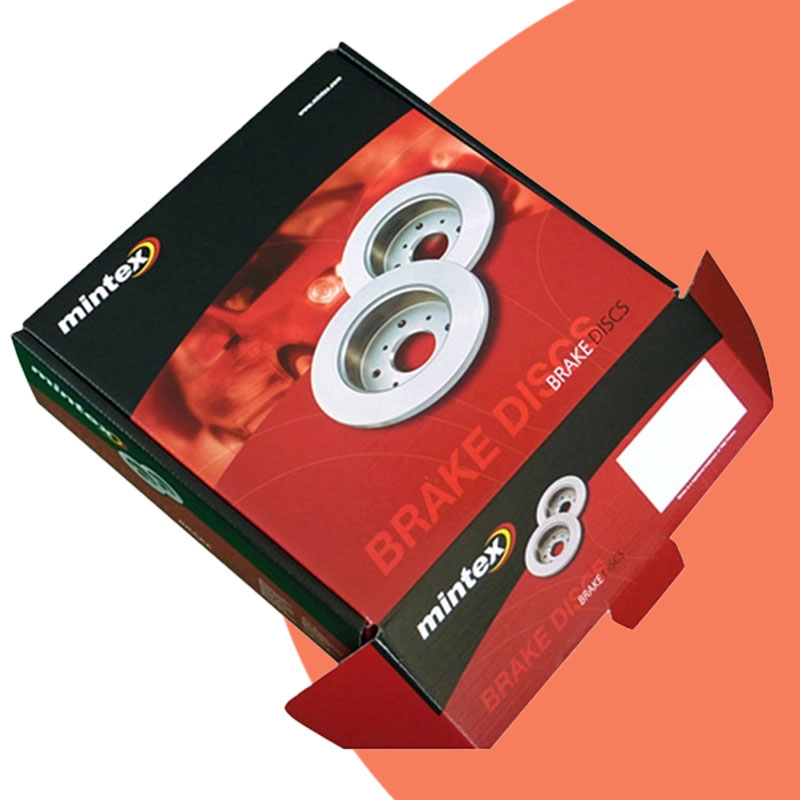
Across the range
What every tuck boxes job runs on
Boards
- Natural kraft
- White SBS
- E and B flute
- Wrapped grayboard
- Food-grade board
- Recycled content
Chosen from what goes in the box and how far it travels. Our notes on recyclable and compostable stocks say which claims each board can carry.
Finishes
- Matte
- Gloss
- Soft-touch
- Foil
- Emboss
- Spot UV
- Kraft
- Textured
Each one is a decision about light on a shelf — the specialty finishes range shows them on real boxes.
Artwork
- Vector PDF or AI, fonts outlined
- 3 mm bleed, 4 mm safe area
- CMYK; a spot color where a match must hold
- Proof on the dieline before press
Files not set up that way are fine — see the guide to preparing print files.
Interactive · five steps · no sign-up
Build your Tuck Boxes in 3D
Pick a shape, type a size, choose a board and a finish. The preview on the left redraws as you go, and the spec lands with us exactly as you set it.
Frequently asked questions
Got a question about tuck boxes? The answers below cover what we get asked most. If yours is not here, send it with a brief, message us on WhatsApp, or call +1 503-461-4788 — we reply the same working day.
Straight or reverse tuck?
Straight if the front panel is the design and you want no visible seam. Reverse if cost matters more than a flap edge across the front.
When do I need an auto bottom?
When you are packing volume by hand, or when the filled weight is beyond what a tuck bottom will hold — roughly 200 g upwards.
Do tuck boxes come assembled?
No, and that keeps them cheap to ship. Auto-bottom builds pop open in one movement.
Why does my box keep popping open?
A shallow tuck flap. A slit lock cut into the flap holds it shut and costs nothing on the same die.
What is the minimum order?
100 cartons, any closure.
What is a six-corner box for?
Anything shallow and heavy — a set, a hamper, a boxed pair — where a plain tuck box would bow outwards along the long side.
Straight or reverse tuck?
Straight if the front panel is the design and you want no visible seam. Reverse if cost matters more than a flap edge across the front.
When do I need an auto bottom?
When you are packing volume by hand, or when the filled weight is beyond what a tuck bottom will hold — roughly 200 g upwards.
Do tuck boxes come assembled?
No, and that keeps them cheap to ship. Auto-bottom builds pop open in one movement; plain tuck builds need the flaps folded.
Why does my box keep popping open?
A shallow tuck flap. A slit lock cut into the flap holds it shut and costs nothing on the same die.
Keep browsing