Custom Paper Tubes
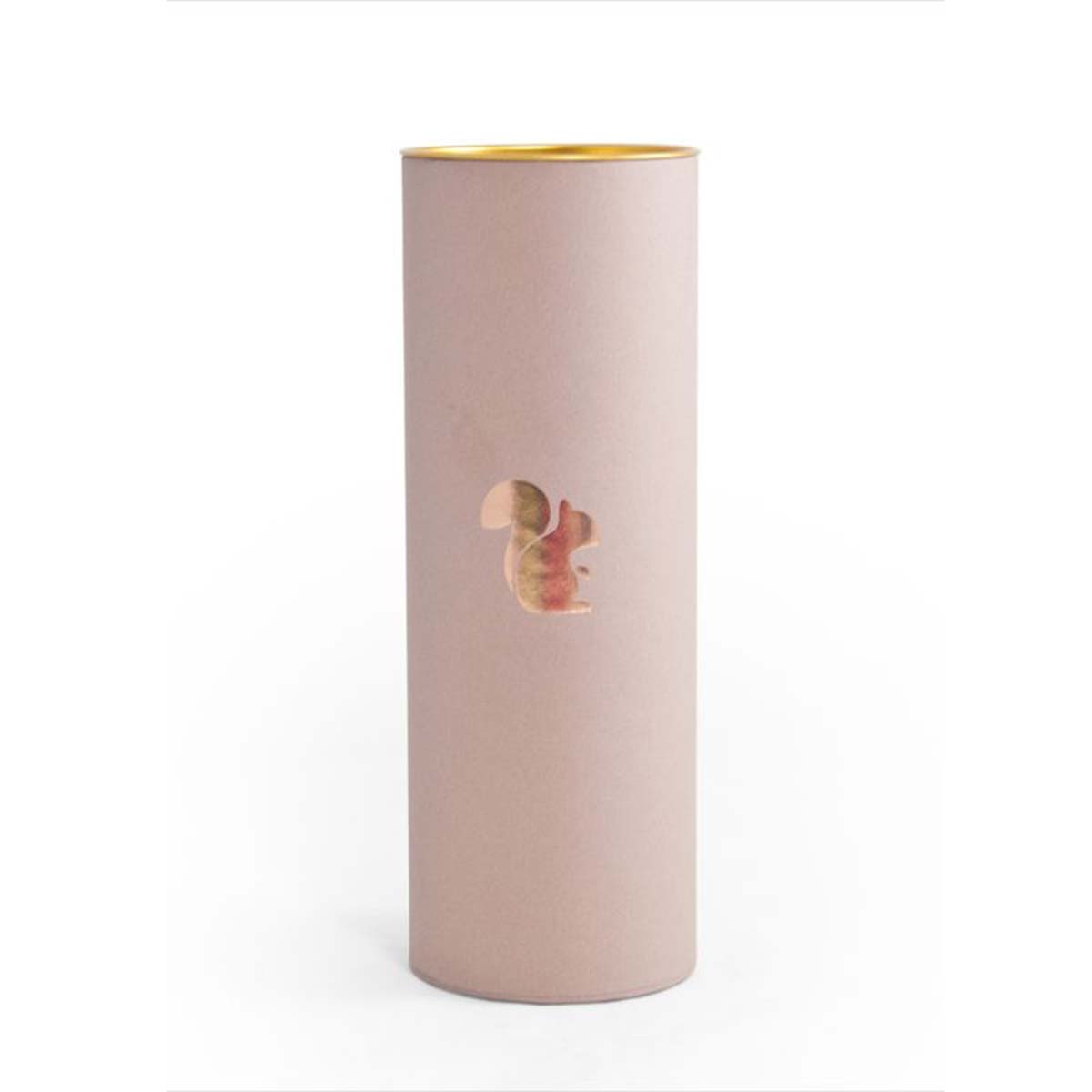
Round packaging has no folds, no glued seam under stress and no corner to crush. That is why it survives handling that flattens a carton, and why it costs more to fill.
Get a price for Paper Tubes
Send the size and quantity — we reply the same working day with a price, a dieline and a date. Artwork optional at this stage.
- 4styles in this range, each with its own page and price
- 100unit minimum on every style, printed or plain
- 4markets quoted in the delivery currency
- ±1mmcutting tolerance on folding board, checked on a sample
4 styles in this range
Styles we make in this range
Every one below is written up, priced and dielined. Tap a style to see how it is built.
 01See the build →
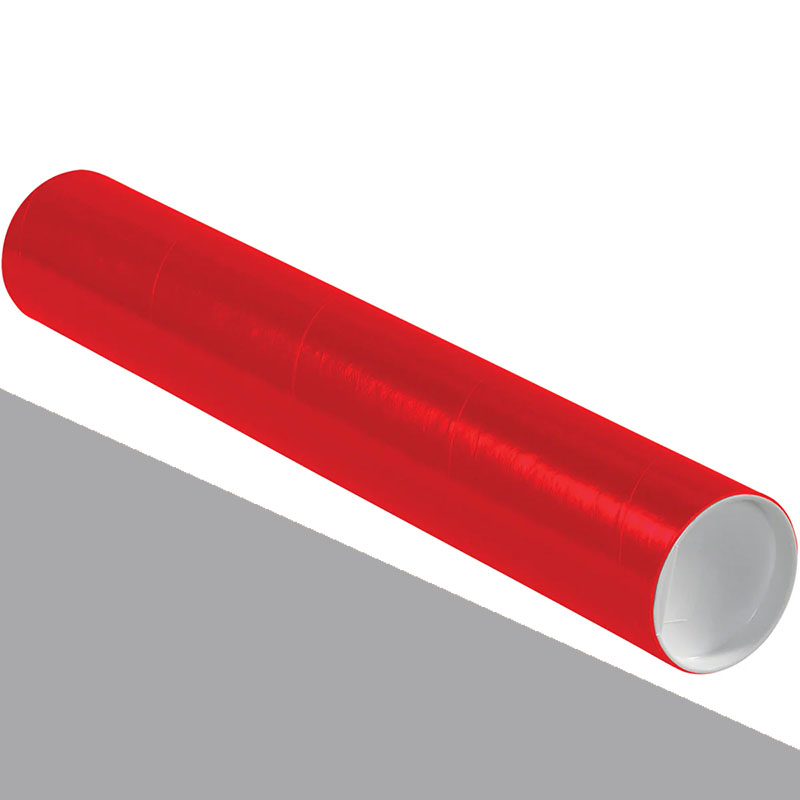
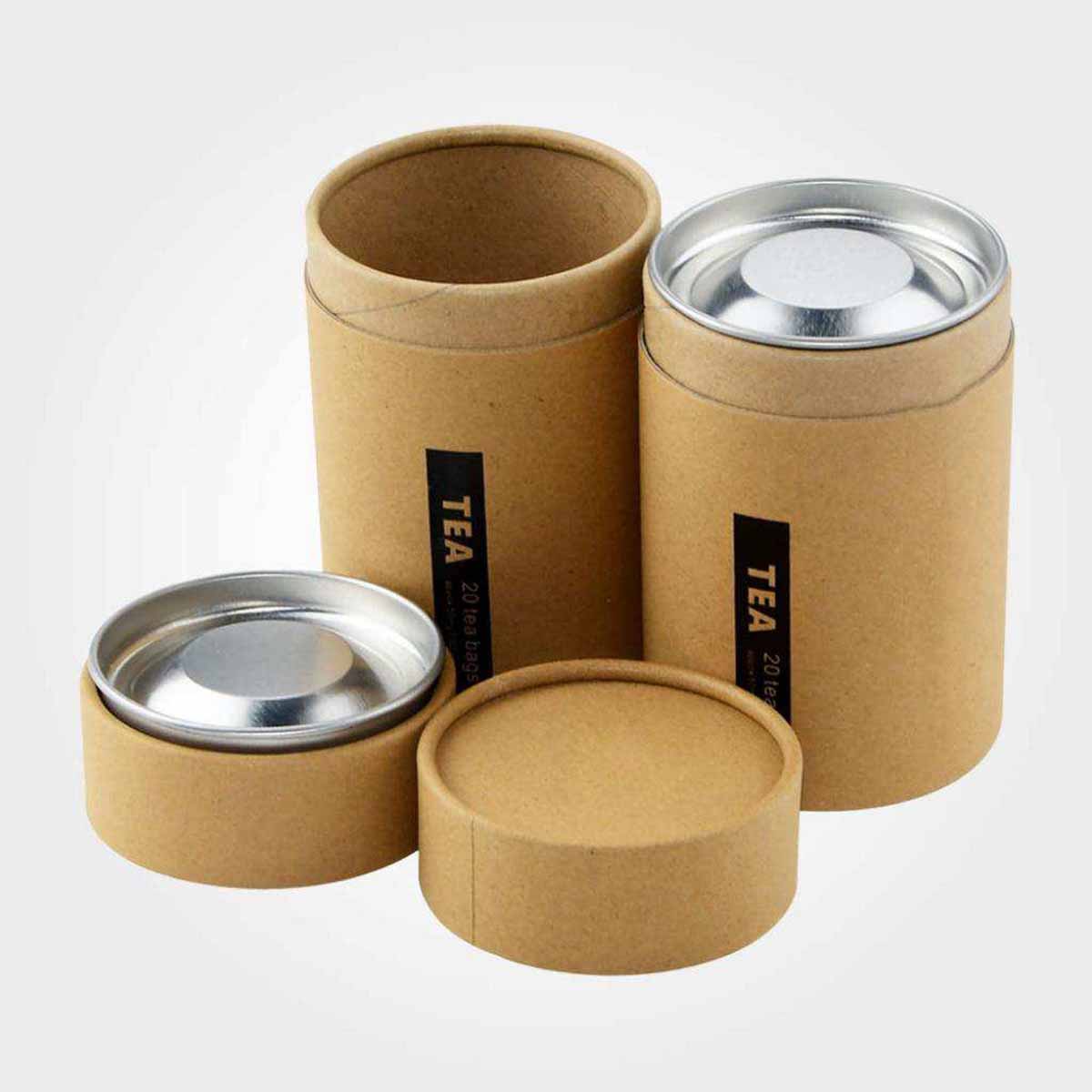
3x36 Mailing Tubes
Custom 3 × 36 inch mailing tubes for posters and rolled prints, wound in a heavy wall with ends that stay…
 02See the build →
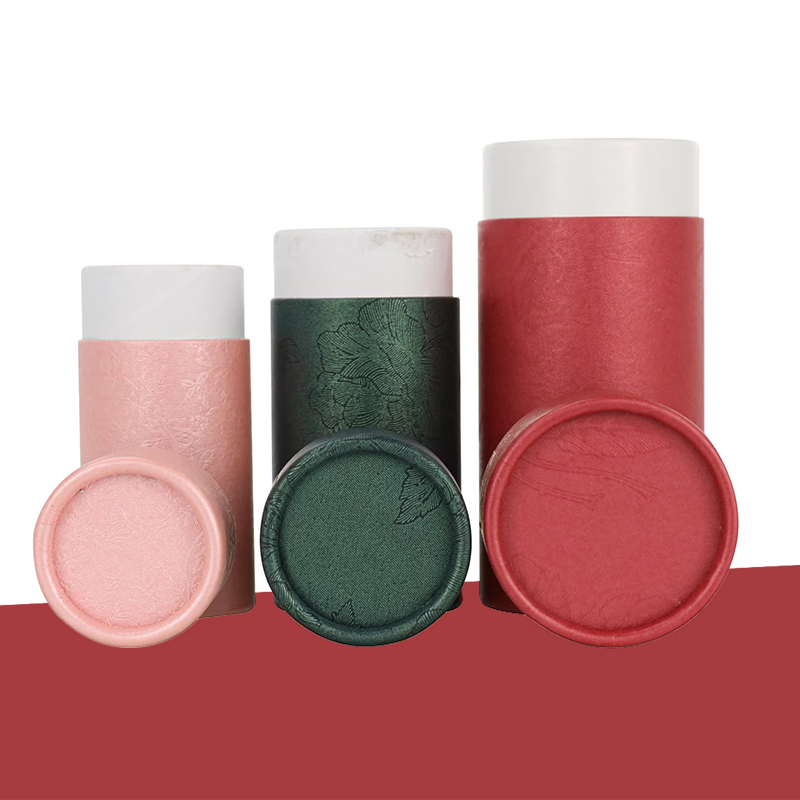
Kraft Paper Tubes
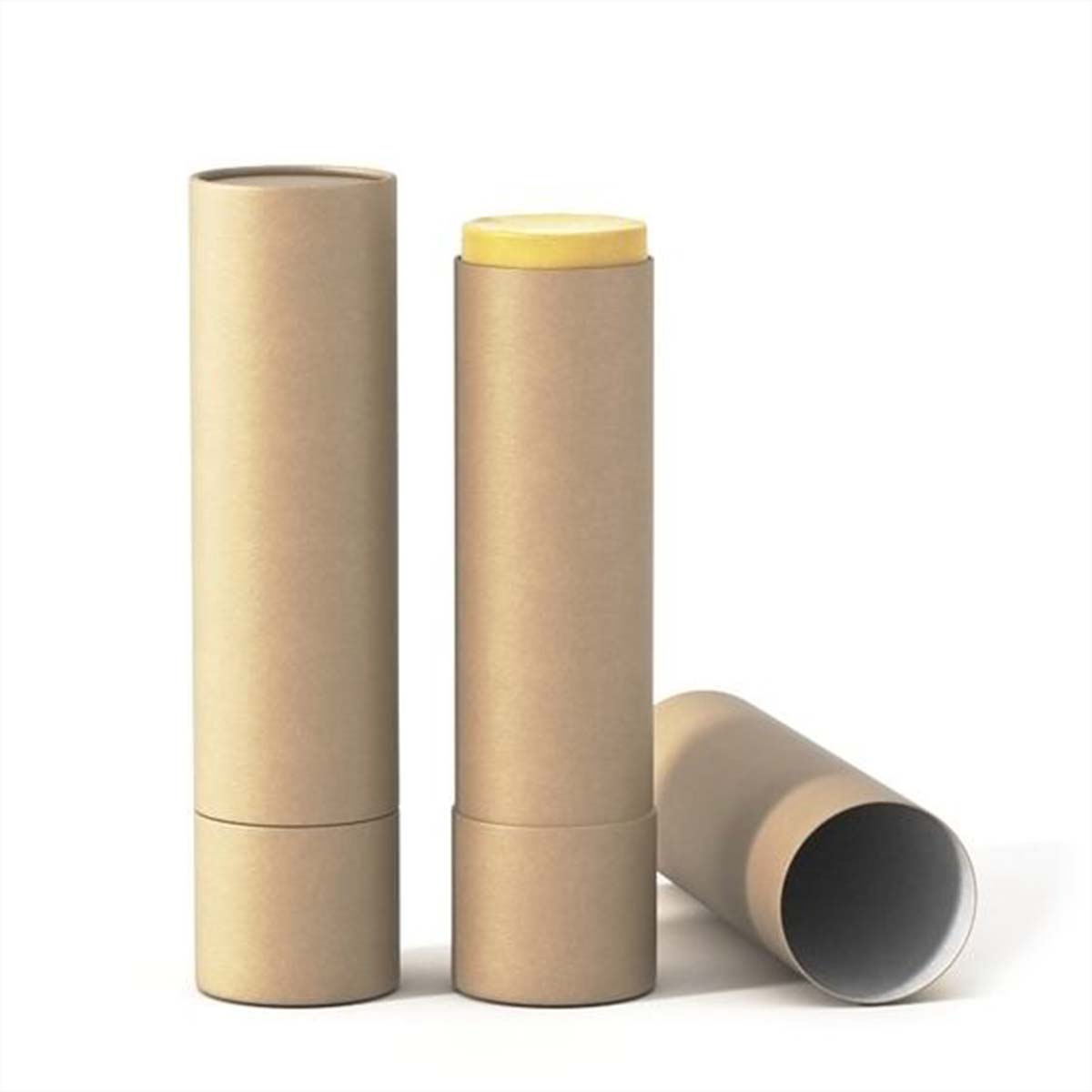
Custom kraft paper tubes wound to your diameter and cut to your length, with caps that fit, from 100.
 03See the build →
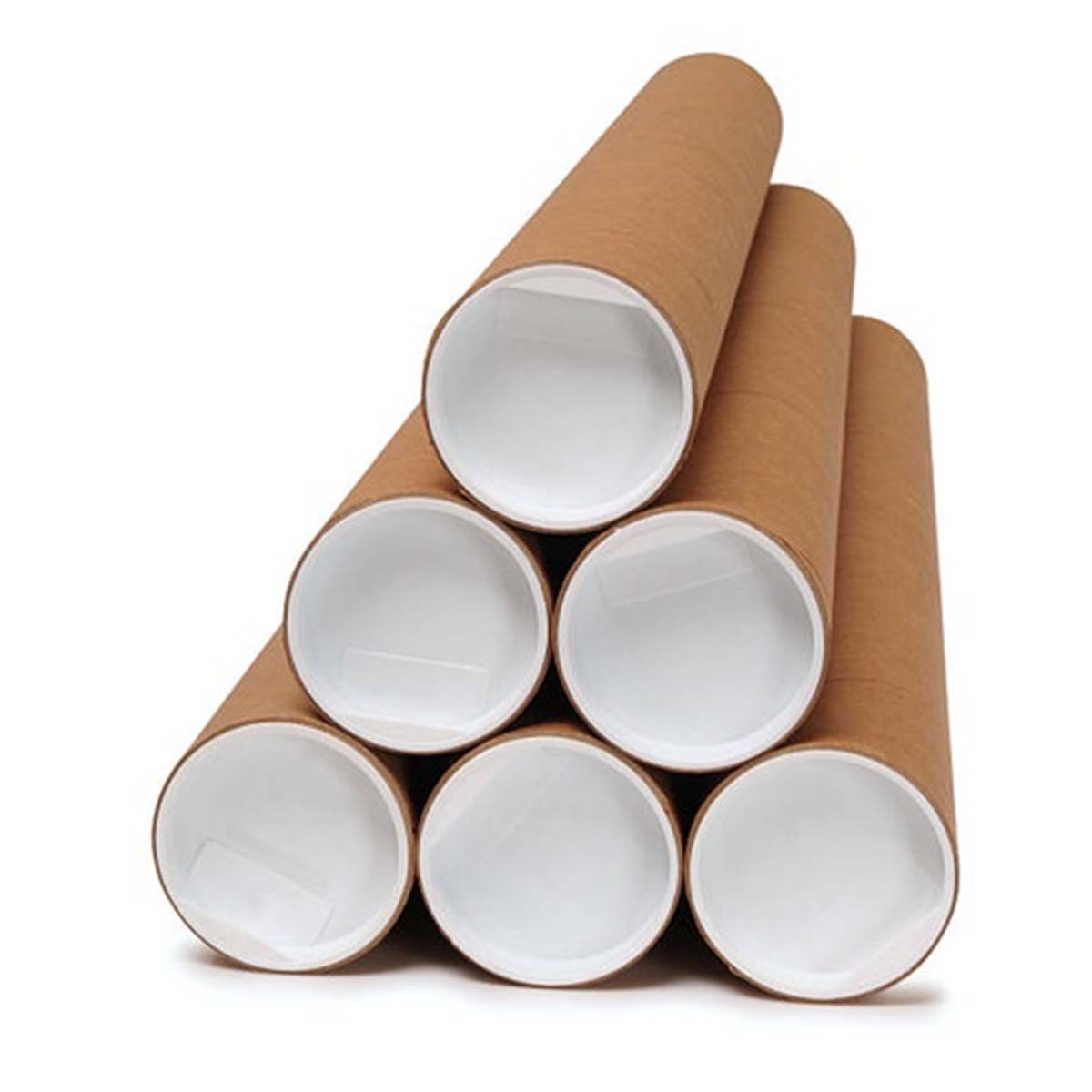
Paper Tube with Lids
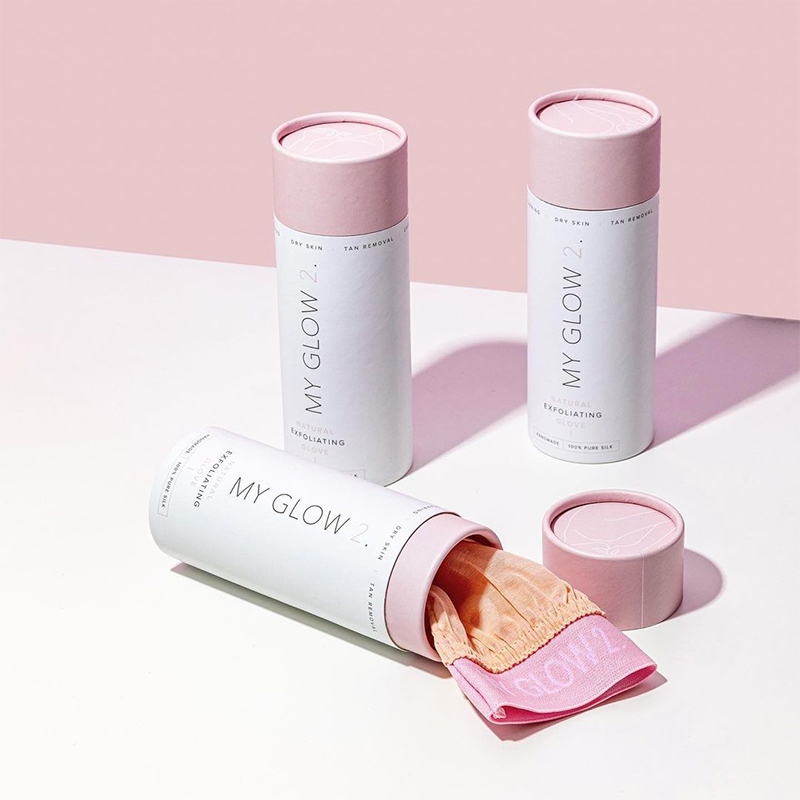
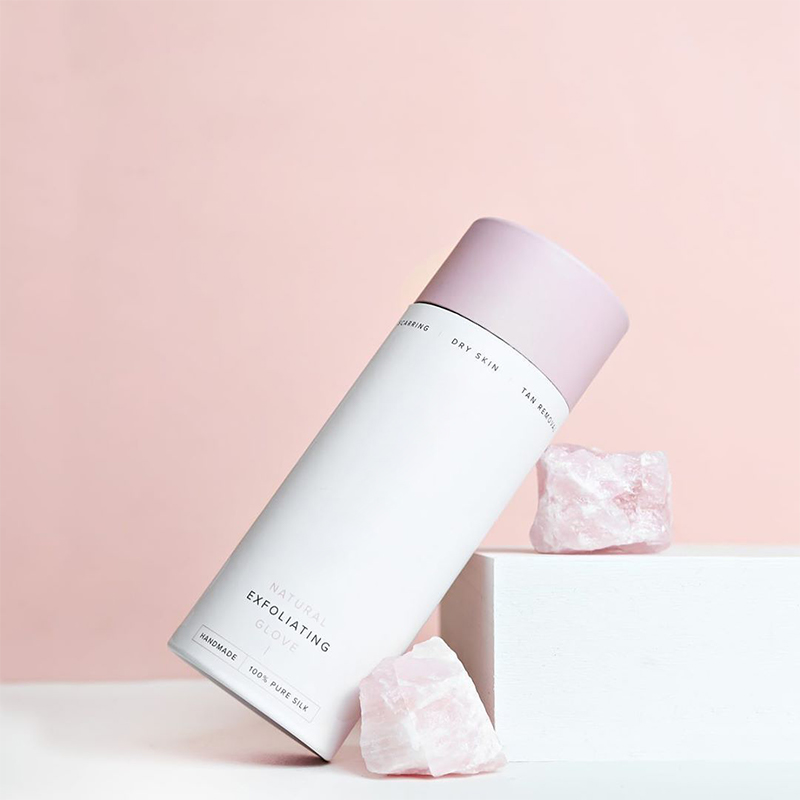
Custom paper tubes with a lid that lifts off cleanly
 04See the build →
Shipping Tubes
Custom shipping tubes wound to the bore and cut to the length your product needs, from 100.
Side by side
Which paper tubes style fits
| Style | Board | Build | Minimum | |
|---|---|---|---|---|
| 3x36 Mailing Tubes | Spiral-wound kraft, 2–3 mm wall | 3 in bore × 36 in length; plastic plug, crimped metal or paper ends | 100 tubes | Open → |
| Kraft Paper Tubes | Spiral-wound kraft chipboard, 1–3 mm wall | Push-in cap, telescoping lid, metal ends, plastic plug; push-up tubes | 100 tubes | Open → |
| Paper Tube with Lids | Spiral-wound chipboard, 1.5–3 mm wall; lid to match | Telescoping lid, shoulder lid, hinged lid; metal or wooden lid options | 100 tubes | Open → |
| Shipping Tubes | Spiral-wound kraft, 1.5–4 mm wall; corrugated for square and triangular | Round wound tube; square and triangular folded tube | 100 tubes | Open → |
Wound, not folded
A paper tube is made by winding paper strips around a mandrel at an angle, layer on layer, until the wall is thick enough. The spiral is what gives it strength — there is no single seam to fail, and crush resistance comes from wall thickness rather than from board grade.
The visible spiral seam on kraft tubes is not a defect. On printed tubes it is hidden under a wrapped label; on unprinted ones it is part of the look.
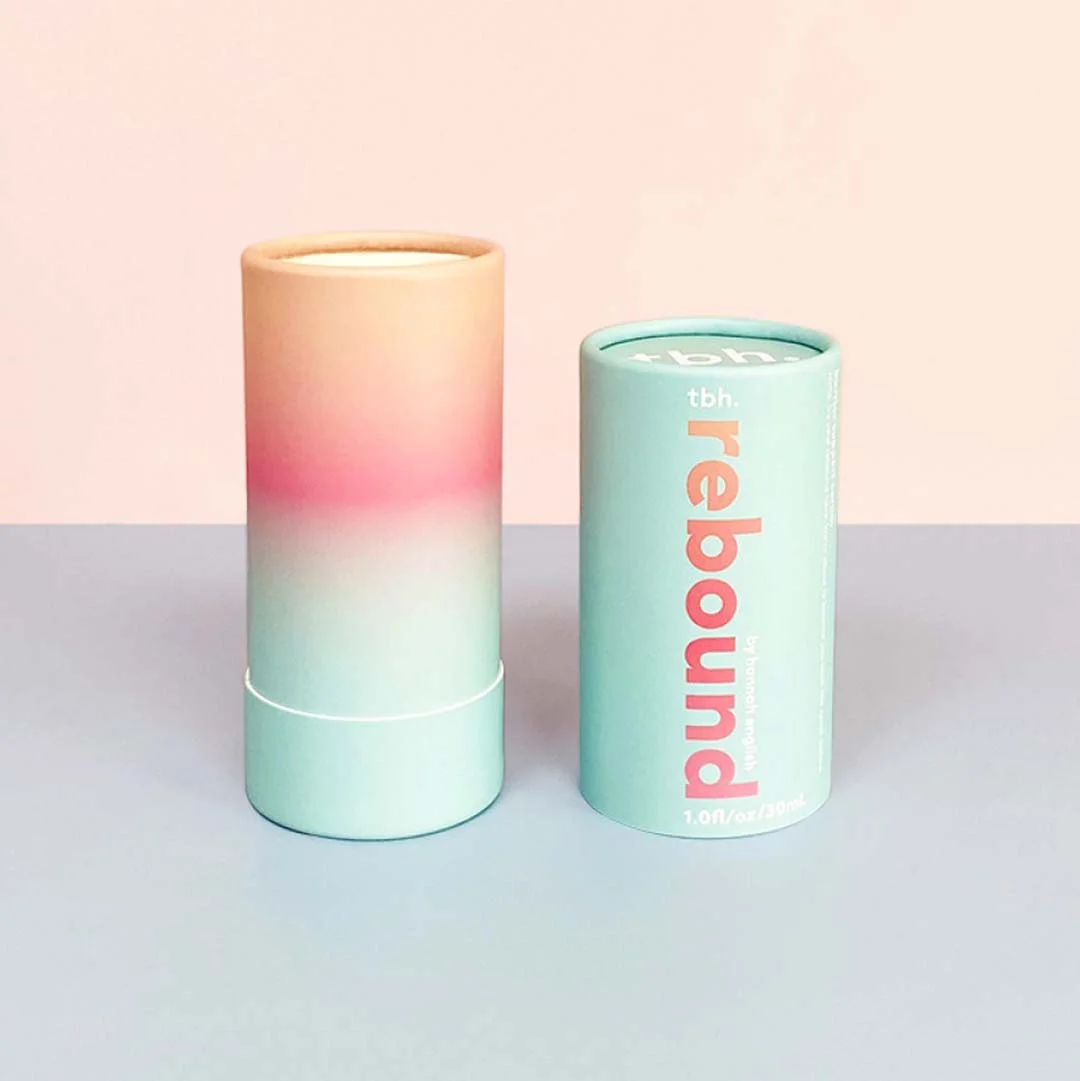
The ends decide the use
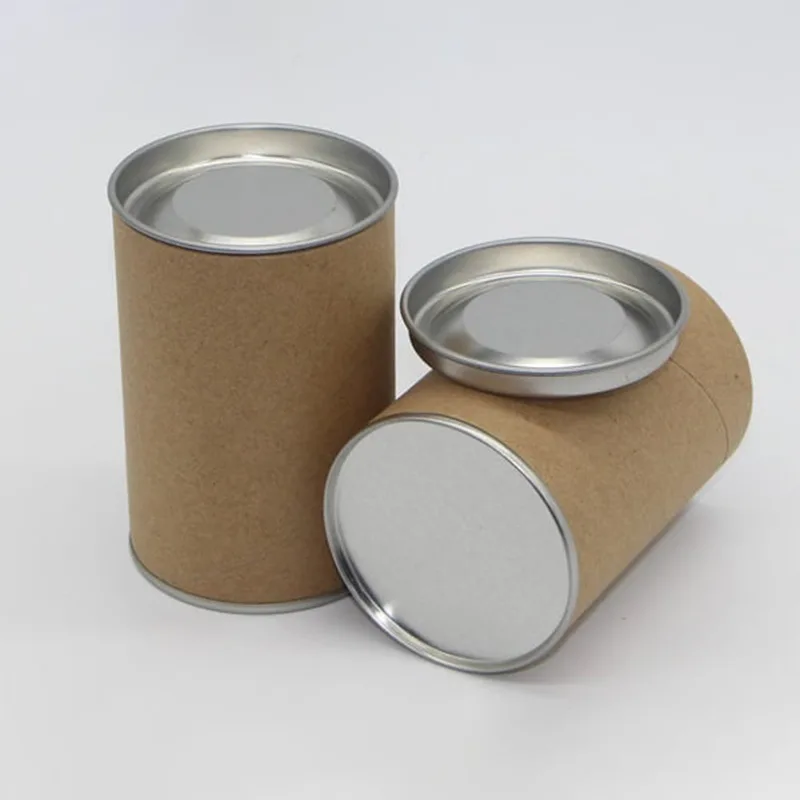
Metal ends look and feel the most expensive and are the least practical for a product the customer returns to. Match the end to how often the pack is opened, not to how it photographs.
| Metal ends | Crimped, airtight-ish, premium feel. Not resealable once opened. |
|---|---|
| Paper plug | Push-fit, resealable, cheapest, least protective |
| Push-up base | For balms and deodorants — a screw base raises the product |
| Screw cap | Fully resealable, for anything used over weeks |
Food, cosmetics and what has to line it
Bare kraft is fine for dry, non-greasy contents. Anything oily, moist or edible needs a liner — a foil or PE inner layer wound in during manufacture, or a separate inner bag.
For balms and solid cosmetics the liner is not optional: the product itself is oil, and it will migrate into an unlined wall within weeks in the same way described in our notes on fragrance migration.
A lined tube is still recyclable in most streams if the liner is paper or a thin coating. A foil liner is not.
Print, or wrap a label
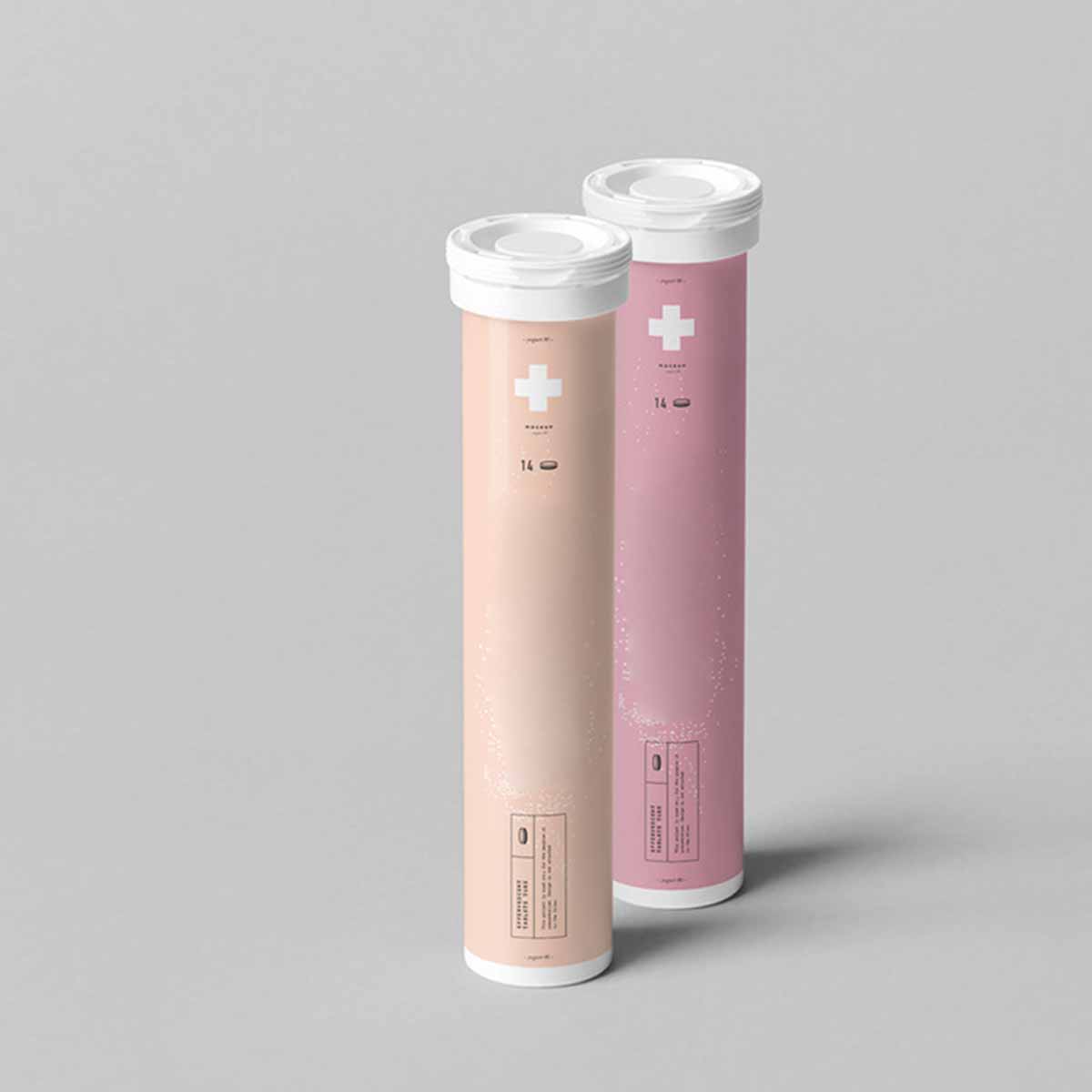
Tubes can be printed directly or wrapped in a printed label. Direct print gives a seamless result and needs volume; a wrapped label costs less, allows short runs and many variants from one tube, and leaves a visible edge.
Most brands starting out use plain kraft tubes with a wrapped label, then move to printed tubes once a single design settles. That order round is almost always the cheaper one.
Across the range
What every paper tubes job runs on
Boards
- Natural kraft
- White SBS
- E and B flute
- Wrapped grayboard
- Food-grade board
- Recycled content
Chosen from what goes in the box and how far it travels. Our notes on recyclable and compostable stocks say which claims each board can carry.
Finishes
- Matte
- Gloss
- Soft-touch
- Foil
- Emboss
- Spot UV
- Kraft
- Textured
Each one is a decision about light on a shelf — the specialty finishes range shows them on real boxes.
Artwork
- Vector PDF or AI, fonts outlined
- 3 mm bleed, 4 mm safe area
- CMYK; a spot color where a match must hold
- Proof on the dieline before press
Files not set up that way are fine — see the guide to preparing print files.
Interactive · five steps · no sign-up
Spec your Paper Tubes
Pick a shape, type a size, choose a wall and wrap and a finish. The preview on the left redraws as you go, and the spec lands with us exactly as you set it.
Frequently asked questions
Got a question about paper tubes? The answers below cover what we get asked most. If yours is not here, send it with a brief, message us on WhatsApp, or call +1 503-461-4788 — we reply the same working day.
What is the minimum order?
100 tubes, any diameter.
Why does a tube have no weak corner?
Because it has no corners. A wound tube takes impact evenly around its circumference, which is why it outperforms a box for anything cylindrical.
Which end style should I choose?
Plug for a snug reusable fit, cap for a lift-off gift feel, crimped for a sealed single-use tube.
Can I print directly on the tube?
Yes, or wrap a printed label. Direct print gives a continuous surface; a wrapped label needs the seam placed deliberately.
Are tubes suitable for posting?
Very — a tube resists crushing better than a box of the same board. Posters and prints ship in tubes for that reason.
Can a tube be lined for food?
Yes, with a food-grade liner. Coffee, tea and biscuits all ship in lined tubes.
Are paper tubes airtight?
Not fully. Metal ends get close but a tube is not a barrier pack. For anything needing a real oxygen barrier, use a lined pouch inside the tube.
Can tubes hold balms and oils?
With a liner, yes. Unlined kraft absorbs oil and stains through within weeks.
Printed tube or printed label?
Label for short runs and multiple variants; direct print once one design settles and volume justifies it.
What diameters can you make?
From about 30 mm upward in most standard steps. Non-standard diameters need new tooling, so we will steer you to the nearest stock mandrel unless there is a reason not to.
Keep browsing