Custom Push Up Tubes
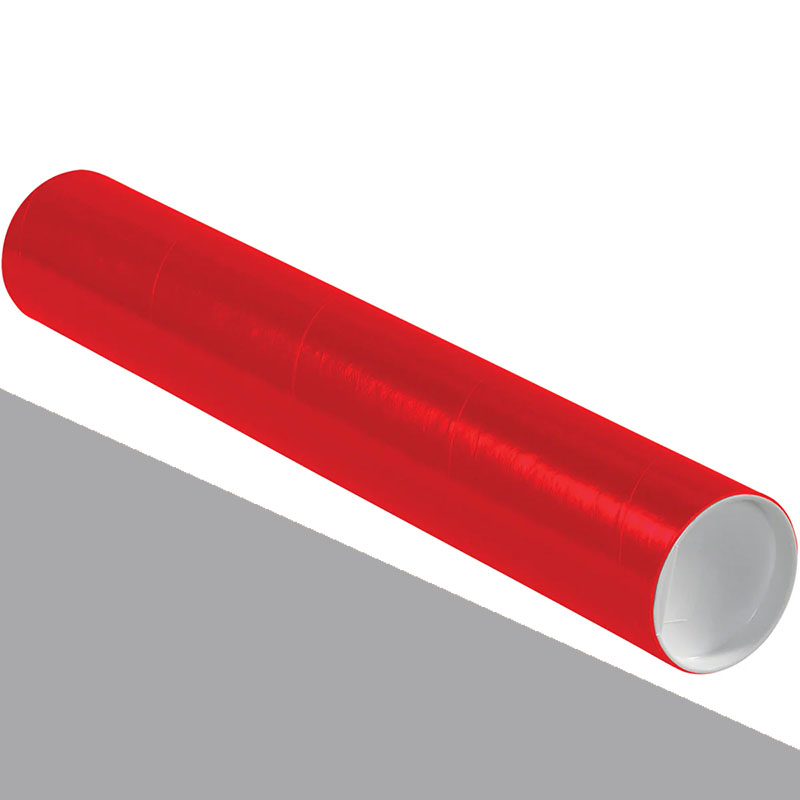
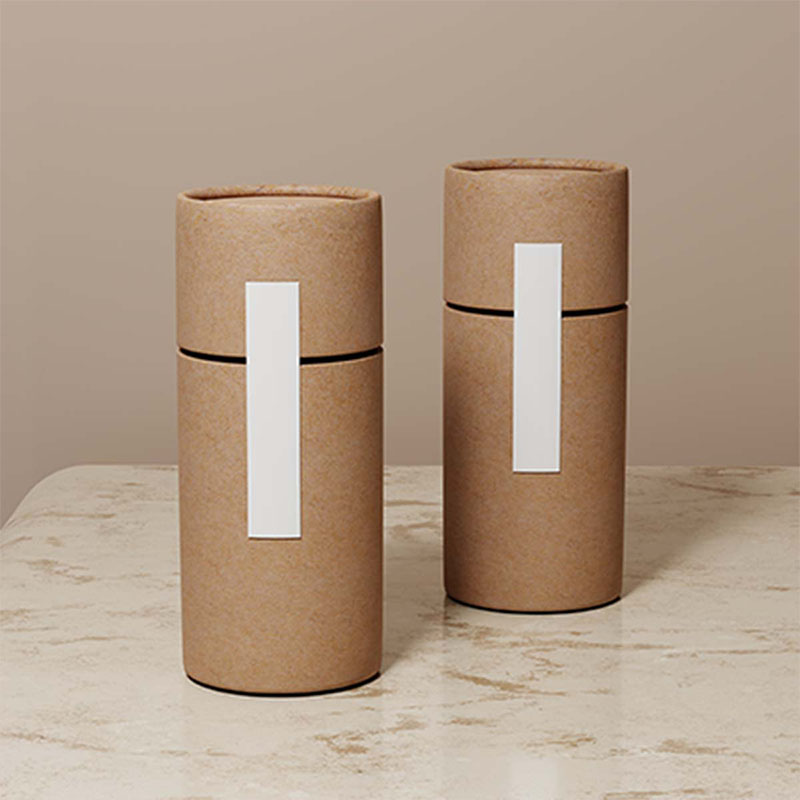
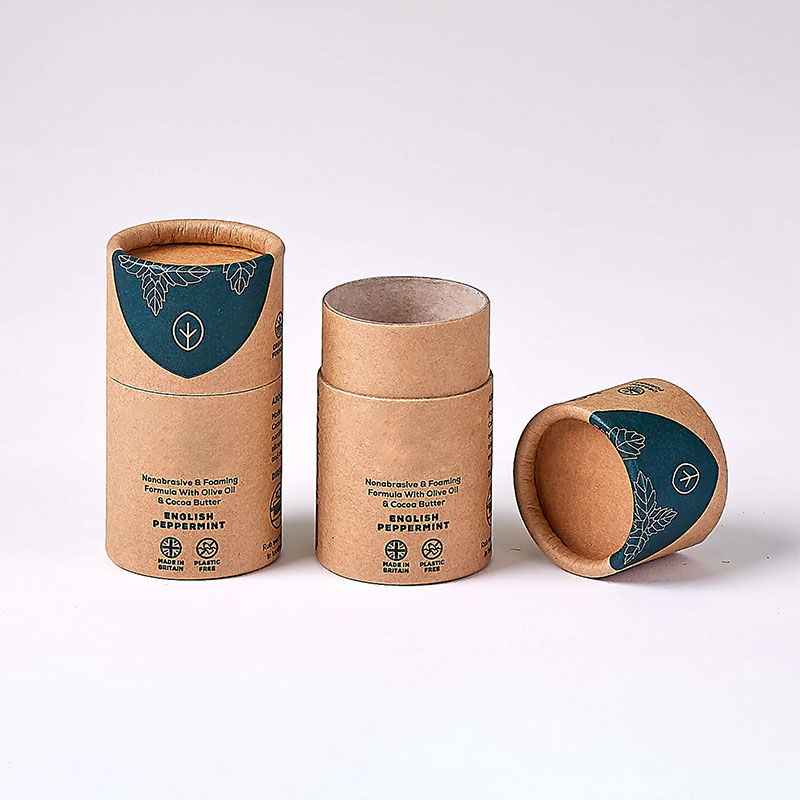
Custom paperboard push up tubes from 100 — for lip balm, solid deodorant, lotion bars, solid perfume and salves. A liner that takes a hot pour and holds oils, a push base that moves under a thumb, a printed wrap and a cap that stays on in a pocket.
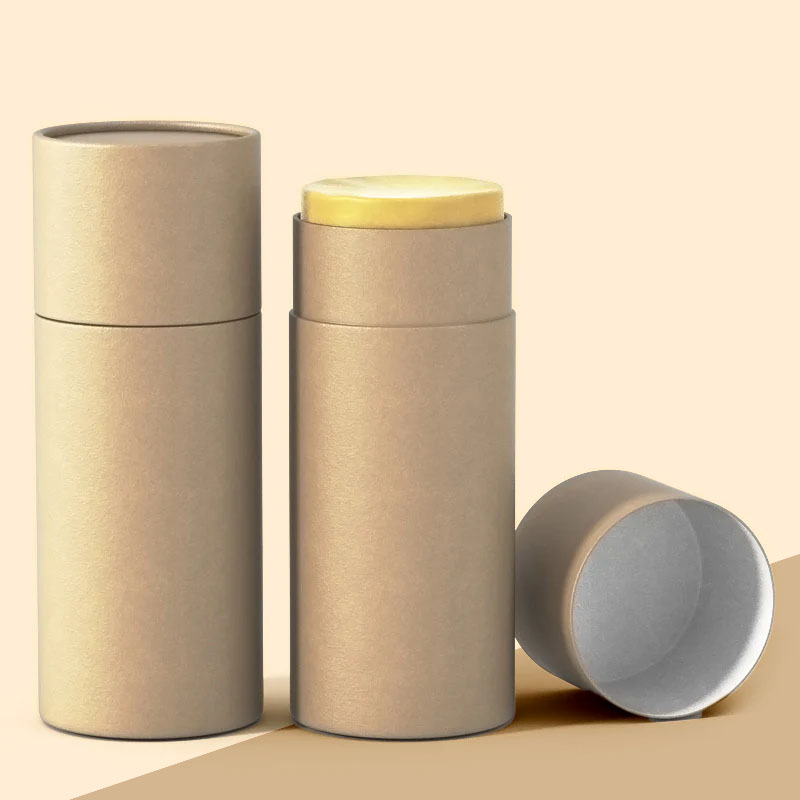
A stick product in a tube with no plastic in it
- Board
- Spiral or convolute paperboard tube; kraft or white outer wrap
- Liner
- Grease-resistant inner ply, chosen for your pour temperature
- Platform
- Paperboard push disc or inner tube, fit set to the formula
Get a price for Push Up Tubes
Send the size and quantity — we reply the same working day with a price, a dieline and a date. Artwork optional at this stage.
- Free dielineThe flat drawing comes with the quote, before you commit.
- Proof before pressNothing is printed until you have seen it laid on the dieline.
- Die kept for reordersTooling is paid once. Every reorder skips straight to press.
- Quoted in four marketsUS, UK, Canada and Australia, in the delivery currency.


Common sizes by product
These are common starting points. The tube is drawn from your fill weight and the diameter you want in the hand, so the exact size comes from your formula, not from a stock list.
| Lip balm | About 0.3 oz; roughly 5/8 in (16 mm) across |
|---|---|
| Solid perfume, salves, spot sticks | About 0.5 oz; about 3/4 in (19 mm) across |
| Lotion bars and massage bars | About 1–2 oz; 1–1.5 in across |
| Deodorant | About 2–3 oz; around 1.75–2 in across |
The liner, and your pour temperature
Balms and deodorants are poured hot and are full of oils and butters. Unlined board would wick oil into the wrap and stain the print. The inner ply is a grease-resistant paper, and the choice depends on the pour temperature and how oily the formula is.
Tell us the pour temperature and the main oils. A trial fill of blank tubes before printing is the reliable test, and we supply them for that.
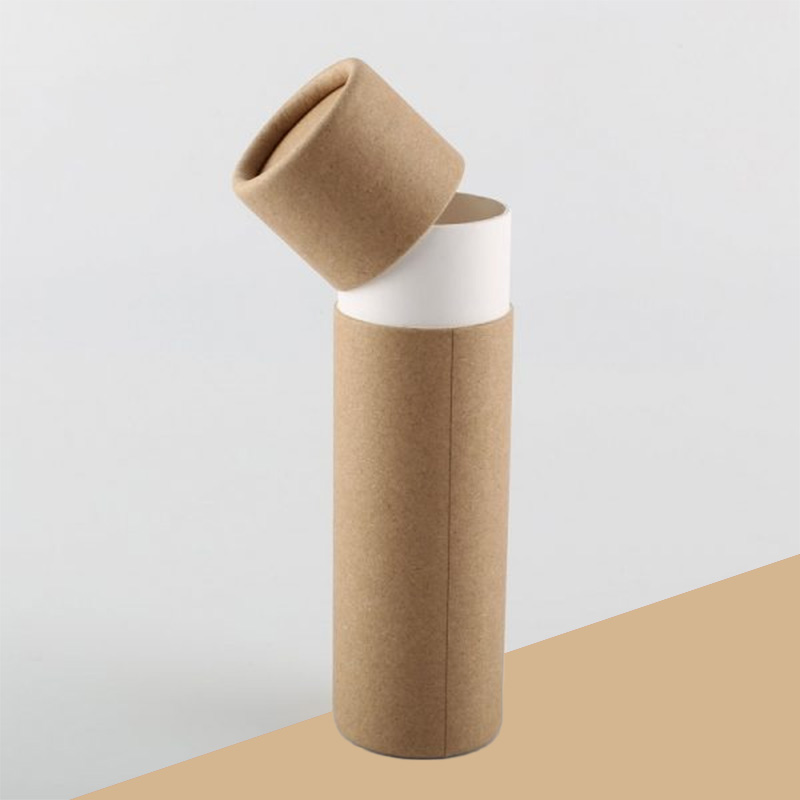
The push platform
- A paperboard disc or a short inner tube forms the base the product sets on.
- Its fit is set so a thumb moves it, but the product does not sink when capped.
- Softer formulas need a slightly tighter fit than firm deodorant bars.
- Pour a small layer first and let it set, to seal the platform edge.
Caps, and the pocket test
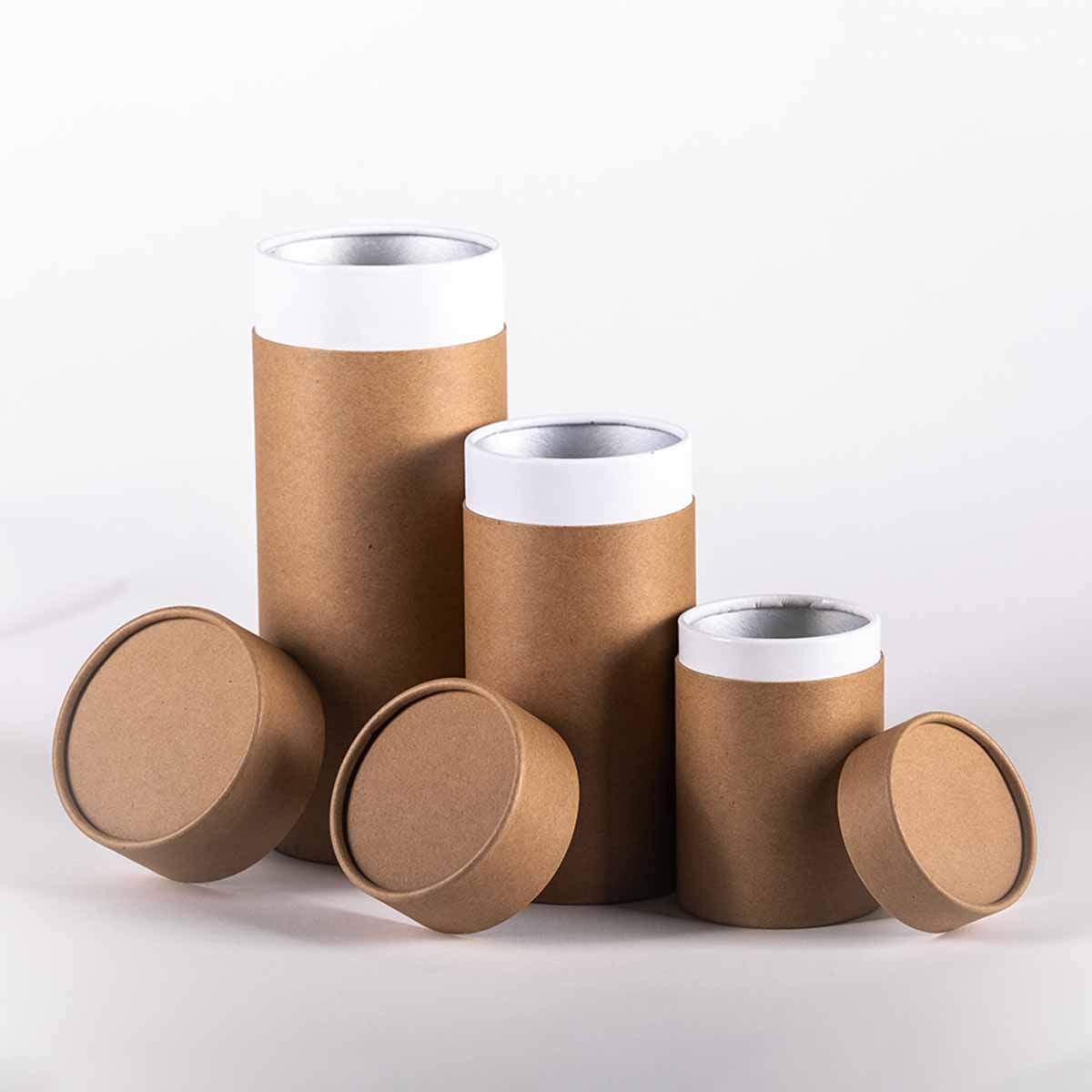
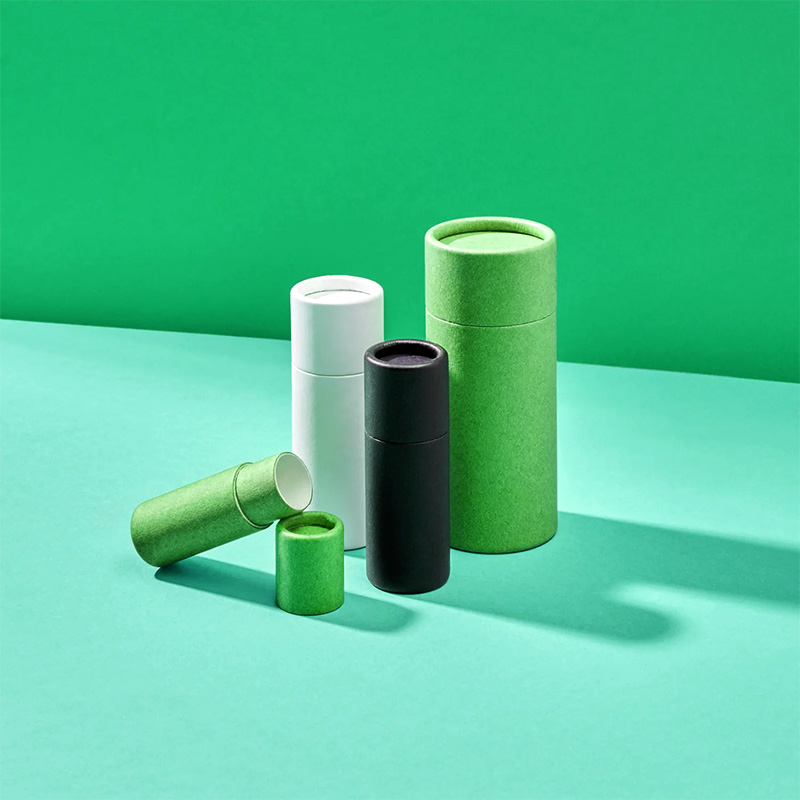
A lip balm lives in a pocket and a bag. The cap is a telescoping paper lid that friction-fits over the tube, and its fit is what stops it coming off in a pocket. We set the friction on the sample and adjust it once you have handled a few. The same principles appear on larger paper tubes with telescoping lids for gift and retail packs.
Printing a wrap this small
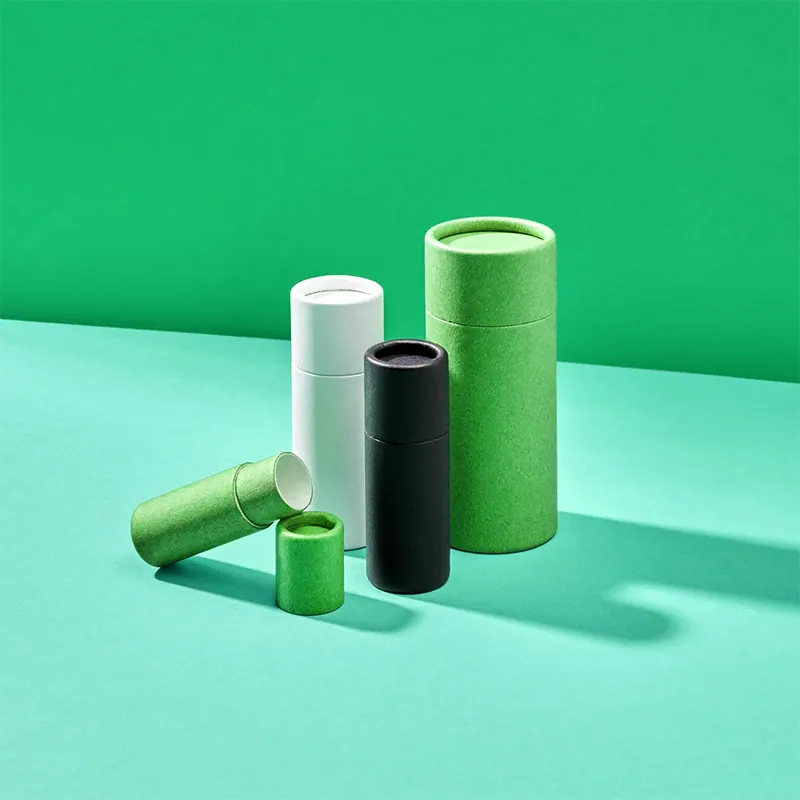
A lip balm tube has a label area not much bigger than a postage stamp once it wraps around, and the ingredients list has to fit on it. Keep the front to a logo and a product name, and run the ingredients and the net weight around the back. Kraft wraps suit natural brands and hide handling; a white wrap takes full color and a foil logo cleanly.
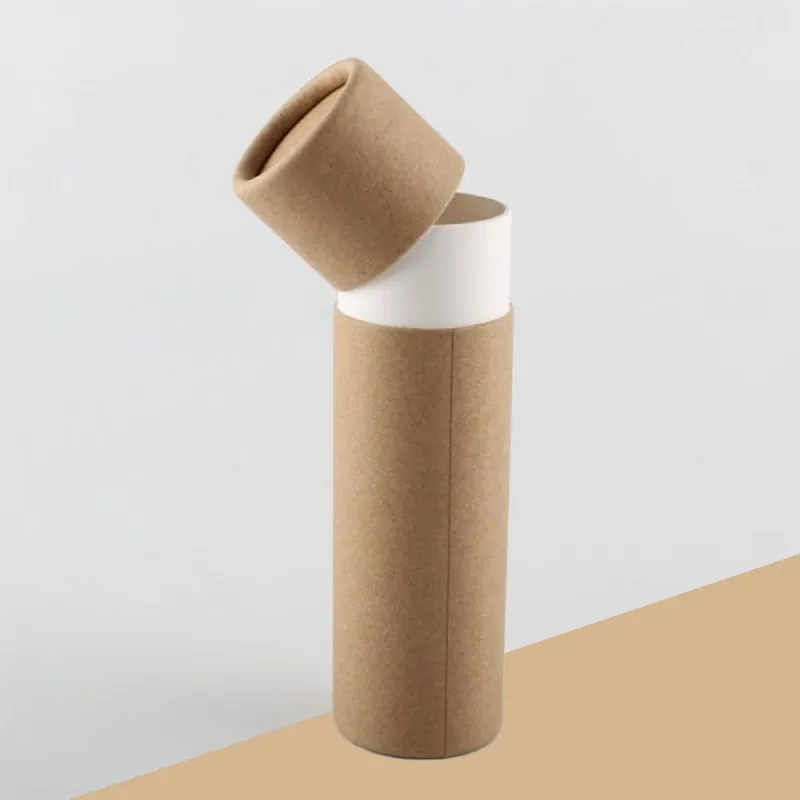
Push Up Tubes — specification
The rows that are specific to this build first, then what applies to every job we run. Anything not listed is a question, not a limit — send the brief.
This build
- Board
- Spiral or convolute paperboard tube; kraft or white outer wrap
- Liner
- Grease-resistant inner ply, chosen for your pour temperature
- Platform
- Paperboard push disc or inner tube, fit set to the formula
- Cap
- Friction-fit telescoping paper cap
- Sizes
- Lip balm, 0.5 oz, 1–2 oz, deodorant 2–3 oz; custom
- Full color, 1–2 color on kraft, foil, labeled blank
- Minimum
- 100 tubes
On every job
- Print process
- The tube itself is not printed. A wrap is printed offset as a flat sheet and applied, with the seam at the back.
- Color
- CMYK and spot colors on the wrap. Bare kraft takes one color directly, printed on the outer ply as the tube winds.
- Tolerance
- Diameter is fixed by the mandrel; length plus or minus 1 mm. Cap fit is set on a sample with a humidity allowance.
- Tooling
- The mandrel sets the diameter and is not a cost. Tooling is the wrap print and any foil die, made once and kept.
- Food contact
- A food-grade inner ply or a separate inner bag where the tube holds loose tea, coffee or confectionery.
- Sustainability
- The wound board and the paper wrap recycle as paper. Metal ends and plastic plugs are removed first.
- Artwork
- Vector PDF or AI, 3 mm bleed, 4 mm safe area, fonts outlined. We check every file and send a proof before press.
- Dieline
- Supplied free with the quote, before you commit. Yours whether or not you order.
- Sample
- A plain unprinted sample at the finished size on request, for fit and construction.
- Reorders
- Skip the tooling and go straight to press at a lower unit price.
- Lead time
- Quoted with the price against your fill date rather than promised before we have seen the spec.
- Markets
- United States, United Kingdom, Canada, Australia — priced in the delivery currency, freight included.
Boards and films we build push up tubes on
A tube is wound rather than folded, so the wall is built up in layers of board on a mandrel. That gives it drum stiffness, and it means the internal diameter comes from a fixed set of mandrels.
Wound kraft chipboard
Strips of recycled board spiralled and glued. The tube body: strong in compression, recyclable as paper, and naturally brown.
1–3 mm wallLight wall, 1–1.5 mm
For retail tubes that travel inside a shipper — tea, cosmetics, candles. Keeps the tube light and the freight down.
1–1.5 mmHeavy wall, 2–3 mm
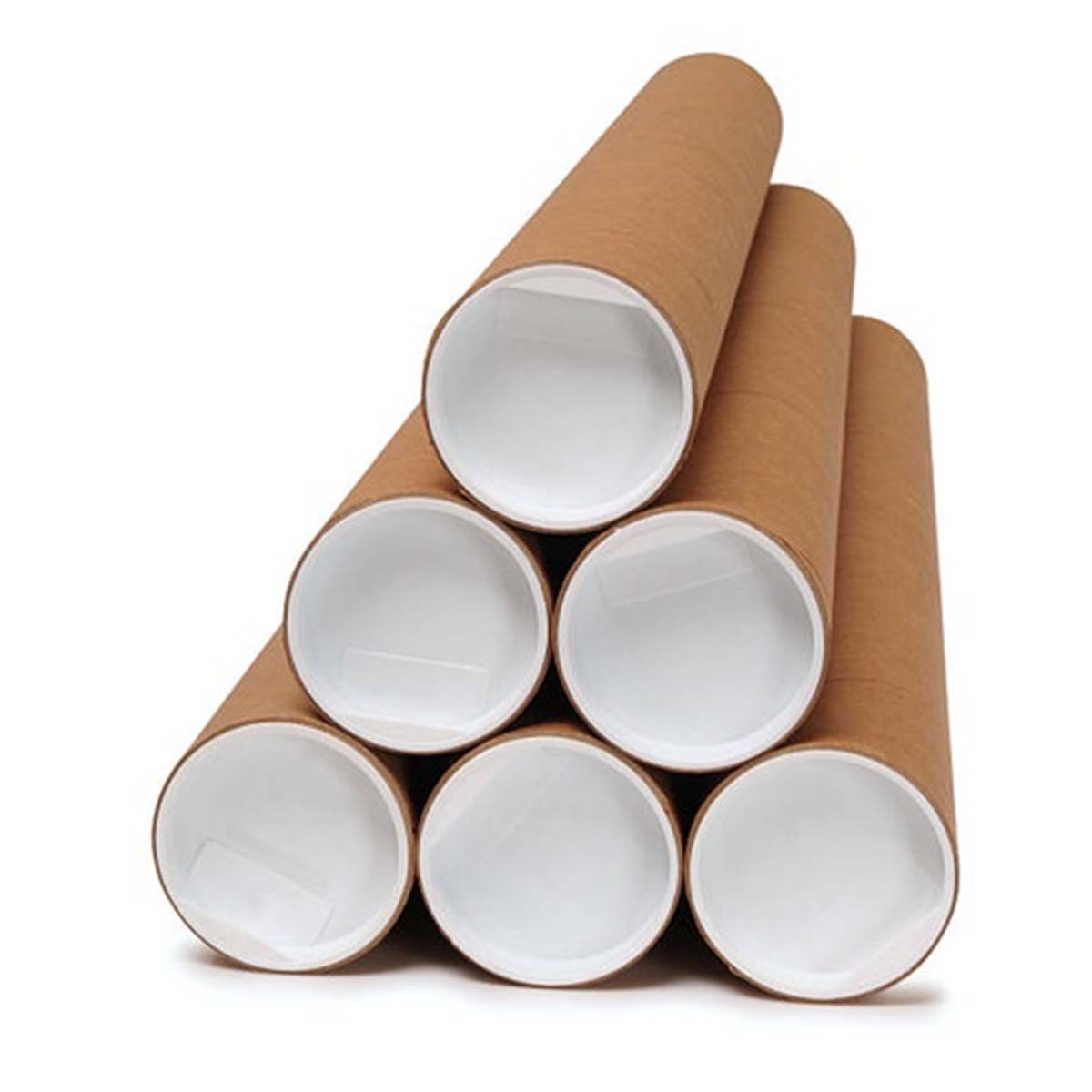
For tubes posted on their own: posters, plans, spirits. A thin-walled long tube arrives with a kink in the middle.
2–3 mmPrinted paper wrap
The tube is not printed directly. A printed label is wrapped around it in full color, with foil or emboss, and the seam sits at the back.
120–157gsmTinplate ends
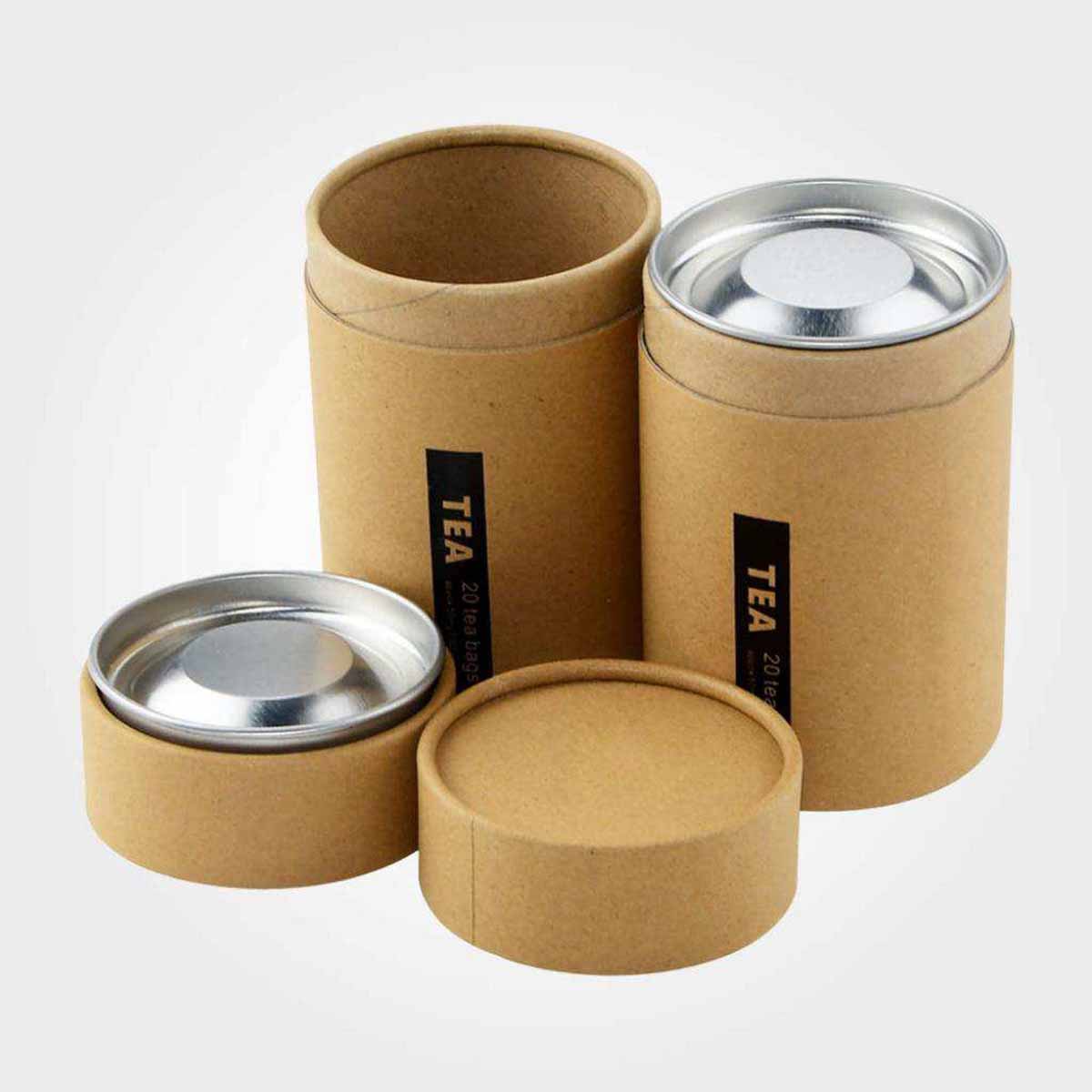
Crimped metal base and lid. The traditional tea and gift tube; adds weight and a different sound when it opens.
CrimpedPlastic plugs
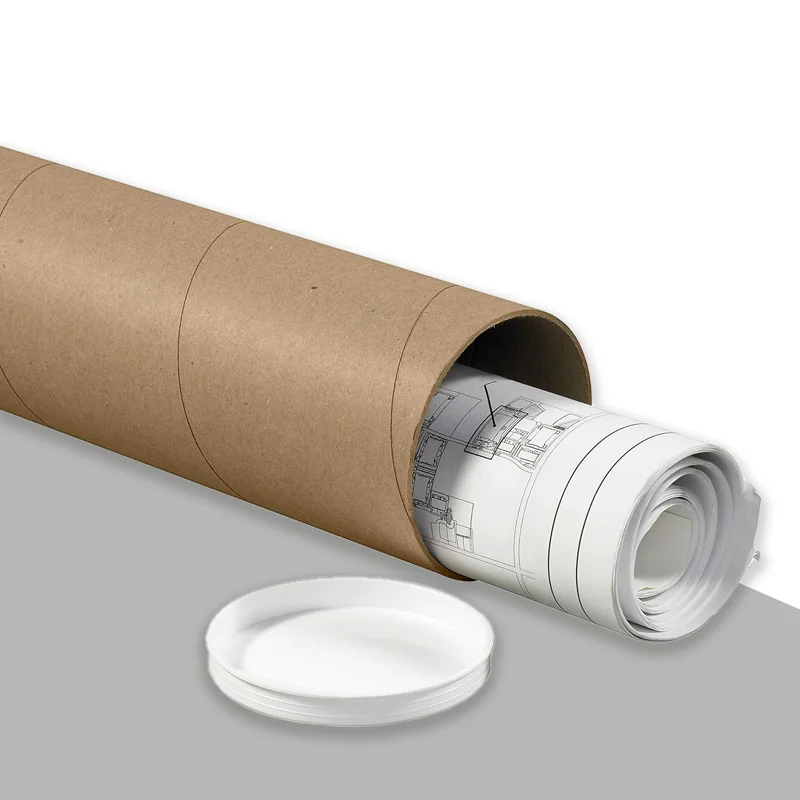
Snap-in ends for shipping and poster tubes. Reusable, removable, and the fit is what stops them pushing out under a stack.
Push-fitFood-grade liners
A laminated or greaseproof inner ply, or a separate inner bag, where the tube holds loose tea, coffee or confectionery.
Inner ply or bagShoulder and telescoping lids
A short second tube over the base, or an inner collar for a flush join. The join is the difference between a container and a gift.
Wound to matchNot sure which? Say what goes in it and where it is sold — the material follows from that. Our notes on recycled, recyclable and compostable cover which claims each stock can honestly carry.
- 01
Send what you have
A dimension, a photograph beside a ruler, or the product itself. No technical drawing needed — that part is ours.
- 02
We quote and draw
A price, a dieline and a date come back together. If a different build would suit the product better, that is in the reply too.
- 03
Approve the dieline
The flat drawing is yours to check: which panel is the front, where the folds fall, how deep the cavity really is.
- 04
Artwork on the dieline
You place your design on the flat we sent, or we place it for you, and you see a proof before anything goes to press.
- 05
A sample if you want one
A plain unprinted sample at the finished size shows fit and construction — the things a drawing cannot.
- 06
Cut, printed, shipped
The die is cut once and kept, so every reorder skips the tooling and goes straight to press at a lower unit price.
Format
Vector PDF or AI where possible. Raster artwork at 300dpi at final size, in CMYK.
Bleed
3 mm past every trim line, so a fraction of drift on the cutter never leaves a white edge.
Safe area
Keep type and anything important 4 mm inside the cut and away from every fold.
Color
Convert to CMYK before sending. Uncoated stock prints lighter; a spot color is the only exact match.
Fonts
Outline them or supply the files. A missing font substitutes silently and the proof will not match.
Barcodes
On a light, matte, unvarnished patch with the quiet zone clear — a code on gloss fails the scanner.
Not set up that way? Send it anyway — fixing a file is a short conversation, and we check every one before press. Our guide to preparing print files covers each point.
A tube is finished on the wrap, so anything a flat sheet takes, a tube takes.
Bare kraft
No wrap at all. The natural wound board, which is the look most brands choose it for.
Printed wrap
Full color on a laminated paper applied round the tube, with the seam at the back.
Hot foil
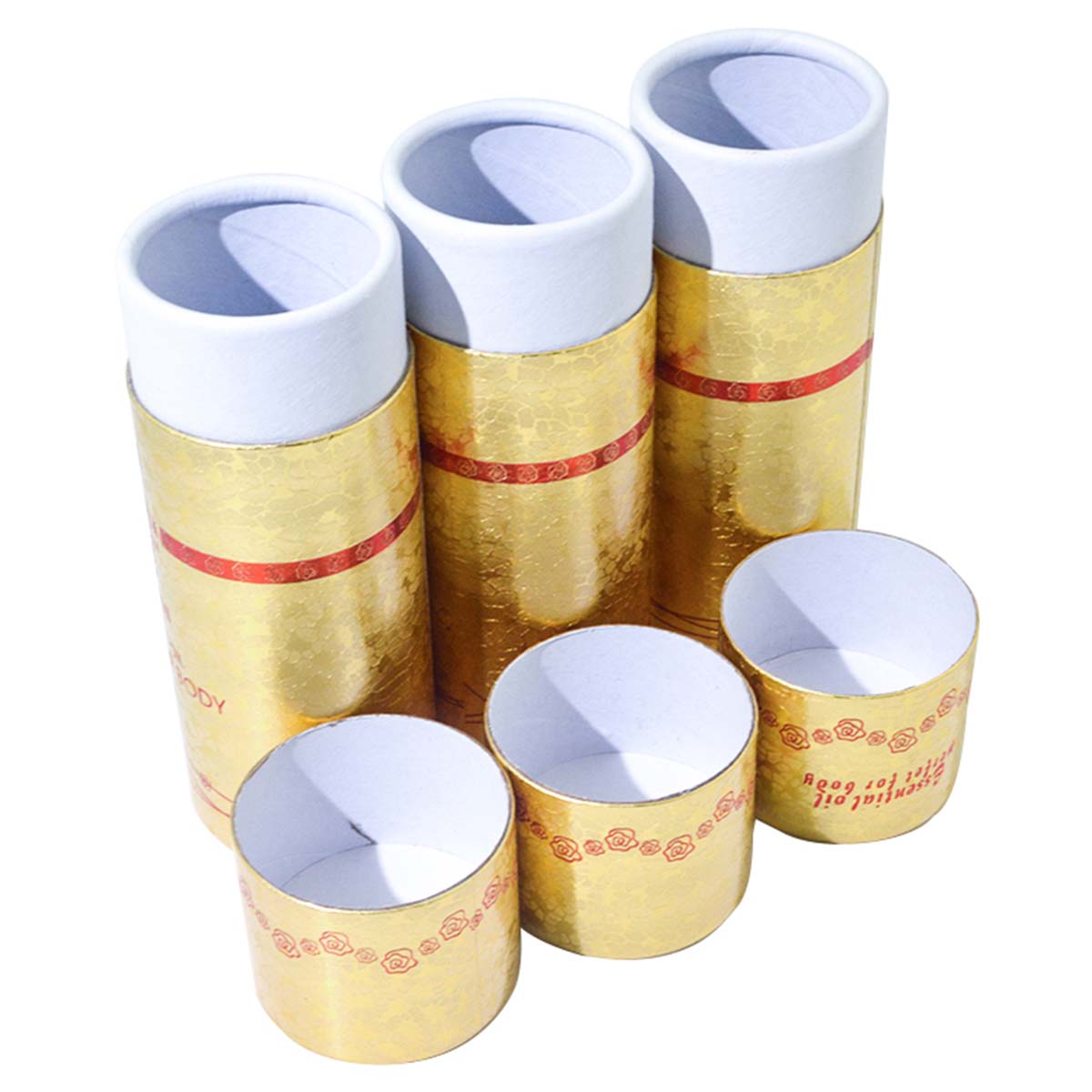
On the wrap before it is applied, or on the lid top. Gold on kraft is the category signature.
Deboss on the wrap
Pressed after wrapping so the relief follows the curve.
Two-tone
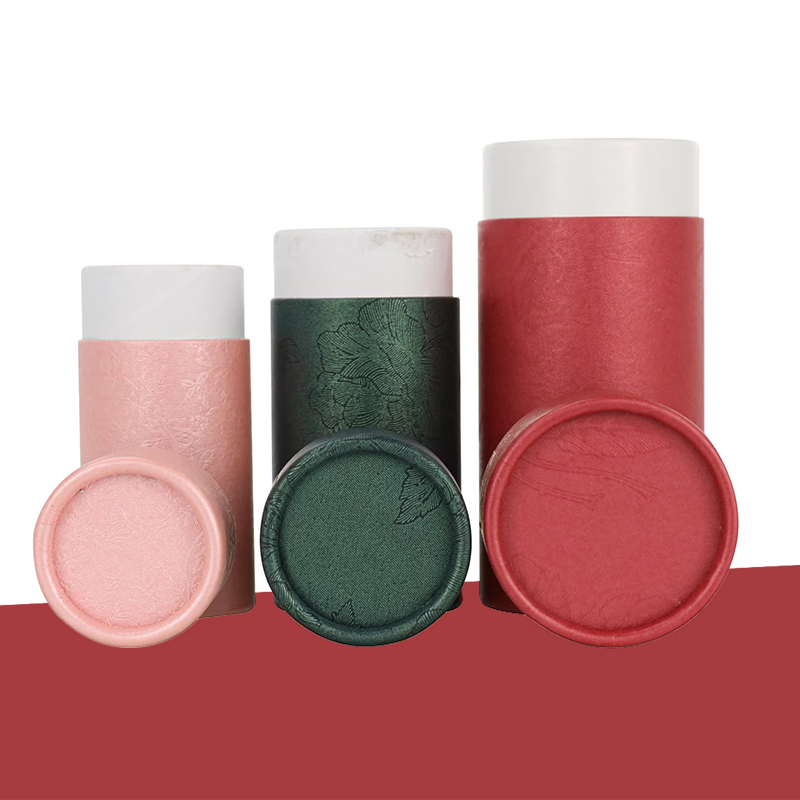
One paper on the lid, another on the base. Reads as a deliberate design for almost nothing.
Metal ends
Tinplate base and lid. A different weight and a different sound when it opens.
Not sure which suits the shelf it sells from? Say where the product is sold and we suggest one — our notes on specialty finishes show them on real boxes.
Sizing a tube, where diameter comes in steps: push up tubes
Length is cut to order, but the internal diameter is set by the mandrel the tube is wound on. Those come in roughly 5 mm steps, so we choose the first step above your product rather than an exact figure.
- Internal diameter
- The product at its widest plus 2–3 mm, rounded up to the next mandrel. Anything more and a round product rolls inside.
- Length
- The product plus the depth of a cap at each end, plus 3 mm. Cut to any figure.
- Wall thickness
- 1–1.5 mm inside a shipper, 2–3 mm for a tube that travels alone. It is the whole protection on a mailing tube.
- Cap fit
- Set on a plain sample. A cap a fraction loose falls out in the post; a fraction tight cannot be opened by hand.
- Outside size
- Carriers measure the outside including the caps — usually about 0.25 in over the bore, and an inch over the length.
- Inserts
- Round products still rattle. A board ring or a foam disc holds a jar or a bottle centered.
Not sure your numbers are right? Send the product dimensions rather than the box dimensions and we work the box out — the full method is in our guide to measuring for a box.
Interactive · five steps · no sign-up
Spec your Push Up Tubes
Pick a shape, type a size, choose a wall and wrap and a finish. The preview on the left redraws as you go, and the spec lands with us exactly as you set it.
Frequently asked questions
Got a question about push up tubes? The answers below cover what we get asked most. If yours is not here, send it with a brief, message us on WhatsApp, or call +1 503-461-4788 — we reply the same working day.
What are push up tubes used for?
Stick products poured and set in the tube: lip balm, deodorant, lotion bars, solid perfume, salves and similar balms.
Will oil soak through the paper?
Not with the right liner. The inner ply is grease resistant, chosen for how oily your formula is.
Can I pour hot product straight into the tube?
Yes. Tell us the pour temperature and we select the liner for it. We recommend a trial fill of blank tubes first.
How does the product push up?
It sets on a paperboard platform at the bottom. You press the platform with your thumb and the stick rises.
Will the product slide down by itself?
The platform fit is set tight enough to hold the stick when capped, and we adjust it for softer formulas.
Does the cap stay on in a pocket?
The friction fit is set on the sample and adjusted once you have tried it, so it holds in a pocket and a bag.
What size tube for lip balm?
Usually about 0.3 oz, around 5/8 in across. We size it from your fill weight.
What size tube for deodorant?
About 2 to 3 oz, typically around 1.75 to 2 in across, depending on how wide you want the stick.
Are these tubes plastic-free?
The tube, platform and cap are paperboard. The grease-resistant liner is a treated paper; ask if you need a specific coating type for a claim.
Can you print ingredients on such a small tube?
Yes, usually around the back of the wrap with the front kept for the name and logo.
What is the minimum order for push up tubes?
100 tubes per size. Blank tubes for a trial pour can be sent before the printed run.
What decides how long push up tubes take?
The liner choice and the trial pour. Once the liner is confirmed on your formula, the printed run is scheduled. We give a date with the quote.
Same range