Custom Coffee Packaging
Coffee bags and boxes from 100, with a degassing valve where it earns its place and a real barrier behind it. Send the roast and the weight and we will size and spec it properly.
Coffee packaging is a race against oxygen

Get a price for Coffee Packaging
Send the size and quantity — we reply the same working day with a price, a dieline and a date. Artwork optional at this stage.
- 8styles in this range, each with its own page and price
- 100unit minimum on every style, printed or plain
- 4markets quoted in the delivery currency
- ±1mmcutting tolerance on folding board, checked on a sample
8 styles in this range
Styles we make in this range
Every one below is written up, priced and dielined. Tap a style to see how it is built.
 01See the build →
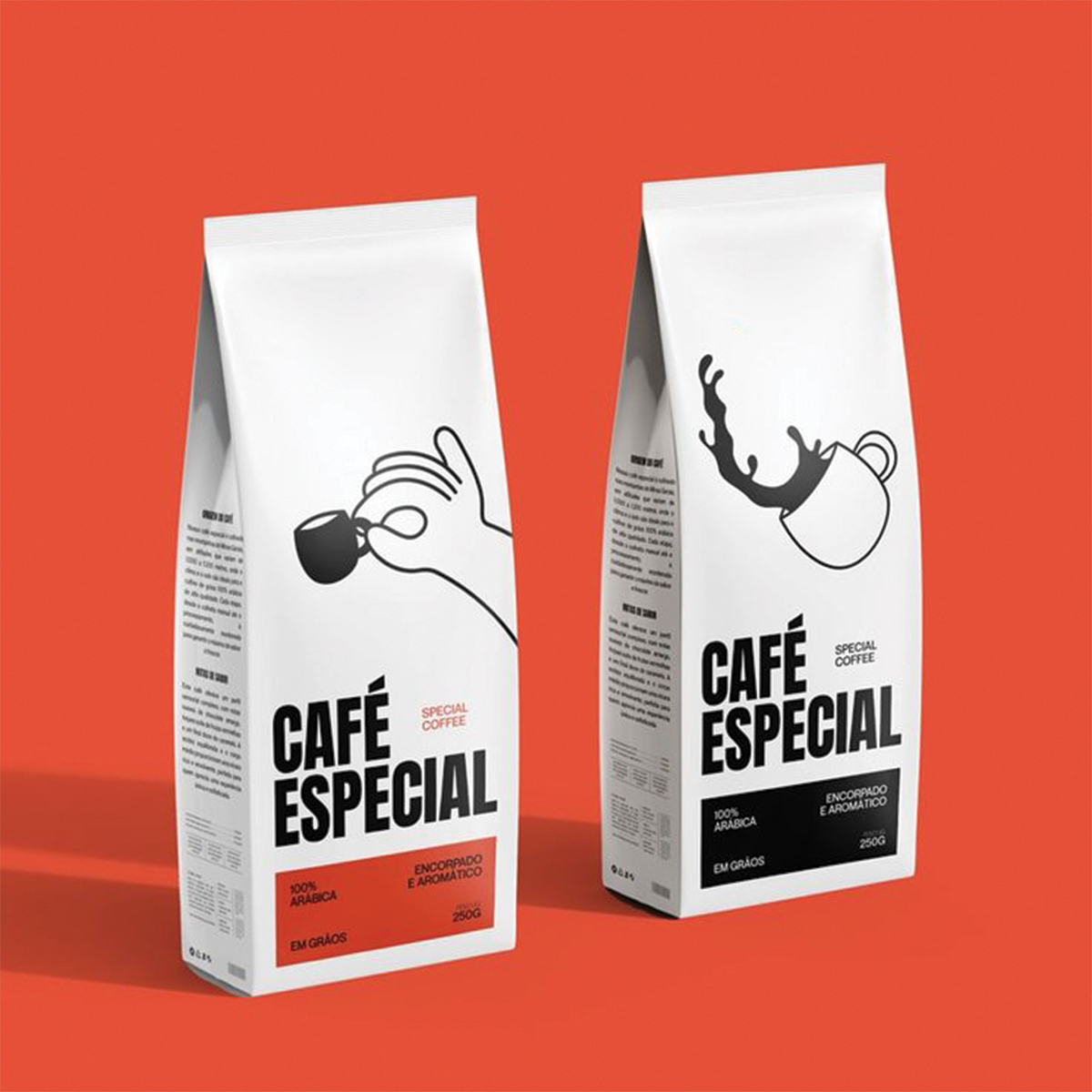
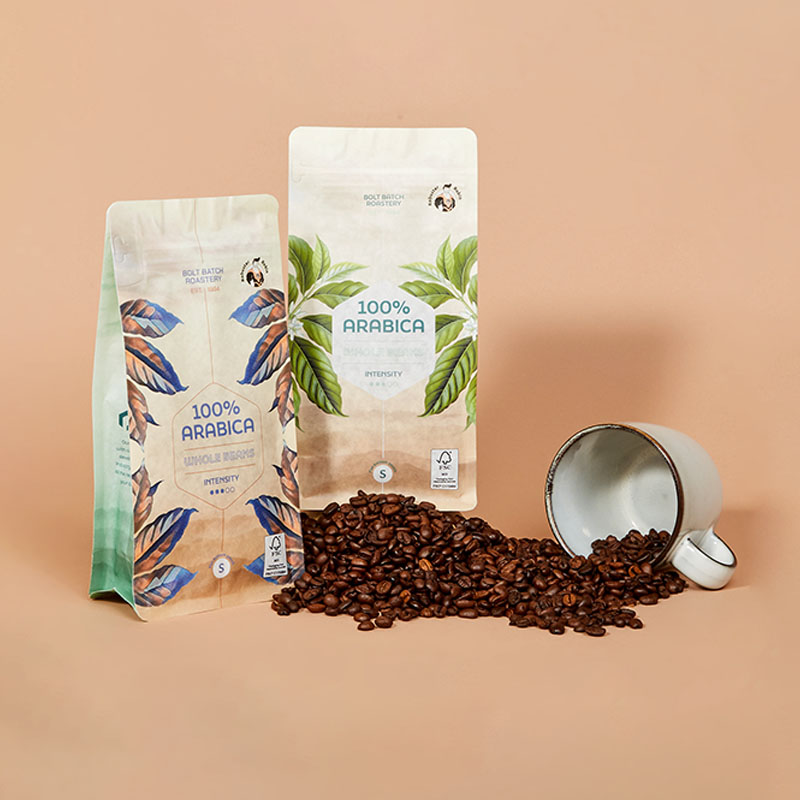
Coffee Bags
Custom coffee bags built for beans that are still giving off gas, from 100 units.
 02See the build →
Coffee Boxes
A coffee carton does nothing for freshness
 03See the build →
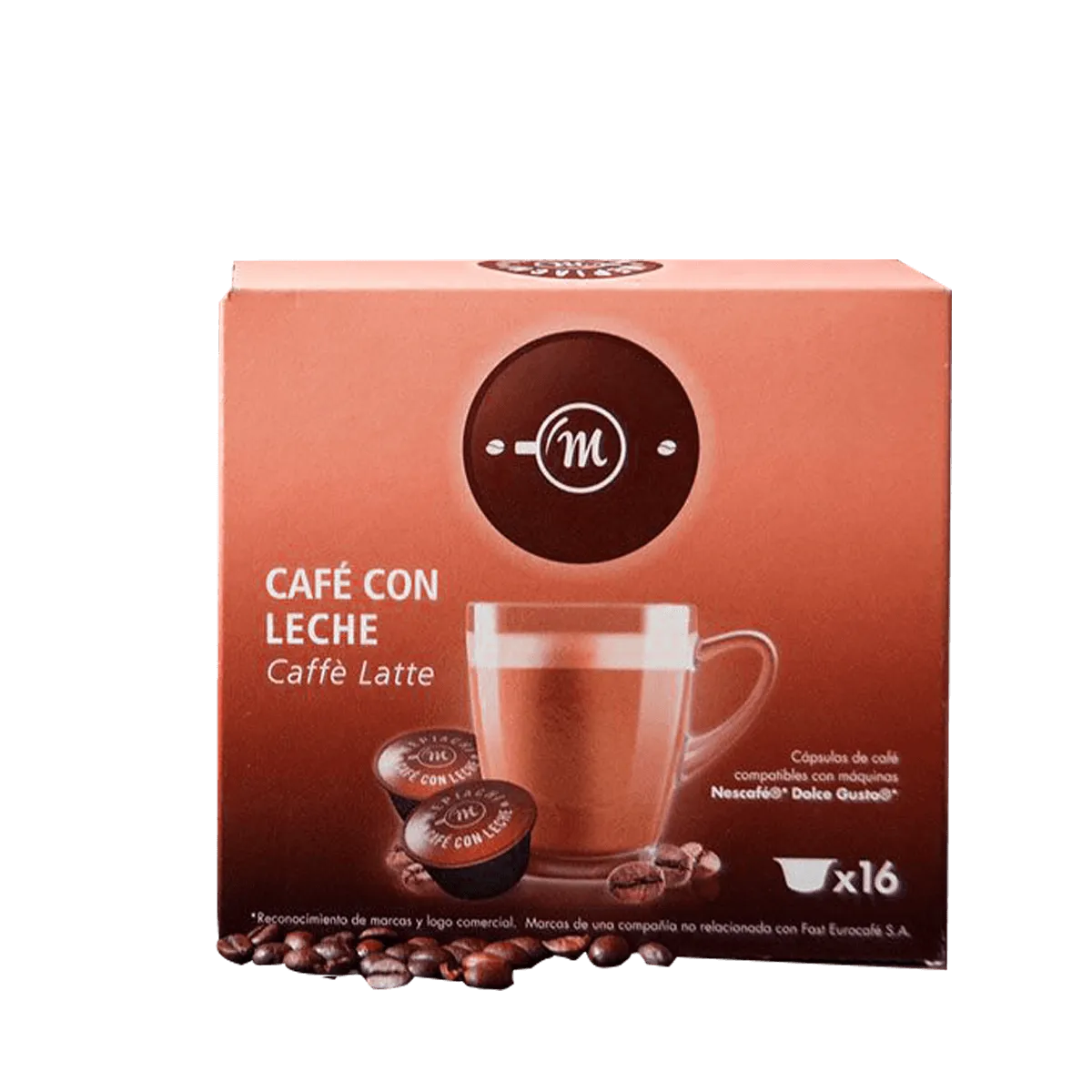
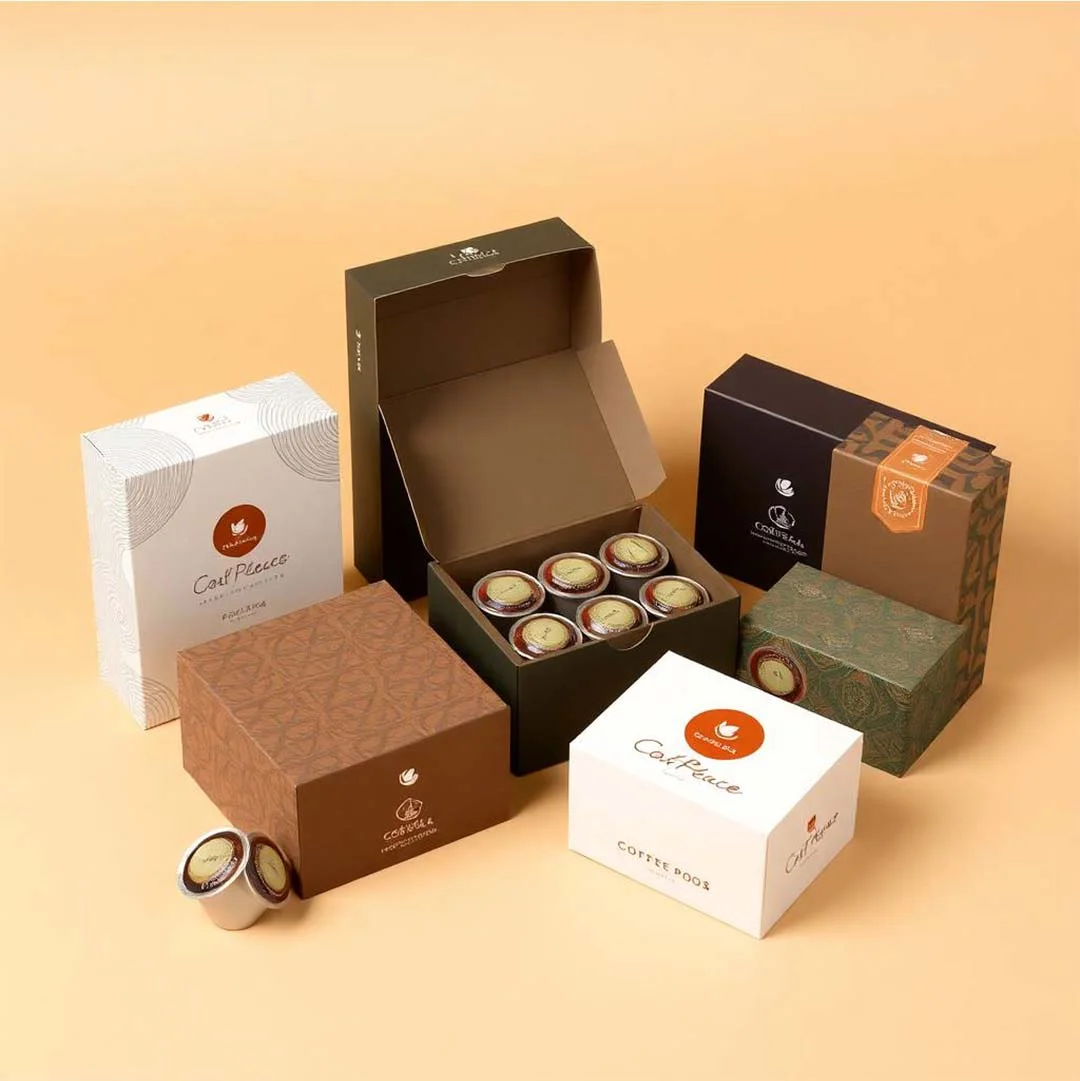
Coffee Pod Boxes
Custom coffee pod boxes sized to your capsule
 04See the build →
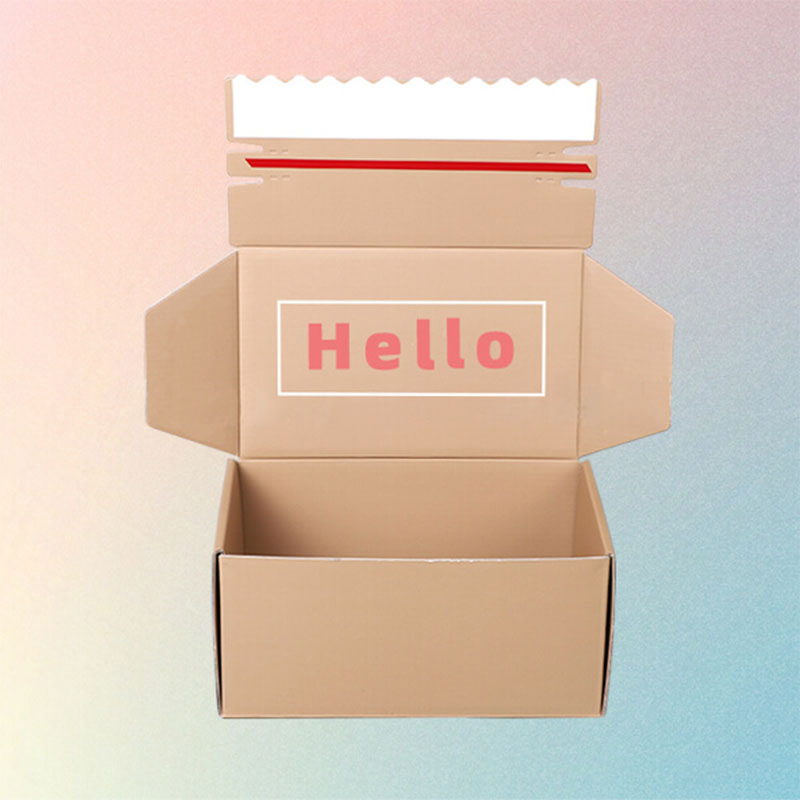
Easy Tear Boxes
Custom easy tear boxes with a perforated strip that opens clean in one pull and leaves a dispenser
 05See the build →
Ecommerce Coffee Boxes
Custom ecommerce coffee boxes sized to your bag
 06See the build →
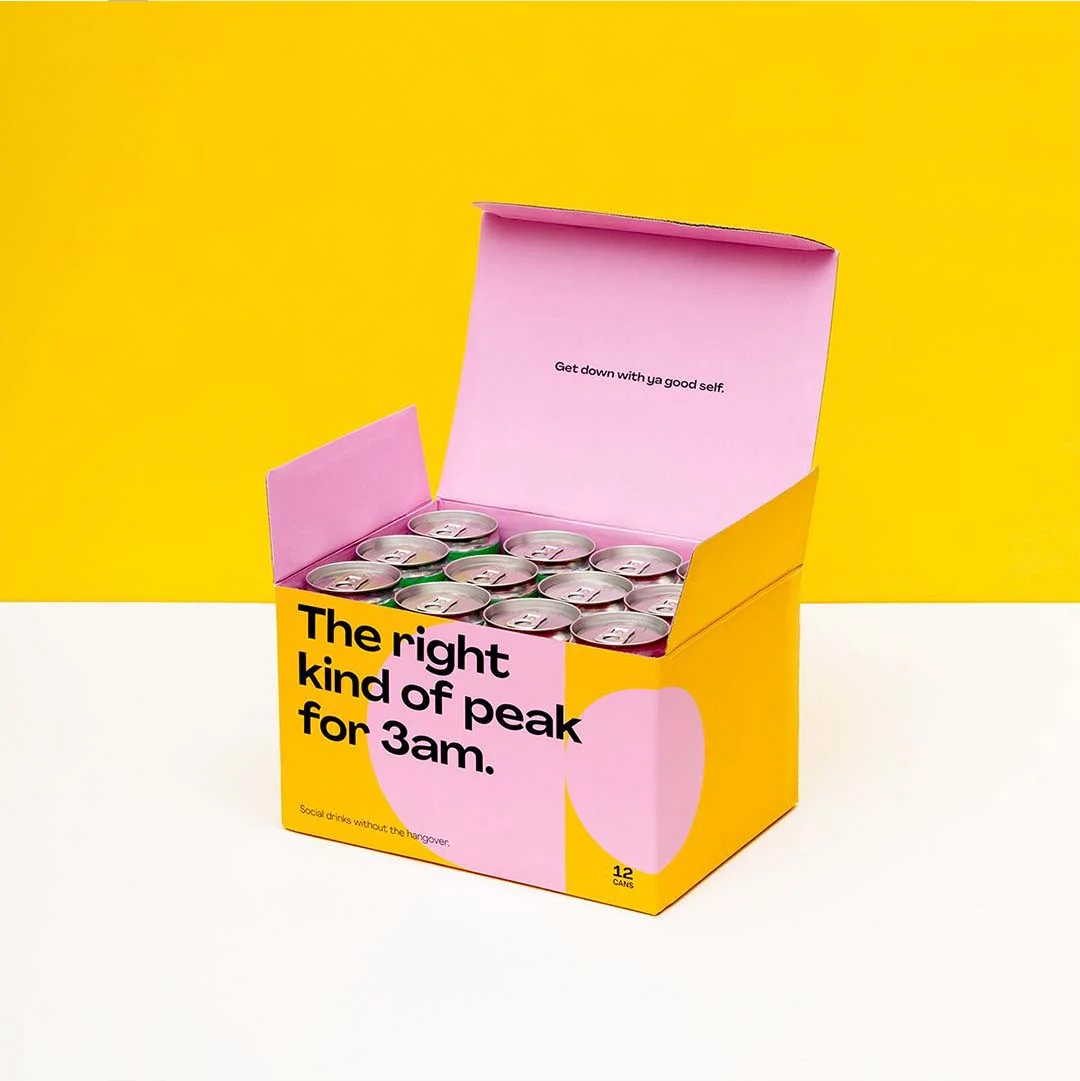
Energy Drink Boxes
Custom energy drink boxes for cans in fours, sixes, twelves and twenty-fours, from 100 units.
 07See the build →
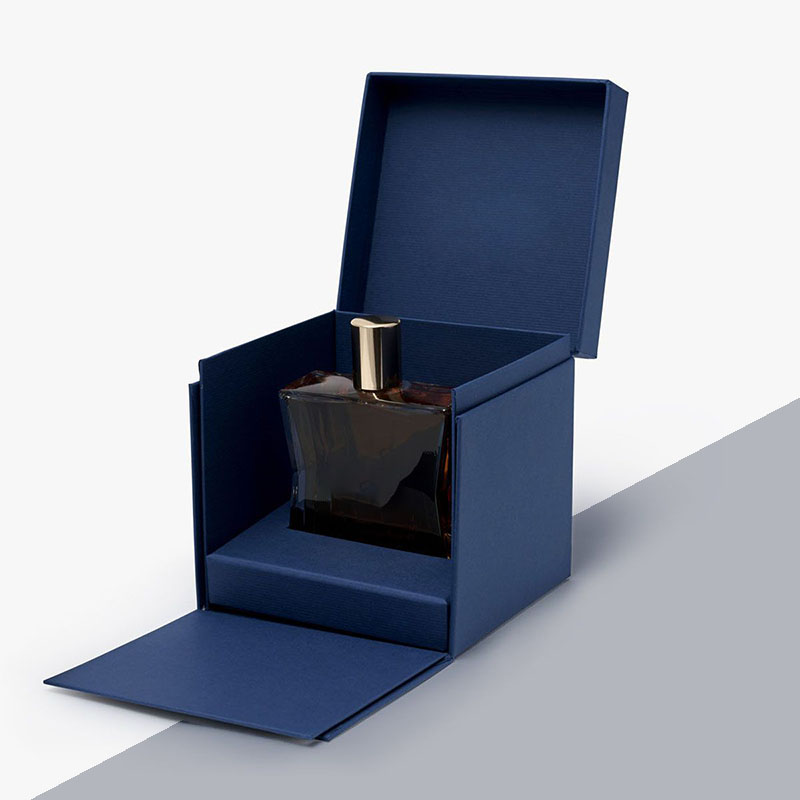
Folding Perfume Bottle Boxes
Custom folding perfume bottle boxes with a platform insert that holds the bottle still, sized to your 30,…
 08See the build →
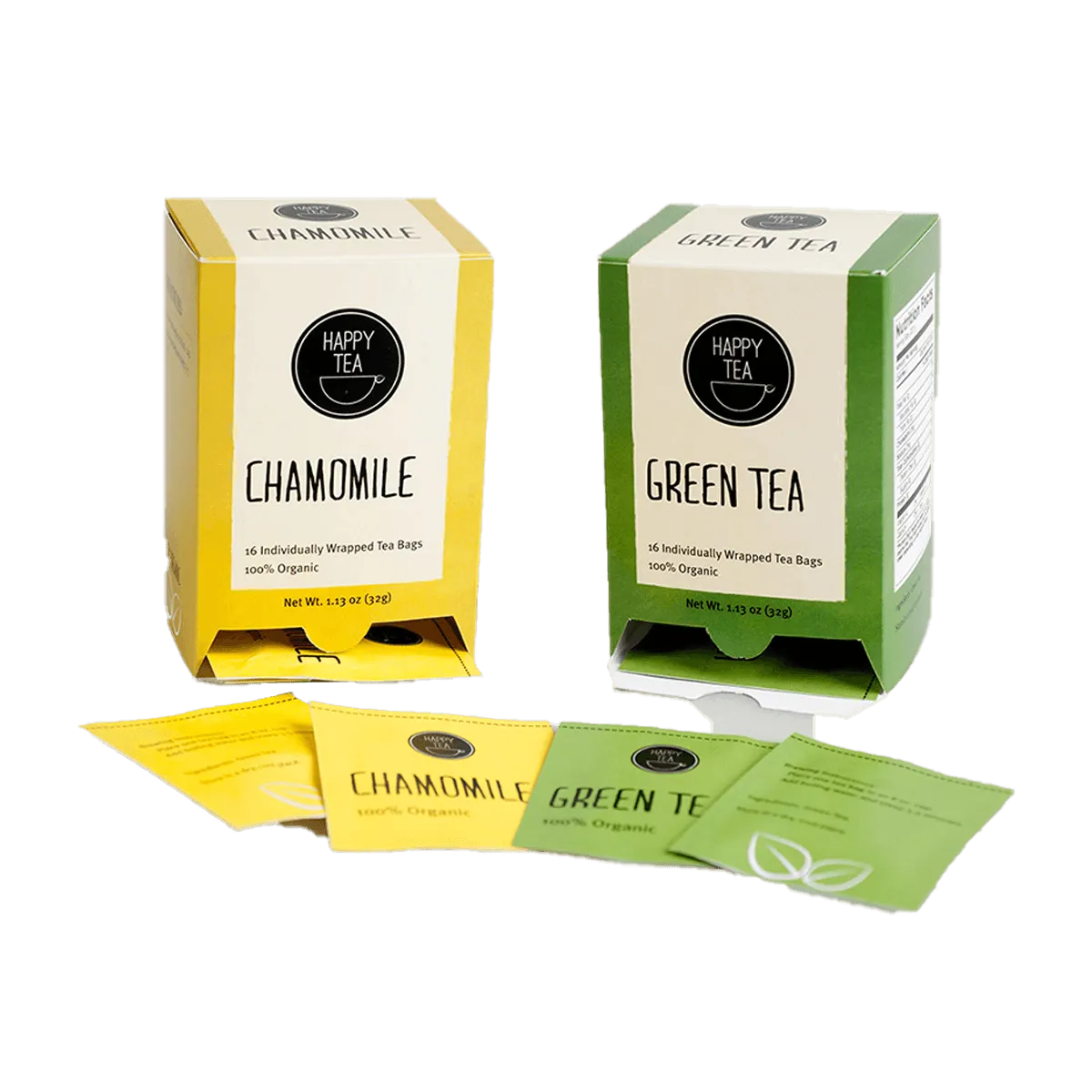
Tea Boxes
Custom tea boxes built to the format you pack
Side by side
Which coffee packaging style fits
| Style | Board | Build | Minimum | |
|---|---|---|---|---|
| Coffee Bags | Chosen per job | Side gusset, stand-up with bottom gusset, flat-bottom box pouch | 100 bags | Open → |
| Coffee Boxes | 16–24pt SBS or kraft; corrugated for shippers | Tuck-end retail carton, subscription shipper, tasting tray and lid | 100 cartons | Open → |
| Coffee Pod Boxes | 16–20 pt SBS or kraft; E-flute corrugated for the case | Capsule, K-Cup, compostable pod; built to your pod dimensions | 100 boxes | Open → |
| Easy Tear Boxes | 18–20pt folding boxboard; matte laminate | Front-panel tear, top tear-strip, corner tear, zipper strip | 100 boxes | Open → |
| Ecommerce Coffee Boxes | E flute kraft or white-lined; B flute for shippers | Letterbox mailer, self-locking mailer, shipper, subscription box with insert | 100 boxes | Open → |
| Energy Drink Boxes | 24–28 pt coated CUK for multipacks; E/B-flute corrugated for cases | Wrap-around 4 and 6, basket carrier, 12 fridge pack, 24 tray and case | 100 boxes | Open → |
| Folding Perfume Bottle Boxes | 20–24pt coated boxboard; E flute with white liner for 100 ml | Reverse tuck or crash-lock carton with integral or loose platform | 100 boxes | Open → |
| Tea Boxes | 16–20 pt SBS or kraft, matte coated; rigid chipboard for the chest | Loose bags, envelope sachets, pyramid sachets, loose leaf with liner or tin | 100 boxes | Open → |
The valve is not optional for fresh roast
Coffee off-gasses CO₂ for roughly two to ten days after roasting. Sealed in a bag with no escape, that gas inflates the pack until a seam gives. A one-way degassing valve lets it out without letting oxygen in.
If you are packing more than about five days after roast, the valve is doing nothing and is simply a small hole in your barrier. Roasters packing fresh need one; resellers packing rested coffee generally do not.
Valve placement matters. Too close to a seal and the sealing jaw crushes it; we set it at least 25 mm clear.
Barrier structure, not bag thickness
Oxygen is what kills flavor, and it is stopped by the metallised or foil layer in the middle of the laminate — not by how thick the bag feels. A kraft-look bag with a foil liner outperforms a heavy unlined one by a wide margin.
The layer question is the same one that runs through all barrier film; our breakdown of laminate structures sets out what each layer does.
Sizes that match how coffee is sold
Bean density varies more than roasters expect — a light Ethiopian takes noticeably more volume per 250 g than a dark Brazilian. Size to your lightest roast or the bag looks underfilled.
| 250 g retail | ~130 × 210 mm with an 80 mm gusset |
|---|---|
| 500 g | ~160 × 250 mm, 90 mm gusset |
| 1 kg wholesale | ~190 × 310 mm, 100 mm gusset |
| Single-serve / sample | Flat pouch, no gusset, tear notch |
Beyond the bag
Most roasters start with a printed bag and move to a plain bag plus a printed label once they have more than three origins. It is cheaper and far more flexible.
- Retail cartons for gift sets and subscriptions, which ship better than loose bags.
- Shipper mailers sized to two or three bags, so the subscription box is not half air.
- Labels for small roasters who want one bag stock and many origins.
- Paper tubes for premium single-origin, where the bag is inside rather than on show.
Across the range
What every coffee packaging job runs on
Boards
- Natural kraft
- White SBS
- E and B flute
- Wrapped grayboard
- Food-grade board
- Recycled content
Chosen from what goes in the box and how far it travels. Our notes on recyclable and compostable stocks say which claims each board can carry.
Finishes
- Matte
- Gloss
- Soft-touch
- Foil
- Emboss
- Spot UV
- Kraft
- Textured
Each one is a decision about light on a shelf — the specialty finishes range shows them on real boxes.
Artwork
- Vector PDF or AI, fonts outlined
- 3 mm bleed, 4 mm safe area
- CMYK; a spot color where a match must hold
- Proof on the dieline before press
Files not set up that way are fine — see the guide to preparing print files.
Interactive · five steps · no sign-up
Build your Coffee Packaging in 3D
Pick a shape, type a size, choose a board and a finish. The preview on the left redraws as you go, and the spec lands with us exactly as you set it.
Frequently asked questions
Got a question about coffee packaging? The answers below cover what we get asked most. If yours is not here, send it with a brief, message us on WhatsApp, or call +1 503-461-4788 — we reply the same working day.
Do I need a valve?
Only for freshly roasted coffee, which off-gasses for two to ten days. On anything else it is a hole in your barrier.
What is the minimum order?
100 units, whether that is bags, boxes or both.
Which bag shape suits coffee?
Side-gusset is the coffee standard — it holds a block shape and takes a valve neatly. Stand-up sells better on a shelf.
How big for a 250 g bag?
Around 130 × 210 mm with an 80 mm gusset as a starting point, adjusted for bean density and grind.
Will a paper-look bag still keep coffee fresh?
Only because of the barrier film behind the paper. The kraft layer is appearance and print, not protection.
Can you print the roast date panel?
We reserve and mark a clean unvarnished area for it. The date itself is applied at pack, on your line.
Whole bean or ground — does it change the pack?
Ground has more surface area and stales faster, so the barrier matters more and the valve matters less.
Are your coffee bags recyclable?
Standard laminates are not. Mono-material structures are, at a higher price and slightly lower barrier. We quote both honestly.
Can I have a window?
Yes, though light degrades coffee. A small window costs you some shelf life for some shelf appeal.
Do you make coffee boxes as well as bags?
Yes — retail cartons, subscription mailers and gift sets, quoted alongside the bags so they match.
Do I need a valve if I rest my coffee before packing?
If you pack more than about five days after roast, no. Before that, yes — without one the bag will swell and can split at a seam.
Is a kraft bag a worse barrier?
Only if it is unlined. A kraft outer with a foil or metallised liner performs the same as a foil-look bag; the kraft is just the printed face.
Can I use one bag for all my origins?
Yes, and most roasters eventually do — a plain or lightly printed bag with an origin label. It costs less and lets you add a coffee without a print run.
How long does coffee stay fresh in a barrier bag?
Sealed with a valve and a proper barrier, whole bean holds well for months rather than weeks. Ground coffee loses aroma far faster whatever the packaging.
Keep browsing