Custom Plastic Bags
Plastic bags are the format under most pressure, and a fair share of the replacements proposed for them are worse. This page is about which uses genuinely need film, and which are habit that a paper alternative would cover.
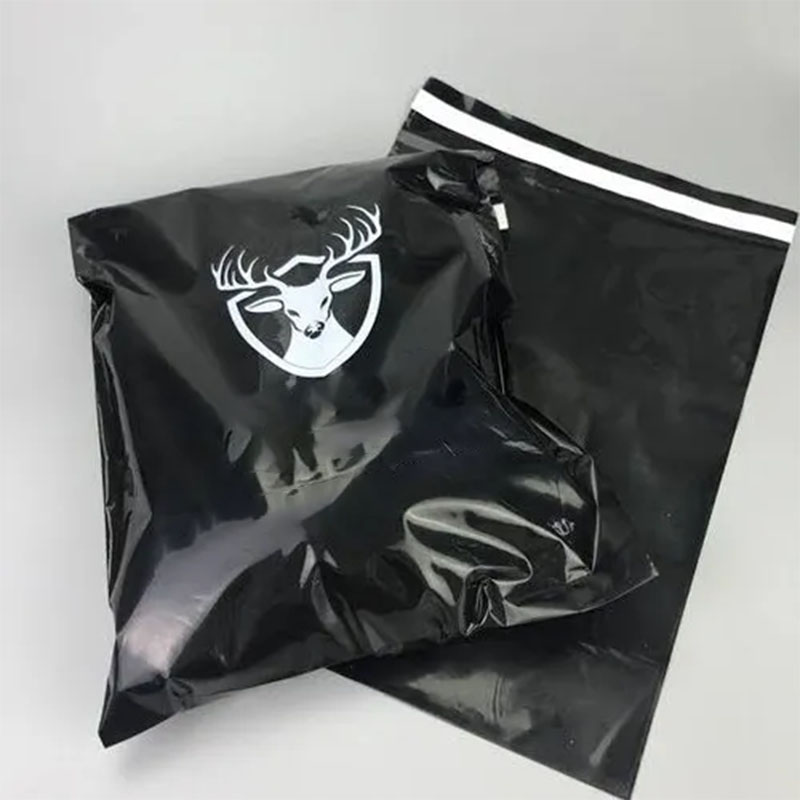
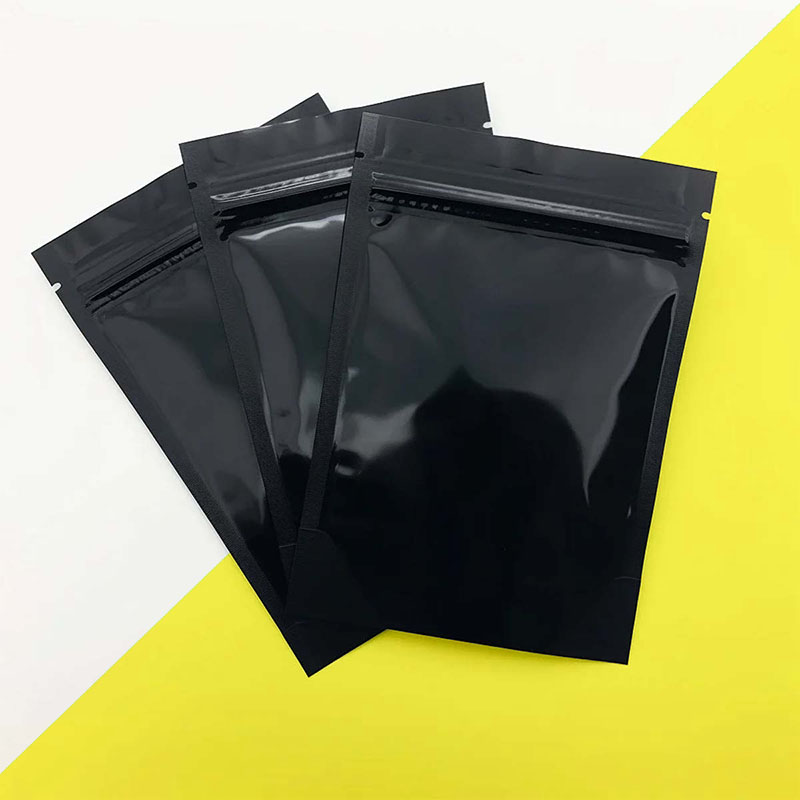
Get a price for Plastic Bags
Send the size and quantity — we reply the same working day with a price, a dieline and a date. Artwork optional at this stage.
- 2styles in this range, each with its own page and price
- 100unit minimum on every style, printed or plain
- 4markets quoted in the delivery currency
- ±1mmcutting tolerance on folding board, checked on a sample
2 styles in this range
Styles we make in this range
Every one below is written up, priced and dielined. Tap a style to see how it is built.
Side by side
Which plastic bags style fits
| Style | Board | Build | Minimum | |
|---|---|---|---|---|
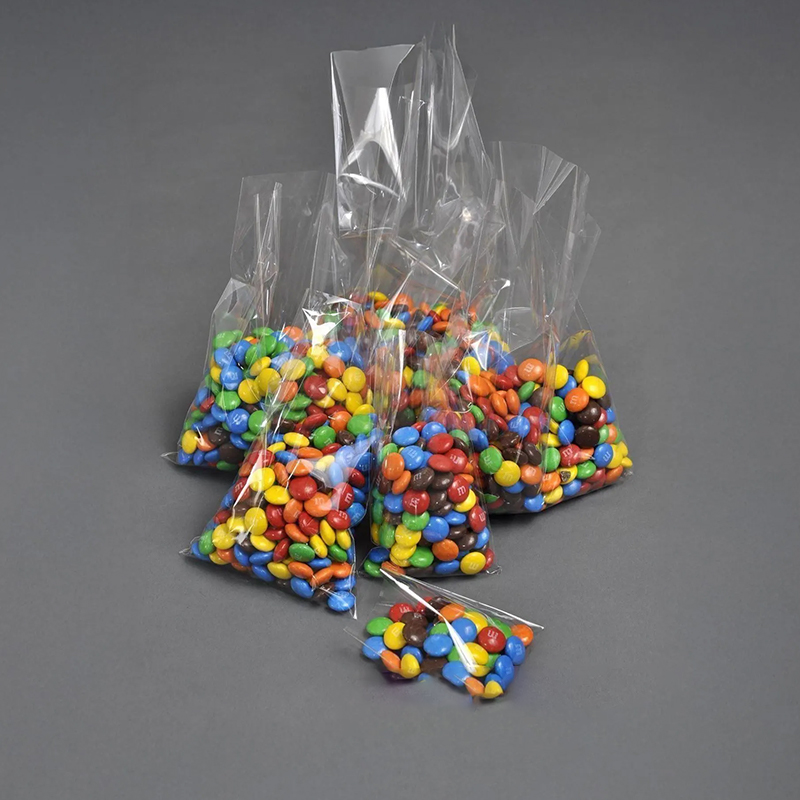
| Cellophane Bags | Cellulose 25–40 micron (compostable); BOPP 25–40 micron | Flat, self-seal, gusseted with card base, cone | 100 bags | Open → |
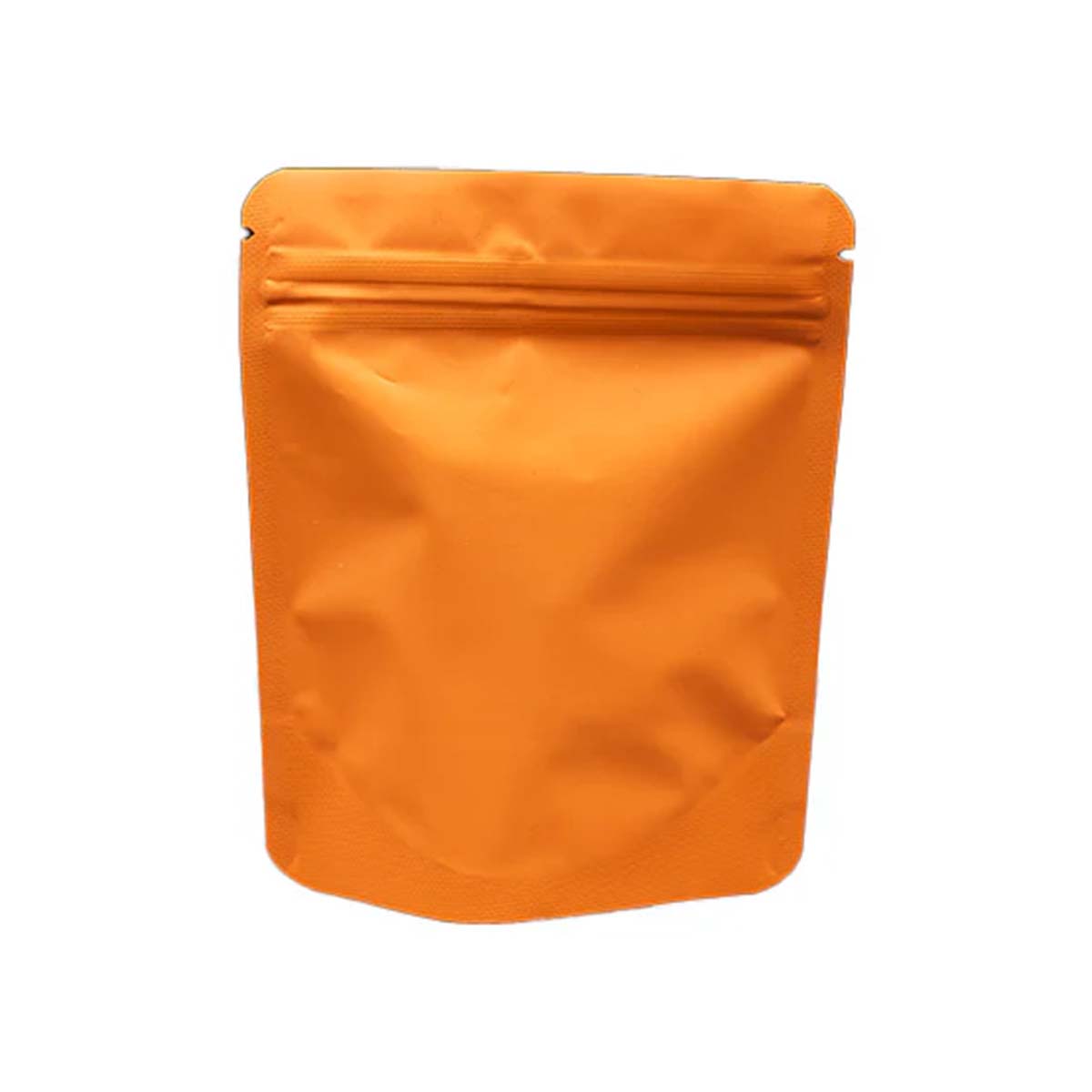
| Zip Lock Bags | LDPE 50–100 micron, clear, frosted, colored or white; mono-material PE | Flat, stand-up with bottom gusset, hang-hole, with tear notch | 100 bags | Open → |
What film does that paper cannot
Those four are the honest case. If none of them is the reason you are using a bag, a paper alternative will probably do the job — the trade-offs are set out in our sustainable packaging notes.
| Transparency | The product is seen completely, with no window and no die-cut |
|---|---|
| Moisture barrier | Real protection against damp; paper offers almost none |
| Weight | Grams rather than tens of grams, on every unit shipped |
| Conformability | Folds around irregular contents without a bespoke shape |
Cellophane is not always cellophane
True cellophane is a wood-cellulose film and is compostable. Most bags sold as cellophane are polypropylene, which is clearer, cheaper, stronger and not compostable at all.
The two look nearly identical and the word is used for both. If the compostability matters to you, ask which one you are being quoted, because the difference in price is real and so is the difference in what you can claim.
A "cello bag" in a catalog is almost always polypropylene. Do not print a compost claim without confirming the film.
Where each type belongs
- Cello display bags. Cards, prints, small gifts; a self-seal flap and full clarity.
- Zip lock. Anything opened and reclosed — components, samples, food that is not sealed.
- Garment polybags. Apparel in transit and storage; keeps damp and dirt off fabric.
- Heavy-duty polybags. Bulk and industrial; strength rather than presentation.
Recycled content and what you can print about it
Recycled-content polythene is widely available, performs the same, and is a defensible improvement. Recyclability is the harder claim: film is recyclable in principle and almost never in a household bin, so the useful thing to print is where it can actually go.
Compostable films exist and need a stream most customers do not have. Naming the real route is worth more than a symbol that overpromises.
Suffocation warnings and what has to be on the bag
Bags above a certain size, and particularly garment bags, carry a suffocation warning in most markets, along with perforations in some. That text is mandatory and it takes space on an otherwise clear film.
It is usually printed in a corner in a single color so it does not obstruct the view of the product, which is the reason the bag is clear in the first place.
Across the range
What every plastic bags job runs on
Boards
- Natural kraft
- White SBS
- E and B flute
- Wrapped grayboard
- Food-grade board
- Recycled content
Chosen from what goes in the box and how far it travels. Our notes on recyclable and compostable stocks say which claims each board can carry.
Finishes
- Matte
- Gloss
- Soft-touch
- Foil
- Emboss
- Spot UV
- Kraft
- Textured
Each one is a decision about light on a shelf — the specialty finishes range shows them on real boxes.
Artwork
- Vector PDF or AI, fonts outlined
- 3 mm bleed, 4 mm safe area
- CMYK; a spot color where a match must hold
- Proof on the dieline before press
Files not set up that way are fine — see the guide to preparing print files.
Interactive · five steps · no sign-up
Spec your Plastic Bags
Pick a shape, type a size, choose a film and a finish. The preview on the left redraws as you go, and the spec lands with us exactly as you set it.
Frequently asked questions
Got a question about plastic bags? The answers below cover what we get asked most. If yours is not here, send it with a brief, message us on WhatsApp, or call +1 503-461-4788 — we reply the same working day.
Is a cello bag compostable?
Usually not. Most bags sold as cellophane are polypropylene. True cellulose film is compostable and costs more.
Should I switch to paper?
If you are not using film for transparency, moisture protection, weight or conformability, then probably yes.
Can I say the bags are recyclable?
In principle yes, in a household bin almost never. Printing the actual route your customers have is worth more than a symbol.
Do garment bags need a warning?
In most markets, yes, and sometimes perforations too. It is a small single-color print in a corner.
What is the minimum order?
100 bags, any format.
Recycled-content or virgin polythene?
Recycled-content performs identically and is the more defensible choice. Ask for it as standard.
Is a cello bag compostable?
Usually not. Most bags sold as cellophane are polypropylene. True cellulose film is compostable and costs more — ask which you are quoted.
Should I switch to paper?
If you are not using film for transparency, moisture protection, weight or conformability, then probably yes.
Can I say the bags are recyclable?
In principle yes, in a household bin almost never. Printing the actual route your customers have is worth more than a symbol.
Do garment bags need a warning?
In most markets, yes, and sometimes perforations too. It is a small single-color print in a corner so it does not block the view.
Keep browsing