Custom Candy Boxes
Sweets are dense. A small box of them weighs more than the same box of almost anything else on this site, and if the sugar is at all soft it will bond to whatever it touches. Both facts get discovered after the first order rather than before it.
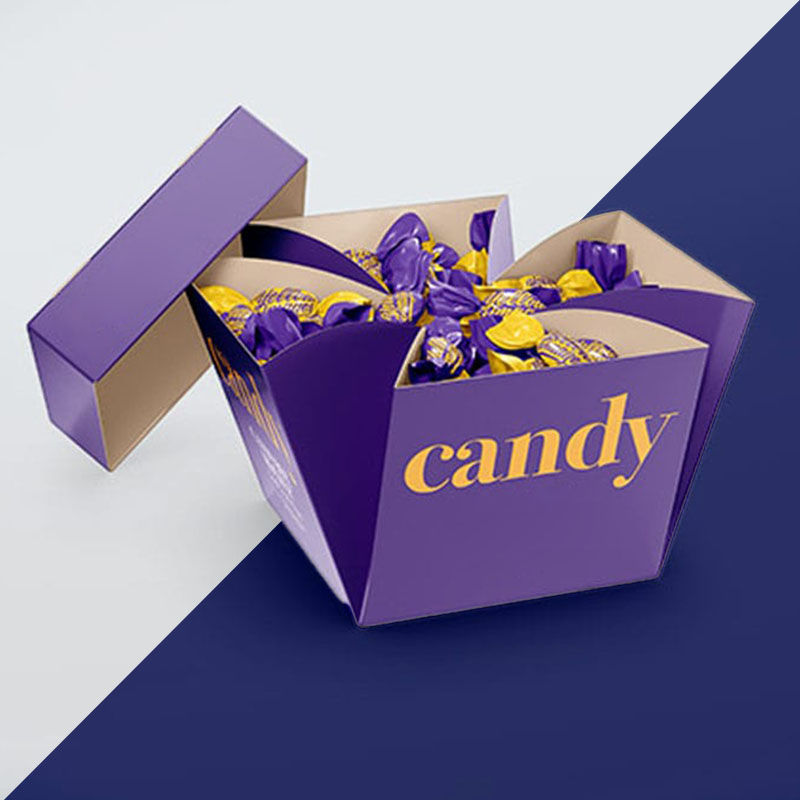
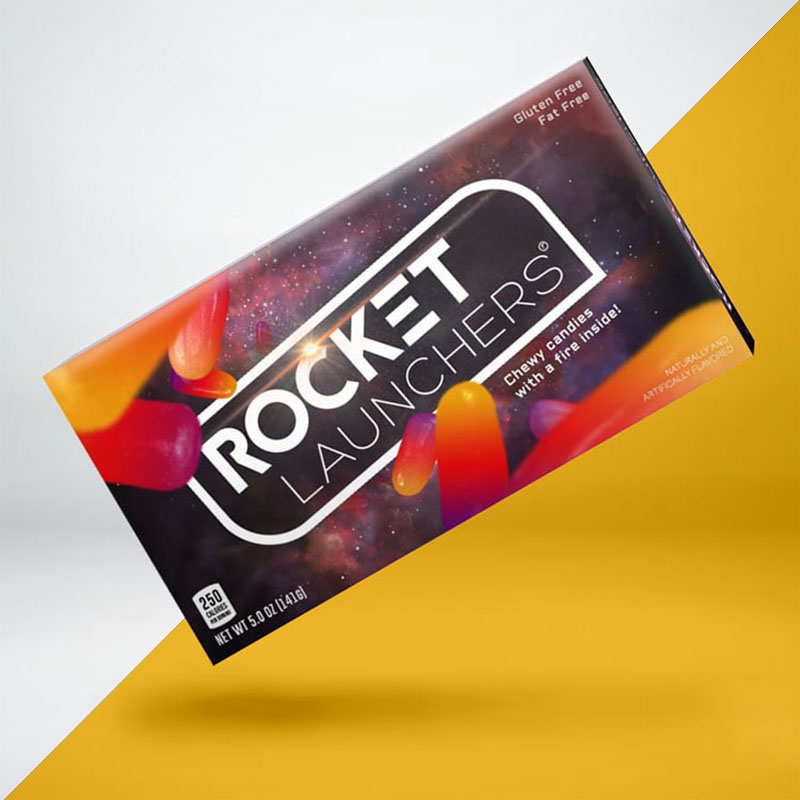
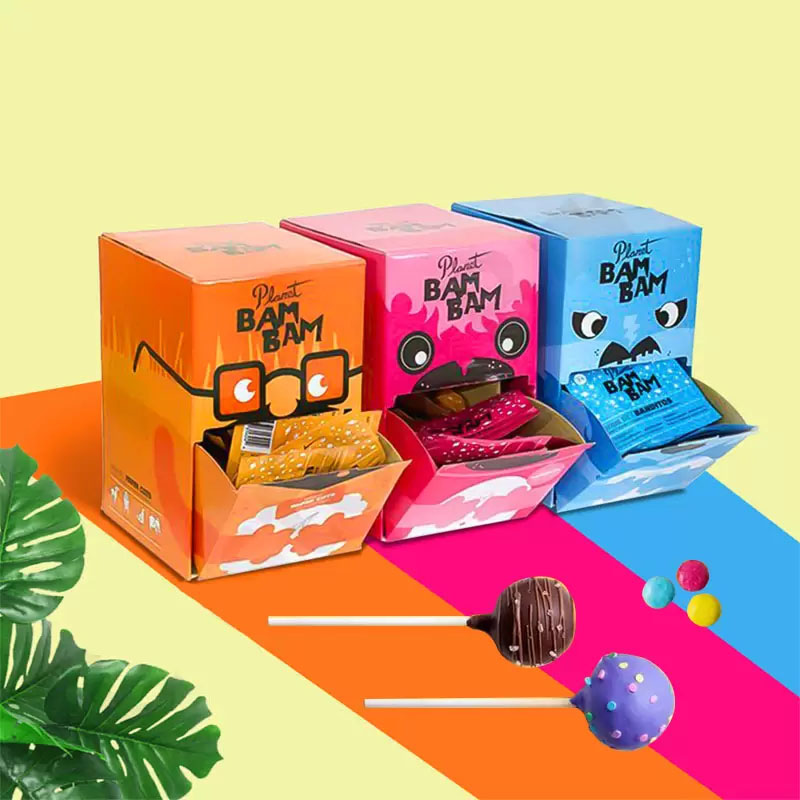
Get a price for Candy Boxes
Send the size and quantity — we reply the same working day with a price, a dieline and a date. Artwork optional at this stage.
- 12styles in this range, each with its own page and price
- 100unit minimum on every style, printed or plain
- 4markets quoted in the delivery currency
- ±1mmcutting tolerance on folding board, checked on a sample
12 styles in this range
Styles we make in this range
Every one below is written up, priced and dielined. Tap a style to see how it is built.
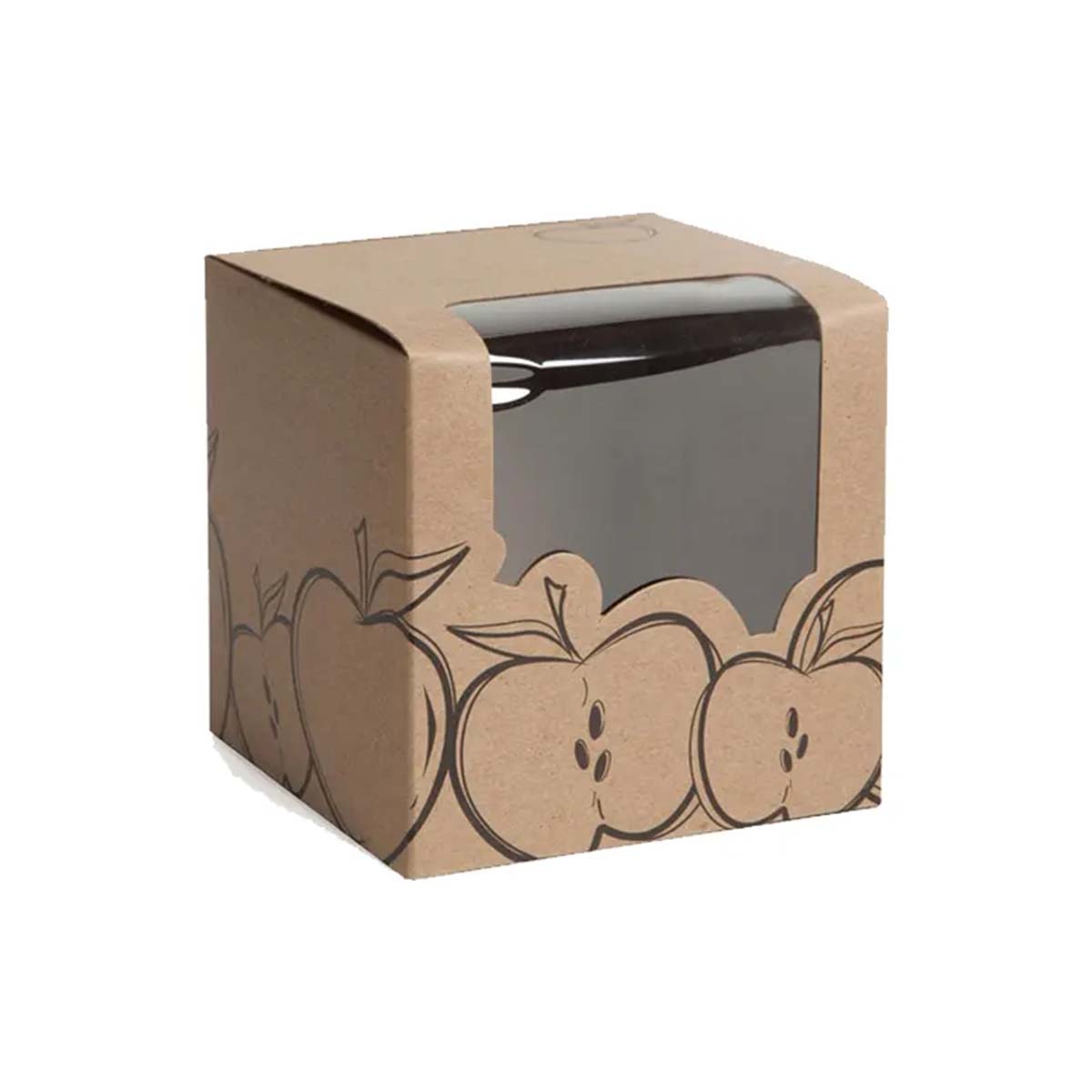 01See the build →
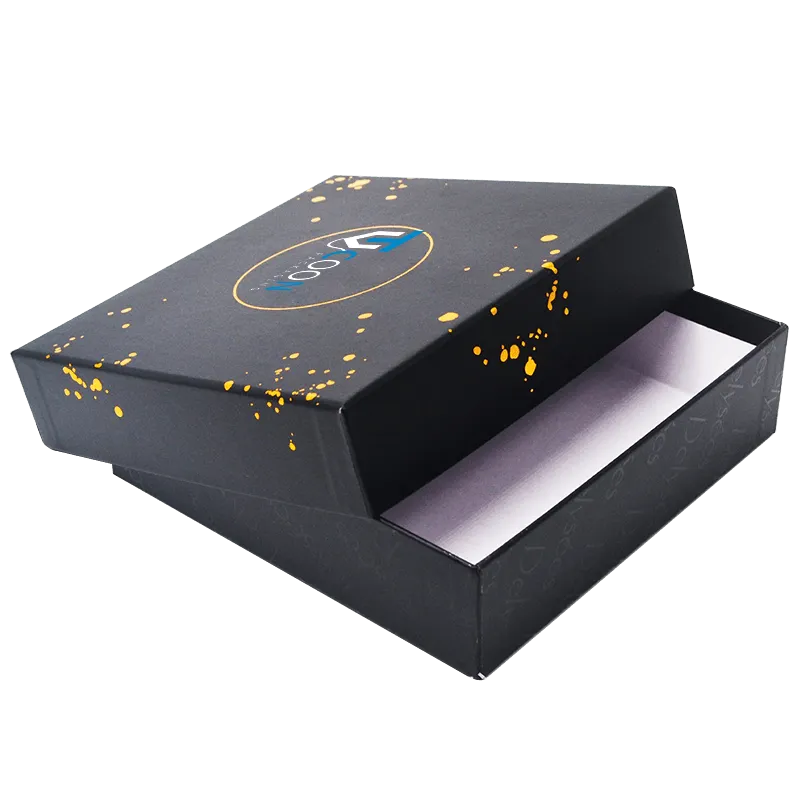
Candy Apple Boxes
Custom candy apple boxes that hold the apple upright without the coating touching a wall, from 100 units.
 02See the build →
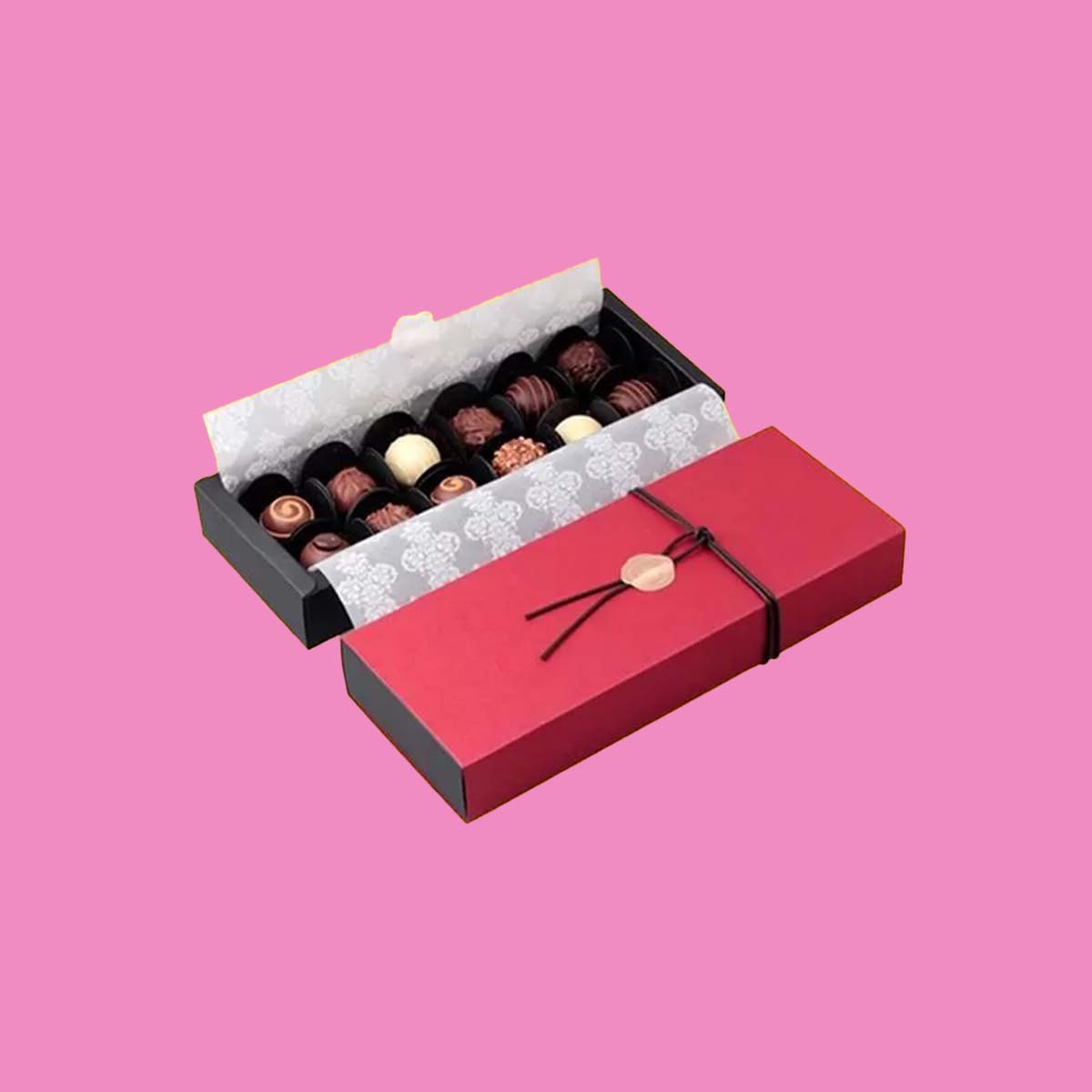
Candy Bar Boxes
Custom candy bar packaging sized to your mold, from 100 units.
 03See the build →
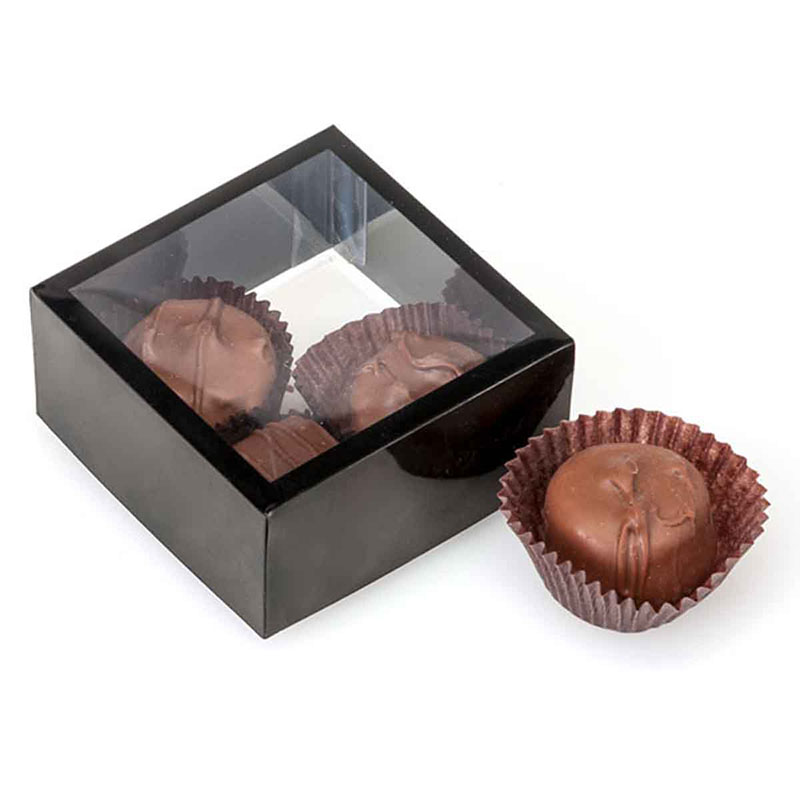
Candy Box Inserts
Custom candy box inserts from 100
 04See the build →
Candy Box with Dividers
The same candy, in the same box, read completely differently depending on whether they are loose or laid…
 05See the build →
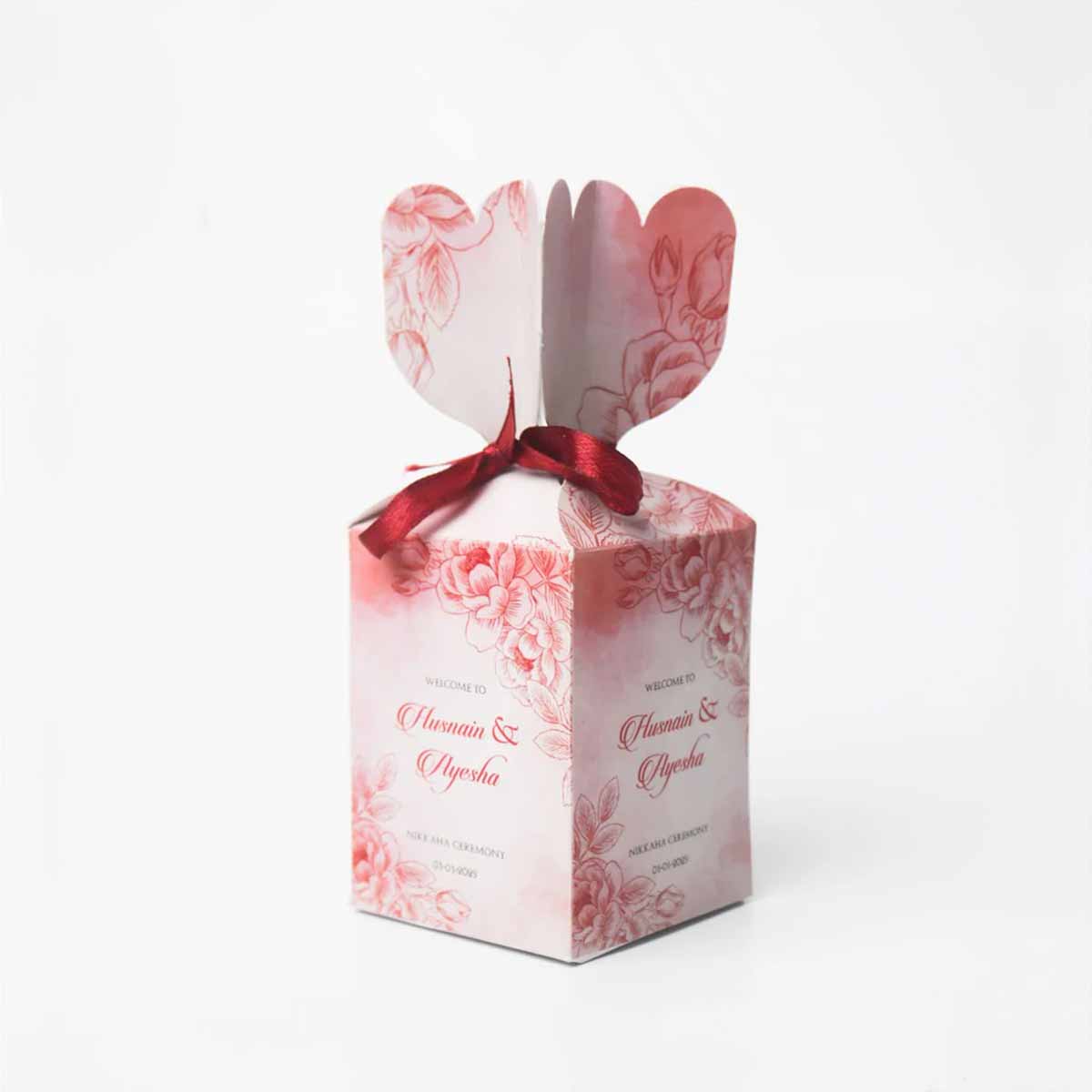
Candy Favor Boxes
Custom candy favor boxes for weddings, showers and parties, from 100 units.
 06See the build →
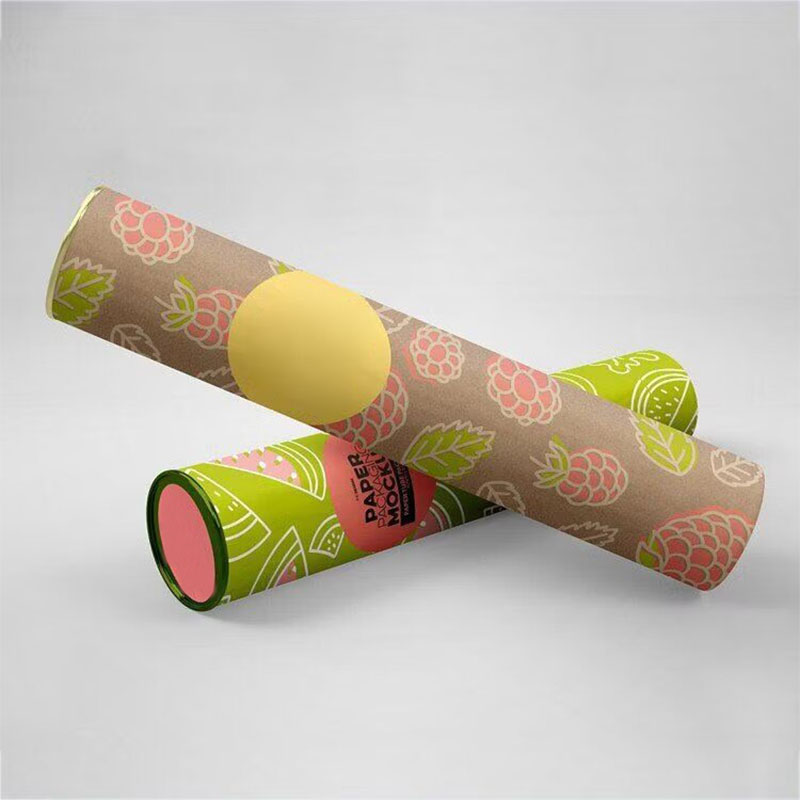
Candy Tubes
Custom candy tubes with a printed wrap and a cap that goes back on, from 250 units.
 07See the build →
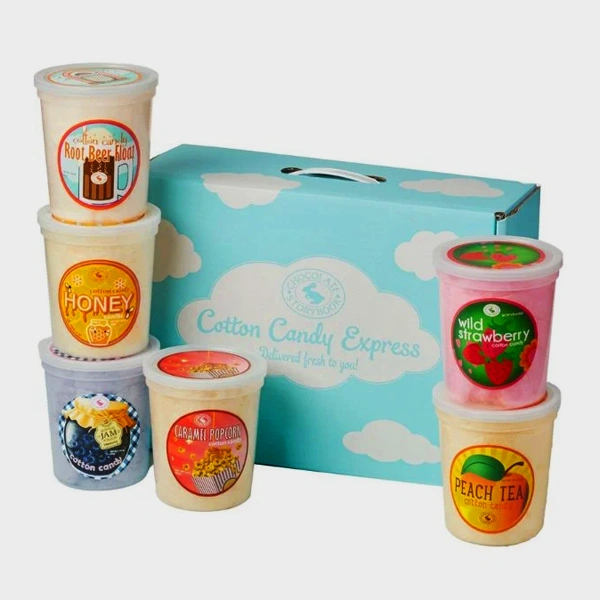
Cotton Candy Boxes
Custom cotton candy boxes from 100
 08See the build →
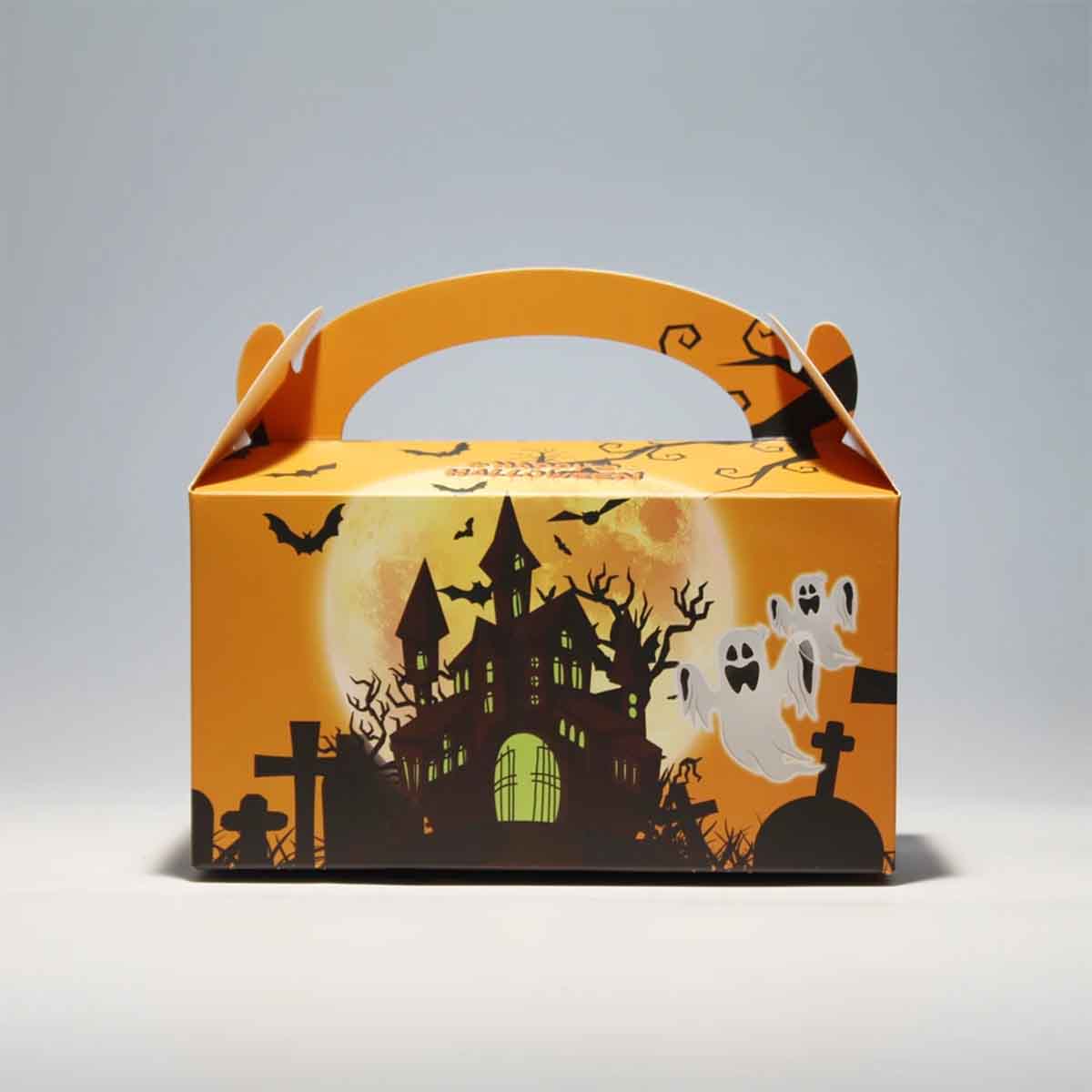
Halloween Candy Boxes
Custom Halloween candy boxes from 100
 09See the build →
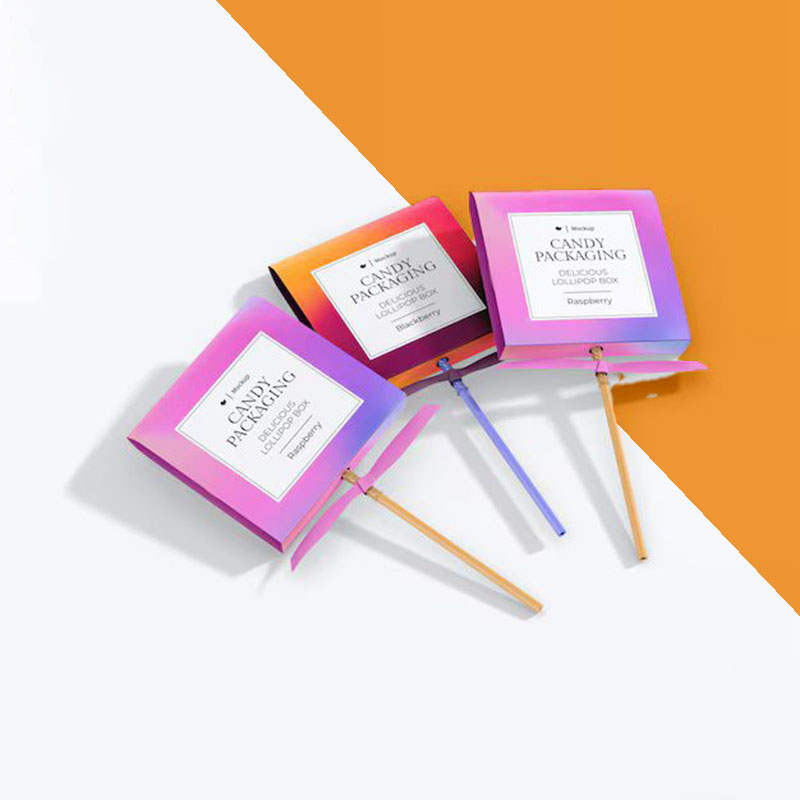
Lollipop Boxes
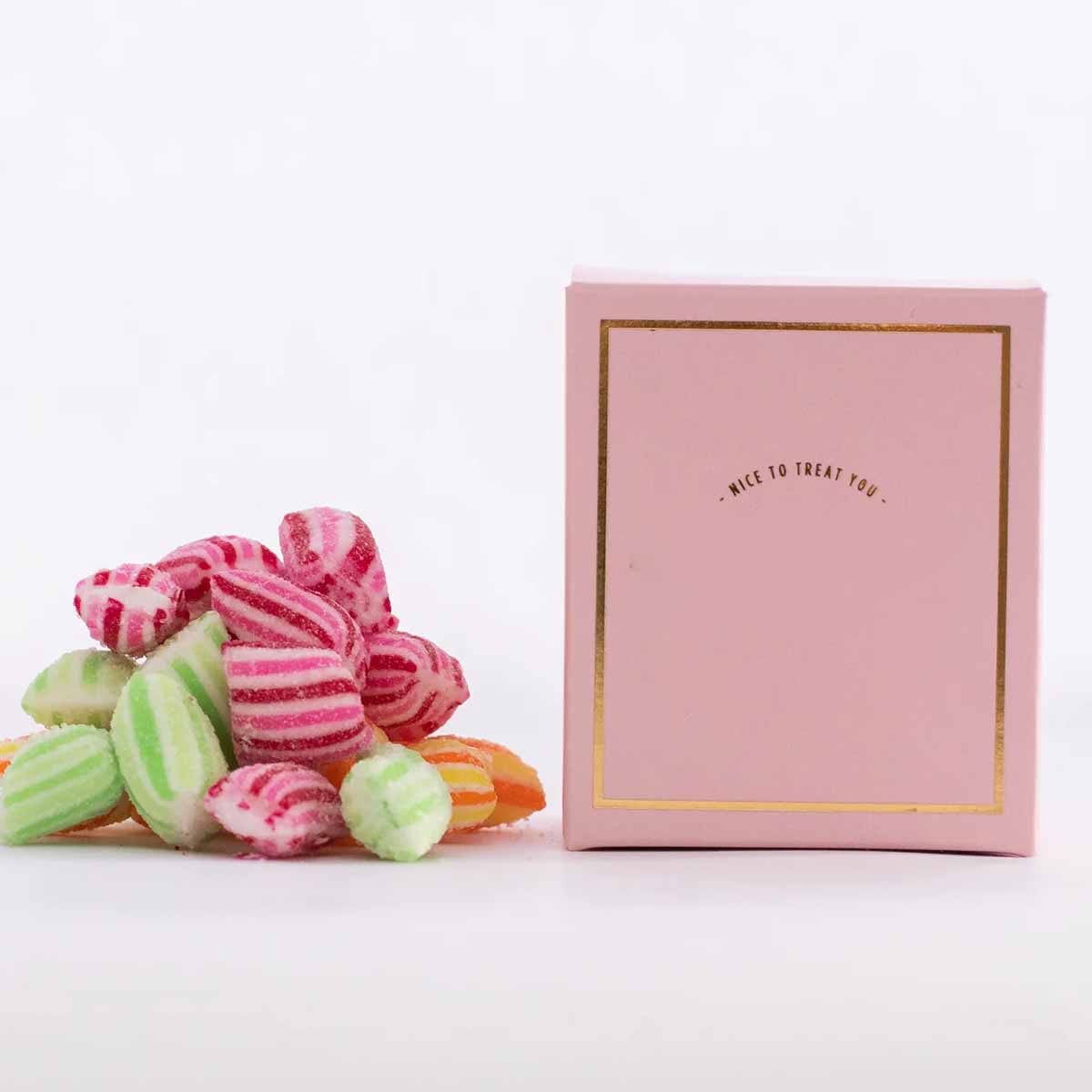
A lollipop is a heavy head on a thin lever.
 10See the build →
Pink Candy Boxes
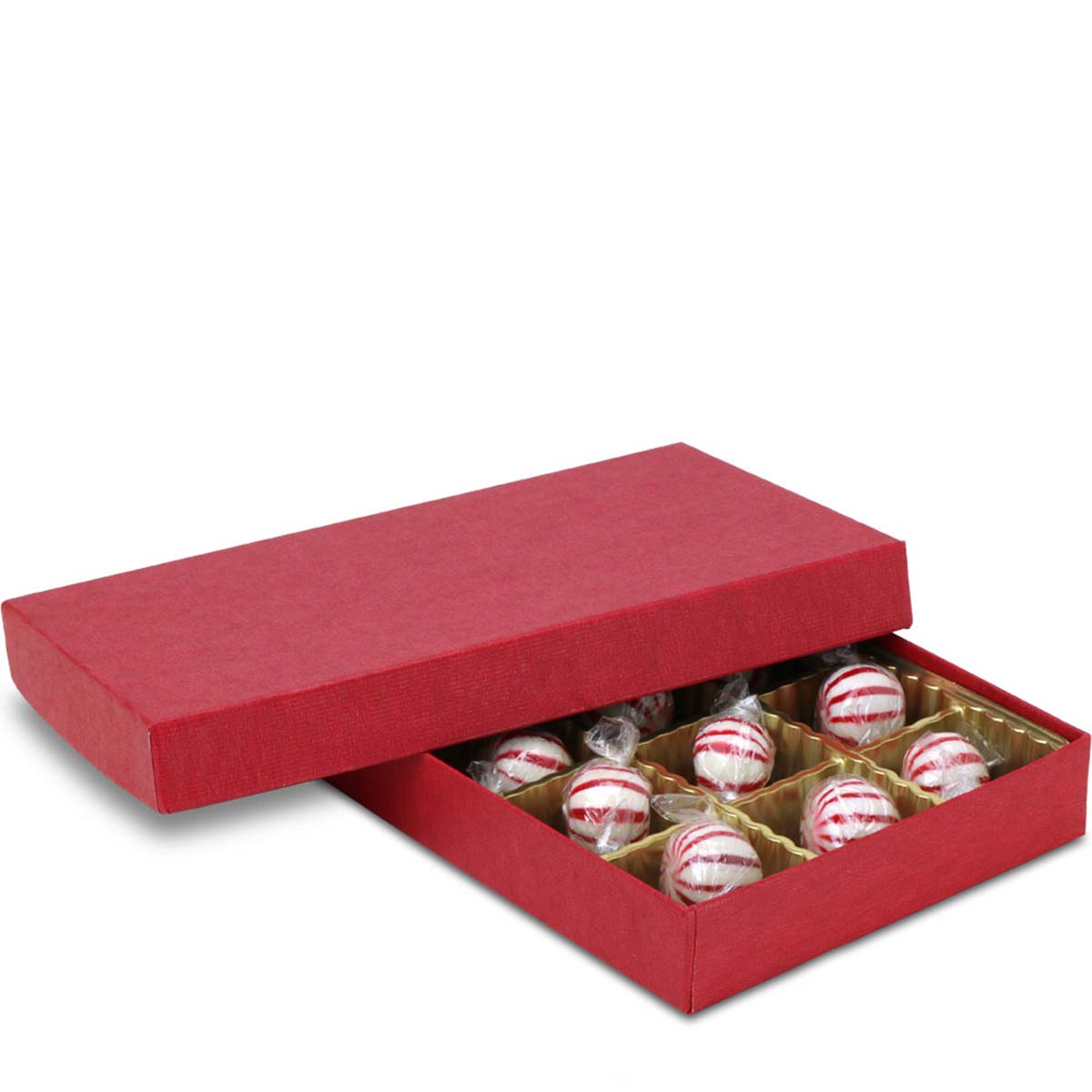
Custom pink candy boxes
 11See the build →
Rigid Candy Boxes
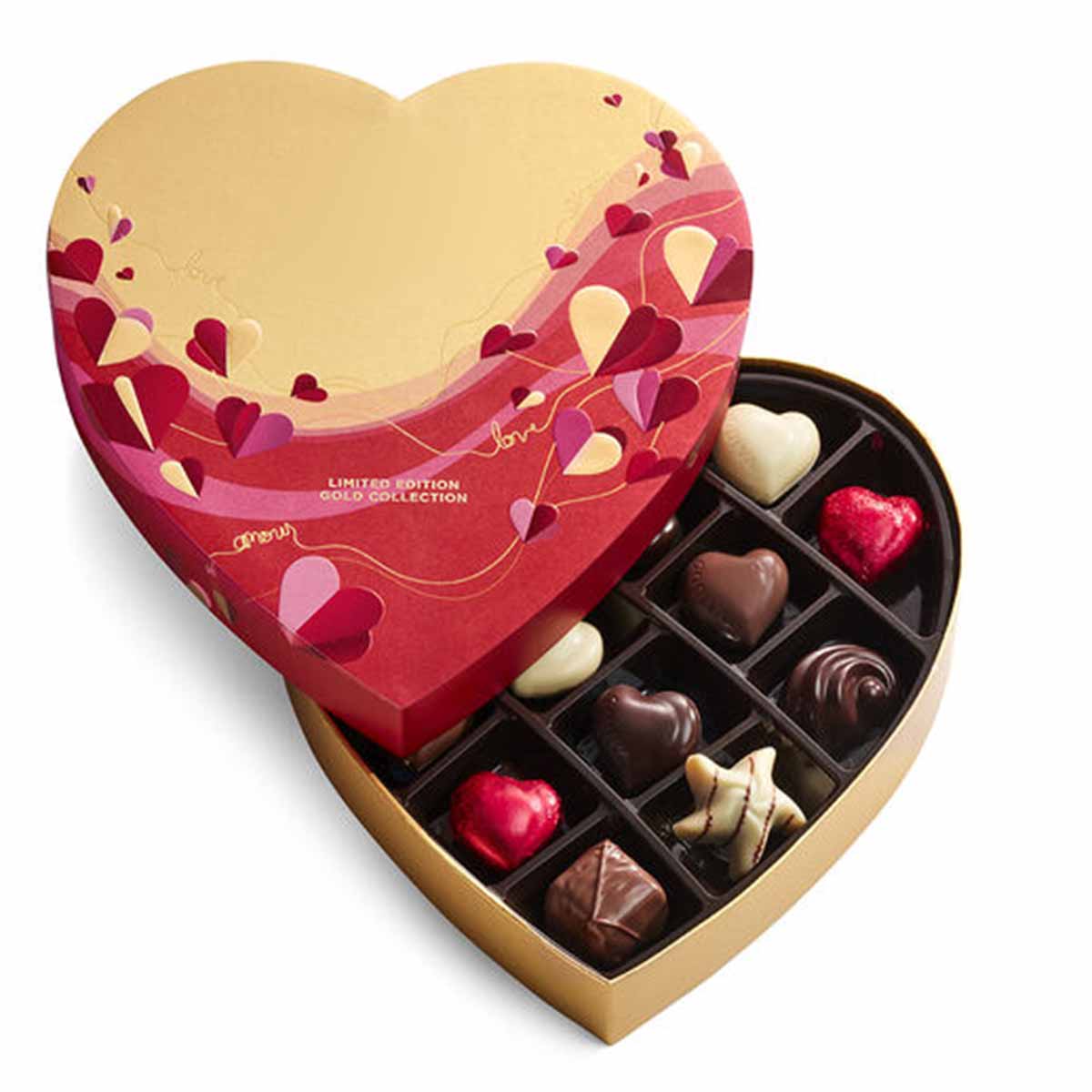
Sweets are heavier than they look, softer than they look, and more colorful than anything you can print.
 12See the build →
Valentine Candy Boxes
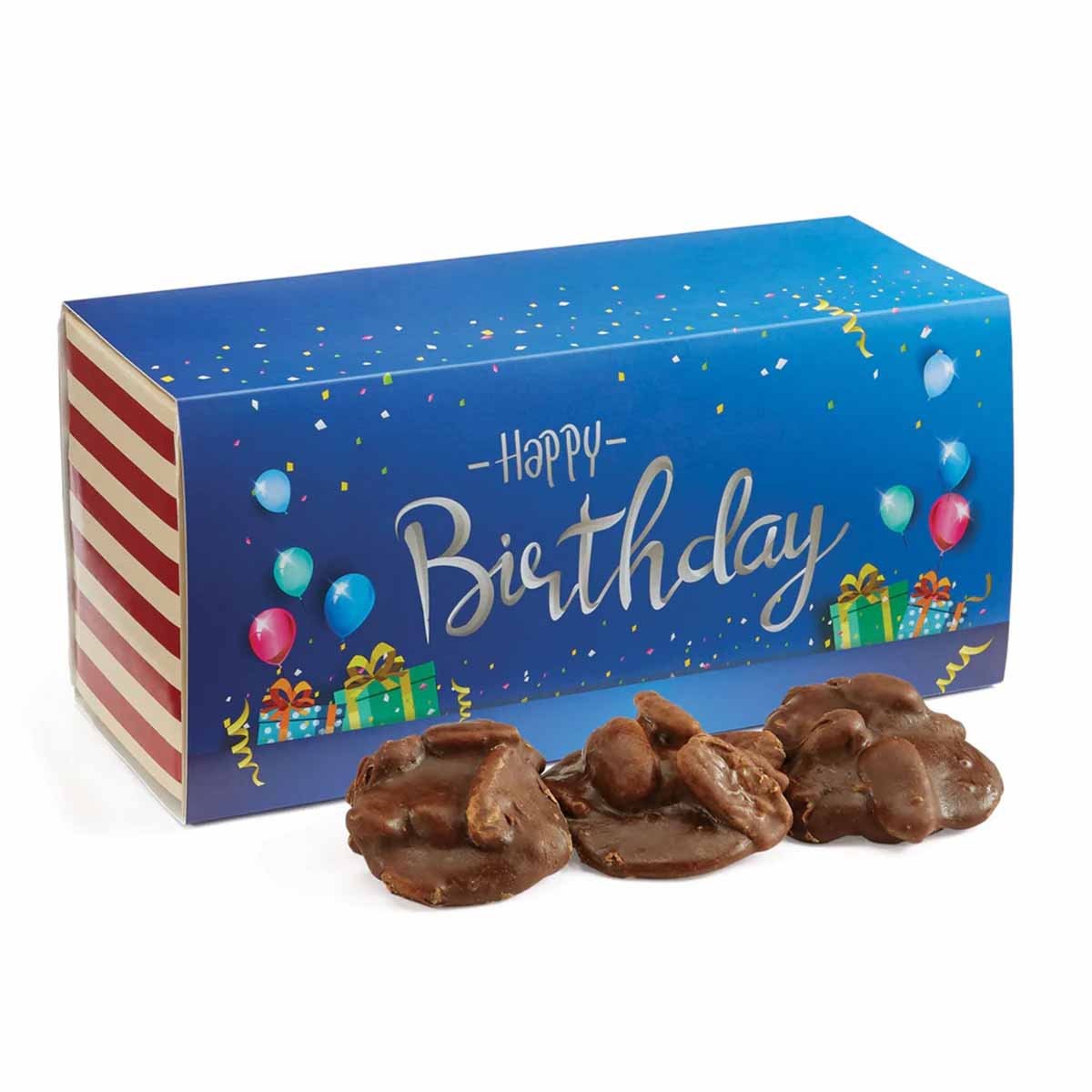
Custom Valentine candy boxes from 100
Side by side
Which candy boxes style fits
| Style | Board | Build | Minimum | |
|---|---|---|---|---|
| Candy Apple Boxes | Grease-resistant SBS or kraft, 20–24 pt; E-flute for four-packs | See the page | 100 boxes | Open → |
| Candy Bar Boxes | Chosen per job | See the page | 100 units | Open → |
| Candy Box Inserts | Food-contact coated white, foiled gold or silver, or black paperboard; formed trays for round pieces | See the page | 100 inserts per layout | Open → |
| Candy Box with Dividers | Chosen per job | Rigid lid and base, folding cartons with locking bases, window builds | 100 boxes | Open → |
| Candy Favor Boxes | 16–18 pt SBS or kraft, matte finish; colored board available | See the page | 100 boxes | Open → |
| Candy Tubes | Chosen per job | See the page | 250 tubes | Open → |
| Cotton Candy Boxes | 14–16 pt SBS cardstock, matte or gloss laminated; clear PET tub for tub formats | Window tuck carton with lock bottom, tub sleeve, counter display tray, multi-flavor box | 100 cartons or sleeves per design | Open → |
| Halloween Candy Boxes | 16–20 pt SBS cardstock, white or black; kraft option for a rustic look | Gable treat box, window tuck carton, shaped-lid box, counter tray, favor box | 100 boxes per design | Open → |
| Lollipop Boxes | Food-grade, 16–20pt; heavier for counter displays that must stand | Sleeves, tall singles, multi-pack trays, counter displays, bouquet boxes | 100 units | Open → |
| Pink Candy Boxes | Pink colored board 300 gsm–18pt; white coated printed pink; kraft with pink print | Window box, pillow box, lidded box, gable box, cone | 100 boxes | Open → |
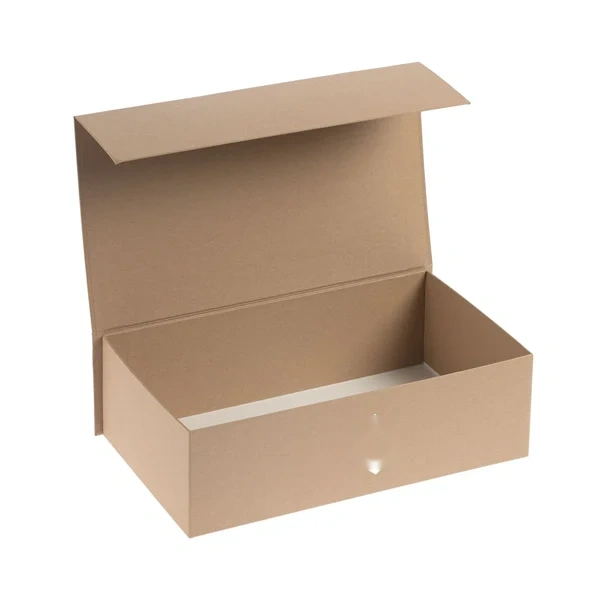
| Rigid Candy Boxes | 1.5–2 mm grayboard wrapped; base supported for the filled weight | Rigid lid and base, magnetic hinged, drawer boxes | 100 boxes | Open → |
| Valentine Candy Boxes | 18–24 pt SBS cardstock for cartons and sleeves; wrapped grayboard for lidded hearts | Lidded heart, hinged heart, conversation-heart carton, divided square, card box, counter display | 100 boxes or sleeves per design | Open → |
Weight, and the base that has to carry it
A 200 ml box of hard candies is around 250 g, and a box of that volume filled with fudge is heavier still. People specify board for the size of the box and are then surprised when the base gives out.
Step the base grade up rather than the whole carton. A locking or auto-lock bottom on 18pt board handles far more than a tuck bottom on 24pt, and costs less than the heavier board across the whole box.
Weigh a filled sample before specifying. Density surprises people in this category more than in any other.
Anything soft will stick to the box
Fudge, caramel, marshmallow, jellies and anything glucose-based will bond to uncoated board in warmth, and pull fiber off the surface when the sweet is removed. That fiber goes into the mouth of the customer.
The answer is a barrier between the sweet and the board — a paper case, a food-grade liner, a wax paper sheet, or individually wrapped pieces. Hard hard candies and pan-coated confectionery are the only things that can sit safely against bare board.
Formats, and what each one is really solving
| Tuck carton | Everyday retail; cheapest and stacks well |
|---|---|
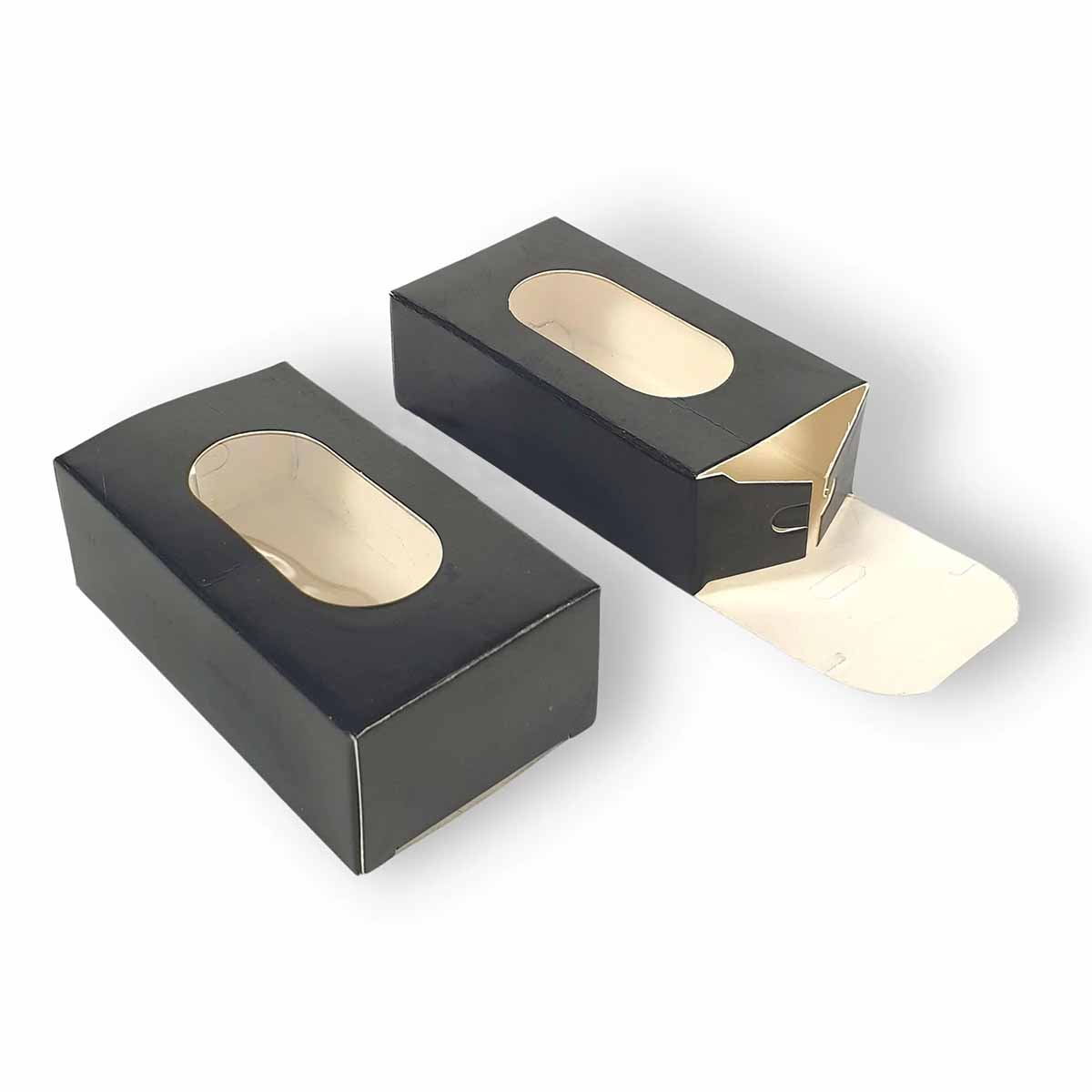
| Window carton | Color is the product; a window sells it better than print |
| Divided rigid box | Selection and gifting; the insert does the presentation |
| Lollipop holder | Punched card that holds sticks upright and stops tangling |
| Pillow pack or sleeve | Party favors and singles; minimal material |
Color, and printing next to something bright
This is one of the few categories where a window is worth the cost purely for how the pack looks on a shelf, before any argument about seeing the product.
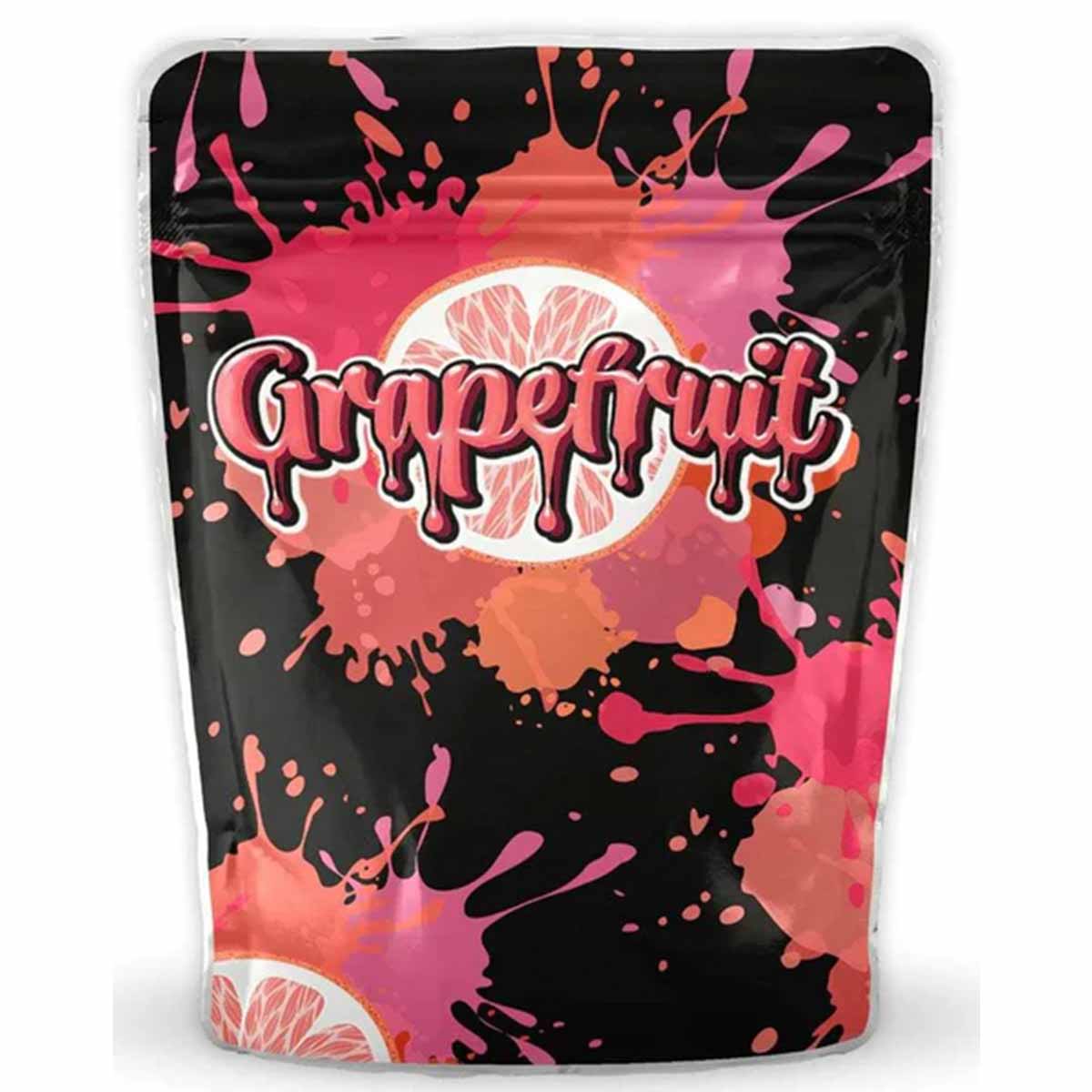
- Sweets are more saturated than any ink on board. A printed box beside them looks dull.
- Uncoated stock makes the gap worse; coated board holds brights far better here.
- A window solves it entirely by letting the product supply the color.
- Foil and metallic inks compete with candy in a way that flat CMYK cannot.
What the pack has to declare
Ingredients, allergens, weight, and — for most confectionery sold in the UK and EU — the colors-and-hyperactivity warning where certain azo dyes are used. That warning takes real space and cannot be shrunk.
Check which colorings are in your recipe before designing the back panel, because finding out afterwards is a reprint. The panel-first approach is the same one described in our chocolate packaging notes.
Across the range
What every candy boxes job runs on
Boards
- Natural kraft
- White SBS
- E and B flute
- Wrapped grayboard
- Food-grade board
- Recycled content
Chosen from what goes in the box and how far it travels. Our notes on recyclable and compostable stocks say which claims each board can carry.
Finishes
- Matte
- Gloss
- Soft-touch
- Foil
- Emboss
- Spot UV
- Kraft
- Textured
Each one is a decision about light on a shelf — the specialty finishes range shows them on real boxes.
Artwork
- Vector PDF or AI, fonts outlined
- 3 mm bleed, 4 mm safe area
- CMYK; a spot color where a match must hold
- Proof on the dieline before press
Files not set up that way are fine — see the guide to preparing print files.
Interactive · five steps · no sign-up
Build your Candy Boxes in 3D
Pick a shape, type a size, choose a board and a finish. The preview on the left redraws as you go, and the spec lands with us exactly as you set it.
Frequently asked questions
Got a question about candy boxes? The answers below cover what we get asked most. If yours is not here, send it with a brief, message us on WhatsApp, or call +1 503-461-4788 — we reply the same working day.
Why did my box bottom fail?
Sweets are dense. Use a locking or auto-lock base rather than heavier board across the whole carton.
Can candy touch the board?
Hard and pan-coated candies can. Anything soft or sticky will bond to it and pull fiber away — use a case, liner or wrap.
Is a window worth it?
In this category, usually yes. Sweets are more colorful than any print, and a window lets them do the work.
Do I need the hyperactivity warning?
Only if your recipe uses the specific colorings it applies to. Check before the back panel is designed.
What is the minimum order for candy boxes?
100 boxes, in any format from tuck cartons to lollipop holders. Weigh a filled sample first; anything above about 200 g gets a locking base.
Why does my printed lid look dull next to the candy?
Sweets are more saturated than any ink on board. Either compete with foil and deep solids, or step back with an uncoated lid.
What board do candy boxes use?
Food-grade board at 16–20pt, with a locking base on anything above about 200 g.
Do you make lollipop holders?
Yes, a punched card that holds the sticks upright and stops them tangling.
Which candy box format suits party favors?
A pillow pack or sleeve. It uses minimal material and suits singles and favors.
How much does a small box of candy weigh?
More than most people expect. A 200 ml box of hard candies is around 250 g and fudge is heavier still, so weigh a filled sample before specifying.
Keep browsing