Custom Boxes
Most of this site is organized around products other people already make. This page is for the jobs that are not: an object with no standard pack, a shape nobody sells, a brief that starts with a drawing rather than a category.
Get a price for Custom Boxes
Send the size and quantity — we reply the same working day with a price, a dieline and a date. Artwork optional at this stage.
- 4styles in this range, each with its own page and price
- 100unit minimum on every style, printed or plain
- 4markets quoted in the delivery currency
- ±1mmcutting tolerance on folding board, checked on a sample
4 styles in this range
Styles we make in this range
Every one below is written up, priced and dielined. Tap a style to see how it is built.
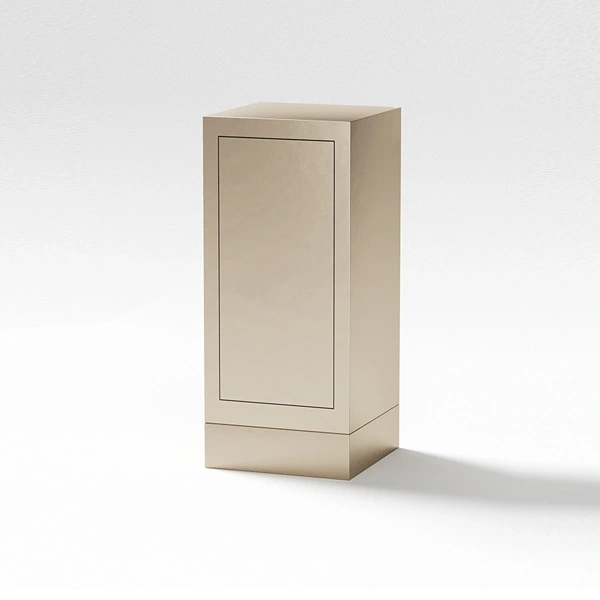 01See the build →
Creative Boxes
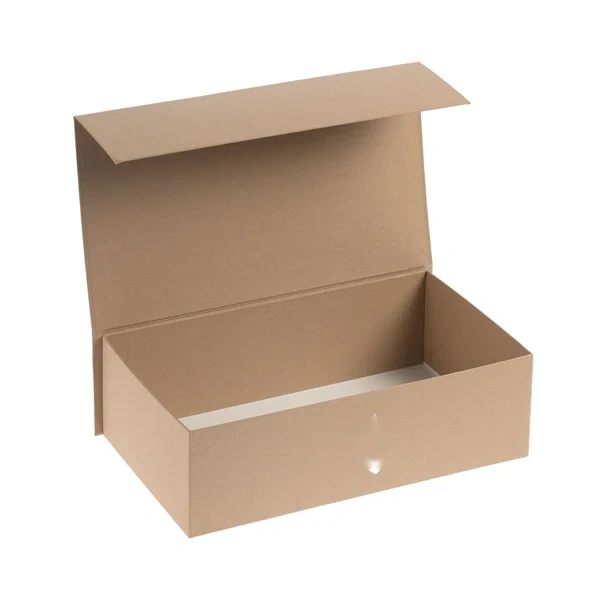
Custom creative boxes where the opening is the idea
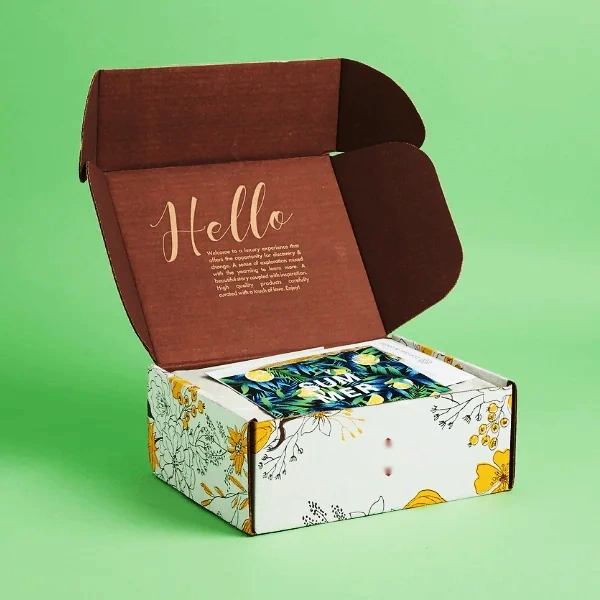 02See the build →
Designer Boxes
Custom designer boxes engineered from your sketch, render or reference, from 100.
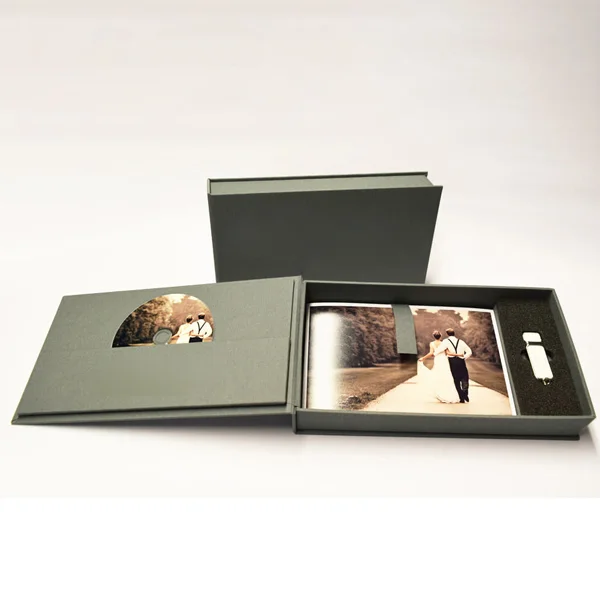 03See the build →
Photography Boxes
Custom photography boxes sized to your prints, USB drive or album, from 100
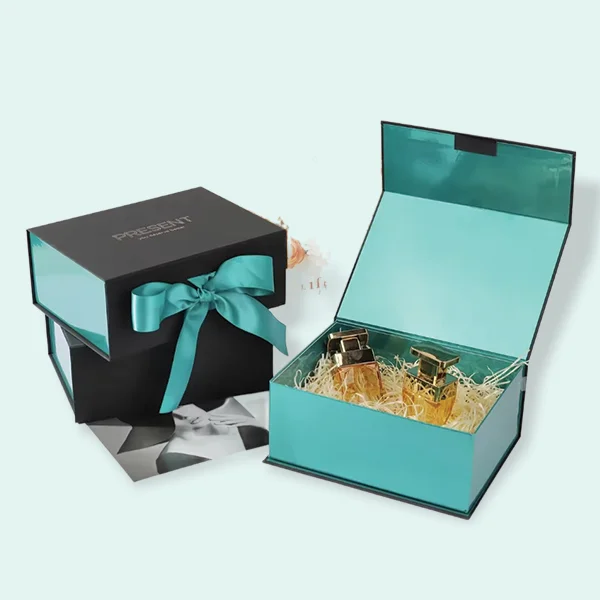 04See the build →
Unique Boxes
Custom unique boxes in a shape nobody else on the shelf has
Side by side
Which custom boxes style fits
| Style | Board | Build | Minimum | |
|---|---|---|---|---|
| Creative Boxes | 18–24pt folding boxboard; wrapped grayboard for rigid components | Magnetic flap, drawer and sleeve, four-flap fold-out, pop-up insert, ribbon lift | 100 boxes | Open → |
| Designer Boxes | Folding boxboard 16–24pt; E flute; wrapped grayboard for rigid parts | From your drawing: shaped panels, custom openings, nested and multi-part | 100 boxes | Open → |
| Photography Boxes | Wrapped grayboard 1.5–2 mm rigid; 20–24pt boxboard folding | Lift-off lid rigid, magnetic flap, folding delivery box, USB and album inserts | 100 boxes | Open → |
| Unique Boxes | 16–24pt folding boxboard for one-piece shapes; wrapped grayboard for rigid forms | Hexagonal, octagonal, tapered, pillow, wedge, cylinder, faceted rigid | 100 boxes | Open → |
A bespoke box costs less than people expect
The cost of a box is board area, print, and the tool that cuts it. A shape nobody has made before needs its own cutting die, and that die is a one-off charge measured in tens of pounds rather than hundreds — after which every reorder uses it again for nothing.
What makes a bespoke pack expensive is not the shape. It is adding a second material, a second pass, or a component that has to be bought in.
Ask what the tooling costs and what the unit price is once it exists. The two numbers together are the honest comparison against a stock box.
What we need to start
A photograph of the object beside a ruler answers most of it. Nothing here needs a technical drawing — that is our job, and the dieline comes back with the quote.
- The object, or its length, width and height at the widest points.
- Its weight when packed, which decides the board and the base.
- Where it goes afterwards — shelf, post, hand delivery, or storage.
- Whether it is opened once or repeatedly.
- A quantity, even a rough one, because it decides the printing process.
Shapes that work, and shapes that fight you
| Any prism | Cube, hexagon, triangle, pentagon — one blank, one die, no premium |
|---|---|
| Curved walls | Wrapped and seamed rather than folded; a different build |
| Deep and narrow | Hard to fill by hand, and awkward to get the product out of |
| Very flat and wide | The lid bows in the middle; needs support or a heavier board |
| Interlocking multi-part | Beautiful, slow to assemble, and expensive to pack |
The dieline is the conversation
A dieline is the flat drawing of the box before it is folded — every cut, every crease, every glue tab. It is where a bespoke job is agreed, because it is the first point at which everyone is looking at the same object.
Reading one takes ten minutes and saves reprints; our guide to reading a dieline covers what each line means.
When a stock shape is the better answer
Plenty of bespoke briefs are solved by an existing build with different dimensions. A tuck box is a tuck box at any size, and it costs less than a shape invented for the occasion because the construction is proven.
We will say so when that is the case. A custom size on a standard build is the most common answer we give, and it is usually the right one.
Across the range
What every custom boxes job runs on
Boards
- Natural kraft
- White SBS
- E and B flute
- Wrapped grayboard
- Food-grade board
- Recycled content
Chosen from what goes in the box and how far it travels. Our notes on recyclable and compostable stocks say which claims each board can carry.
Finishes
- Matte
- Gloss
- Soft-touch
- Foil
- Emboss
- Spot UV
- Kraft
- Textured
Each one is a decision about light on a shelf — the specialty finishes range shows them on real boxes.
Artwork
- Vector PDF or AI, fonts outlined
- 3 mm bleed, 4 mm safe area
- CMYK; a spot color where a match must hold
- Proof on the dieline before press
Files not set up that way are fine — see the guide to preparing print files.
Interactive · five steps · no sign-up
Build your Custom Boxes in 3D
Pick a shape, type a size, choose a board and a finish. The preview on the left redraws as you go, and the spec lands with us exactly as you set it.
Frequently asked questions
Got a question about custom boxes? The answers below cover what we get asked most. If yours is not here, send it with a brief, message us on WhatsApp, or call +1 503-461-4788 — we reply the same working day.
What does a custom shape cost?
A one-off cutting die, then the same unit economics as any other box. The shape itself is rarely what makes a pack expensive.
Do I need to send a drawing?
No. Dimensions at the widest points, or a photograph beside a ruler, is enough — the dieline is our job.
Can you copy a box I already have?
Yes. Send it and we will measure and redraw it, which is faster and more accurate than working from a description.
Is a custom size the same as a custom shape?
No, and the difference matters. A standard build at your dimensions is cheaper and more proven than a new shape.
What is the minimum order?
100 boxes, whatever the shape.
Which shapes are hard to fill by hand?
Deep and narrow ones, and interlocking multi-part builds. Both are producible; both slow the packing bench.
What does a custom shape cost?
A one-off cutting die, then the same unit economics as any other box. The shape itself is rarely what makes a pack expensive.
Do I need to send a drawing?
No. Dimensions at the widest points, or a photograph beside a ruler, is enough — the dieline is our job.
Can you copy a box I already have?
Yes. Send it and we will measure and redraw it, which is faster and more accurate than working from a description.
Is a custom size the same as a custom shape?
No, and the difference matters. A standard build at your dimensions is cheaper and more proven than a new shape.
Keep browsing