Custom Sleeves
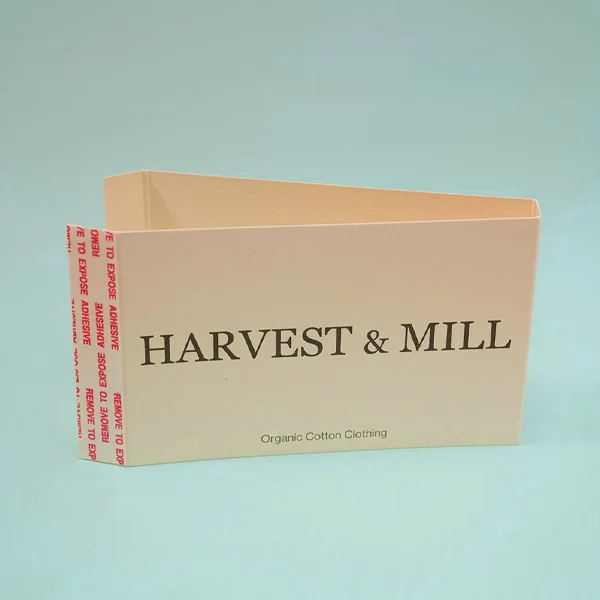
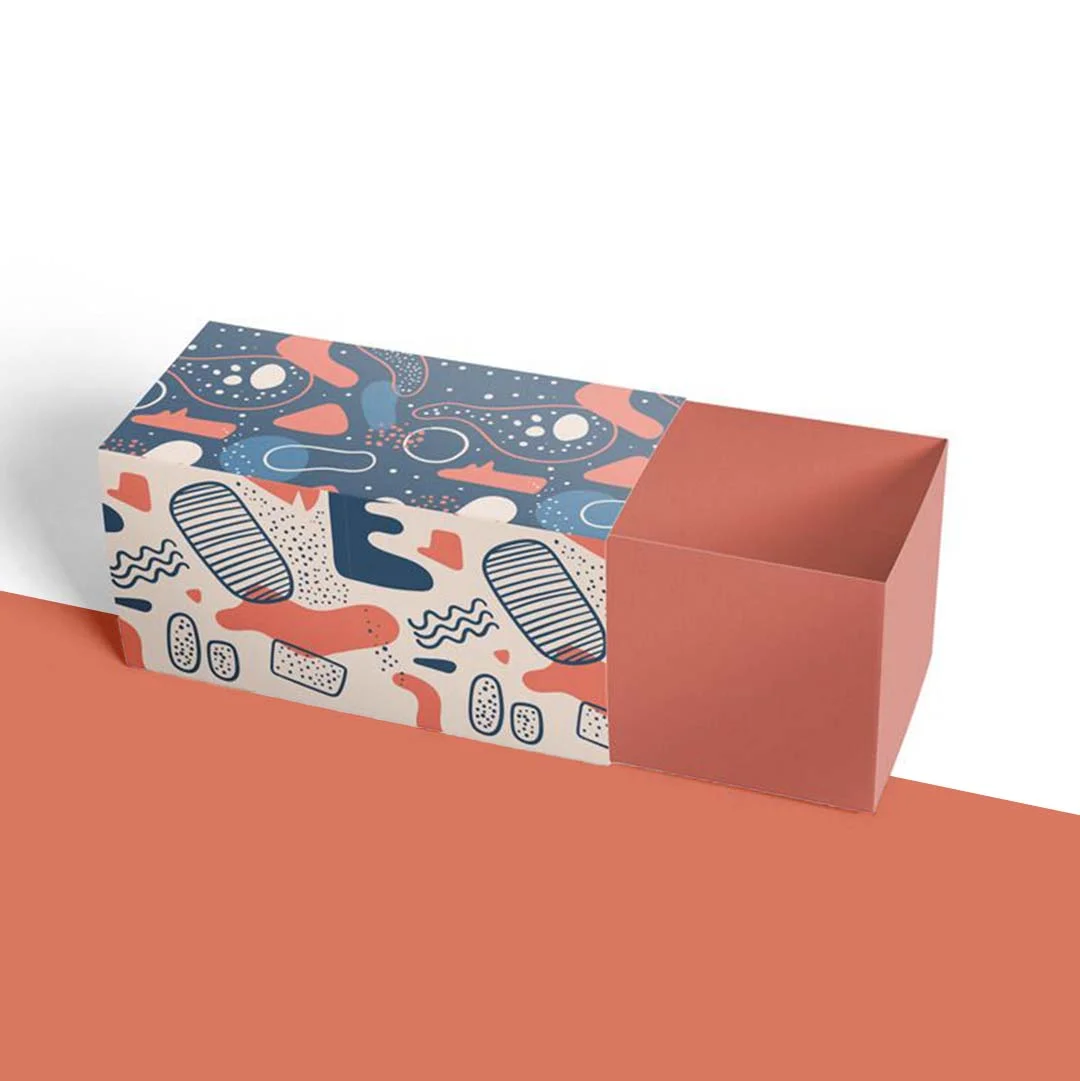
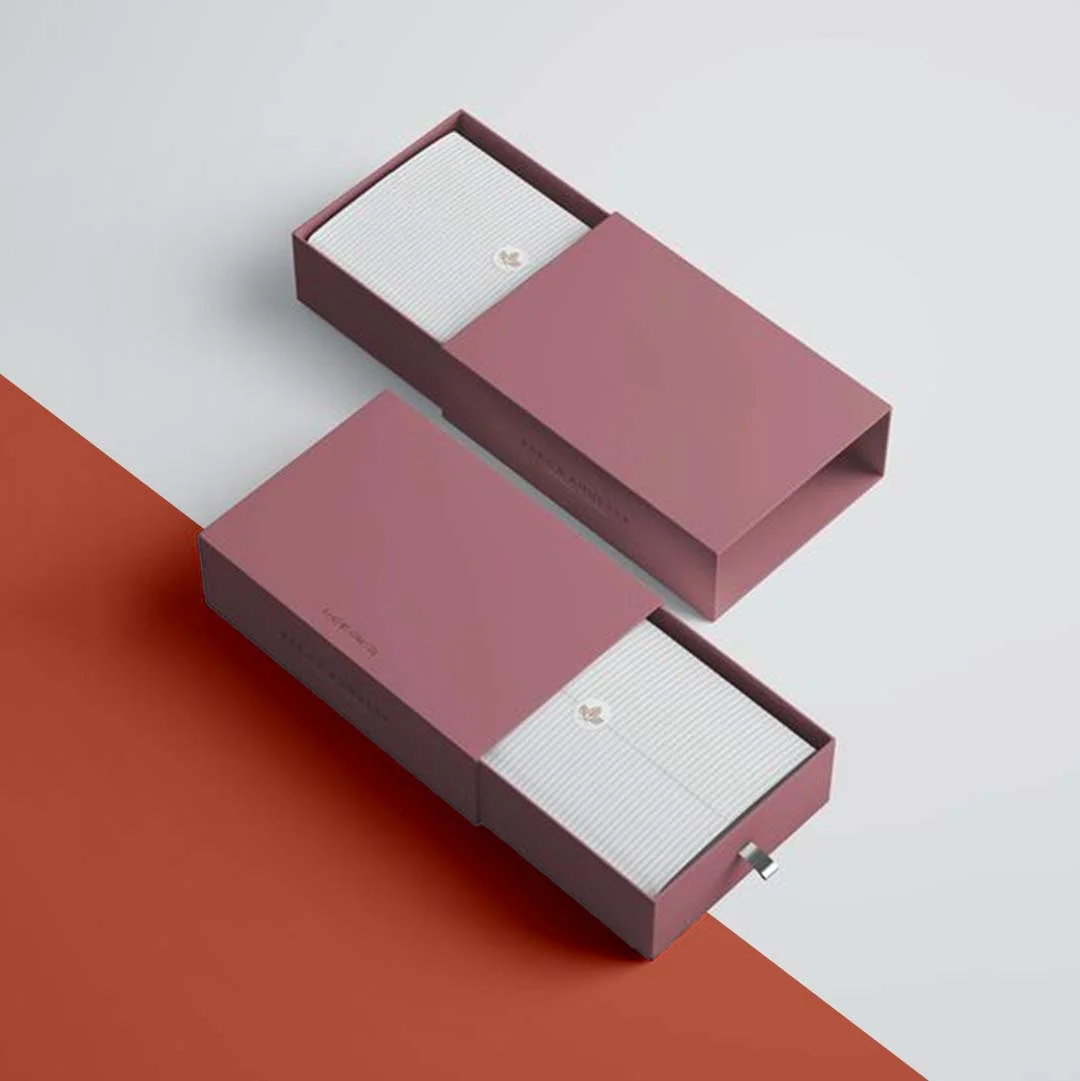
A sleeve carries the brand, the barcode, the ingredients and the shelf appeal, using around a tenth of the board of a carton. It gives up protection entirely — and for a great many products, protection was never what the packaging was doing.
Get a price for Sleeves
Send the size and quantity — we reply the same working day with a price, a dieline and a date. Artwork optional at this stage.
- 3styles in this range, each with its own page and price
- 100unit minimum on every style, printed or plain
- 4markets quoted in the delivery currency
- ±1mmcutting tolerance on folding board, checked on a sample
3 styles in this range
Styles we make in this range
Every one below is written up, priced and dielined. Tap a style to see how it is built.
Side by side
Which sleeves style fits
| Style | Board | Build | Minimum | |
|---|---|---|---|---|
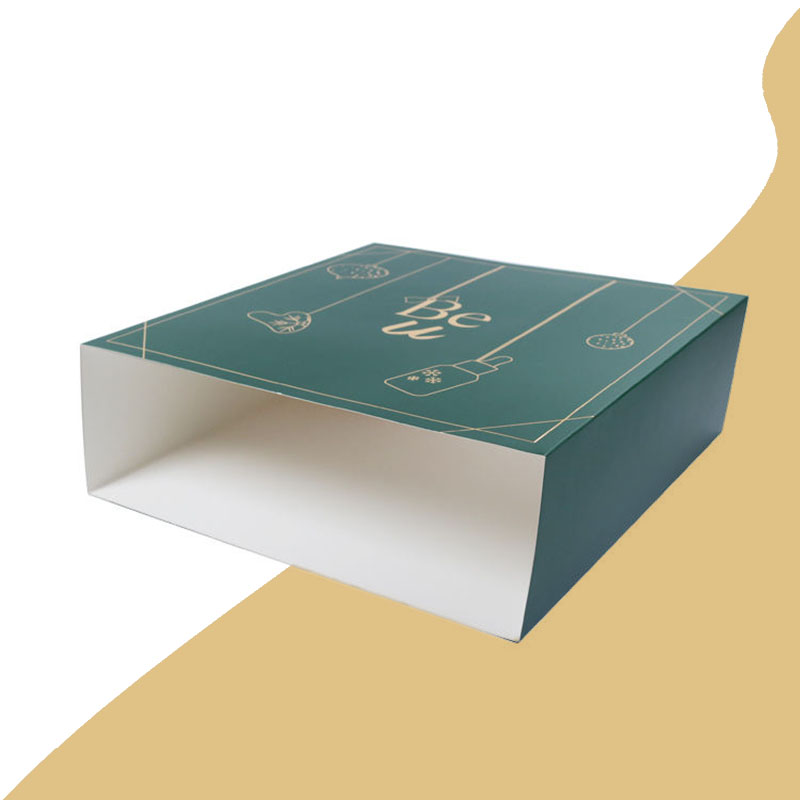
| Cardboard Sleeve Boxes | Tray 18–24pt boxboard or E flute; sleeve 300–350 gsm or 16pt | Open tray and sleeve; closed-end sleeve; ribbon-pull tray; rigid tray and slipcase | 100 sets | Open → |
| Packaging Sleeves | 200–350 gsm; 16–18pt boxboard for structural sleeves | Belly band, full wrap, clamshell sleeve, bundle sleeve | 100 sleeves | Open → |
| Paper Sleeves | 250–350 gsm; 16–18pt boxboard for heavy or standing sleeves | Glued band, interlocking tab-and-slot, open or closed ends | 100 sleeves | Open → |
When a sleeve is the right answer
The last one is the argument that wins most often. A plain box with a well-designed sleeve reads as more deliberate than a mediocre printed carton, and costs less.
- The product is already protected — a wrapped bar, a sealed tray, a rigid item.
- You want the product visible, which a carton prevents.
- You run many variants and want one stock item plus a changing band.
- The pack has to be cheap per unit and still look considered.
Circumference, and why you must not calculate it
A sleeve is sized by the distance all the way around the object plus an overlap for the glue seam. Adding up the sides gives a number that is always slightly wrong, because it ignores the radius at every corner.
Wrap a strip of paper around the real object, mark where it meets, measure it, and add about 10 mm for the seam. That measurement is reliable in a way arithmetic is not.
A sleeve on a soft or compressible product needs to be measured on the product under the tension the sleeve will apply, not loose.
Friction is the only thing holding it on
On a run of a few hundred, the fit tolerance matters more than anything printed on it. We send a sample before the full run for this reason alone.
| Too loose | Slides off in a basket or a bag; the commonest complaint |
|---|---|
| Correct | Needs light pressure to fit, will not fall off when shaken once |
| Too tight | Scuffs the product going on, slows packing to a crawl |
| Glued to the pack | A dot of removable adhesive fixes it permanently |
Where sleeves are used, and what changes
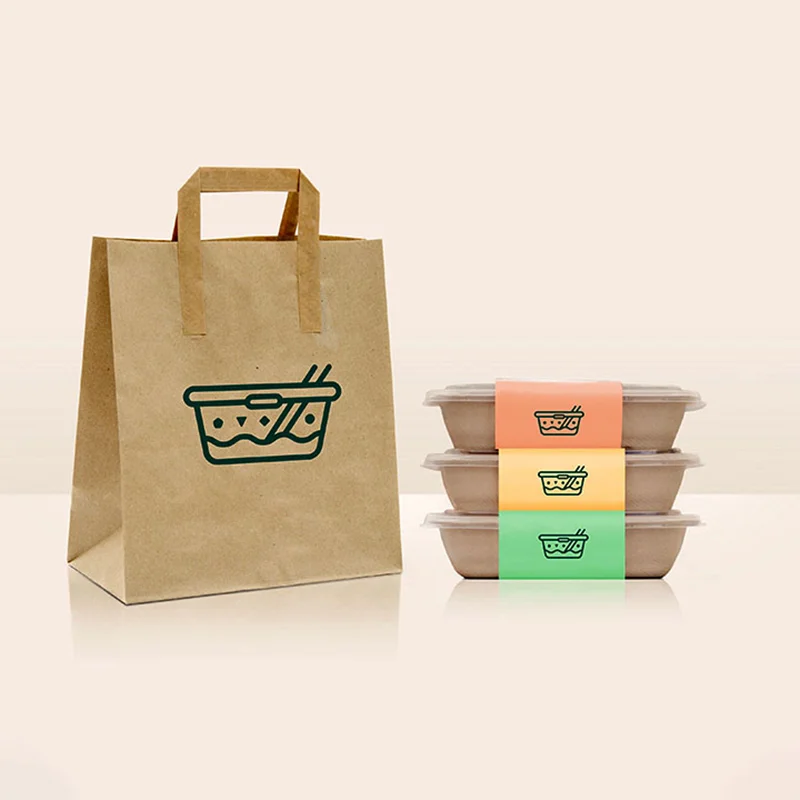
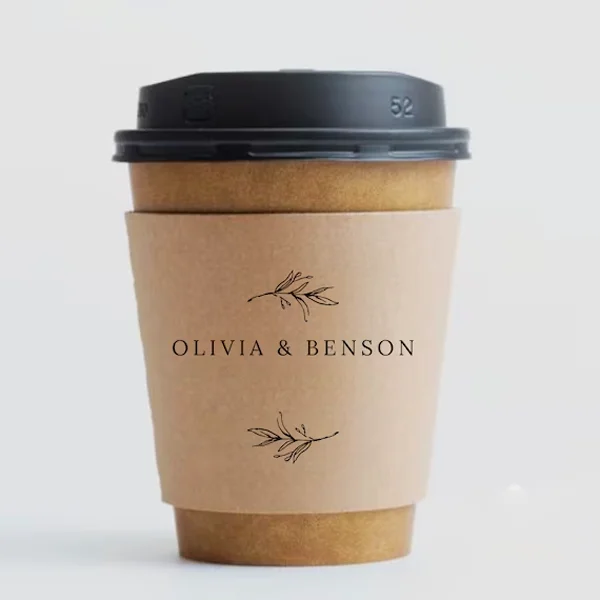
On food trays and ready meals a sleeve carries all the legal text and the tray stays plain. On soap and bar products it lets the customer smell and see the bar. On cups it is an insulating grip as well as a print surface. On a plain kraft box it turns stock packaging into branded packaging.
Each of those has its own constraints — the food ones are set out with the board and barrier detail in our food service paper notes.
Printing on both faces of something thin
The inside face of a sleeve is visible at the moment it is removed, and on a food tray it is visible whenever the sleeve is lifted. Printing it is a second pass on card you have already bought.
The other free surface is the short edge. On any product stored in a stack or a drawer, that edge is what gets read, and most sleeve designs leave it blank.
Across the range
What every sleeves job runs on
Boards
- Natural kraft
- White SBS
- E and B flute
- Wrapped grayboard
- Food-grade board
- Recycled content
Chosen from what goes in the box and how far it travels. Our notes on recyclable and compostable stocks say which claims each board can carry.
Finishes
- Matte
- Gloss
- Soft-touch
- Foil
- Emboss
- Spot UV
- Kraft
- Textured
Each one is a decision about light on a shelf — the specialty finishes range shows them on real boxes.
Artwork
- Vector PDF or AI, fonts outlined
- 3 mm bleed, 4 mm safe area
- CMYK; a spot color where a match must hold
- Proof on the dieline before press
Files not set up that way are fine — see the guide to preparing print files.
Interactive · five steps · no sign-up
Build your Sleeves in 3D
Pick a shape, type a size, choose a board and a finish. The preview on the left redraws as you go, and the spec lands with us exactly as you set it.
Frequently asked questions
Got a question about sleeves? The answers below cover what we get asked most. If yours is not here, send it with a brief, message us on WhatsApp, or call +1 503-461-4788 — we reply the same working day.
How do I measure for a sleeve?
Wrap paper around the real object, mark the overlap and measure it. Adding up the sides ignores the corner radius and comes out short.
My sleeves keep sliding off — why?
They are sized loose. A sleeve holds by friction alone and should need light pressure to fit.
Flat or pre-glued?
Pre-glued if you are packing volume; flat if the object size varies and you want to glue to fit.
Can a sleeve replace a box?
Wherever the product is already protected, yes — and it costs a fraction of the board.
What is the minimum order?
100 sleeves, any format.
Which surface do most sleeve designs waste?
The short edge — on any product stored in a stack or a drawer, that edge is what gets read.
How do I measure for a sleeve?
Wrap paper around the real object, mark the overlap and measure it. Adding up the sides ignores the corner radius and comes out short.
My sleeves keep sliding off — why?
They are sized loose. A sleeve holds by friction alone and should need light pressure to fit.
Flat or pre-glued?
Pre-glued if you are packing volume; flat if the object size varies and you want to glue to fit.
Can a sleeve replace a box?
Wherever the product is already protected, yes — and it costs a fraction of the board.
Keep browsing