Custom Food Trays
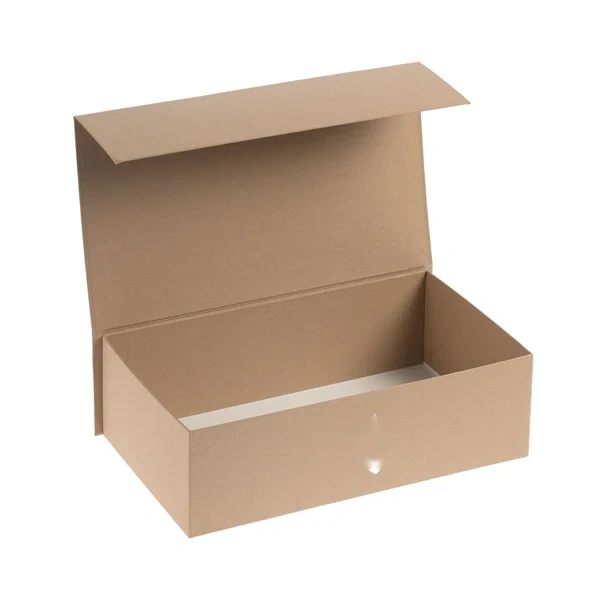
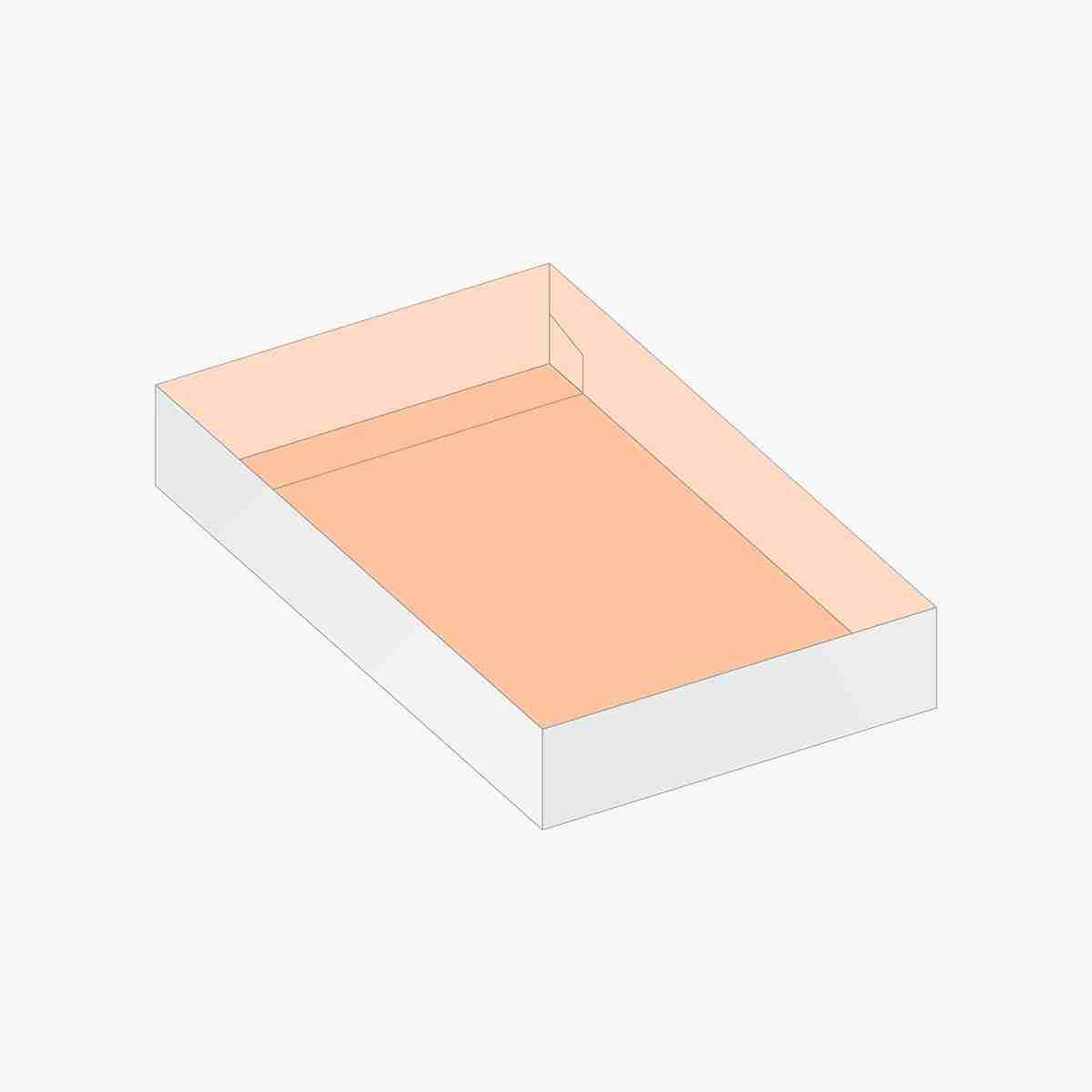
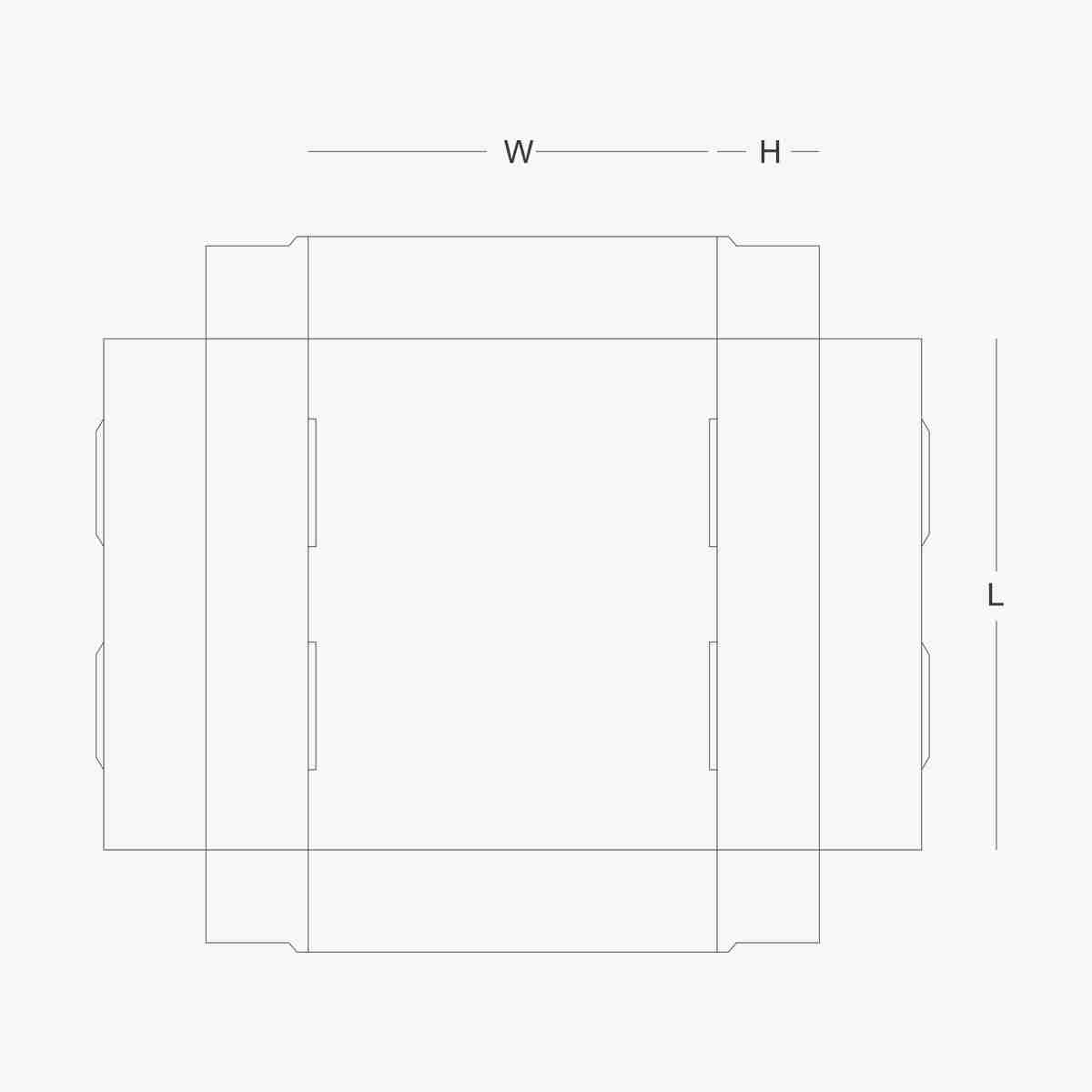
A tray has no lid, so it has no closure to fail — and no closure to hold it square either. Everything a tray has to do, it does through the corners, which is why the corner build is the only specification that really matters here.

Get a price for Food Trays
Send the size and quantity — we reply the same working day with a price, a dieline and a date. Artwork optional at this stage.
- 4styles in this range, each with its own page and price
- 100unit minimum on every style, printed or plain
- 4markets quoted in the delivery currency
- ±1mmcutting tolerance on folding board, checked on a sample
4 styles in this range
Styles we make in this range
Every one below is written up, priced and dielined. Tap a style to see how it is built.
01See the build →Foot Lock Trays
Custom foot lock trays
 02See the build →
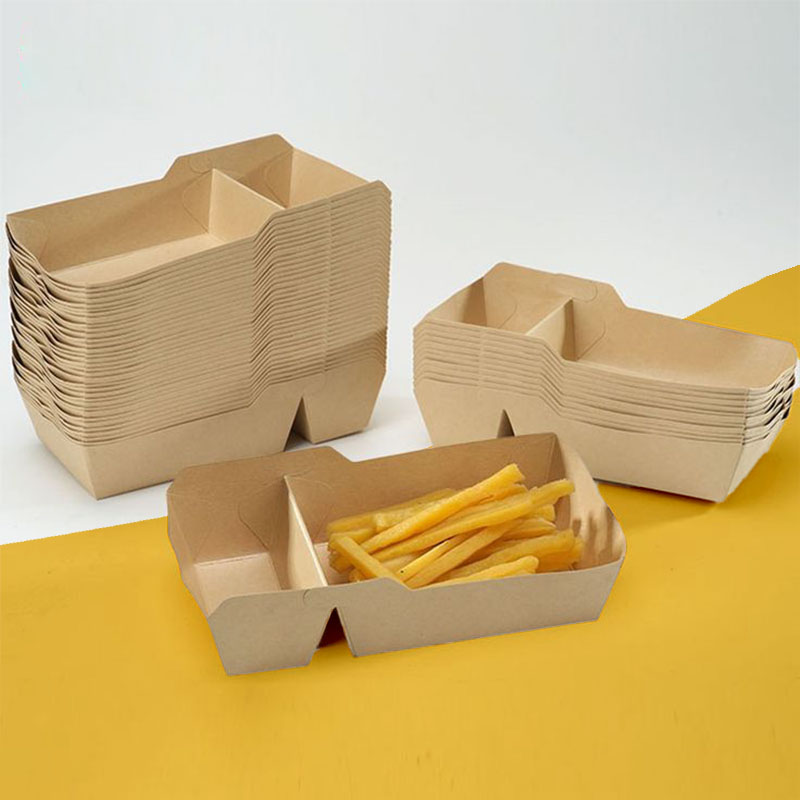
Paper Food Trays
Take the lid off a box and you remove most of what was holding it square.
 03See the build →
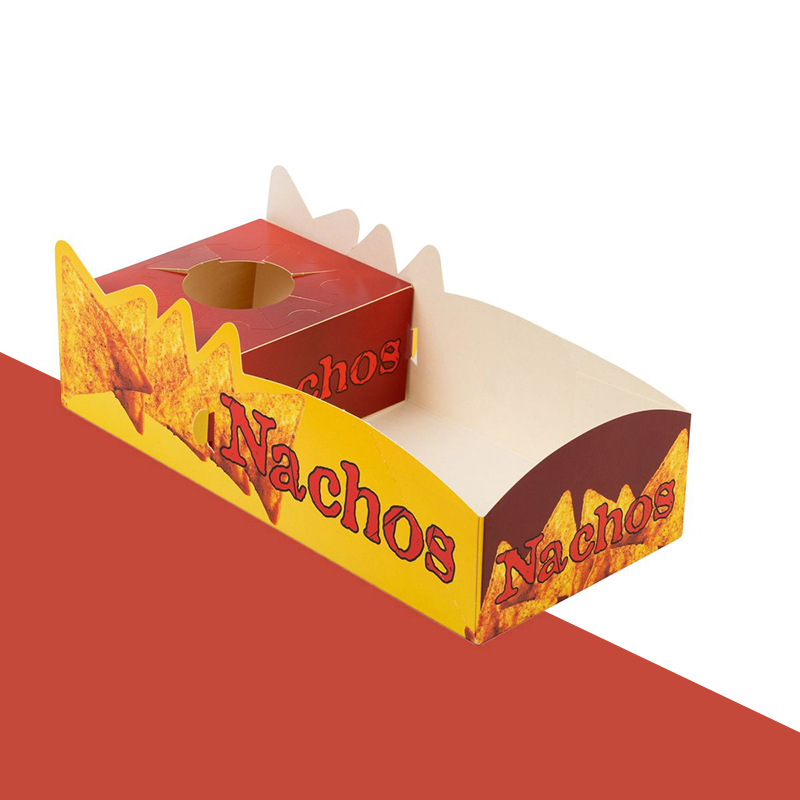
Paper Nacho Trays
Nachos are the hardest thing a paper tray is asked to hold.
 04See the build →
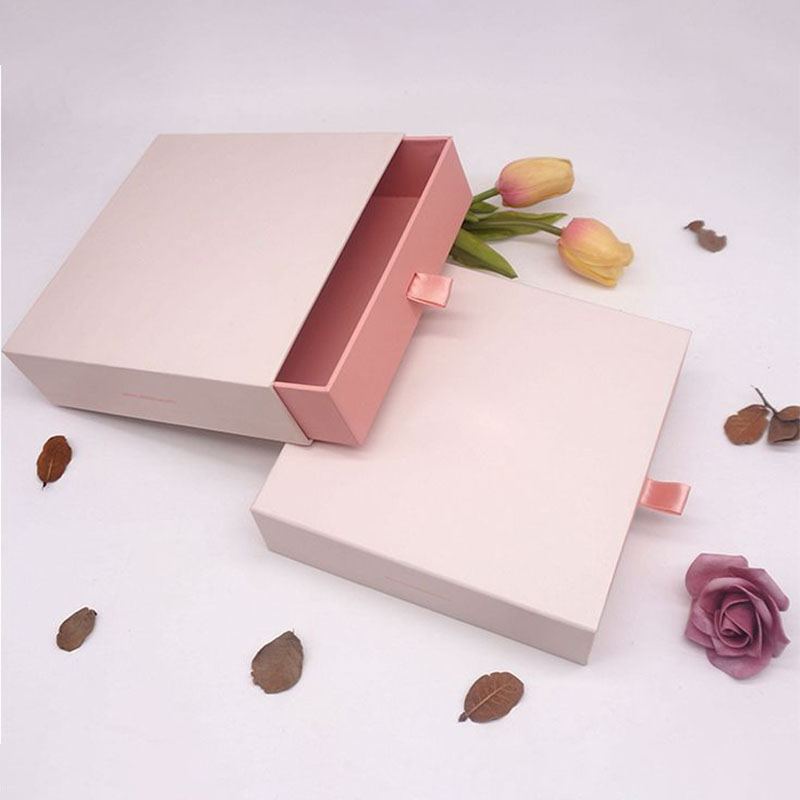
Tray Sleeve Boxes
Custom tray sleeve boxes
Side by side
Which food trays style fits
| Style | Board | Build | Minimum | |
|---|---|---|---|---|
| Foot Lock Trays | Grease-resistant boxboard 18–24pt; food-grade plain; E flute; PFAS-free | Four-corner foot lock; tabs outside or inside; rolled rim on deep trays | 100 trays | Open → |
| Paper Food Trays | Grease-resistant food-grade; corrugated for catering sizes | Lock corner, glued corner, compartmented, food boats | 100 trays | Open → |
| Paper Nacho Trays | Grease-resistant food-grade; corrugated for catering sizes | Shallow open tray, glued corners; single or divided wells | 100 trays | Open → |
| Tray Sleeve Boxes | Tray: food-grade grease-resistant 18–24pt; sleeve: 300–350 gsm coated | Tray with locked or glued corners; PET lid option; sleeve with window | 100 sets | Open → |
Three ways to make a corner, and one of them leaks
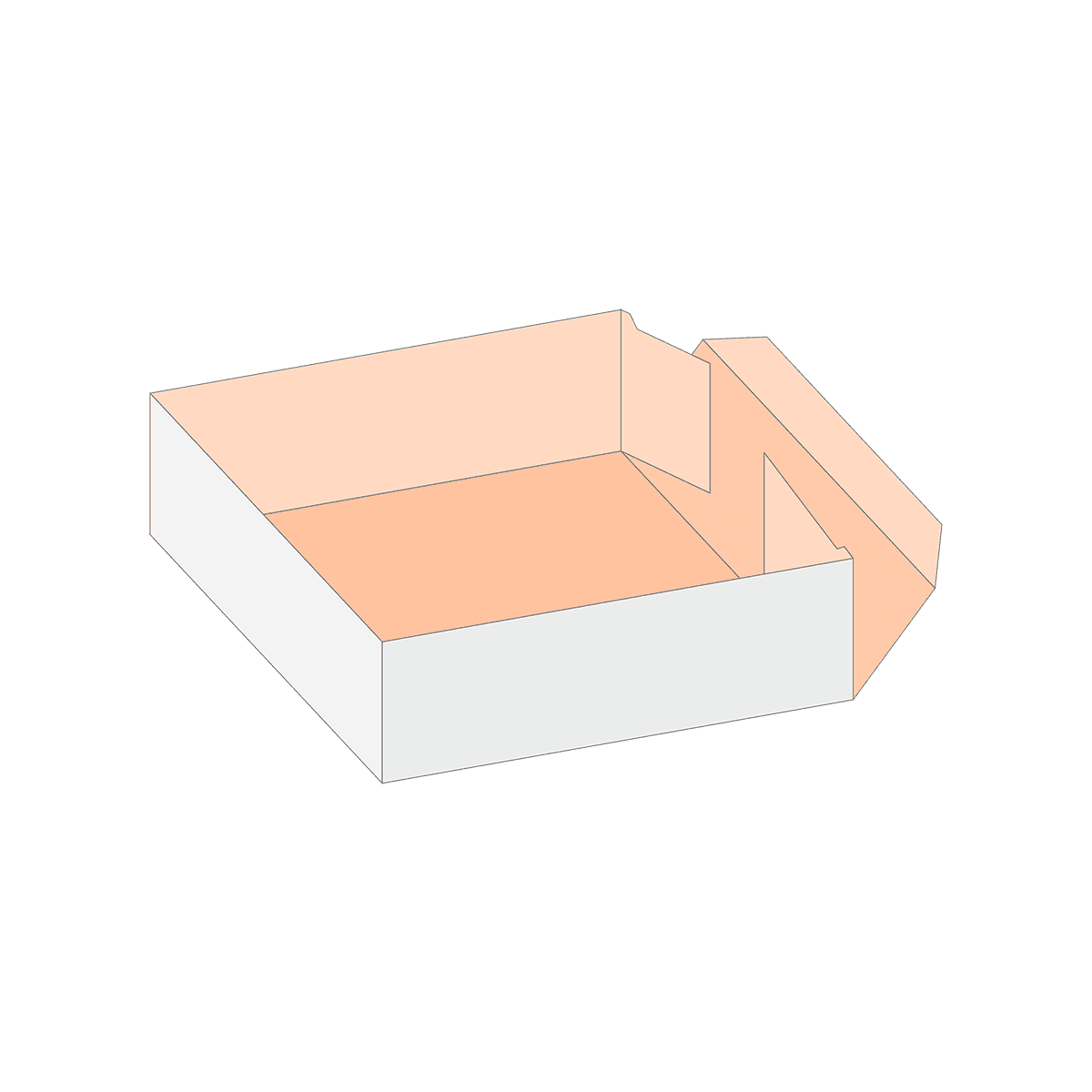
If anything on the tray is wet — sauce, oil, melting cheese — the corner has to be glued. A lock corner is a mechanical joint with a gap in it, and the gap is exactly where liquid finds its way out.
| Lock corner | Folded and tucked; no glue, holds dry and moderately wet food |
|---|---|
| Glued corner | Sealed, holds liquid, cannot be flat-packed as tightly |
| Stitched or clipped | Heavy-duty catering trays; strongest and least tidy |
| Simple folded corner | Cheapest, opens under weight, leaks at the fold |
Test with the actual food, warm. A tray that holds water at room temperature can still leak hot oil.
Depth is a serving decision
A shallow tray shows the food and lets it cool fast. A deep tray holds heat, hides the contents, and lets things pile up and topple when carried.
Nachos and loaded fries want shallow and wide, because presentation is the product and every topping should be visible. Rice and curry want deep, because the food is portioned by volume and does not need to be seen.
Sleeves turn a tray into a branded pack
A plain tray plus a printed sleeve is usually cheaper than a fully printed tray, and it lets one stock tray serve several products with only the sleeve changing.
The sleeve also carries the mandatory information, keeping the tray itself simple and food-safe. The sizing and fit rules for the band are in our printed sleeve notes.
Heat, steam and the food that sits in a tray
- An open tray vents naturally, which keeps fried food crisp better than any closed box.
- It also loses heat fast, which is wrong for anything eaten twenty minutes later.
- A film lid or a paper cover slows both, and turns a tray into a closed pack.
- Stacking hot trays in a bag transfers heat and crushes the contents of the bottom one.
Board grade, because a full tray is heavy
A loaded nacho tray or a full portion of chips is a surprising weight on a base with no lid to add rigidity. The failure is a base that flexes when picked up and dumps the contents.
Corrugated is used for large catering trays for this reason. For counter-sized trays a heavy grease-resistant board is enough, provided the corners are properly built.
Across the range
What every food trays job runs on
Boards
- Natural kraft
- White SBS
- E and B flute
- Wrapped grayboard
- Food-grade board
- Recycled content
Chosen from what goes in the box and how far it travels. Our notes on recyclable and compostable stocks say which claims each board can carry.
Finishes
- Matte
- Gloss
- Soft-touch
- Foil
- Emboss
- Spot UV
- Kraft
- Textured
Each one is a decision about light on a shelf — the specialty finishes range shows them on real boxes.
Artwork
- Vector PDF or AI, fonts outlined
- 3 mm bleed, 4 mm safe area
- CMYK; a spot color where a match must hold
- Proof on the dieline before press
Files not set up that way are fine — see the guide to preparing print files.
Interactive · five steps · no sign-up
Build your Food Trays in 3D
Pick a shape, type a size, choose a board and a finish. The preview on the left redraws as you go, and the spec lands with us exactly as you set it.
Frequently asked questions
Got a question about food trays? The answers below cover what we get asked most. If yours is not here, send it with a brief, message us on WhatsApp, or call +1 503-461-4788 — we reply the same working day.
Why is my tray leaking at the corners?
A lock corner is a mechanical joint with a gap. Anything wet or oily needs a glued corner.
Shallow or deep?
Shallow for anything where the toppings are the product. Deep for portioned food that does not need to be seen.
Should I print the tray or use a sleeve?
A sleeve is usually cheaper and lets one stock tray serve several products.
My tray bends when it is picked up — heavier board?
Yes, and check the corner build. A tray has no lid to add rigidity, so both matter more than in a closed box.
What is the minimum order?
100 trays, any build.
Can I stack hot trays in a bag?
Badly — heat transfers between them and the bottom one is crushed. Use a lidded box for stacked delivery.
Why is my tray leaking at the corners?
A lock corner is a mechanical joint with a gap. Anything wet or oily needs a glued corner.
Shallow or deep?
Shallow for anything where the toppings are the product. Deep for portioned food that does not need to be seen.
Should I print the tray or use a sleeve?
A sleeve is usually cheaper and lets one stock tray serve several products.
My tray bends when it is picked up — heavier board?
Yes, and check the corner build. A tray has no lid to add rigidity, so both matter more than in a closed box.
Keep browsing