Custom Food Paper
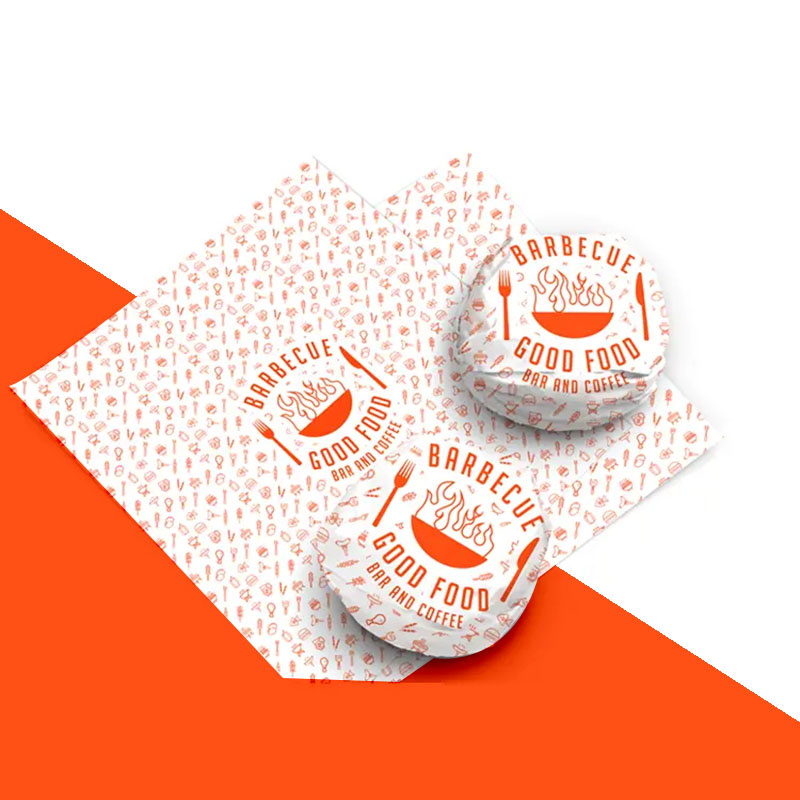
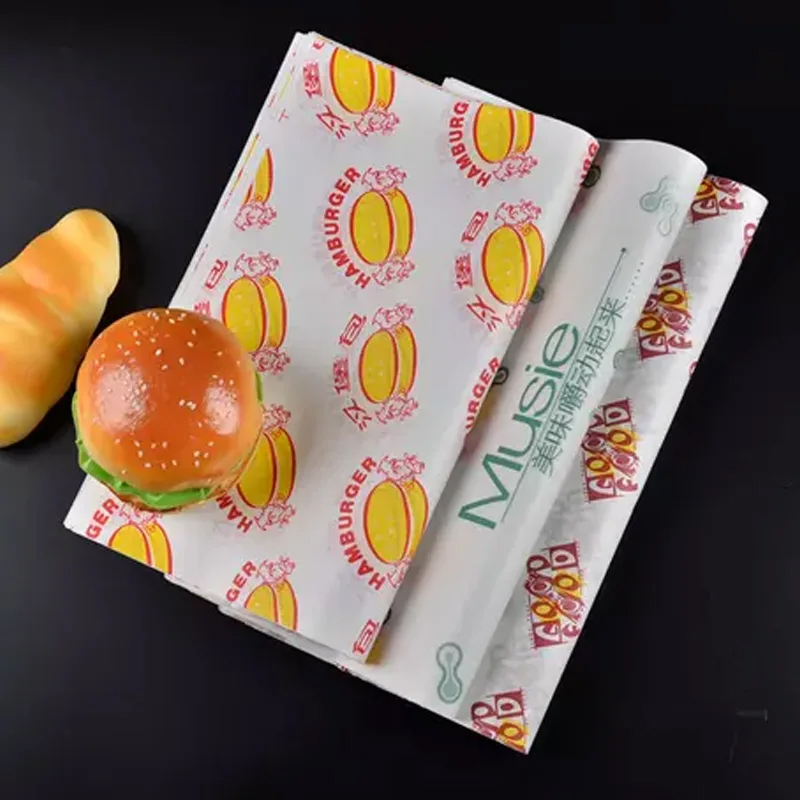
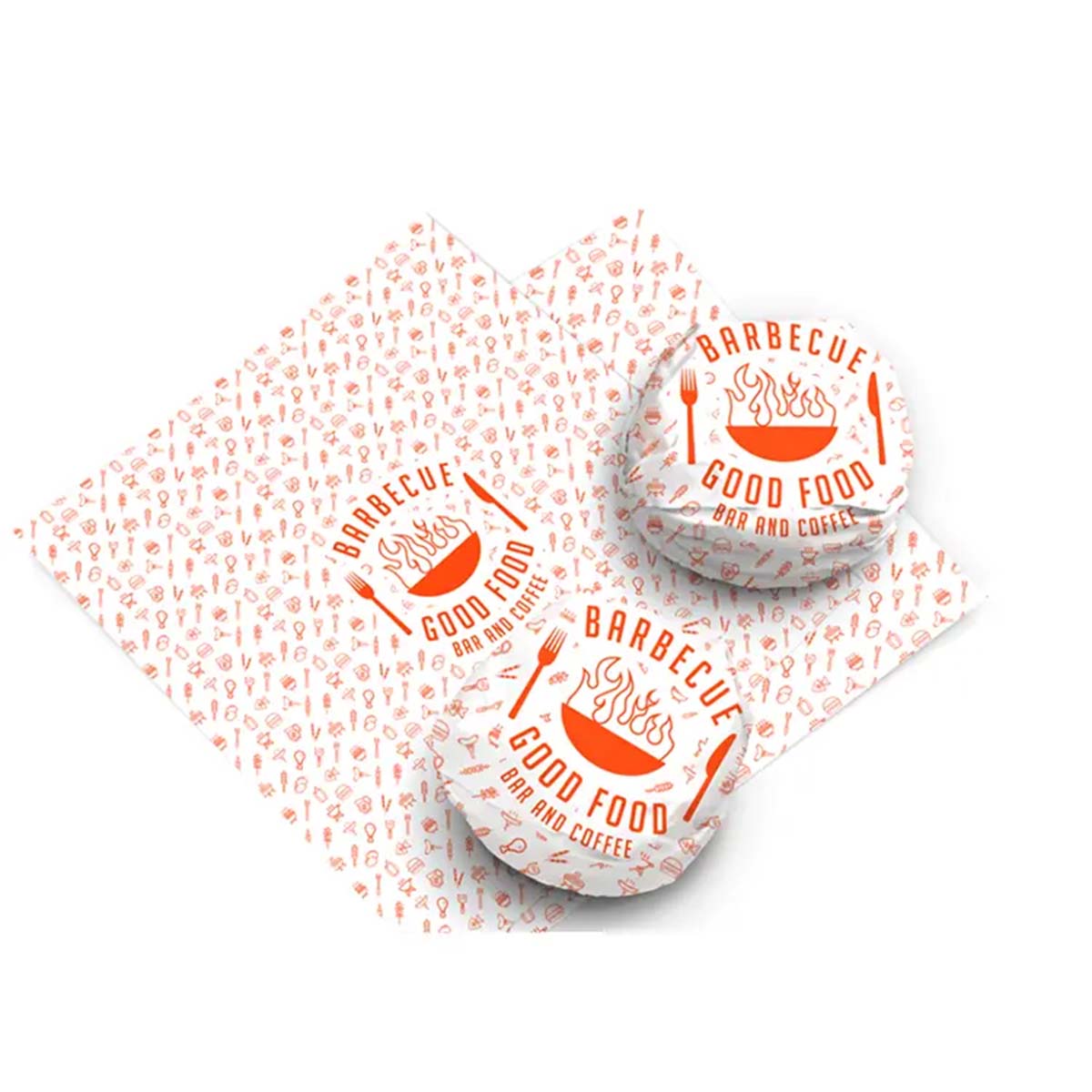
A printed sheet costs a fraction of a printed box and appears in every photograph a customer takes. For most food businesses it is the highest-return item on the packaging list and the last one they get around to.
Get a price for Food Paper
Send the size and quantity — we reply the same working day with a price, a dieline and a date. Artwork optional at this stage.
- 7styles in this range, each with its own page and price
- 100unit minimum on every style, printed or plain
- 4markets quoted in the delivery currency
- ±1mmcutting tolerance on folding board, checked on a sample
7 styles in this range
Styles we make in this range
Every one below is written up, priced and dielined. Tap a style to see how it is built.
 01See the build →
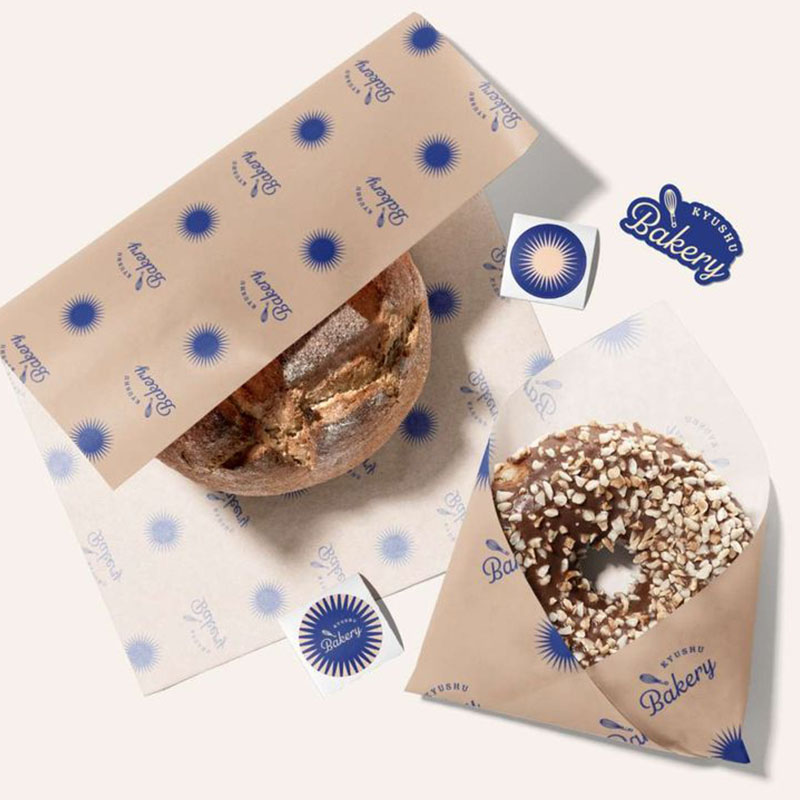
Butcher Paper
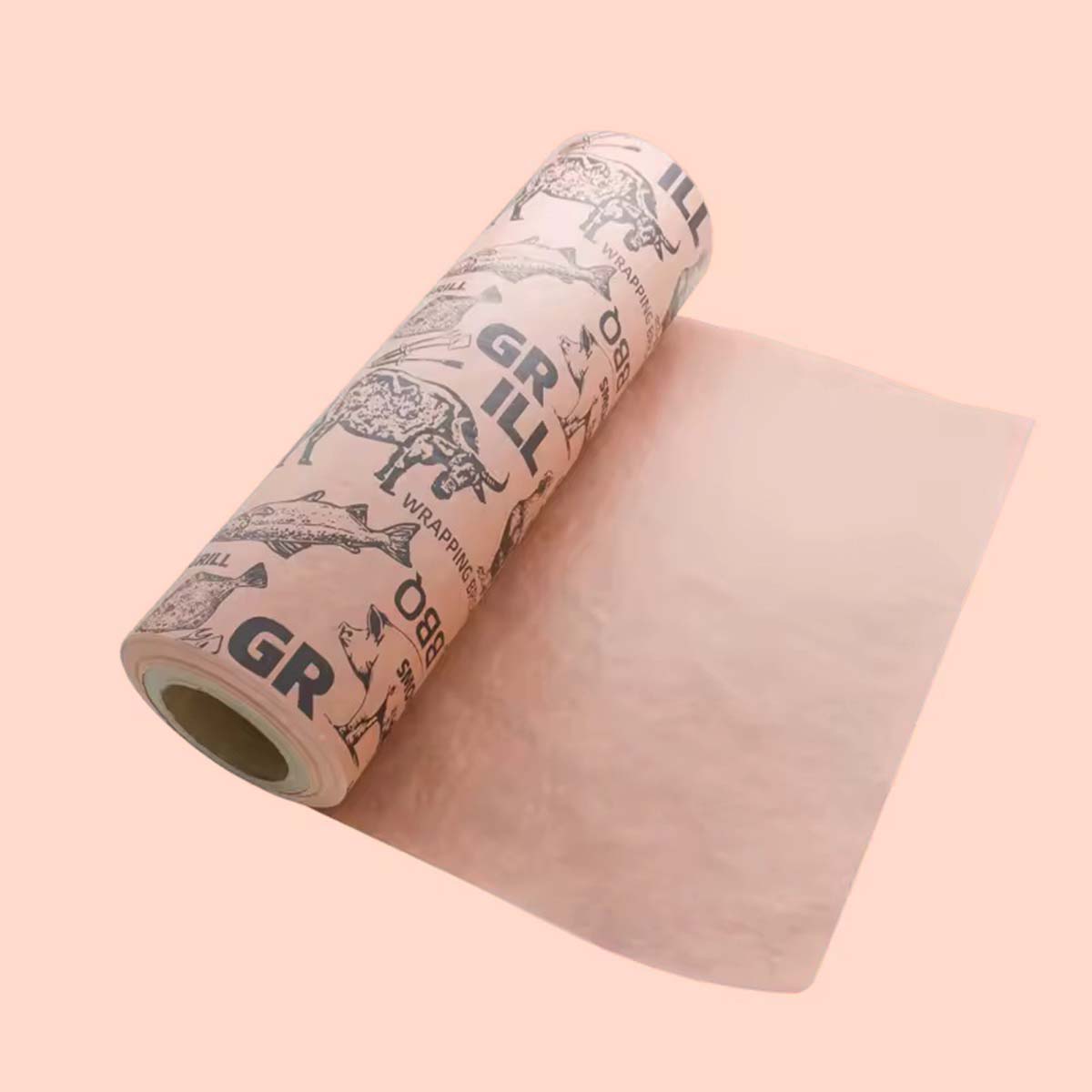
Custom butcher paper in the pink, white and peach grades, printed with your name, from 100 rolls or sheets.
 02See the build →
Food Wrapping Paper
Custom food wrapping paper for burgers, sandwiches, fries and deli counters, from 100 reams.
 03See the build →
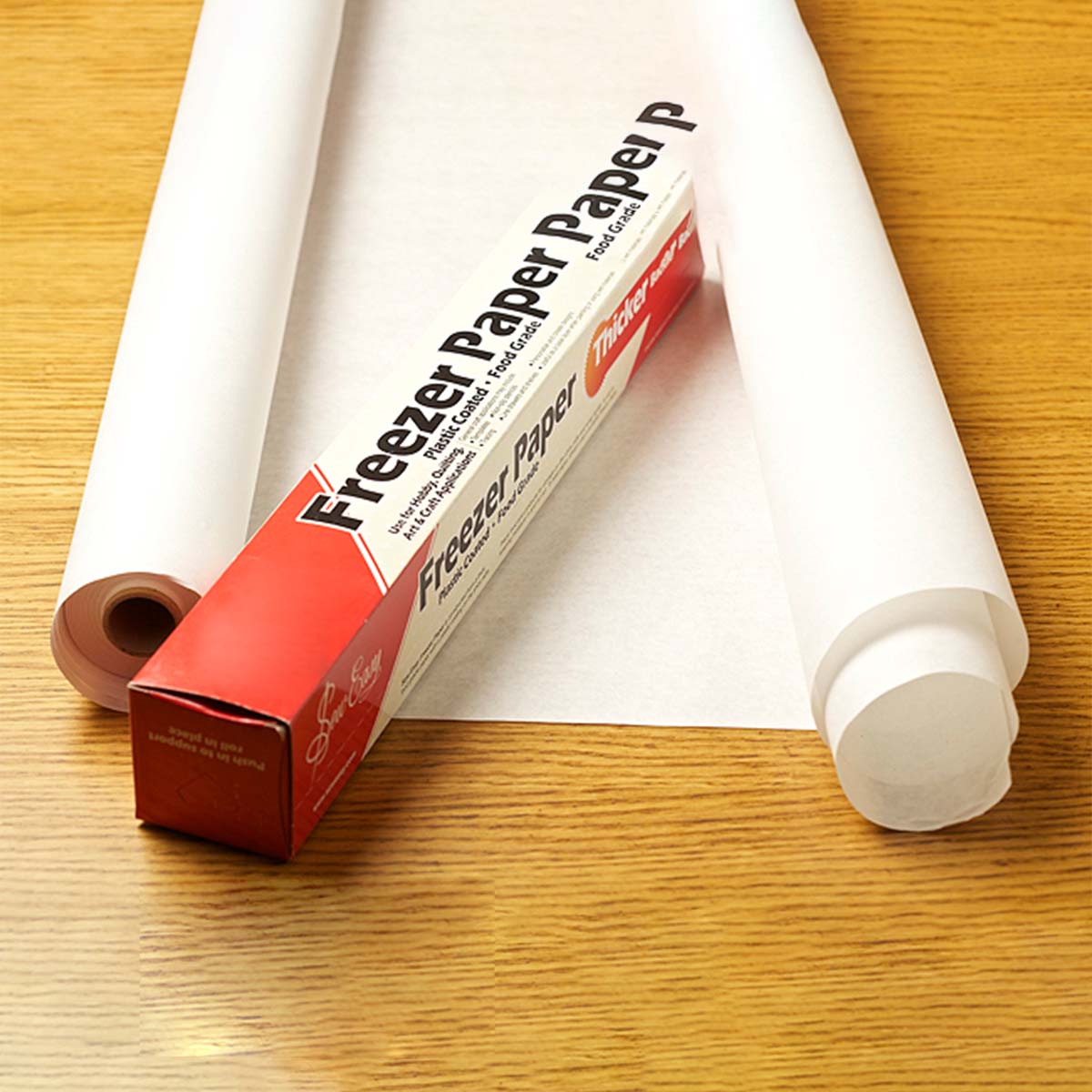
Freezer Paper
Custom freezer paper printed with your mark and cut to your sheet size, from 100 packs.
 04See the build →
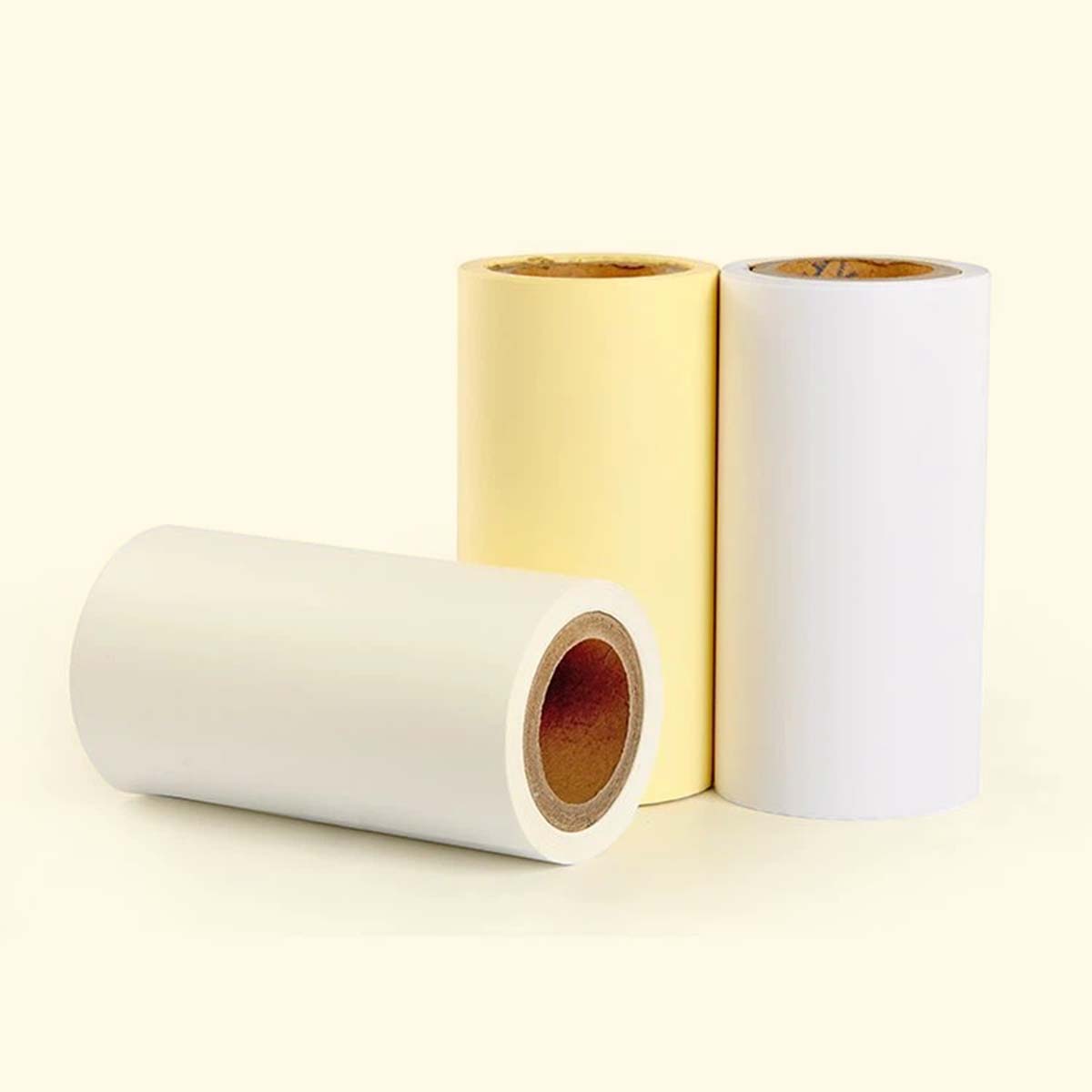
Glassine Paper
Custom glassine paper cut to your sheet or bag size and printed with your mark, from 100 packs.
 05See the build →
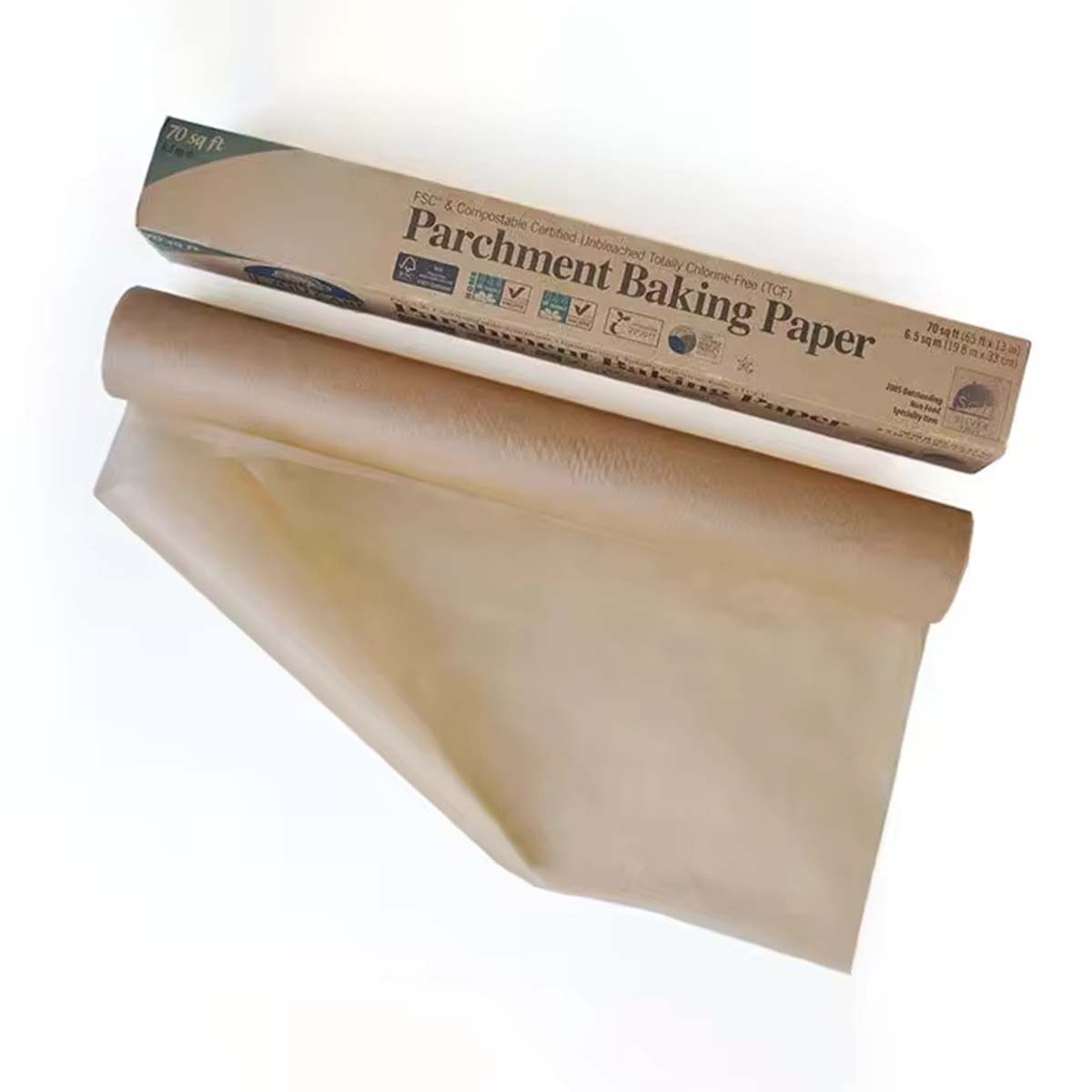
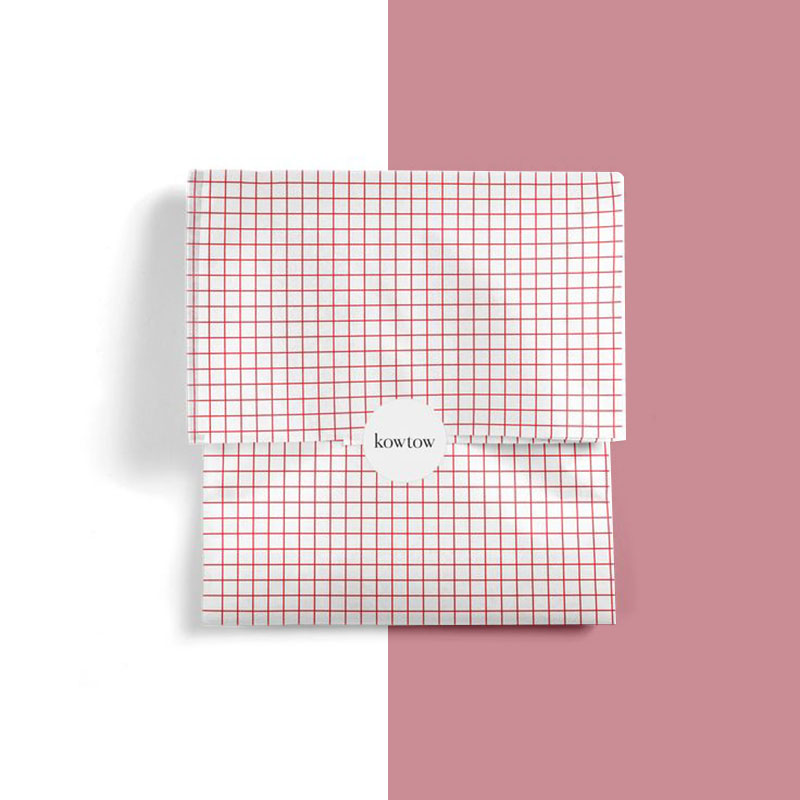
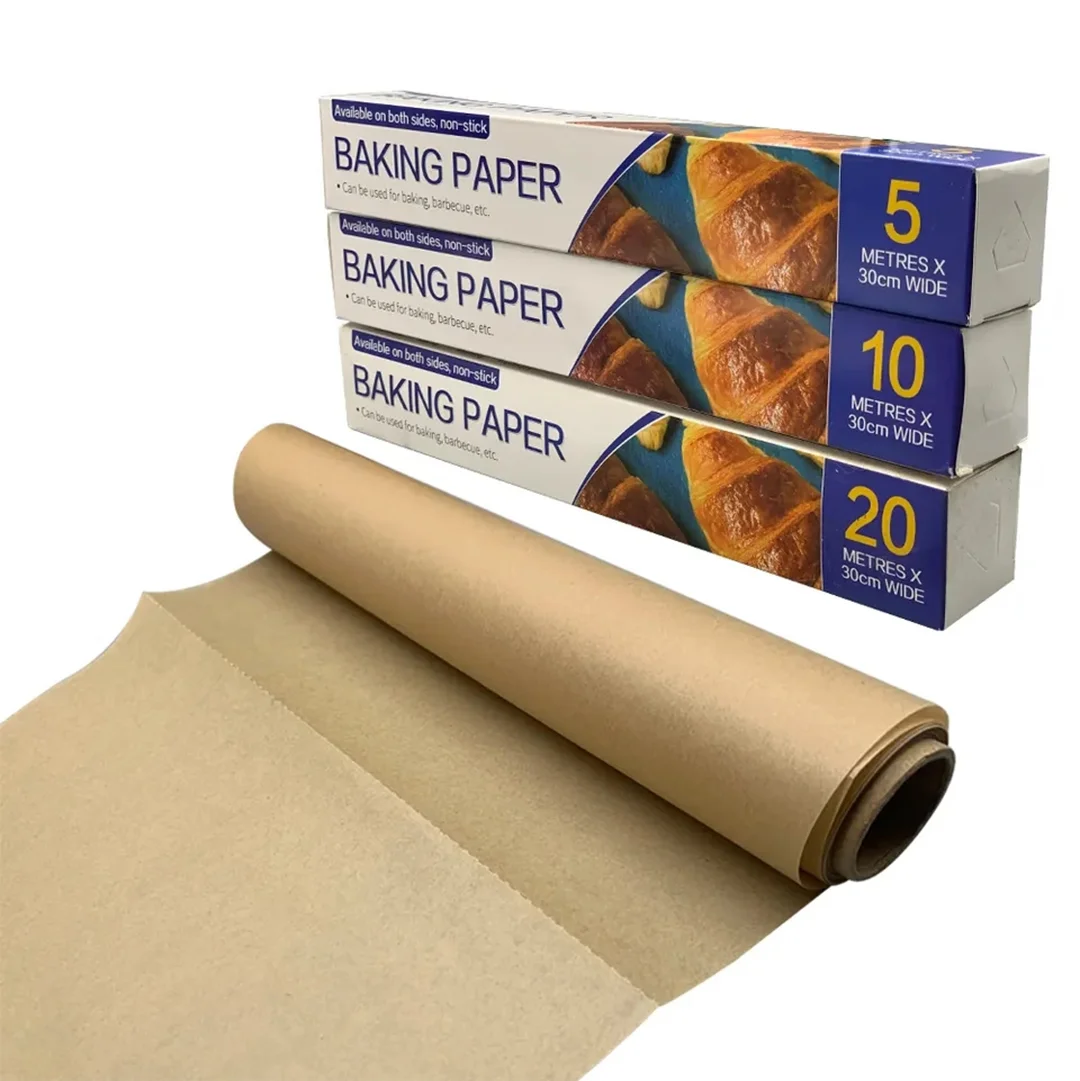
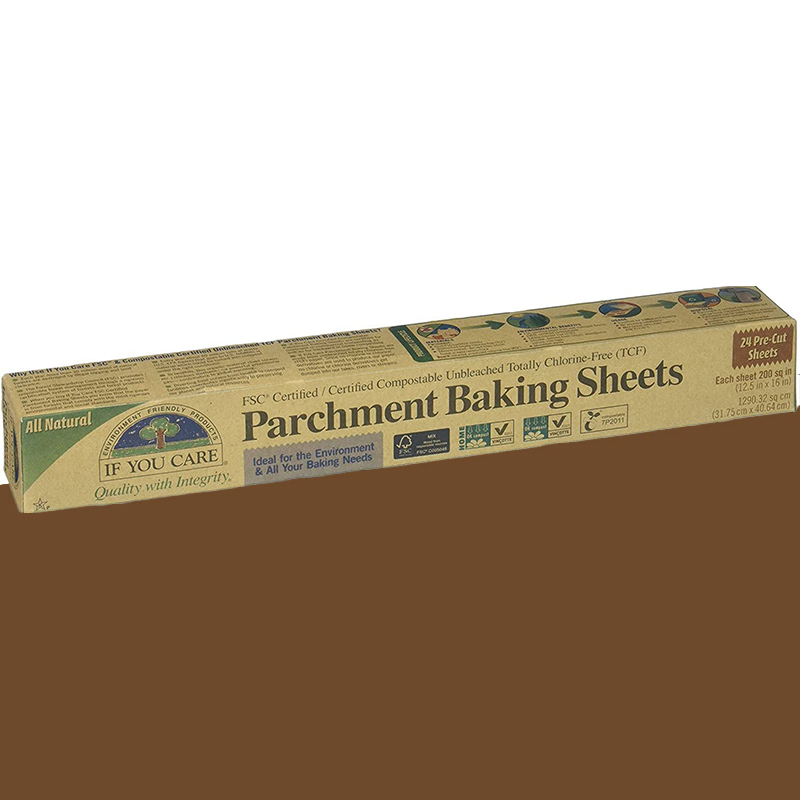
Parchment Paper
Custom parchment paper cut to your tray, box or wrap size and printed in food-safe ink, from 100 packs.
 06See the build →
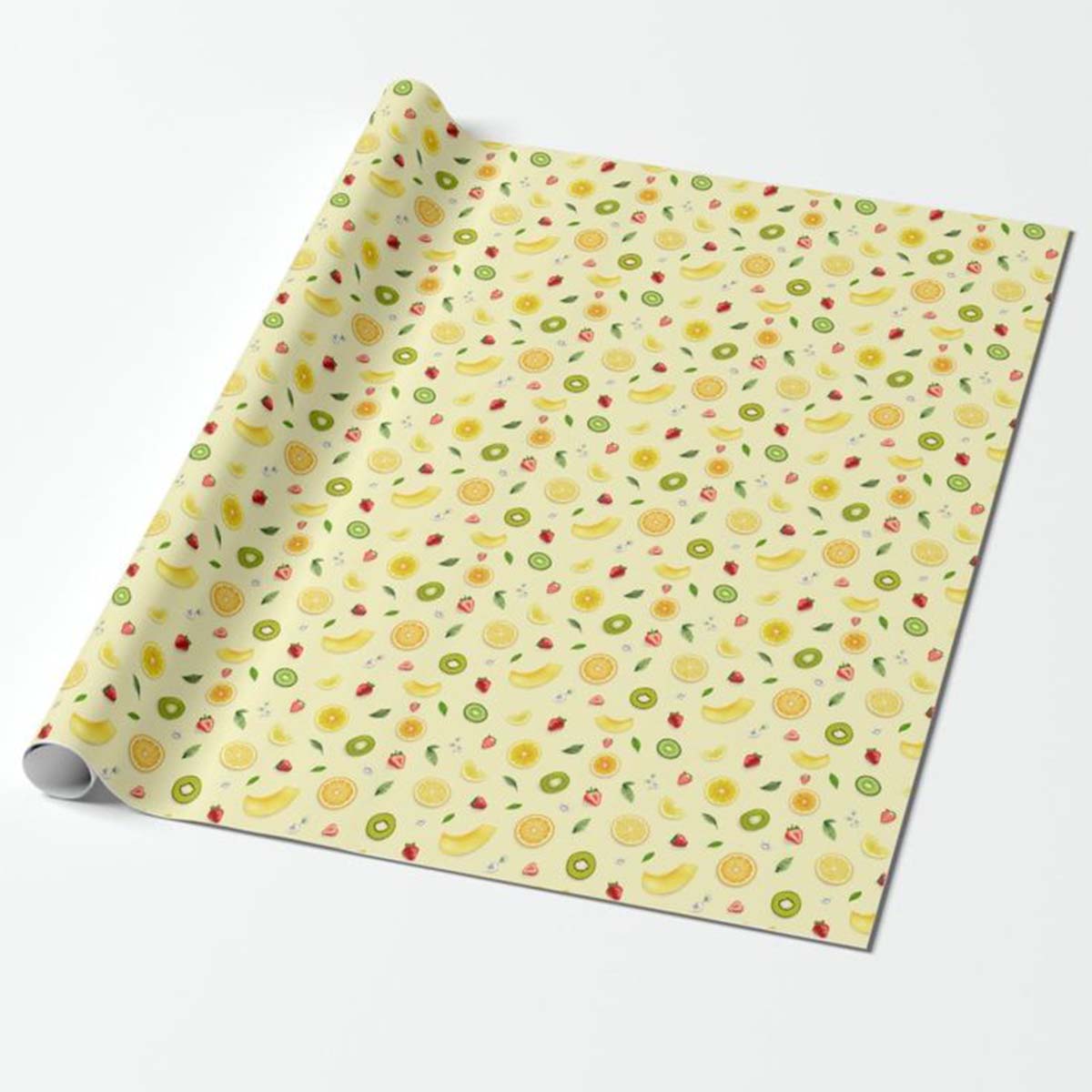
Tissue Paper
Custom printed tissue paper in your colors, from 500 sheets.
 07See the build →
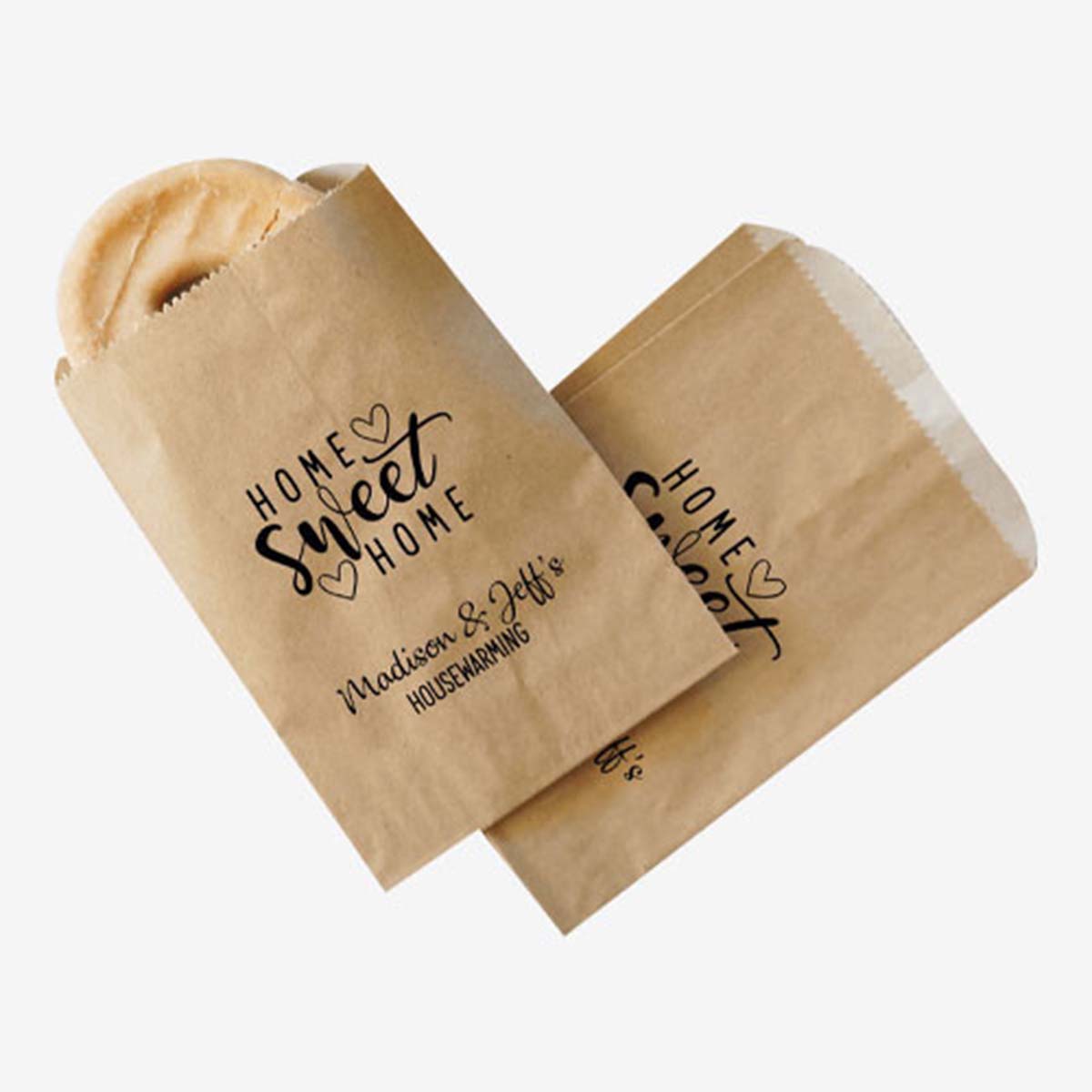
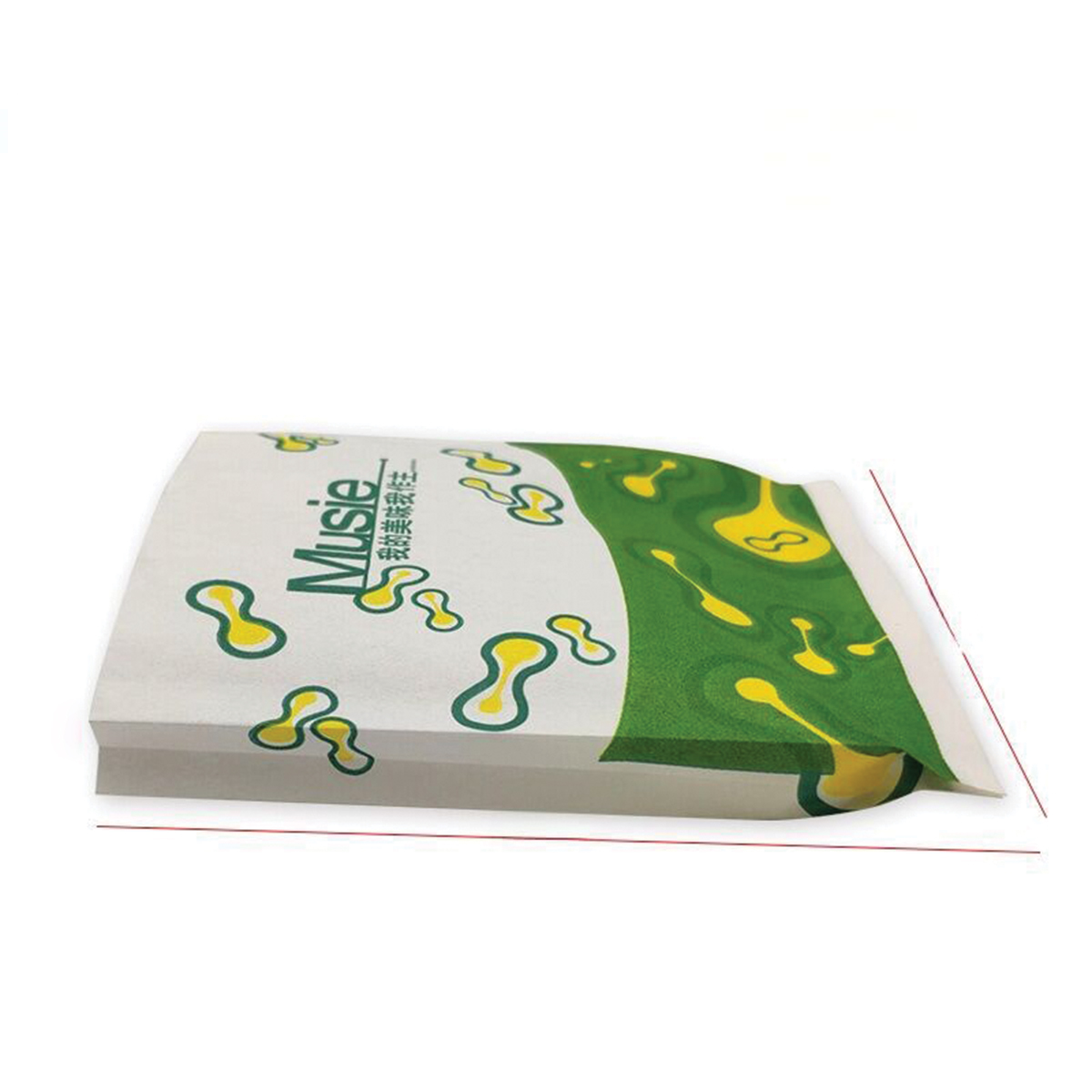
Wax Paper Bags
Custom wax paper bags sized to your cookie, sandwich or pastry and printed in food-safe ink, from 100 packs.
Side by side
Which food paper style fits
| Style | Board | Build | Minimum | |
|---|---|---|---|---|
| Butcher Paper | Chosen per job | See the page | 100 rolls or sheet packs | Open → |
| Food Wrapping Paper | Chosen per job | See the page | 100 reams or roll packs | Open → |
| Freezer Paper | 40–50 lb bleached or unbleached kraft, PE-coated one side | Cut sheets, rolls, interfolded packs | 100 packs (reams of 100 or 250 sheets, or single rolls) | Open → |
| Glassine Paper | Glassine 25–60 gsm; pH-neutral, uncoated, translucent | Sheets, interleaves, flat and gusseted bags, fold-over envelopes | 100 packs | Open → |
| Parchment Paper | Silicone-coated baking parchment 38–45 gsm; natural greaseproof 35–55 gsm | Sheets cut to tray, liner or wrap size; packed flat in counts | 100 packs | Open → |
| Tissue Paper | Chosen per job | See the page | 500 sheets | Open → |
| Wax Paper Bags | Dry-waxed bleached or natural kraft, 30–40 gsm | Flat, gusseted, window and tin-tie bags | 100 packs | Open → |
Greaseproof is a process, not a coating
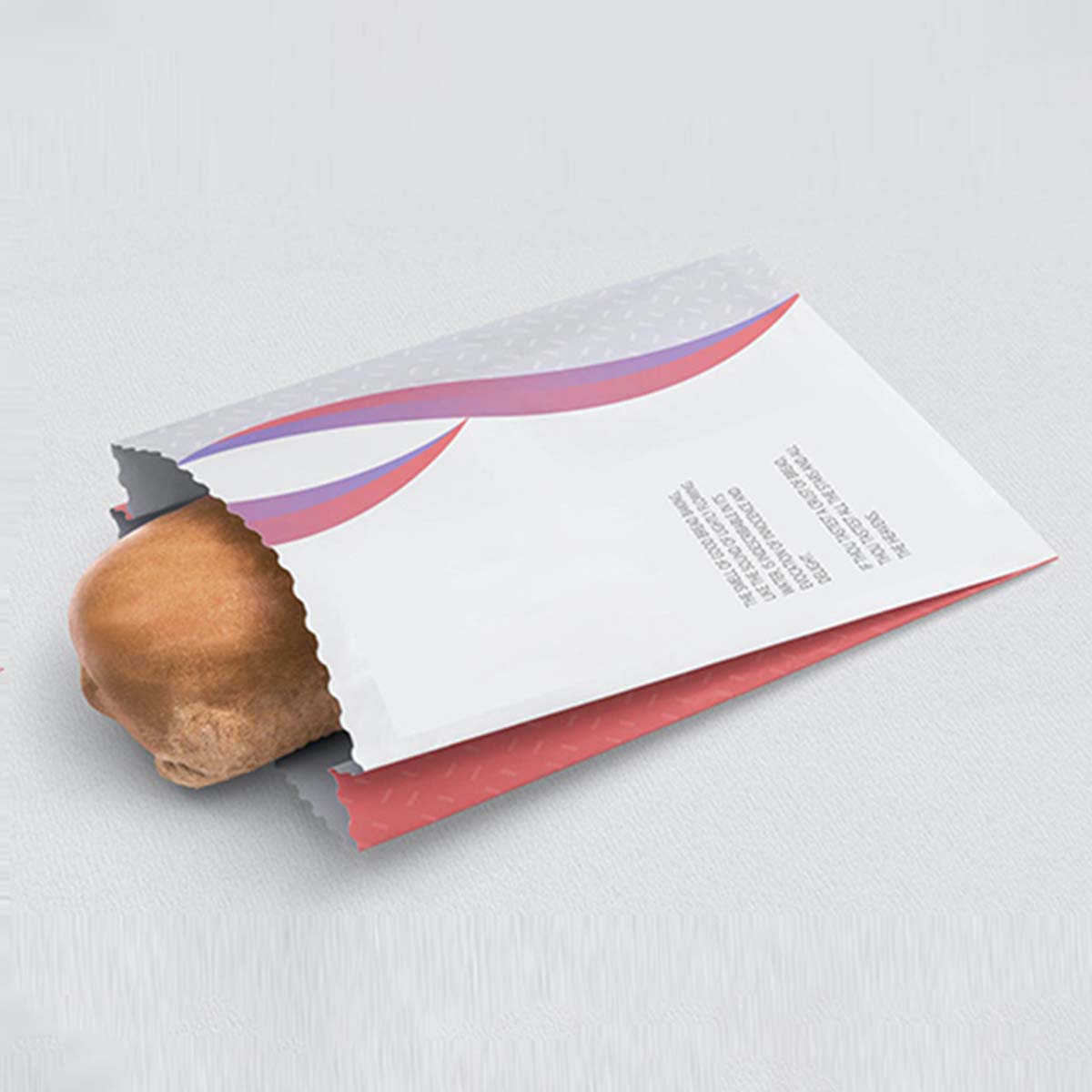
True greaseproof paper is made by beating the pulp until the fibers close up — the resistance is structural and there is no coating to fail. Glassine goes further, calendered until it is translucent and almost impermeable.
Everything else sold as grease-resistant is coated paper, and the coating is where the fluorine question lives. We use fluorine-free coatings only; the comparison is in our note on what replaced PFAS.
| Greaseproof | Structural resistance, no coating, good for warm food |
|---|---|
| Glassine | Translucent, near-impermeable, premium feel |
| Coated kraft | Cheapest barrier; fluorine-free coating as standard |
| Uncoated kraft | No barrier — liners and bags where grease is not the issue |
What each format is for
The commonest mistake is buying one sheet size for everything. A liner that is right for a basket is wasteful around a burger, and you pay for the paper you throw away.
- Burger wraps. Pre-cut squares, printed one color, folded around the item.
- Basket liners. Larger sheets, usually printed edge to edge, single use.
- Deli sheets. Interleaved between slices; needs release as well as grease resistance.
- Sandwich wrap. Longer format with a fold-and-tuck rather than a wrap.
Ink, heat and what touches food
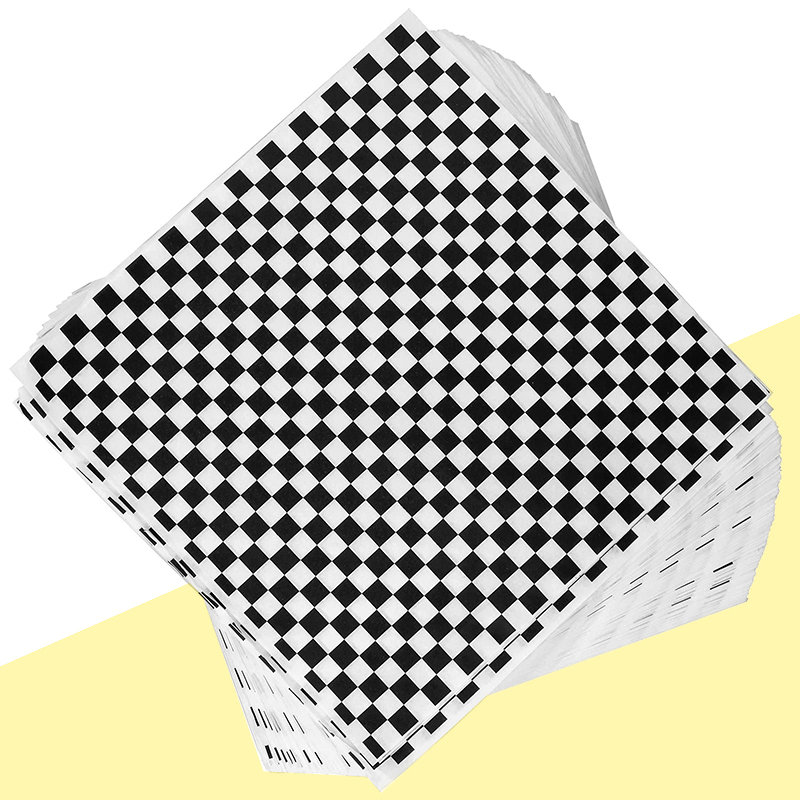
Food-contact inks are low-migration and water-based, and they are standard on everything we print. What matters practically is coverage: heavy solid ink on a sheet that goes under hot food is more likely to show through than a light line pattern.
One or two colors on an open pattern looks better on paper than a full-bleed photograph, costs a fraction, and does not smudge when it gets warm and oily.
Keep a clear margin where the sheet folds under a hot item. Ink sitting in a crease under heat is where transfer happens.
Quantities work differently here
Paper is sold by the sheet and the unit price is small, so minimums are counted in thousands rather than hundreds on most stock. We hold a 100-unit floor across the site, but on paper the sensible order is usually much larger — the set-up is the same whether you print one ream or twenty.
If you are testing a design, print a small run on stock paper first and commit to volume once the pattern is settled.
Across the range
What every food paper job runs on
Boards
- Natural kraft
- White SBS
- E and B flute
- Wrapped grayboard
- Food-grade board
- Recycled content
Chosen from what goes in the box and how far it travels. Our notes on recyclable and compostable stocks say which claims each board can carry.
Finishes
- Matte
- Gloss
- Soft-touch
- Foil
- Emboss
- Spot UV
- Kraft
- Textured
Each one is a decision about light on a shelf — the specialty finishes range shows them on real boxes.
Artwork
- Vector PDF or AI, fonts outlined
- 3 mm bleed, 4 mm safe area
- CMYK; a spot color where a match must hold
- Proof on the dieline before press
Files not set up that way are fine — see the guide to preparing print files.
Interactive · five steps · no sign-up
Build your Food Paper in 3D
Pick a shape, type a size, choose a board and a finish. The preview on the left redraws as you go, and the spec lands with us exactly as you set it.
Frequently asked questions
Got a question about food paper? The answers below cover what we get asked most. If yours is not here, send it with a brief, message us on WhatsApp, or call +1 503-461-4788 — we reply the same working day.
Is greaseproof paper coated?
Not in the way people assume — it is a process on the fiber rather than a coating, which is why it stays repulpable.
Can I print on greaseproof paper?
Yes, in one or two colors with food-safe inks. Heavy coverage reduces the grease resistance where the ink sits.
What is the minimum order?
100 sheets or wraps, cut to your size.
Can the paper go under a hot item?
Yes — that is what it is for. Heat and grease are the two things it handles that plain paper does not.
Sheets or rolls?
Sheets for hand wrapping and tray lining. Rolls for anything cut on a dispenser at a counter.
Does printed paper add much cost?
Very little. It is the cheapest branded surface in food service, and it is seen every time a wrap is opened.
Is greaseproof the same as coated paper?
No. Greaseproof resists grease because of how the fiber is beaten; coated paper relies on a surface layer. Greaseproof holds up better under heat.
Will the ink come off on the food?
Not with low-migration food-contact inks, which is what we print with. Heavy solid coverage in a fold under hot food is the only place we would advise caution.
Can I get printed paper in small quantities?
Yes, but the economics are poor — set-up dominates. Test at low volume, then order properly.
Are your papers PFAS-free?
Yes. Structural greaseproof needs no coating at all, and our coated stocks are fluorine-free.
Keep browsing