Custom Rigid Boxes
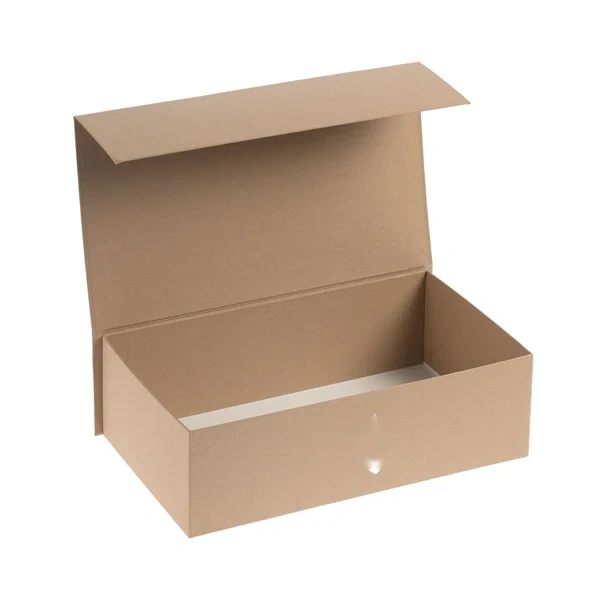
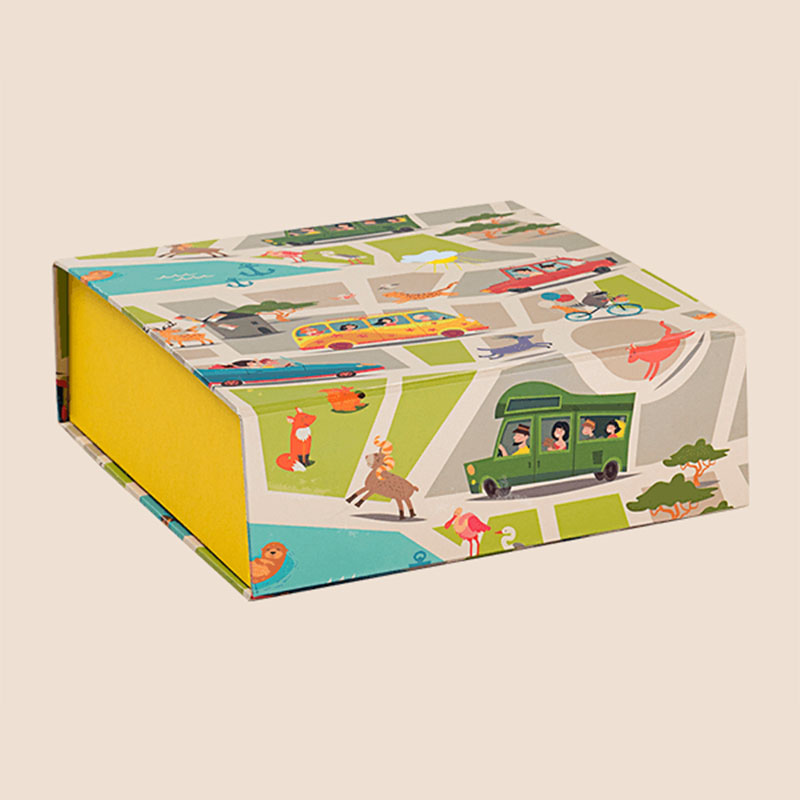
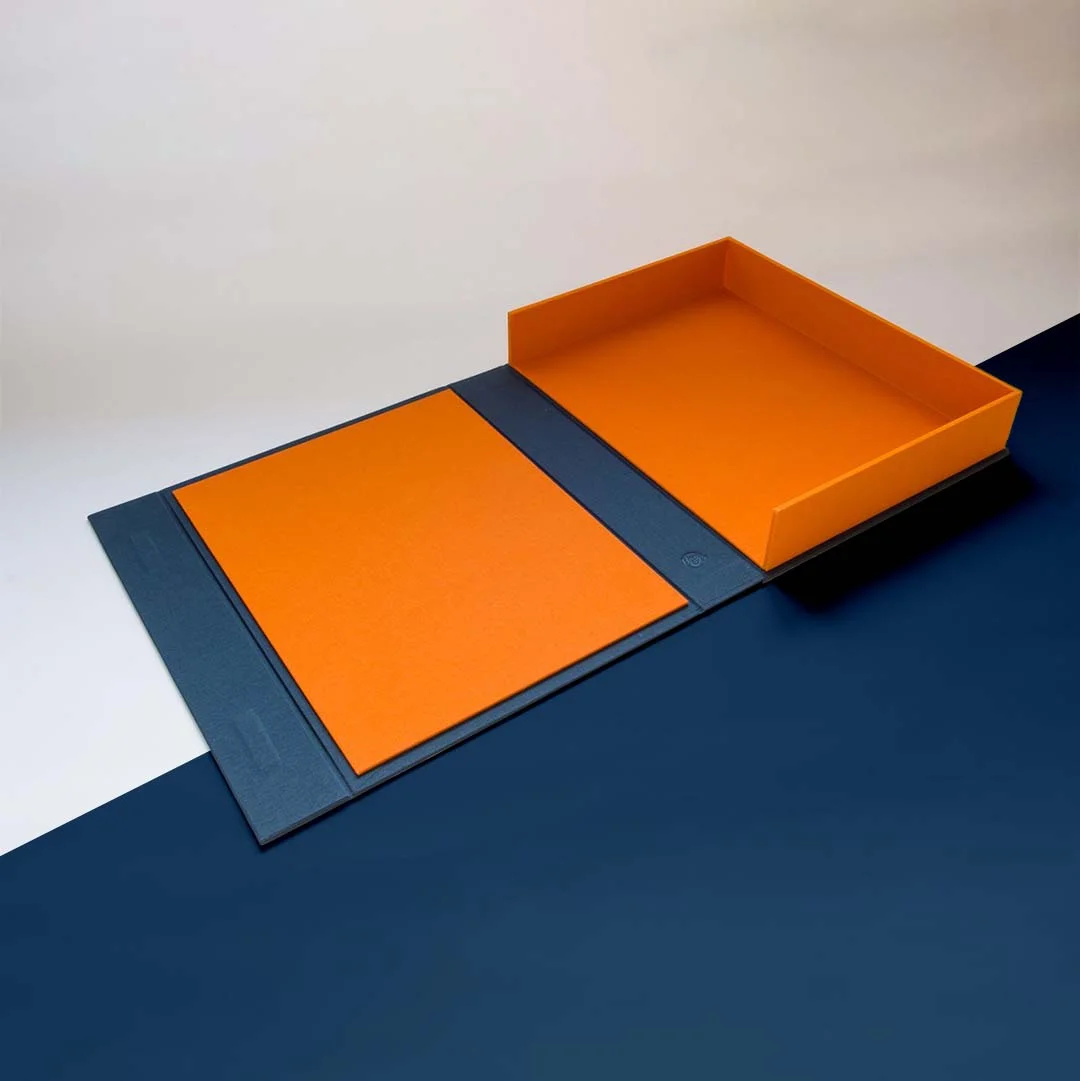
Wrapped rigid boxes from 100, with reinforced corners and a lid tolerance set per job. This is where a box stops feeling like packaging and starts feeling like part of the product.
Rigid boxes are made of two materials and one decision

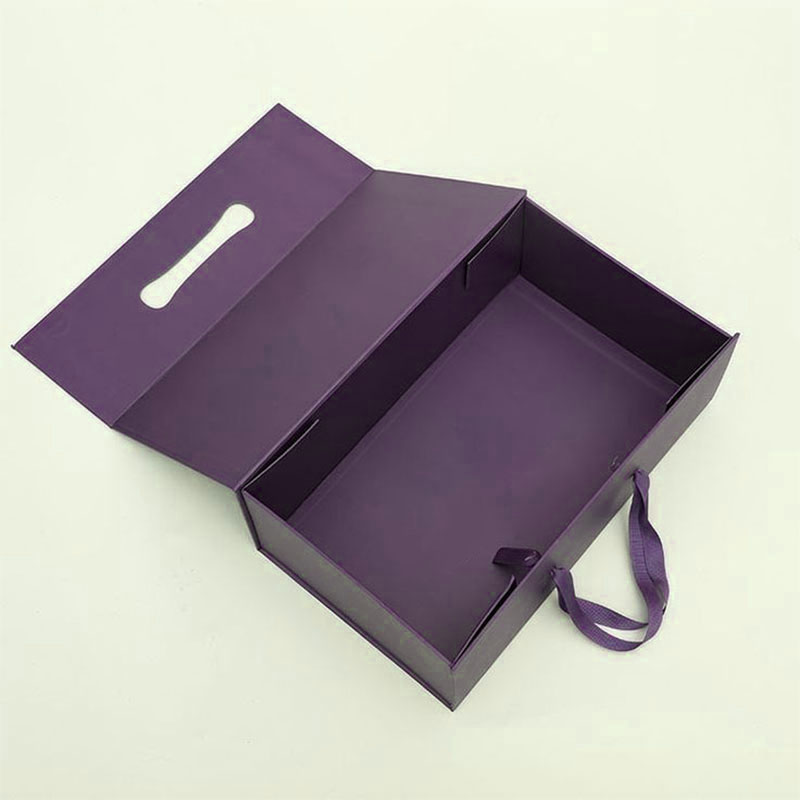
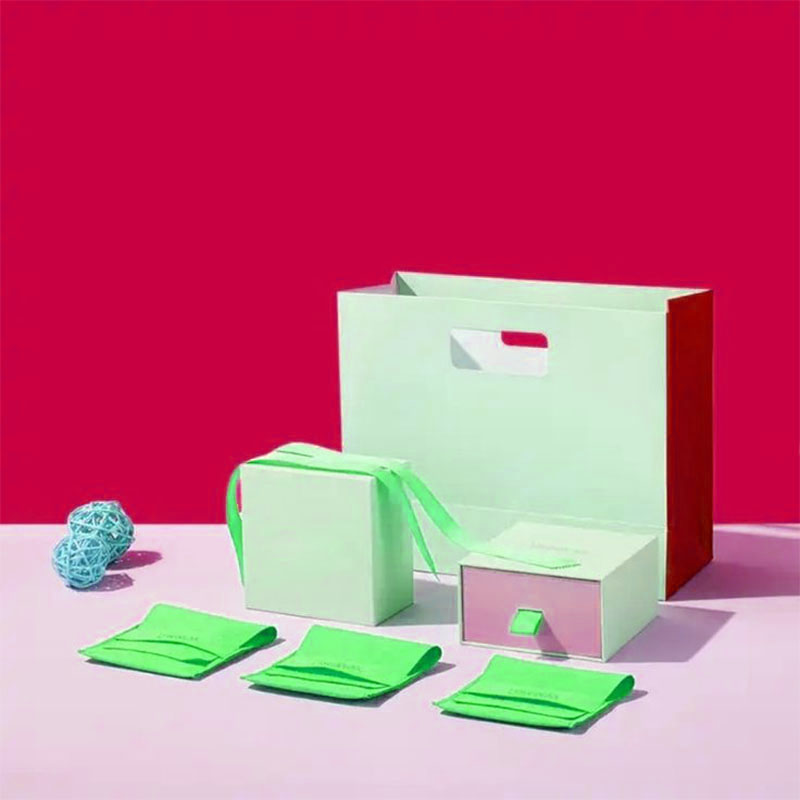
Get a price for Rigid Boxes
Send the size and quantity — we reply the same working day with a price, a dieline and a date. Artwork optional at this stage.
- 8styles in this range, each with its own page and price
- 100unit minimum on every style, printed or plain
- 4markets quoted in the delivery currency
- ±1mmcutting tolerance on folding board, checked on a sample
8 styles in this range
Styles we make in this range
Every one below is written up, priced and dielined. Tap a style to see how it is built.
 01See the build →
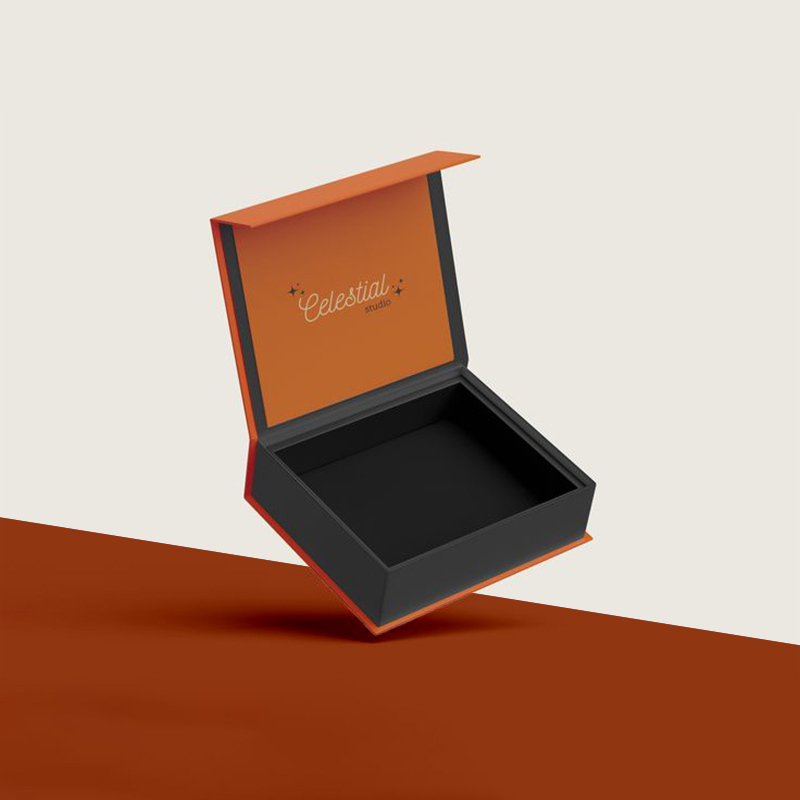
Booklet Rigid Boxes
Custom booklet rigid boxes that open like a book
 02See the build →
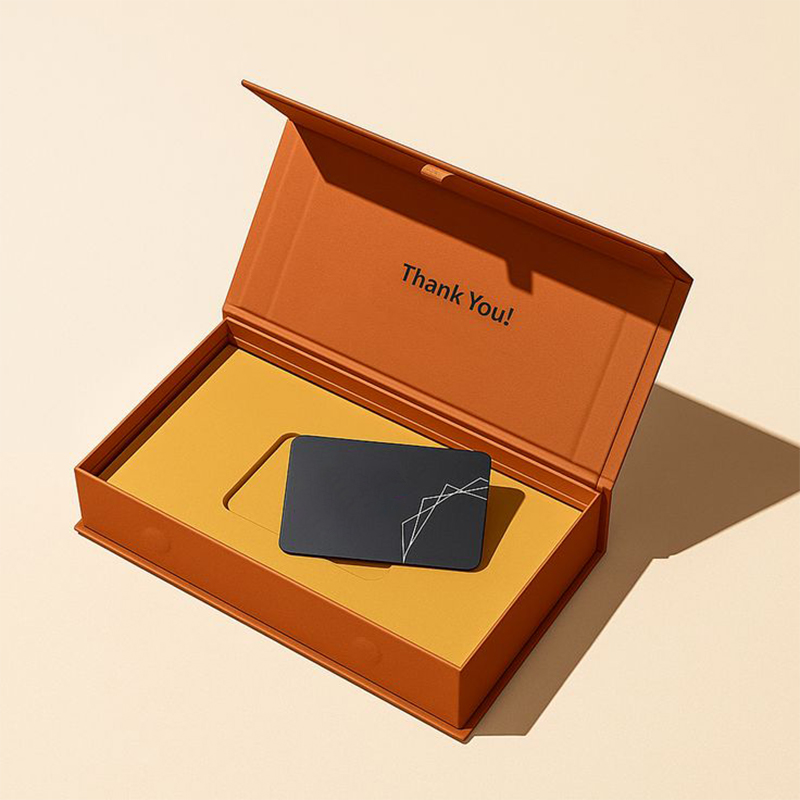
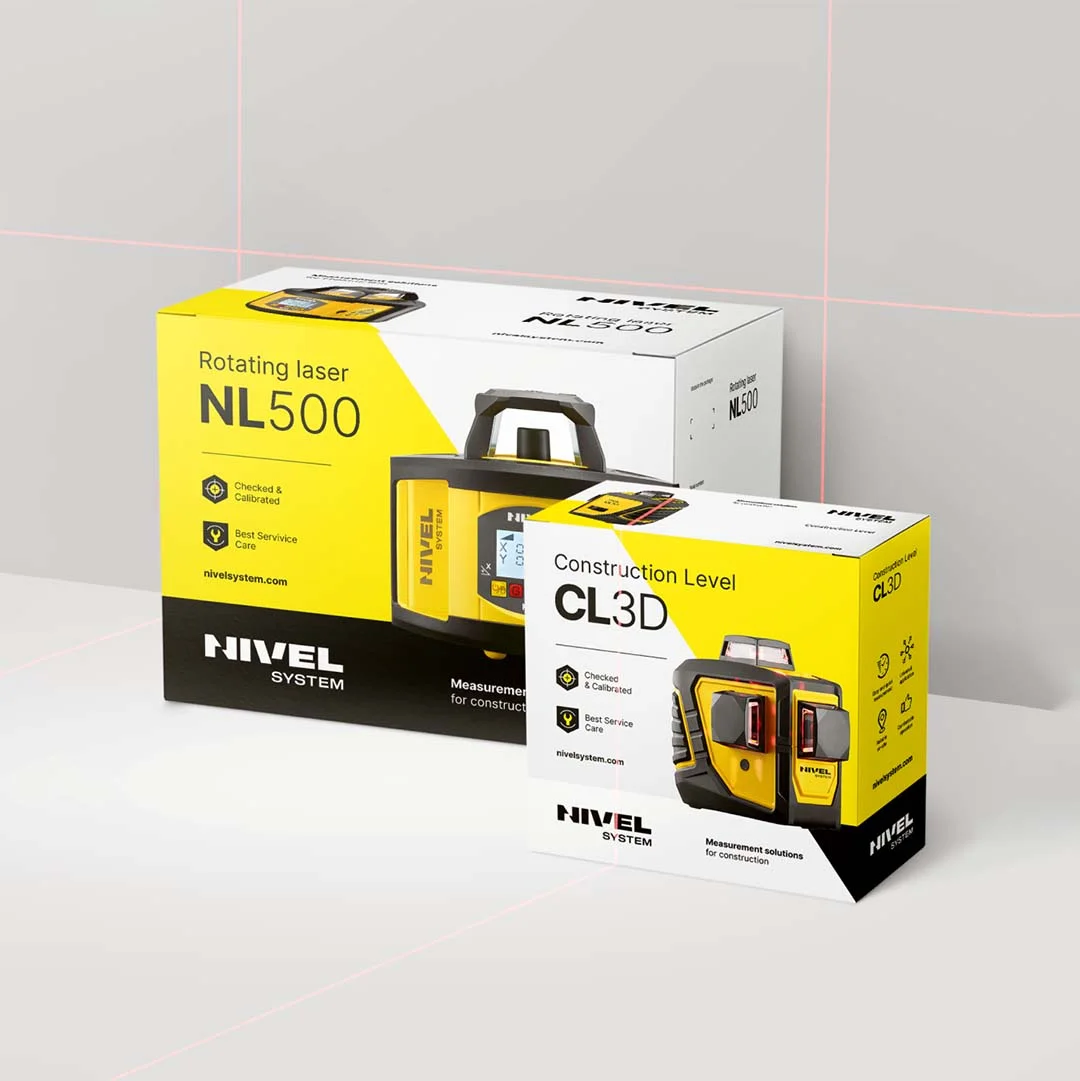
Rigid Business Card Boxes
Custom rigid business card boxes
 03See the build →
Rigid Electronics Boxes
Custom rigid electronics boxes built around the device and everything that ships with it, from 100 units.
 04See the build →
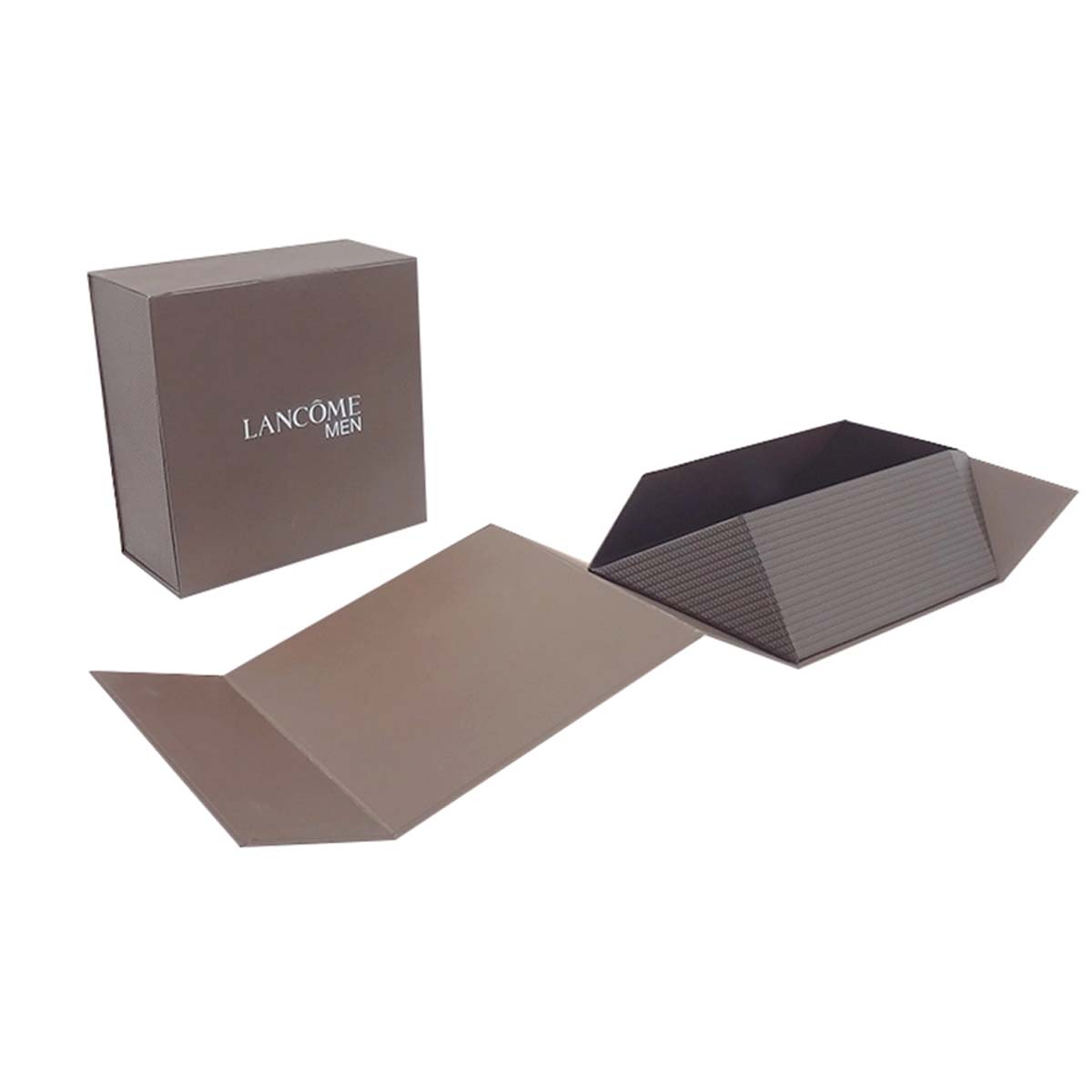
Rigid Foldable Boxes
Custom rigid foldable boxes
 05See the build →
Rigid Hexagon Boxes
Custom rigid hexagon boxes
 06See the build →
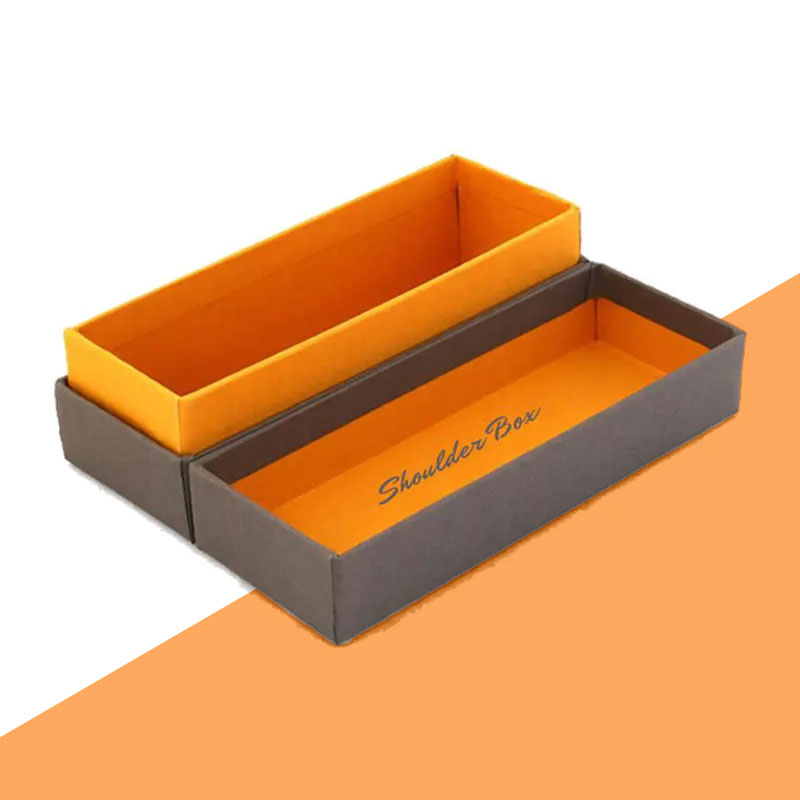
Rigid Shoulder Boxes
Custom rigid shoulder boxes
 07See the build →
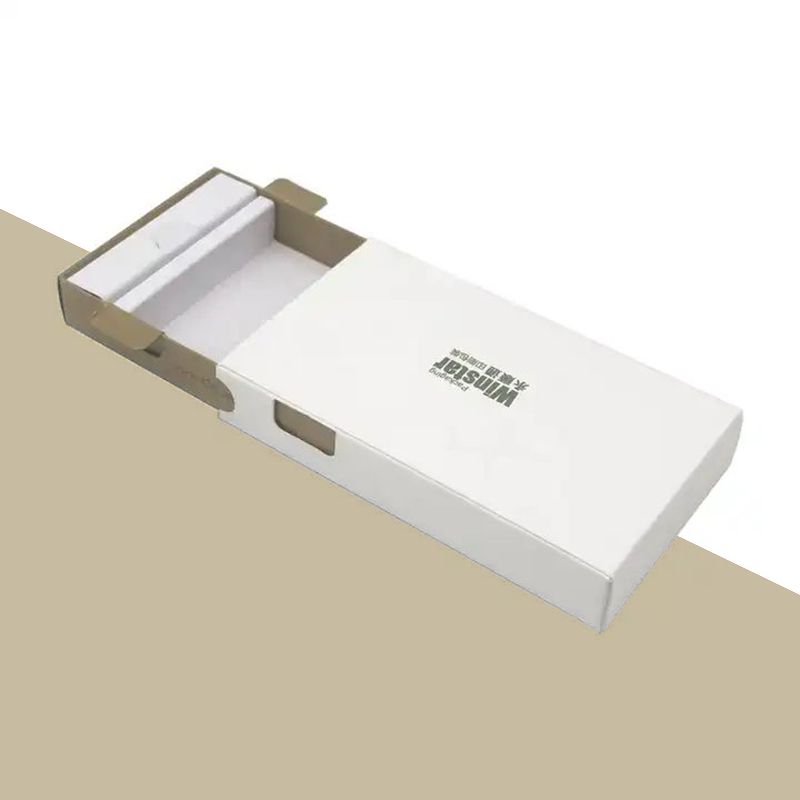
Sliding Drawer Rigid Boxes
Custom sliding drawer rigid boxes
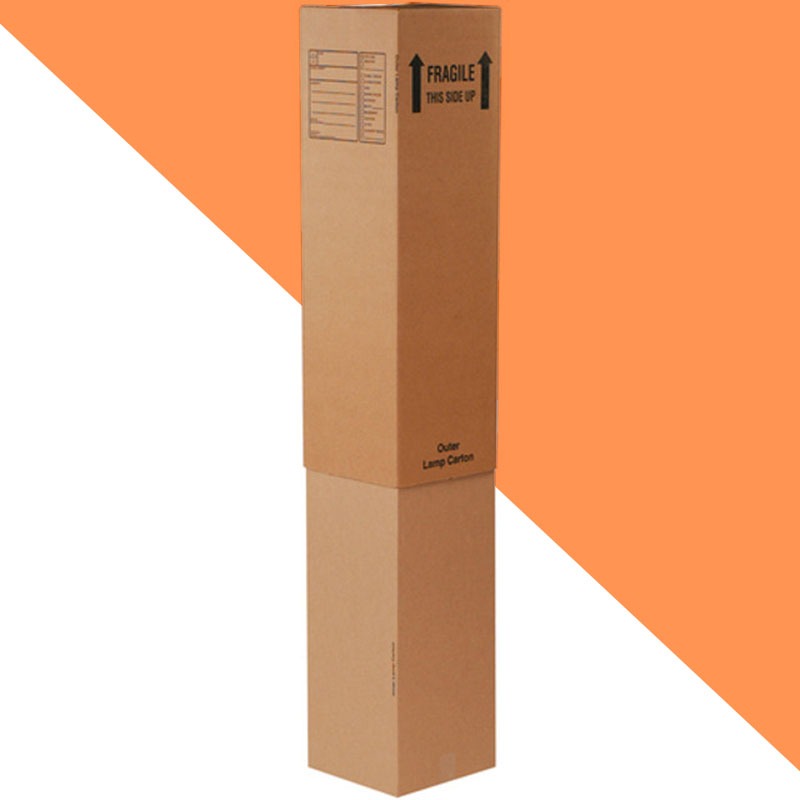 08See the build →
Telescoping Boxes
A telescoping box has no hinge, no glue on the closure and no mechanism.
Side by side
Which rigid boxes style fits
| Style | Board | Build | Minimum | |
|---|---|---|---|---|
| Booklet Rigid Boxes | Grayboard 2 mm covers; 1.5–2 mm tray | Hinged cover over fixed tray; magnetic or ribbon close | 100 boxes | Open → |
| Rigid Business Card Boxes | Wrapped grayboard 1.2–1.5 mm | Lift-off lid, hinged magnetic, drawer and sleeve; thumb cut-out | 100 cases | Open → |
| Rigid Electronics Boxes | 1500–2000 gsm chipboard, wrapped in 128–157 gsm laminated paper | Two-piece lid and base, magnetic flap, book box, drawer | 100 boxes | Open → |
| Rigid Foldable Boxes | Wrapped grayboard 1.5–2 mm, hinged panels | Magnetic hinged lid; corner magnets or adhesive tabs | 100 boxes | Open → |
| Rigid Hexagon Boxes | 1200–1800 gsm chipboard, six wrapped walls, hexagon base and lid discs | See the page | 100 boxes | Open → |
| Rigid Shoulder Boxes | 1200–2000 gsm chipboard, base, neck and lid; wrapped in 120–157 gsm paper | See the page | 100 boxes | Open → |
| Sliding Drawer Rigid Boxes | 1200–1800 gsm chipboard, tray and sleeve, wrapped in 120–157 gsm paper | Open-back, closed-back, double drawer | 100 boxes | Open → |
| Telescoping Boxes | 1.5–3 mm grayboard, wrapped | Full telescope, partial telescope, shoulder-neck | 100 boxes | Open → |
How thick the board should be
Thicker is not automatically better. A 3 mm box the size of a phone feels clumsy, and the extra board costs on every parcel. Match the thickness to the span, not to the budget.
| 1.5 mm | Light contents, small boxes. Feels closer to a folding carton. |
|---|---|
| 2 mm | The usual choice. Rigid without being heavy to post. |
| 2.5–3 mm | Large boxes, or where the box is kept and reused. |
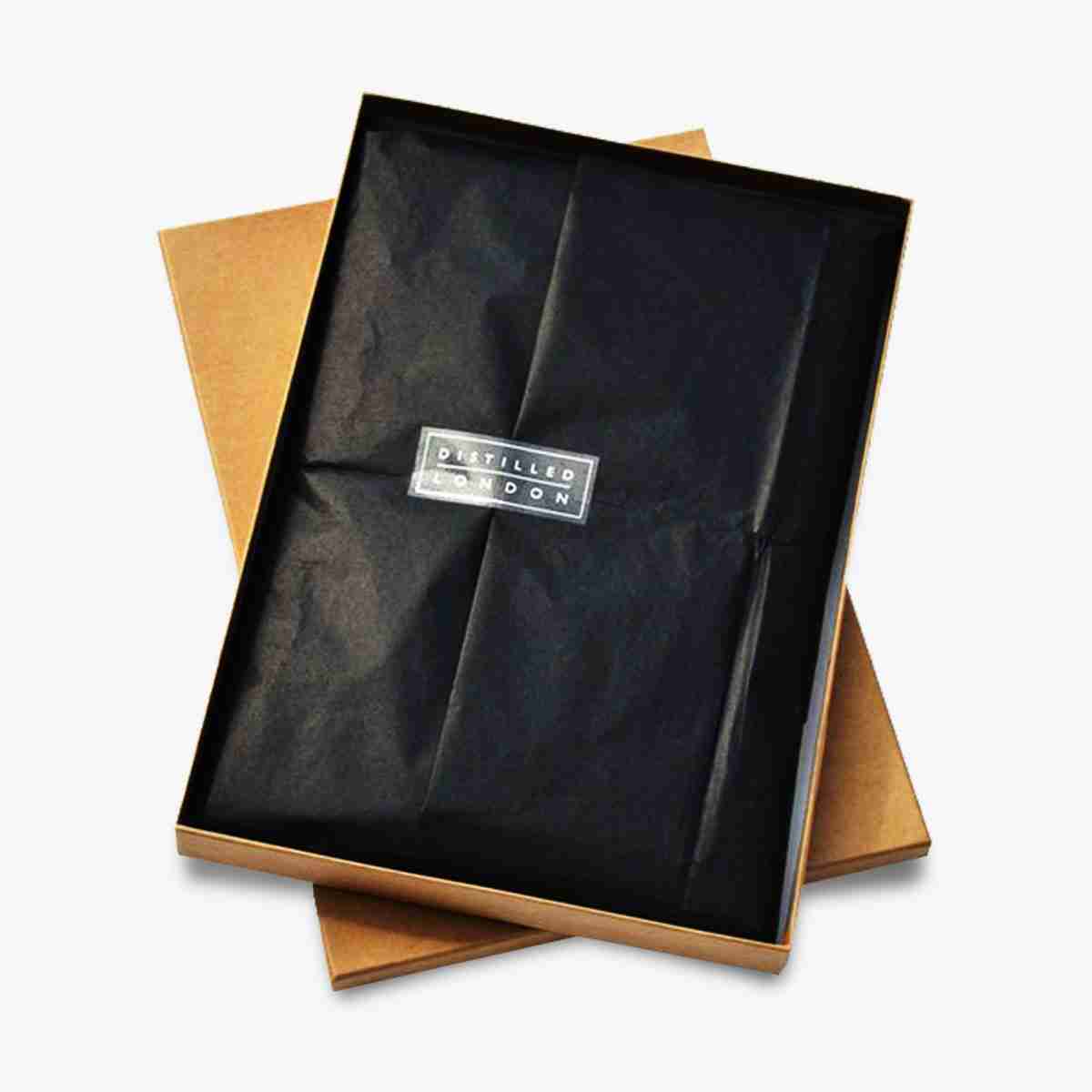
Closures, and how they fail
The tolerance point is real. Grayboard absorbs moisture and swells slightly, so a drawer built to a perfect fit in a dry factory binds in a humid one. We build in clearance for it.
- Lift-off lid. Simplest and most reliable. Needs a tolerance check or it sticks in humidity.
- Magnetic flap. The one customers photograph. Needs a deeper wall to house the magnet.
- Drawer and sleeve. Two pieces, two dies, and a fit that has to survive a damp warehouse.
- Ribbon pull. Costs pennies, and turns a stiff lift-off lid into a designed gesture.
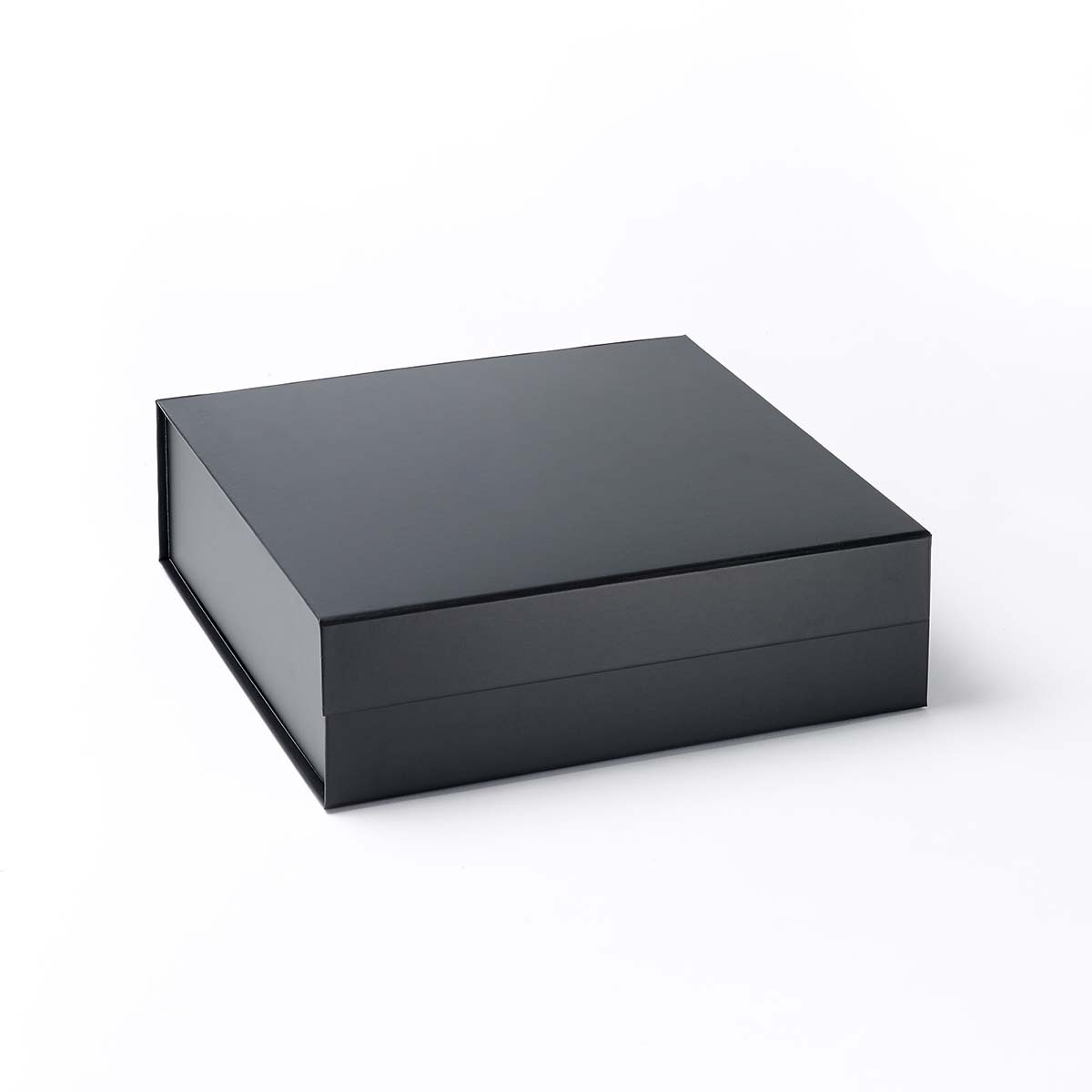
The wrap is where quality shows
Corners are the tell. A well-wrapped box has tight, even corners with no visible grayboard and no wrinkle. A poorly wrapped one shows a white line the moment it is dropped, and white lines photograph badly.
Darker wraps hide handling far better than white or pastel. If the box ships without an outer, that is not an aesthetic preference — it is the difference between a box that arrives looking new and one that does not. We go further into it in our notes on gift boxes sent through the post.
Order a plain wrapped sample before committing artwork. Corner quality is visible in seconds and impossible to judge from a render.
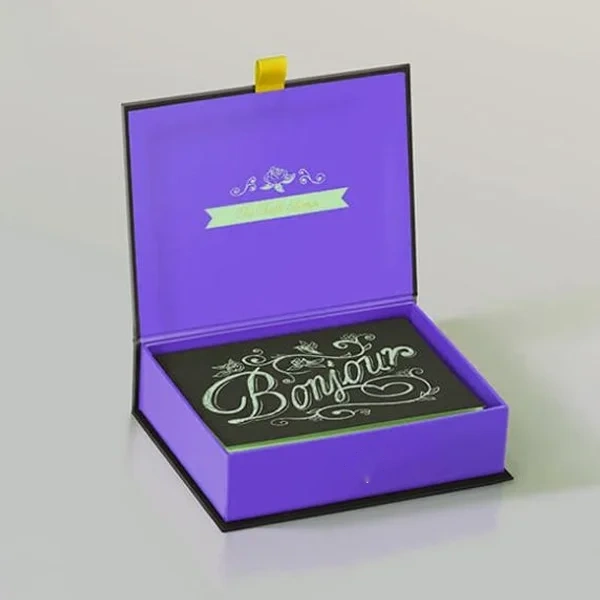
Cost, honestly
Rigid boxes are assembled by hand, arrive assembled and occupy their full volume from the day they are made. Ten thousand of them is a room, not a pallet. That storage and freight cost is usually larger than the difference in unit price.
They are worth it when the box is part of the product — gifting, premium retail, anything kept afterwards. For a first order or a fast-moving line, a laminated folding carton gets most of the way for a fraction. We will quote both if you are undecided.
Across the range
What every rigid boxes job runs on
Boards
- Natural kraft
- White SBS
- E and B flute
- Wrapped grayboard
- Food-grade board
- Recycled content
Chosen from what goes in the box and how far it travels. Our notes on recyclable and compostable stocks say which claims each board can carry.
Finishes
- Matte
- Gloss
- Soft-touch
- Foil
- Emboss
- Spot UV
- Kraft
- Textured
Each one is a decision about light on a shelf — the specialty finishes range shows them on real boxes.
Artwork
- Vector PDF or AI, fonts outlined
- 3 mm bleed, 4 mm safe area
- CMYK; a spot color where a match must hold
- Proof on the dieline before press
Files not set up that way are fine — see the guide to preparing print files.
Interactive · five steps · no sign-up
Build your Rigid Boxes in 3D
Pick a shape, type a size, choose a board and a finish. The preview on the left redraws as you go, and the spec lands with us exactly as you set it.
Frequently asked questions
Got a question about rigid boxes? The answers below cover what we get asked most. If yours is not here, send it with a brief, message us on WhatsApp, or call +1 503-461-4788 — we reply the same working day.
What makes a rigid box feel expensive?
Weight, corner quality, how the lid moves and the surface — in that order. None of them is the printing.
What is the minimum order?
100 boxes. Rigid tooling is modest; the cost sits in the wrapping and the corners.
Do rigid boxes ship flat?
No, they ship made up, so you are paying freight on air. A foldable rigid build ships flat and sets up into the same feel.
How thick should the board be?
By size: 1.5 mm under 120 mm, 2 mm to 250 mm, 2.5 mm beyond. A large lid on thin board sags under its own weight.
Why does my lid stick?
Usually humidity plus a tolerance set too tight for the box volume. It is a specification issue and it is fixable on the next run.
Magnetic or lift-off lid?
Magnetic where the box is opened in front of people or opened repeatedly. A well-toleranced lift-off lid does the rest for far less.
Can I see a sample first?
Yes, plain and unprinted at the finished size. Corner quality and lid fit cannot be judged from a drawing.
What wraps do you offer?
Uncoated and textured papers, soft touch, dyed-through and matched-color stocks, foil and blind deboss.
Why is the white edge showing at my corners?
That is the board core through the wrap. Dyed-through or matched-color stock removes it entirely.
Can rigid boxes be posted on their own?
They arrive corner-damaged. Ship them inside a corrugated outer, or design the box as the shipper from the start.
Why are rigid boxes so much more at 100 units?
They are assembled by hand and the tooling is fixed. Assembly does not get cheaper with practice the way machine set-up does, so the curve is flatter than for folding cartons.
Will the drawer still slide in humid weather?
Yes, if the clearance is built for it. A drawer made to a perfect dry fit will bind — we allow for swell as standard.
Can rigid boxes ship flat?
No. That is the trade. If flat-packing matters, a folding carton with a heavy lamination is the closer equivalent.
What wrap hides handling best?
Darker, matte and slightly textured. White gloss shows every mark, which is why it is usually seen inside an outer box.
Keep browsing