Custom Printing
Almost every order that leaves a warehouse contains paper as well as packaging — a card, a leaflet, an instruction sheet. Printing it in the same place as the box is not only cheaper; it is the only way the two will actually match.

Get a price for Printing
Send the size and quantity — we reply the same working day with a price, a dieline and a date. Artwork optional at this stage.
- 8styles in this range, each with its own page and price
- 100unit minimum on every style, printed or plain
- 4markets quoted in the delivery currency
- ±1mmcutting tolerance on folding board, checked on a sample
8 styles in this range
Styles we make in this range
Every one below is written up, priced and dielined. Tap a style to see how it is built.
 01See the build →
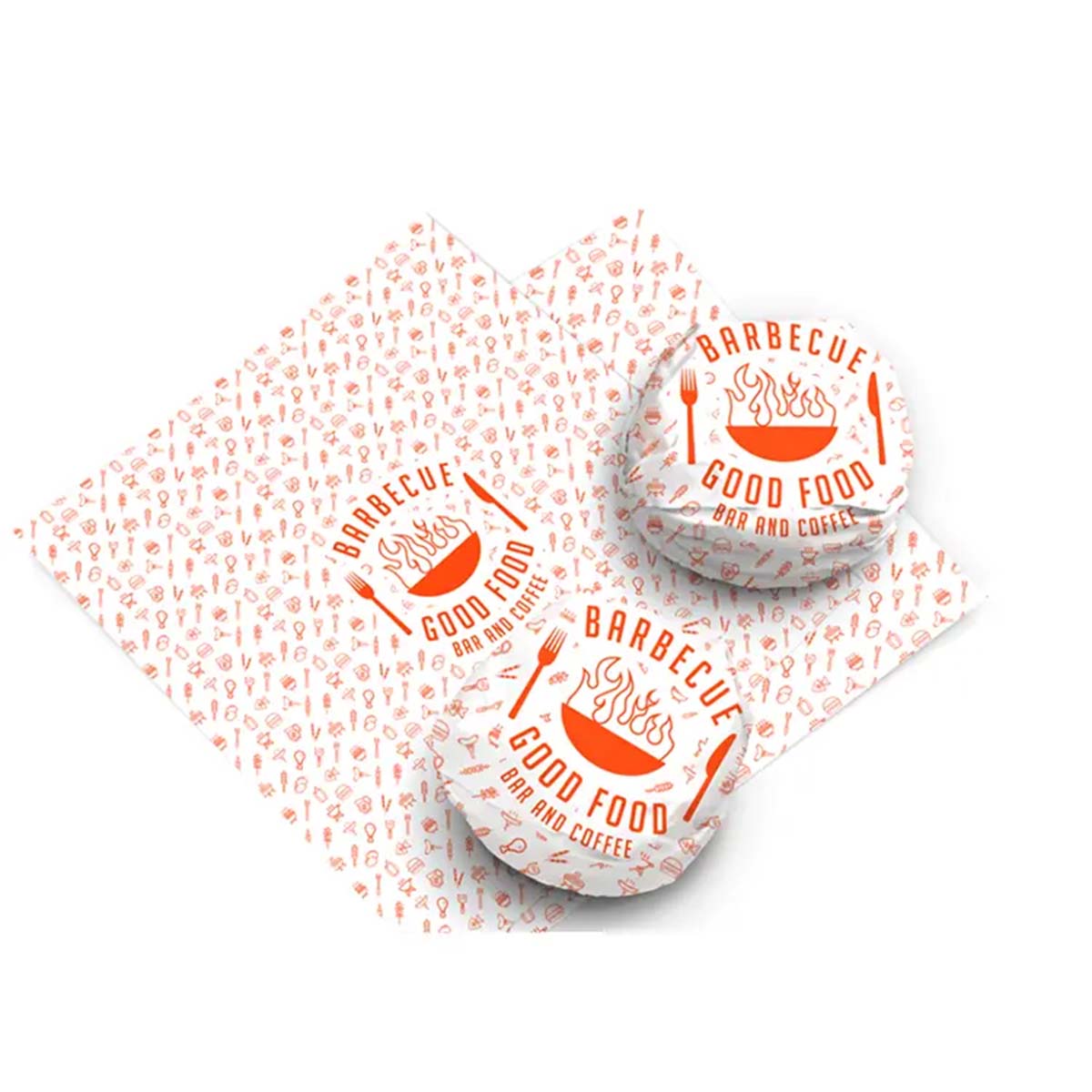
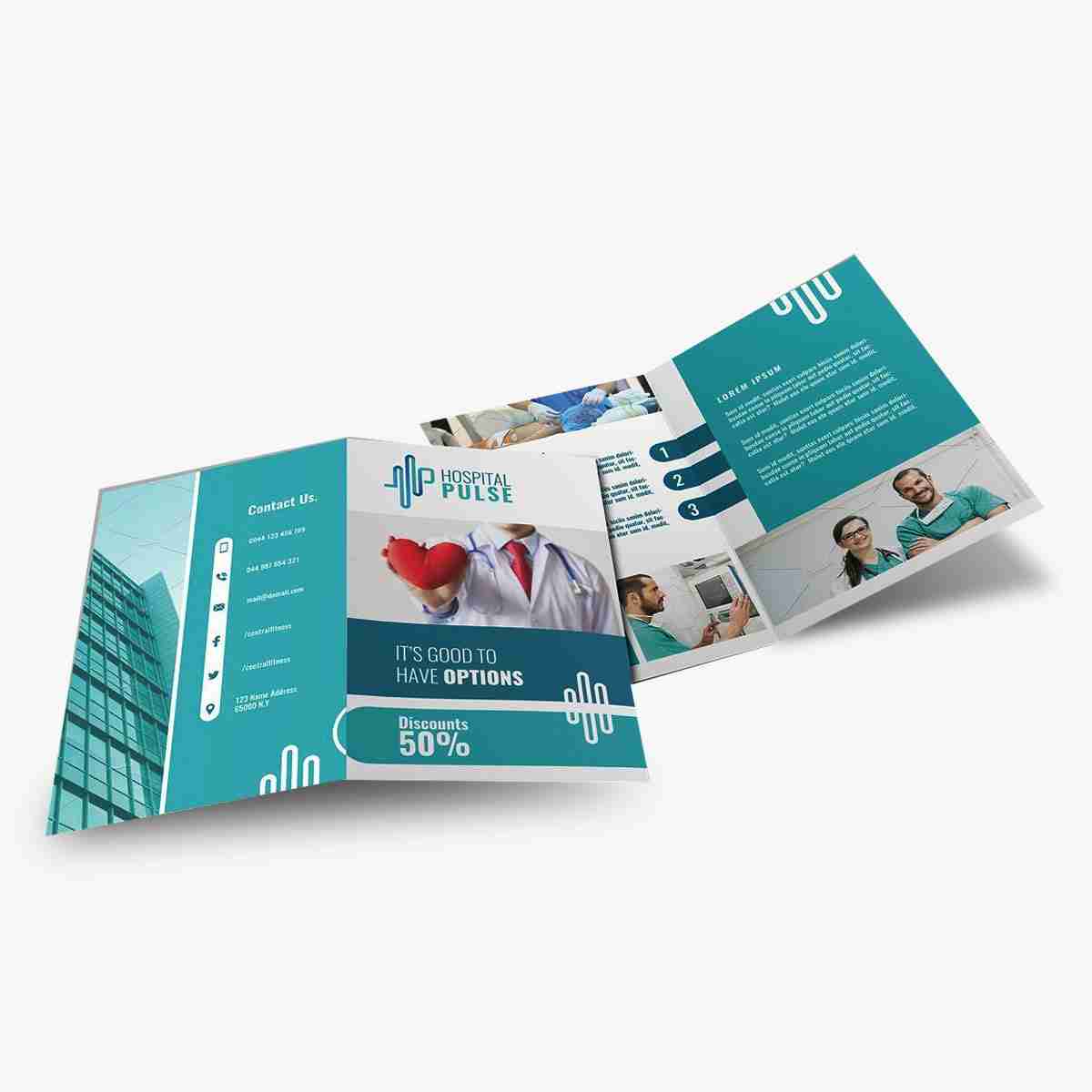
Assorted Printing
Custom assorted printing that goes inside and on your packaging
 02See the build →
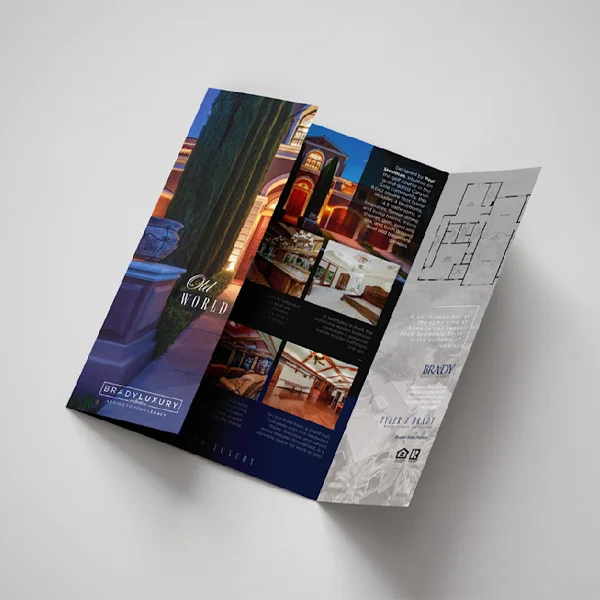
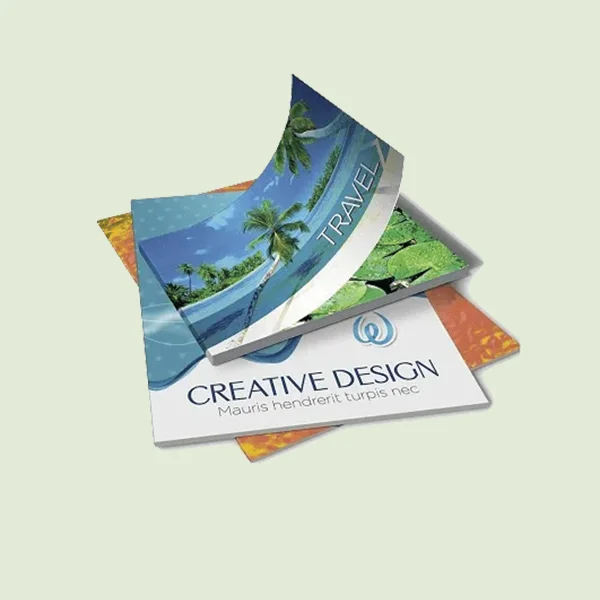
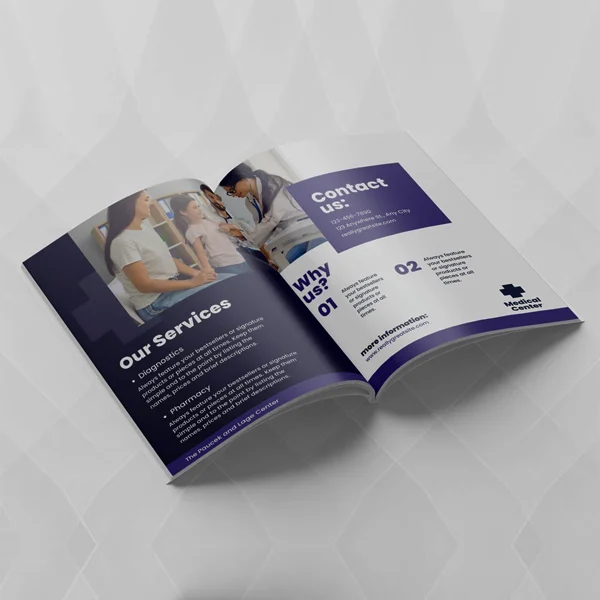
Brochure Booklets
Custom brochure booklets from 100 copies, saddle-stitched in any multiple of four pages.
 03See the build →
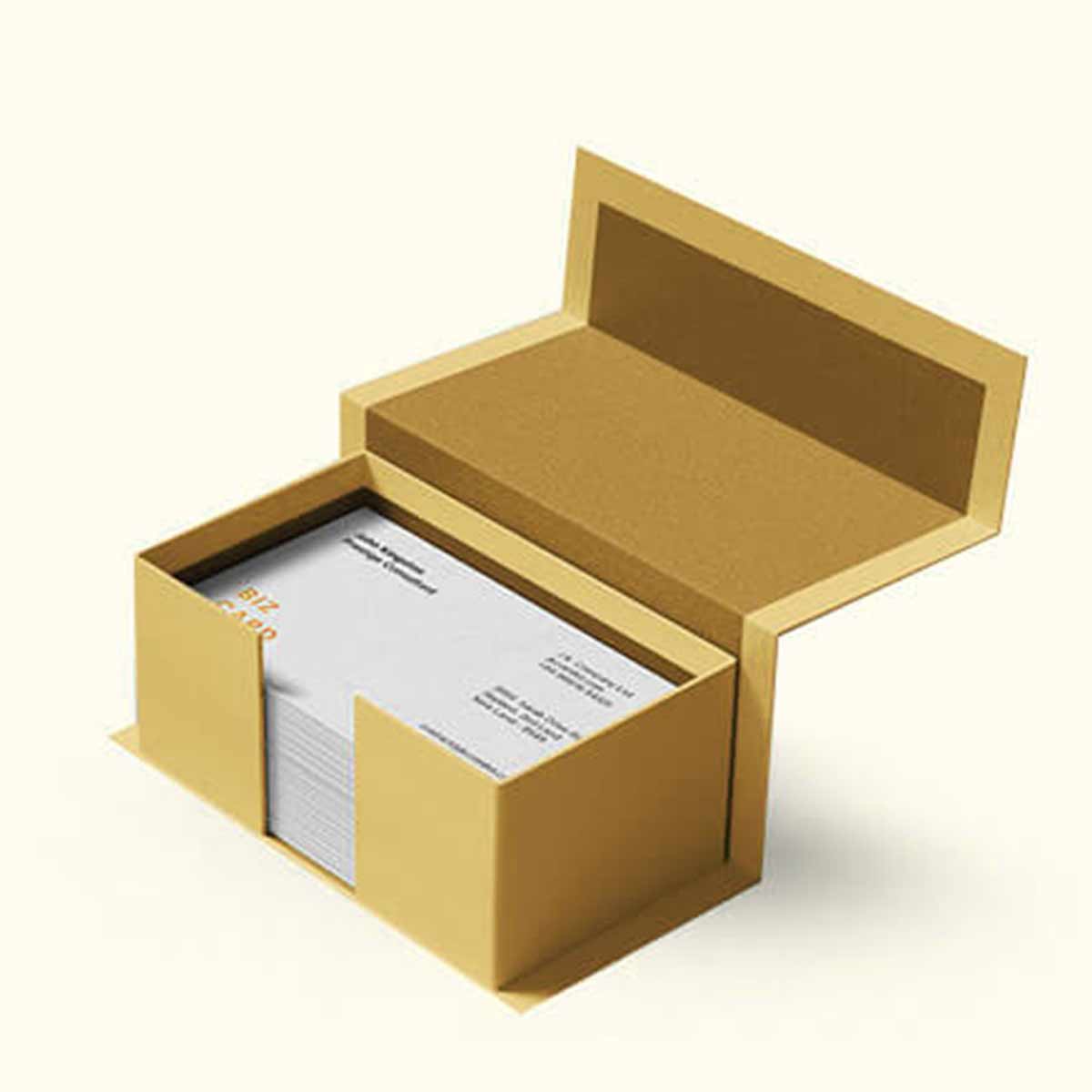
Business Card Packaging
Custom business card packaging sized to your card and count
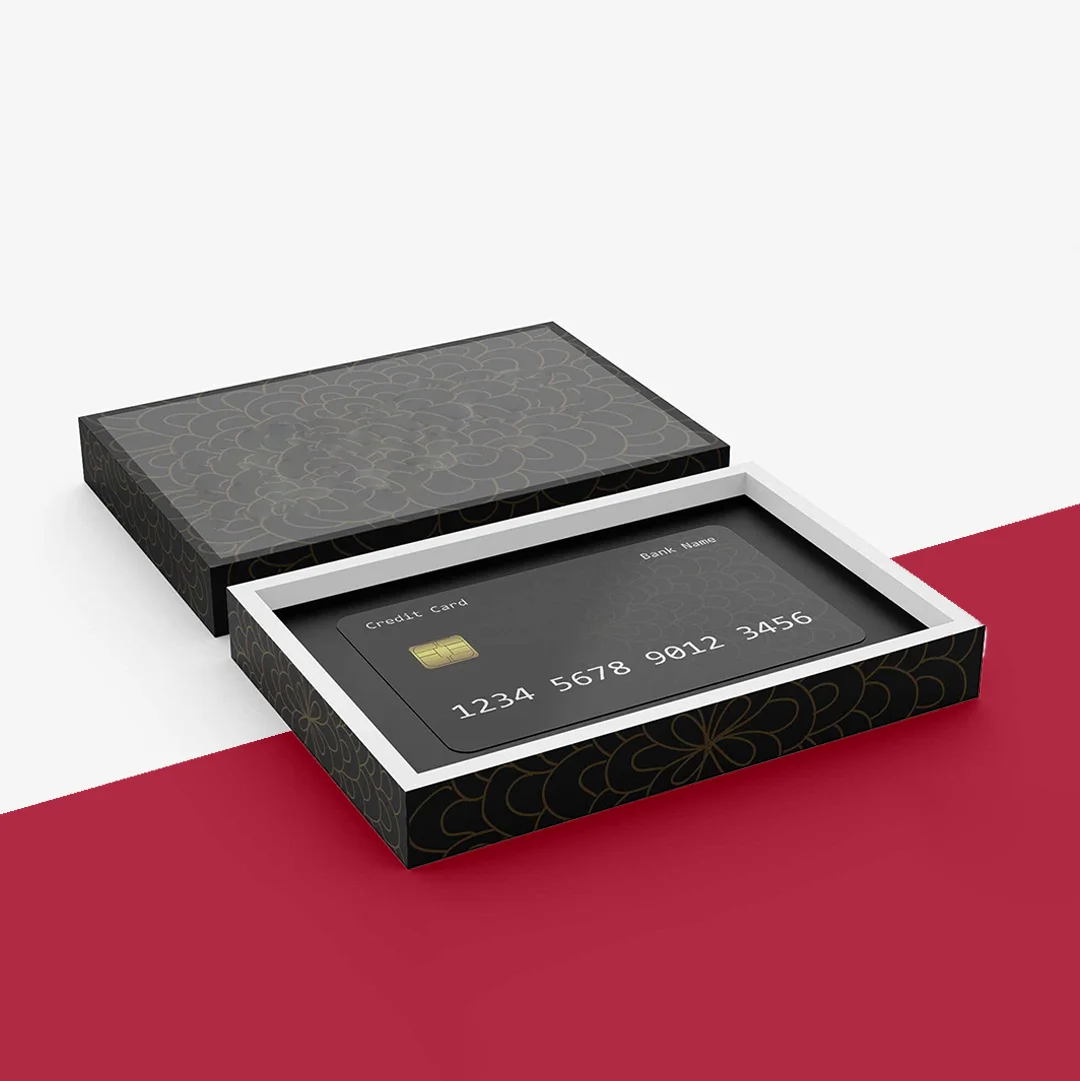 04See the build →
Business Cards
Nobody reads a business card carefully.
 05See the build →
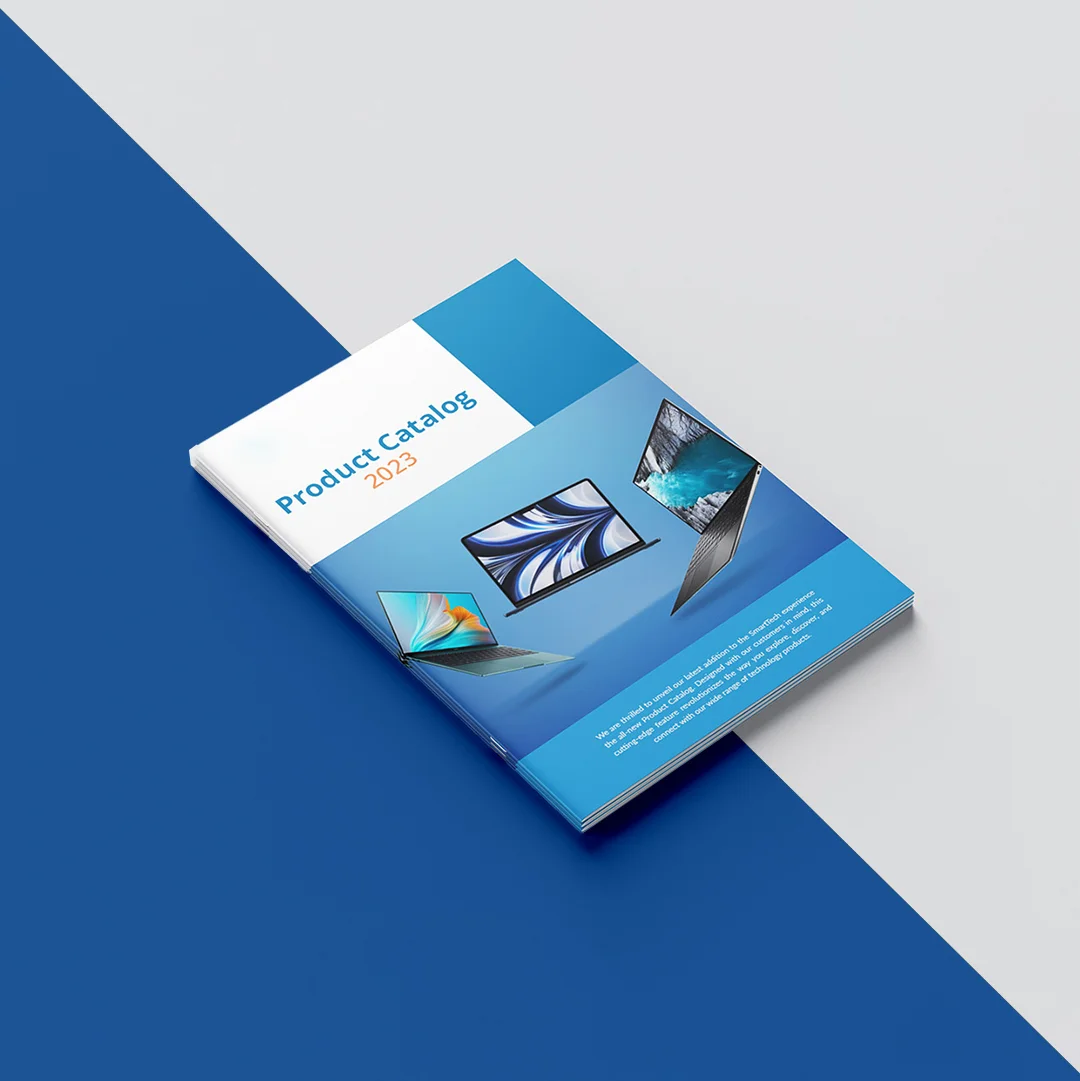
Catalog Printing
Custom catalog printing from 100 copies, saddle-stitched or perfect-bound, on a stock that shows your…
 06See the build →
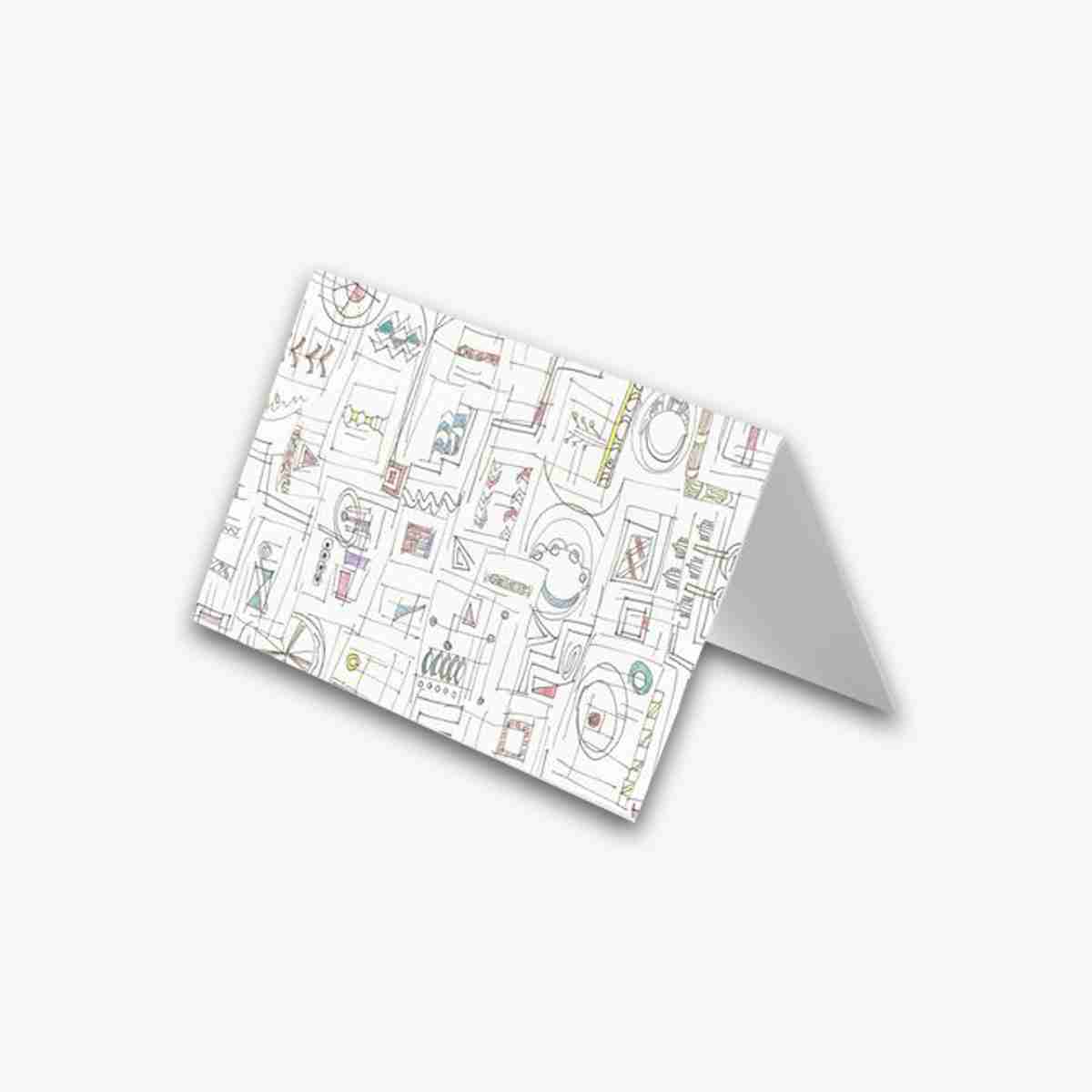
Folded Business Cards
Custom folded business cards that carry four panels in the footprint of one, from 100 cards.
 07See the build →
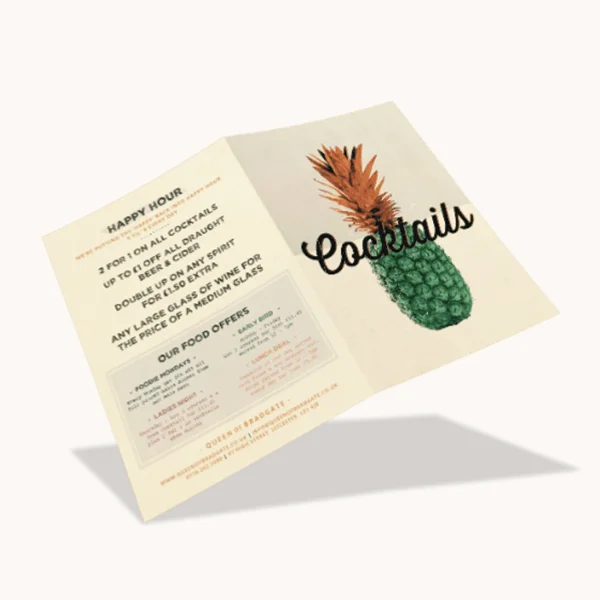
Laminated Menu
Custom laminated menus built to be wiped down between covers, from 50 copies.
 08See the build →
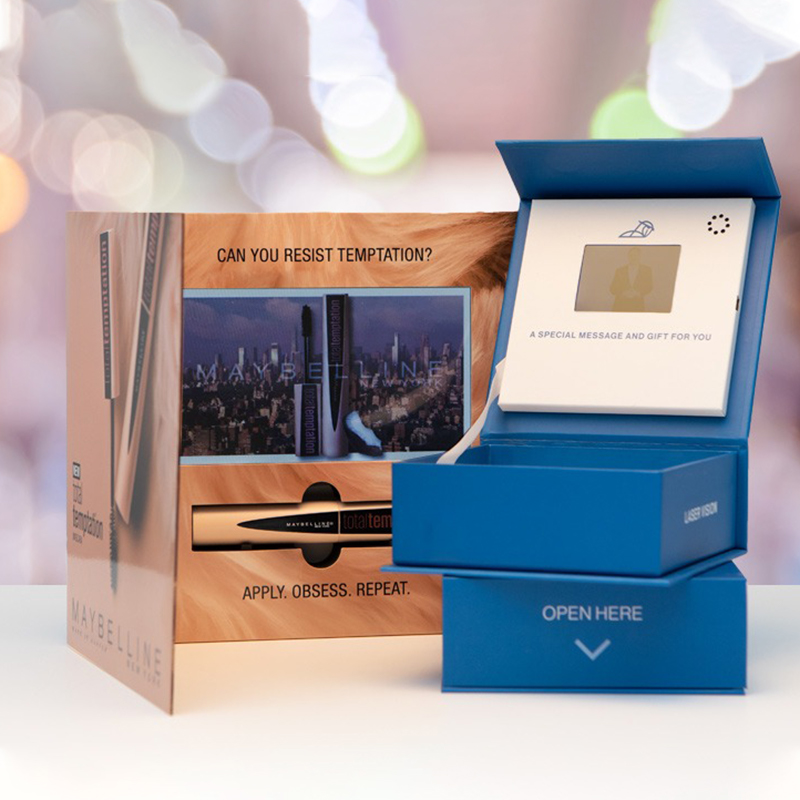
Video Booklet Boxes
Custom video booklet boxes
Side by side
Which printing style fits
| Style | Board | Build | Minimum | |
|---|---|---|---|---|
| Assorted Printing | Coated and uncoated card 300–600 gsm; paper 130–170 gsm; sticker paper and vinyl; tissue | Cards, flyers, tags, stickers, booklets, tissue; matched to the box | 100 per item | Open → |
| Brochure Booklets | Chosen per job | See the page | 100 copies | Open → |
| Business Card Packaging | 18–20pt boxboard tuck; wrapped grayboard 1.2–1.5 mm rigid; 300 gsm sleeves | Tuck-end carton, rigid case, sleeve or band, dispenser box | 100 boxes | Open → |
| Business Cards | 300–600gsm; coated, uncoated, kraft, textured, duplexed with a colored core | See the page | 100 cards | Open → |
| Catalog Printing | Chosen per job | See the page | 100 copies | Open → |
| Folded Business Cards | 350–400 gsm coated or uncoated; recycled and cotton options | See the page | 100 cards | Open → |
| Laminated Menu | 3, 5, 7 or 10 mil each side; gloss, matte or anti-microbial | Single sheet, bifold, trifold, rivet-bound multi-page, specials insert | 50 menus | Open → |
| Video Booklet Boxes | Wrapped grayboard 2–2.5 mm; hard-cover folder board | Rigid box with screen in lid; hard-cover folder; slim rigid mailer | 100 units | Open → |
Why the insert never matches the box
A brand color printed on coated carton board, on uncoated business card stock and on a gloss leaflet will come out as three visibly different colors, even from the same file. Paper absorbs ink at different rates, and no amount of care in the artwork changes that.
The fix is not a better file. It is printing both on the same press run, on stocks chosen together, with one person matching them by eye against a single reference. That is a scheduling decision, and it is why we quote print and packaging as one job.
If the color has to be exact across materials, ask for a spot color rather than a four-color build. It costs more and it is the only reliable answer.
What we print alongside packaging
| Business cards | Standard and heavy stocks, foil, edge painting, rounded corners |
|---|---|
| Thank-you and insert cards | The cheapest personal touch in an ecommerce order |
| Instruction leaflets | Folded to fit inside the carton — folded size drives the box |
| Booklets | Saddle-stitched or perfect bound, from a handful of pages up |
| Card packaging | Presentation cases for cards and small printed sets |
Stock weight, in the language people actually use
Paper is sold in gsm and card in points, and the two do not convert cleanly because the same weight can be bulked to different thicknesses. What matters in the hand is thickness, not weight, so we quote both and send a sample when it is close.
For reference: a letterhead is around 100gsm, a good flyer 150gsm, a solid postcard 350gsm, and a business card that feels substantial starts at about 400gsm. Below 300gsm a business card bends in a wallet and everyone notices.
Digital, litho and where the crossover sits
The crossover is usually somewhere in the low thousands and it moves with the size of the sheet. We will tell you where it falls for your specific job rather than quoting one process by default.
- Digital. No plates, no setup, and the reason a 100-unit run is possible at all.
- Litho. Plates per color, better solids and finer detail, cheaper above a few thousand.
- Foil and emboss. A separate tool and a separate pass on either process.
- Spot color. Litho only in practice; digital approximates it and does not match it.
Folded leaflets have to fit something
A leaflet inside a carton is not a leaflet — it is a component with a folded thickness that takes space away from the product. Fix the fold pattern before the box dieline, or the carton will be redrawn once the first real leaflet arrives.
The same constraint drives the whole build on regulated products, which is set out in our pharmaceutical carton notes.
Artwork, and what a printer actually needs
Vector where possible, 300dpi where not, in CMYK rather than RGB, with 3 mm of bleed and nothing important within 4 mm of a trim edge. Fonts outlined or supplied. That list has not changed in twenty years and it still accounts for most of the delays.
If your file is not set up that way, send it anyway. Fixing it is a short conversation; printing it wrong is a reprint. Our guide to preparing print files covers each item in turn.
Across the range
What every printing job runs on
Boards
- Natural kraft
- White SBS
- E and B flute
- Wrapped grayboard
- Food-grade board
- Recycled content
Chosen from what goes in the box and how far it travels. Our notes on recyclable and compostable stocks say which claims each board can carry.
Finishes
- Matte
- Gloss
- Soft-touch
- Foil
- Emboss
- Spot UV
- Kraft
- Textured
Each one is a decision about light on a shelf — the specialty finishes range shows them on real boxes.
Artwork
- Vector PDF or AI, fonts outlined
- 3 mm bleed, 4 mm safe area
- CMYK; a spot color where a match must hold
- Proof on the dieline before press
Files not set up that way are fine — see the guide to preparing print files.
Interactive · five steps · no sign-up
Spec your Printing
Pick a shape, type a size, choose a stock and a finish. The preview on the left redraws as you go, and the spec lands with us exactly as you set it.
Frequently asked questions
Got a question about printing? The answers below cover what we get asked most. If yours is not here, send it with a brief, message us on WhatsApp, or call +1 503-461-4788 — we reply the same working day.
Can you match my box and my business card exactly?
Not exactly across different stocks — paper changes how ink sits. Printing them together and matching by eye gets far closer.
Do you print in small quantities?
Yes. Digital printing has no plates, which is what makes 100 pieces sensible.
What weight should a business card be?
400gsm and up if it should feel substantial. Below 300gsm it bends in a wallet.
Will you check my artwork before printing?
Always. You get a proof, and we flag bleed, resolution and color-mode problems before anything goes to press.
What is the minimum order?
100 pieces, any product.
Where does the digital-to-litho crossover sit?
Usually in the low thousands, and it moves with sheet size. We tell you where it falls for your job.
Can you match my box and my business card exactly?
Not exactly across different stocks — paper changes how ink sits. Printing them together and matching by eye gets far closer than printing them apart.
Do you print in small quantities?
Yes. Digital printing has no plates, which is what makes 100 pieces sensible rather than wasteful.
What weight should a business card be?
400gsm and up if it should feel substantial. Below 300gsm it bends in a wallet.
Will you check my artwork before printing?
Always. You get a proof, and we flag bleed, resolution and color-mode problems before anything goes to press.
Keep browsing