
Custom packaging for United States brands
Made to order from 100 units, cut to your dimensions and printed with your artwork. We quote in dollars, ship delivered to any US address, and build to the strictest state you sell into so one specification works nationally.
- 100 units minimum, every range
- Dieline with every quote
- USD pricing, delivered
- PFAS-free food board as standard
Get a price for Packaging for United States
Send the size and quantity — we reply the same working day with a price, a dieline and a date. Artwork optional at this stage.
What US brands order from us
Every range is made to order from 100 units. These are the ones US buyers reach for most; the full catalog runs to 78 ranges.
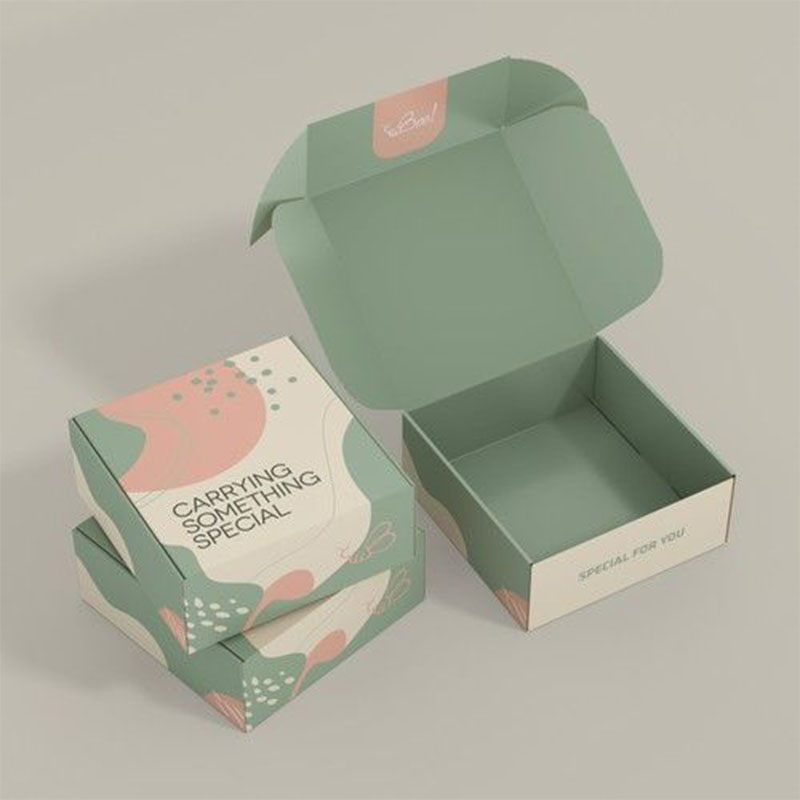
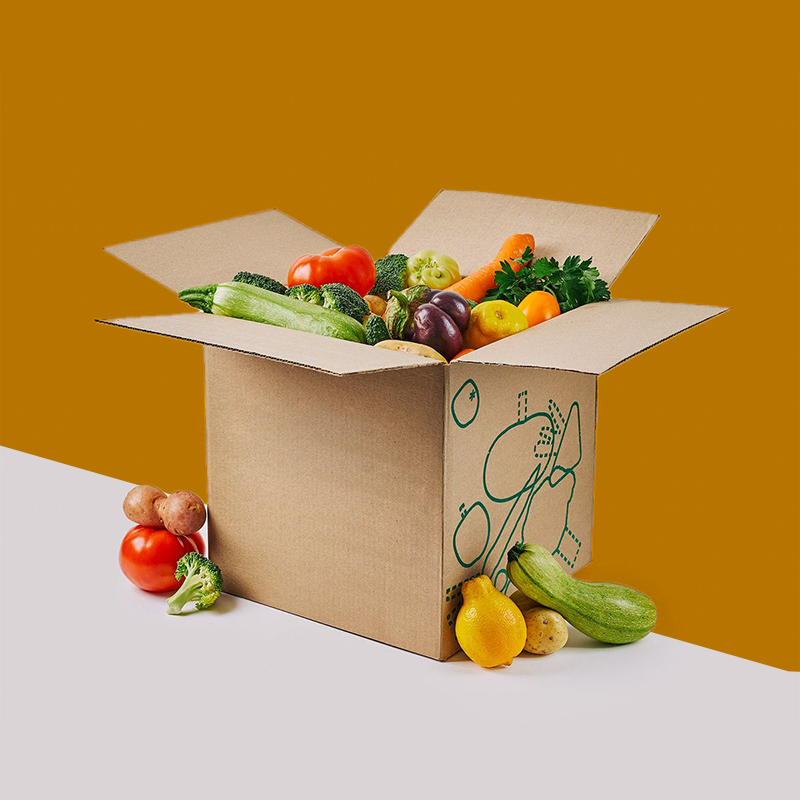
Mailer boxesShips flat, opens without a knife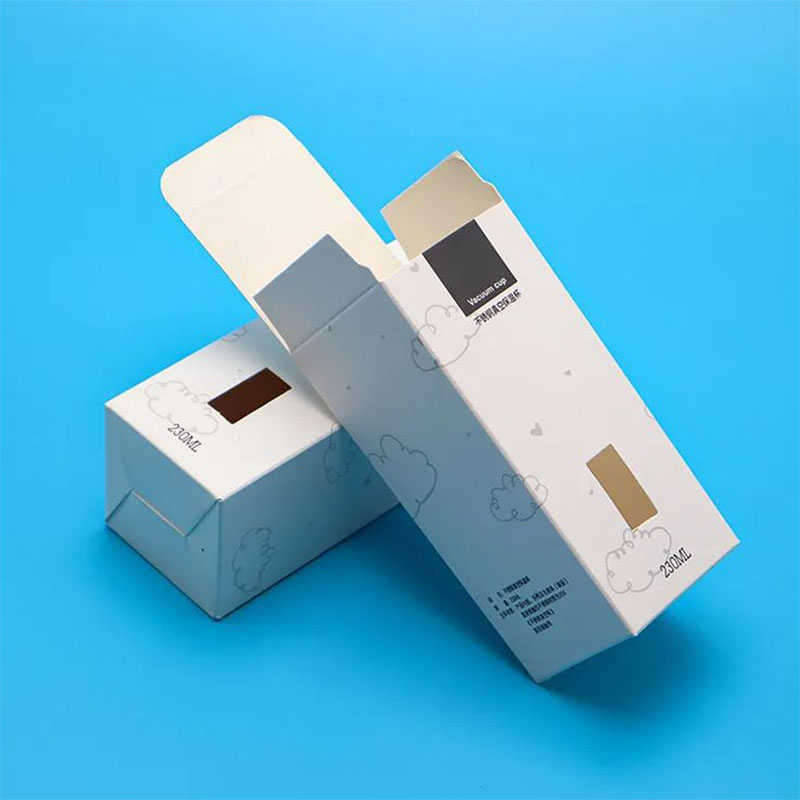 Folding cartonsThe retail shelf standardFood serviceVented, grease-resistant, PFAS-free
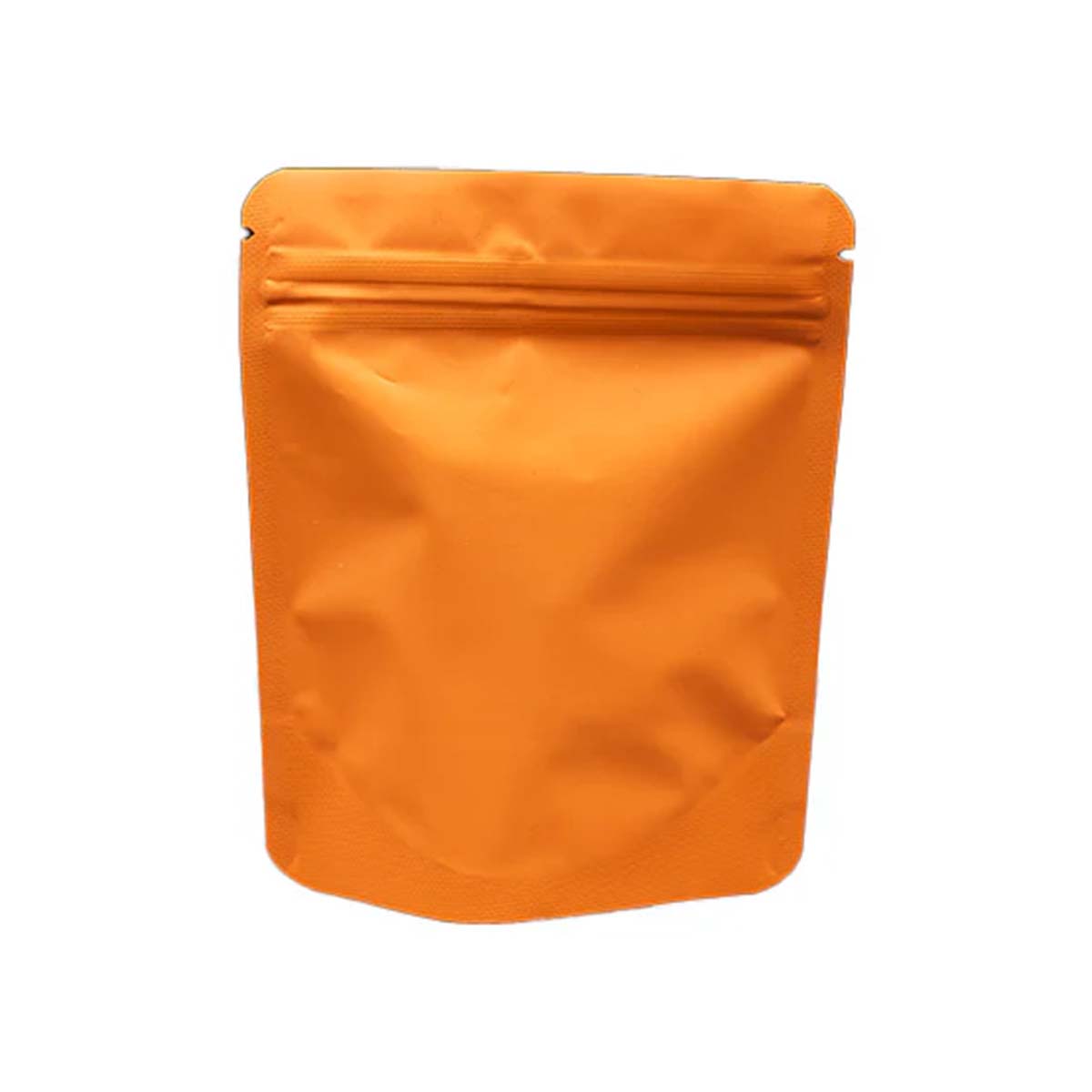 Mylar bagsFoil barrier for shelf life
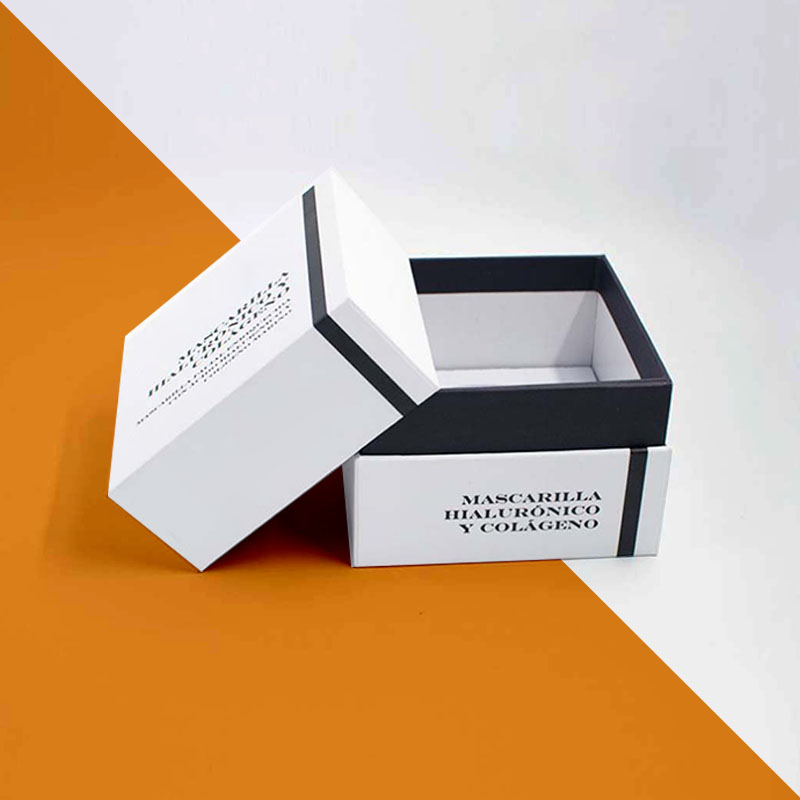
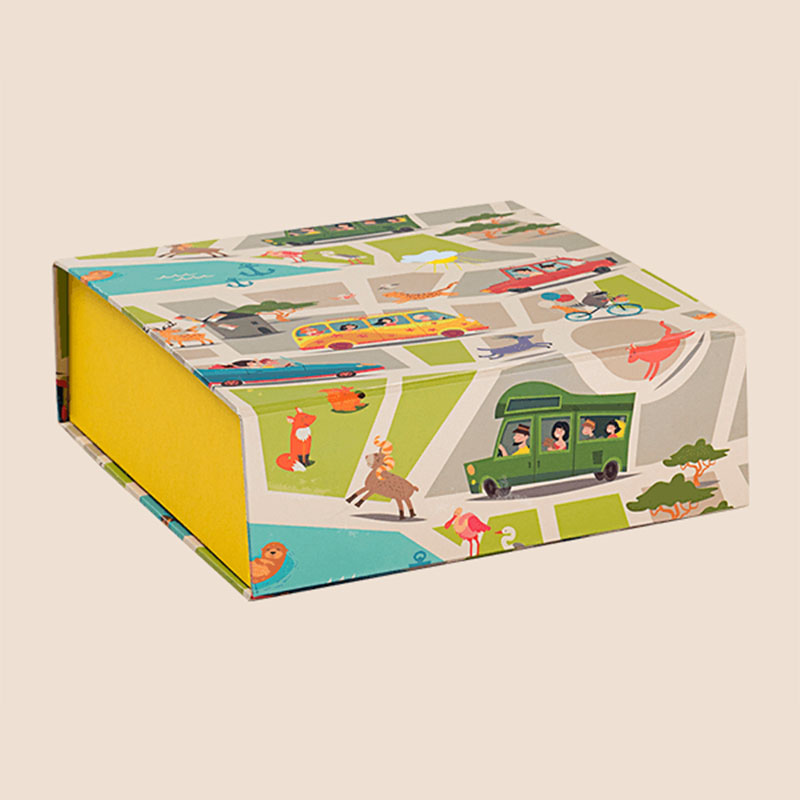 Rigid boxesWrapped board, judged at the cornersCosmetic cartonsOne tool, a whole shade range
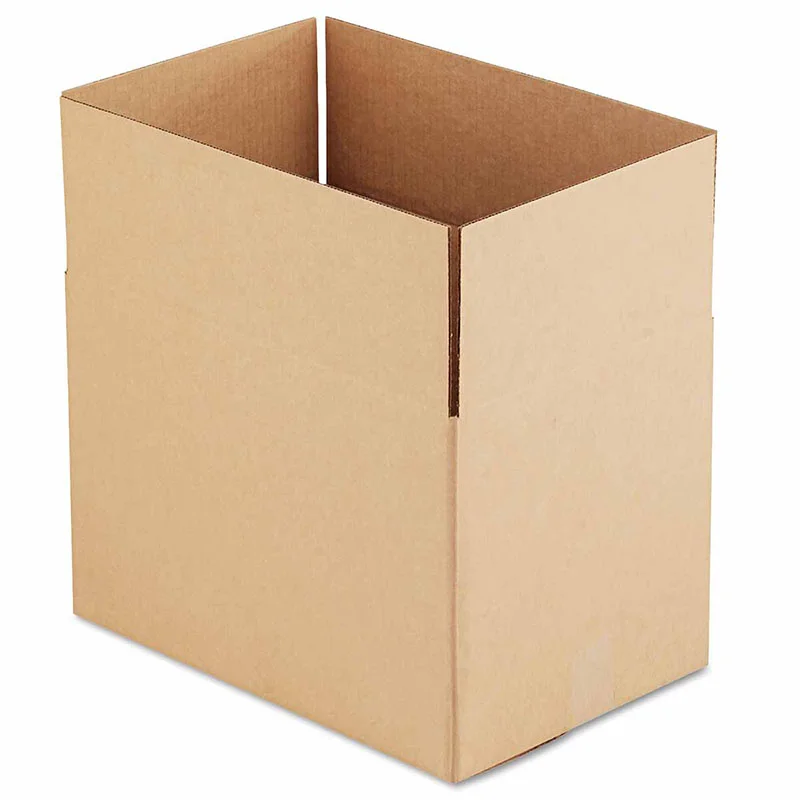 Shipping boxesGraded to the load and the stack
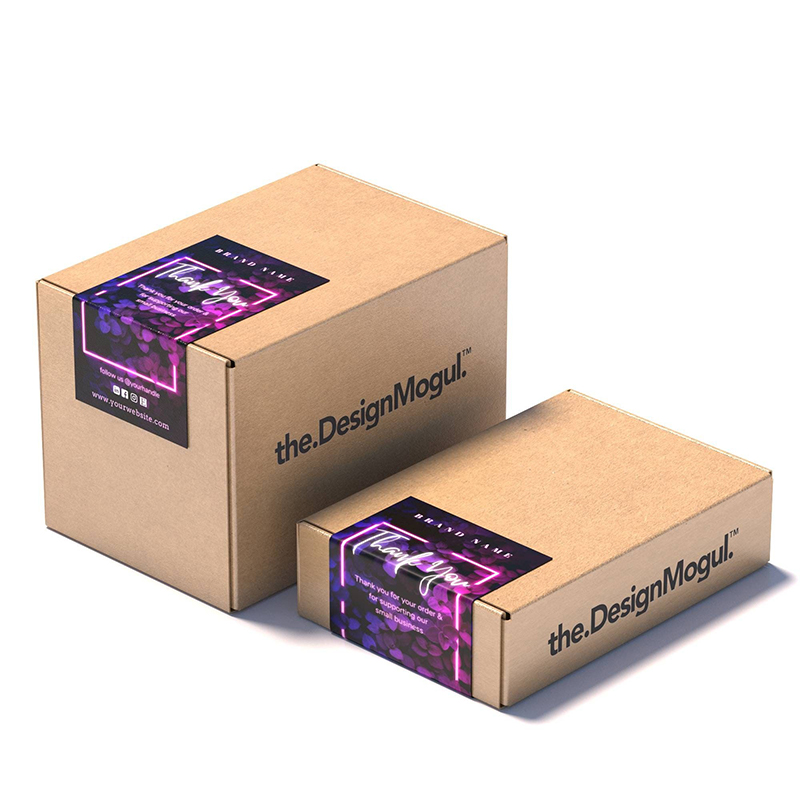 LabelsPaper and film, die-cut to shape
The box is the only part of the brand that arrives
A US direct-to-consumer order passes through a carrier network designed for volume, not for your product. It is thrown, stacked and sorted, and the box either holds or it does not. Then it is opened in a kitchen, and for most brands that is the only physical contact a customer ever has with them.
That argues for spending on two things and ignoring the rest: a closure that survives the network, and the inside of the lid. A tab-locked mailer opens flat and presents whatever is printed there, which is why it became the default for anything a customer might photograph.
- E-flute for anything under about two pounds; B-flute where the contents are fragile.
- Print the inside of the lid before you print the outside of the box.
- Size against the carrier band, not against the product — the gap costs more than the board.
The states write the packaging rules, not Washington
There is no federal packaging standard worth the name. About a dozen states have written their own, on their own timetables, and the strictest one you sell into effectively sets your specification.
| State | What it affects | Practical effect on a spec |
|---|---|---|
| California | PFAS in food packaging, Prop 65 warnings, recycled content | Usually the binding constraint for a national brand |
| Washington, Maine, Minnesota | PFAS restrictions phasing in | Same board choice as California satisfies these |
| New York and others | Extended producer responsibility programs | Reporting by material and weight rather than a material ban |
| Every other state | No specific packaging rule | Inherits whatever spec you built for the strictest market |
Grease resistance without the chemistry states are banning
Paper resists grease two ways: the fiber is refined until oil cannot travel through it, or the sheet is coated. For years those coatings were fluorinated, and several states now restrict exactly that in food packaging.
We use non-fluorinated grease barriers as standard across the food ranges, which means one board serves California and Ohio alike. It is also the cheaper decision at scale, because running two specifications for two markets costs more than running the stricter one everywhere.
Materials, and what each one is actually for
Board is chosen from the load, the journey and the print — in that order. These are the grades most US work runs on.
SBS folding boxboard
Bleached, smooth and the best surface for full-color print. The default for retail cartons.
Typical use Cosmetics, supplements, confectionery, anything on a shelf
Unbleached kraft
Brown through the sheet, hides handling, takes one or two colors beautifully and photographs as natural.
Typical use Food service, soap, candles, brands selling craft
E-flute corrugated
A thin fluted board that prints sharply and folds flat. Most ecommerce mailers are this.
Typical use Mailers, subscription boxes, light shippers
B and double-wall corrugated
Thicker flutes and more cushion, graded by edge crush for the weight and the stack height.
Typical use Shipping boxes, heavy or fragile contents, pallet loads
Wrapped chipboard
Rigid chipboard wrapped in printed paper. Does not fold flat, and reads as expensive because it is.
Typical use Gift, electronics, launch editions
Foil laminate film
Polyester, aluminum foil and a sealing layer. The foil is the barrier; the thickness is not.
Typical use Coffee, supplements, freeze-dried and long-shelf-life goods
Freight is where a US order is won or lost
The country is large enough that inland freight can rival the cost of what is being shipped. Below roughly a pallet, parcel carriers are cheaper and dimensional weight sets the price. Above it, LTL takes over and the bill is driven by pallet count and class rather than by size. The awkward middle — three or four cases of stock — is where buyers routinely overpay.
We quote delivered, so freight is in the number rather than a surprise afterwards. Where a brand ships from two coasts, splitting a run between two destinations is often cheaper than one delivery plus an internal transfer, and we will quote both.
- Currency
- Quoted in USD, delivered
- Minimum
- 100 units on every range
- Freight
- Parcel below a pallet, LTL above it
- Split delivery
- Two US destinations quoted on request
- Sales tax
- Destination-based; resale certificates usually exempt packaging
- Sales line
- +1 503-461-4788
How an order runs
Five steps. The first is a conversation about size, and the price comes after it rather than before.
Tell us what goes in it
Product dimensions, or the product itself. We work the box out from what it holds rather than from a catalog number.
We quote and send a dieline
A price, a dieline drawn to your dimensions and a date, usually the same working day. The dieline is yours whether or not you order.
Artwork on the dieline
You place your design on the drawing we sent. Files that arrive without bleed or in the wrong color space are the most common cause of delay.
You approve a proof
A digital proof always, and a printed proof or a white sample where the fit or the color matters.
Production and delivered freight
We give a date with the quote and ship delivered to your address, your 3PL or a fulfillment center to its receiving spec.
A shelf carton has about three seconds and one facing
Retail packaging is judged from four feet away by someone walking past. That rewards a single strong idea on the front panel and punishes a carton carrying four messages, however true each one is.
The mechanical questions are smaller but they still decide listings: a carton that fits the shelf it was listed for, a barcode that scans first time in the position the retailer specifies, and case markings to their receiving document. Independent retail is relaxed about all of it; grocery multiples are not.
- Design the required legal text first and lay the artwork into what is left.
- Reserve a clear area for a batch or lot code applied after print.
- Check the shelf height before the die is cut, not after the first delivery.
Printing and finishing
Everything here is available on US work. What is worth buying depends on the board and where the pack is seen.
Full-color process
CMYK across the sheet. Digital for short runs with no plates; offset once the run justifies the make-ready.
Spot color
A mixed ink matched to a specific brand color. The only reliable way to hold a difficult brown, deep red or corporate blue across reprints.
Matte lamination
A soft, non-reflective film. Resists the scuffs a box collects in transit and does not glare under retail lighting.
Gloss lamination
Deepens color and adds shine. Sharper on day one, and it shows every fingerprint by the third handling.
Soft-touch
A velvety film that changes how the box feels before anyone looks at it. The cheapest way to make a modest board read as premium.
Foil stamping
Metallic leaf pressed into the surface with a heated die. Small blocks are inexpensive; full-panel foil is not.
Emboss and deboss
A raised or recessed impression. A blind emboss with no ink at all is the finish that looks most expensive on uncoated board.
Spot UV
Gloss varnish on chosen areas only. Best over a matte laminate, where the contrast does the work.
Window patching
A film panel over a die-cut opening so the product shows. Available on food-grade and anti-fog film where the contents need it.
What to send us, and what you get back
Most quotes stall on missing information rather than on price. A brief with these five things in it comes back the same working day with a number you can actually plan against; a brief without them comes back as questions.
If you are ordering across several sizes or planning repeat runs, say so at the start. It changes what we tool and often lowers the unit price more than any negotiation would.
- What goes in the box, with dimensions — or send the product and let us measure it.
- Quantity, and the quantity you expect to reorder. The curve matters more than the first run.
- Where it is delivered, and whether that is your address, a 3PL or a fulfillment center.
- Any state you sell into with material rules, so the spec is built for the strictest one.
- Your artwork, or nothing at all — we send the dieline first and you design onto it.
Sales tax, and the certificate that removes it
There is no VAT in the United States. Sales tax is charged at the destination and varies by state and often by city, but packaging bought to be resold as part of a finished product is usually exempt with a valid resale certificate. Most brands buying packaging qualify, and a surprising number do not realize it.
Send the certificate with your first order rather than reclaiming afterwards, which is slower and sometimes not possible at all. We show tax as its own line so the pre-tax figure is the one you compare between suppliers.
This is general commercial guidance, not tax advice. Rates, thresholds and exemptions change, and your accountant is the right person to confirm how they apply to you.
Before you brief a packaging job
The decisions that cost the most to get wrong, written out properly.
5 min read
How to measure a box so the die comes out right
Internal or external, and which order the three numbers go in.
6 min read
Your box size is a shipping bill you pay every month
Where the carrier bands fall and how to size against them.
7 min read
What replaced PFAS in grease-resistant packaging
What the state restrictions actually require of a food board.
5 min read
Why 100 boxes cost nearly as much as 500
Where tooling stops dominating and the unit price starts falling.
Interactive · five steps · no sign-up
Build your packaging for United States in 3D
Pick a shape, type a size, choose a board and a finish. The preview on the left redraws as you go, and the spec lands with us exactly as you set it.
United States questions
What is the minimum order in the US?
One hundred units on every range. Below that the die and press set-up dominate the cost and you would be paying mostly for tooling.
Do you quote in dollars?
Yes, USD, delivered to a US address. The ship-to selector in the header sets the currency your quote comes back in.
Is there a federal packaging regulation I have to meet?
Not a meaningful one. About a dozen states have written their own material rules, so the strictest state you sell into effectively sets your specification.
Should I build to California rules everywhere?
Usually yes. Running one compliant specification nationally costs less than running two, and other states have been following California rather than diverging from it.
Are your food boards PFAS-free?
Yes, as standard. Grease resistance comes from refined fiber or a non-fluorinated coating across the food ranges.
Can you print custom sizes, or only stock ones?
Custom only. Every job is cut from a die made to your dimensions — there is no stock catalog to choose from.
Do you charge for the dieline?
No. It comes with the quote, before you commit to anything, and it is yours whether or not you order.
Can I get a sample before committing?
Yes. An unprinted sample in your size so you can pack your product, and a printed prototype where the color or the finish is the decision.
How is freight charged?
Delivered, inside the quote. Parcel below about a pallet where dimensional weight decides, LTL above it where pallet count and freight class do.
Can you deliver to two US addresses?
Yes, and for a brand shipping from two coasts it is often cheaper than one delivery plus your own transfer. Ask for both on the quote.
Can you ship to a fulfillment center?
Yes, to their receiving specification — carton dimensions, label placement, barcode position and pallet configuration. Send us their document at quote stage.
Do I pay sales tax on packaging?
Often not. Packaging resold as part of a finished product is usually exempt with a valid resale certificate, which is worth sending with the first order.
How long does production take?
It depends on the board, the finish and the quantity. We give a date with the quote rather than a number before we have seen the specification.
Can I reorder the same box later?
Yes, and it is cheaper the second time because the die already exists. We keep the tooling and the artwork on file.
Send the dimensions and we will send a dieline
A price, a drawing and a date, usually the same working day. The dieline is yours whether or not you order, and we will say when a different build suits the product better.