
Custom packaging for UK brands and retailers
Short runs, printed to your artwork and cut to your sizes, from 100 units. We quote in pounds before VAT, hand over component weights and materials for your packaging returns, and send a dieline whether or not you order.
- 100 units — no separate short-run penalty
- GBP quoted before VAT
- Weights and materials for your returns
- Dieline with every quote

Get a price for Packaging for United Kingdom
Send the size and quantity — we reply the same working day with a price, a dieline and a date. Artwork optional at this stage.
Order little and often, and stop writing off stock
A UK brand that an American supplier would push toward 5,000 cartons usually wants 1,000 four times a year. That is not timidity, it is the shape of the market: shorter shelf lives on a listing, faster reformulation, and a warehouse that costs more per pallet than the packaging in it.
Digital printing suits that pattern for far longer than most suppliers admit. No plates means no penalty for changing the artwork between runs, so a wording correction or a new flavor costs nothing but the run itself.
- Tool once and print in batches, rather than printing a year of a design you may revise.
- Consolidate deliveries where you can — four small shipments cost more than one large one.
- Keep the die on file; the second run is cheaper than the first because it already exists.
Ranges UK buyers order most
Beauty, supplements and specialty food lead here, and order sizes suit cartons and pouches more than rigid work — except in the last quarter of the year.
Cosmetic cartonsOne tool, a whole shade range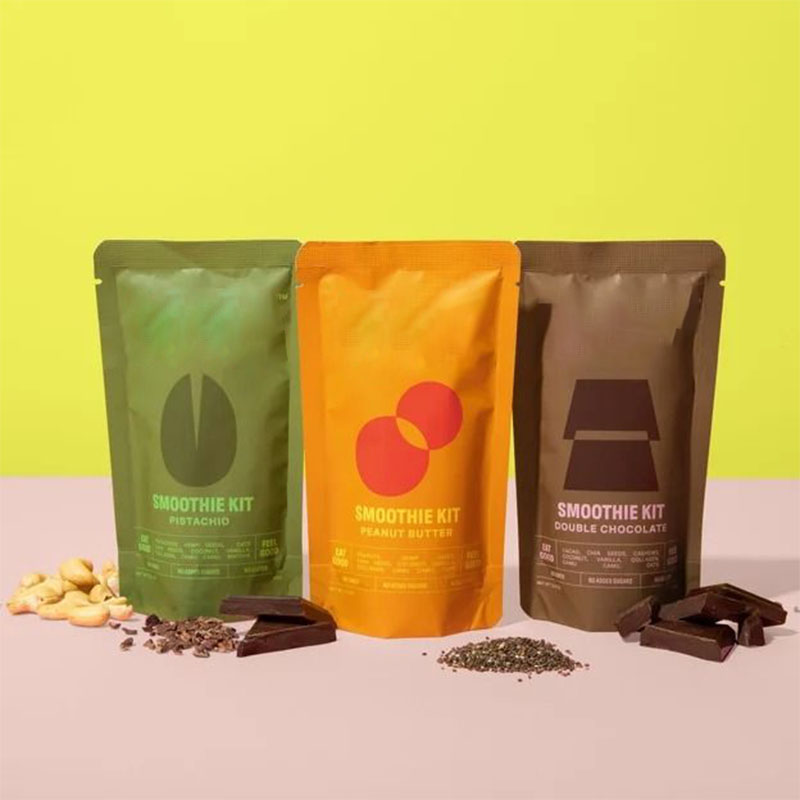 Coffee packagingValved bags and retail cartonsRigid boxesGifting, and the Q4 rush
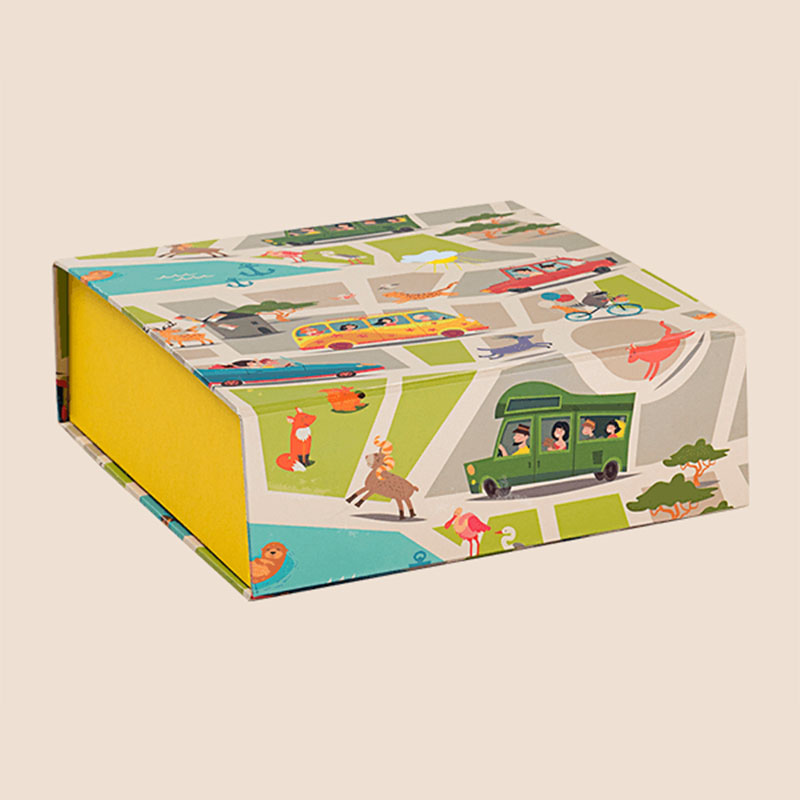
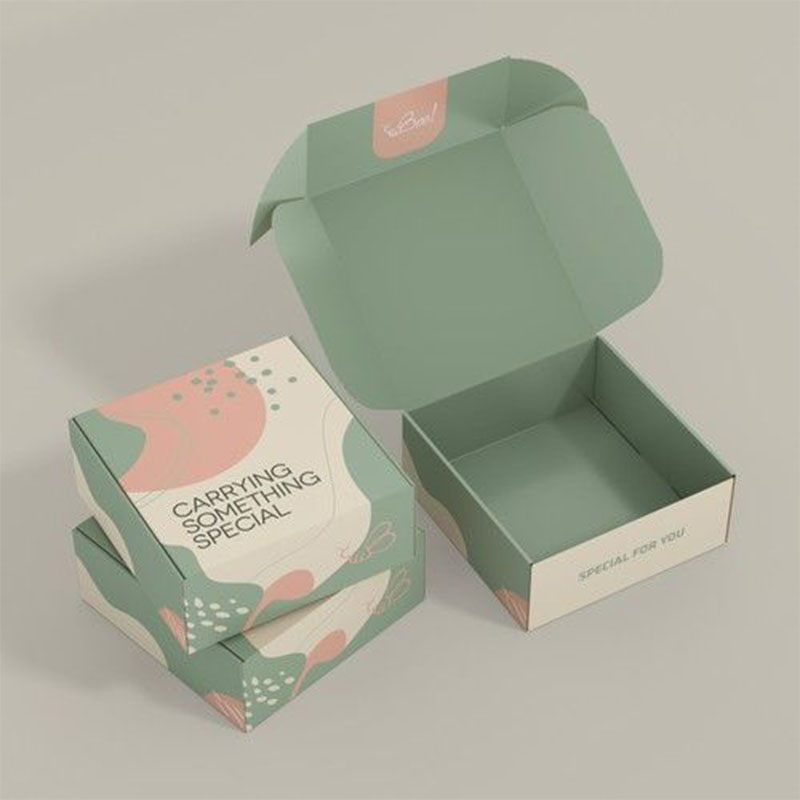 Mailer boxesOpens flat, prints inside the lid
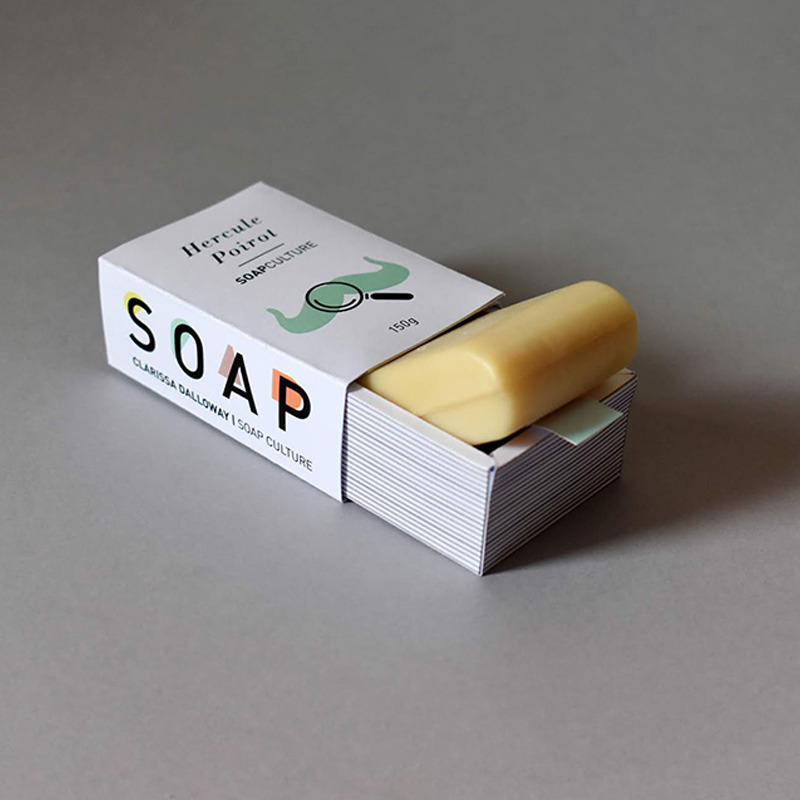 Soap and bathKraft, window and sleeve builds
 Candle boxesRigid, window and shipper buildsPaper bagsCarriers, handles and gift bags
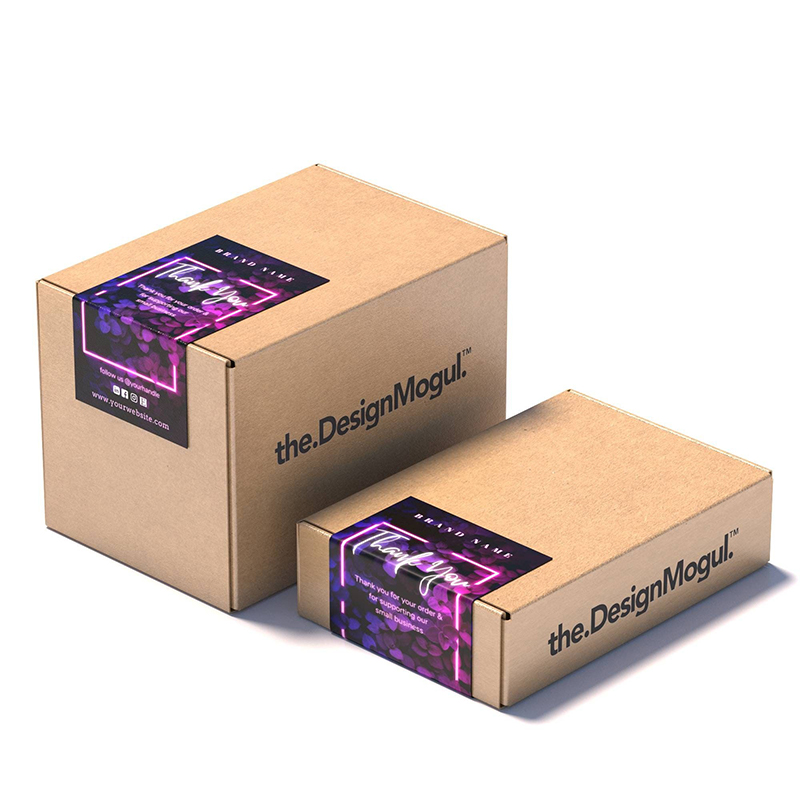 LabelsPaper and film, die-cut to shape
You may have to account for the packaging you buy
The UK now asks businesses above certain size and tonnage thresholds to record the packaging they place on the market — how much, of what material — and to contribute toward the cost of collecting it. Smaller businesses report; larger ones report and pay. Thresholds and fees have moved since the scheme began, so the figure to check is the current one rather than the one in a two-year-old article.
What that means for a supplier is simple and practical: you should be able to get the weight and material of every component you buy. We put those on the quote for UK customers without being asked, because reconstructing them a year later from delivery notes is miserable work.
- Materials are reported separately, so a laminated pouch is not one line on your return.
- A window film, a foil block and a paper carton are three materials in one carton.
- Ask for the figures at quote stage — they cost nothing then and hours later.
This is general guidance on what to ask a supplier for, not legal or compliance advice. The scheme's thresholds, fees and reporting deadlines are set by government and change; confirm your own obligations against the current official guidance.

A shade range shares one tool and one board
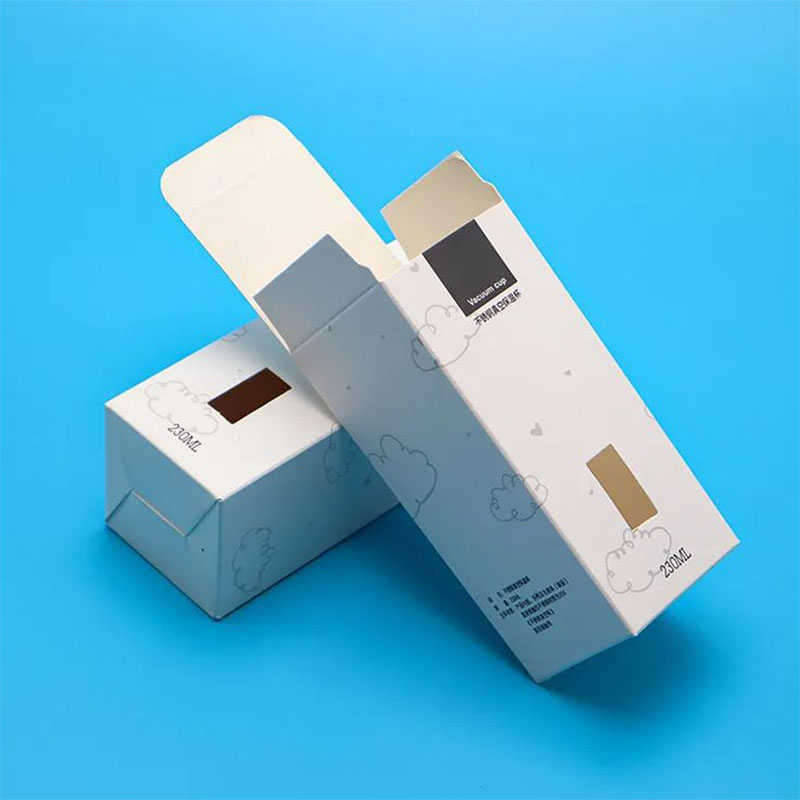
The single most useful thing about a folding carton is that thirty variants of a product can share one die, one board and one finish. Only the print file changes. That is why a thirty-SKU beauty launch at a hundred cartons each is an ordinary job rather than an awkward one.
The constraint is the regulated text. Ingredient lists on cosmetics are long, and they have to be legible at a size a regulator would accept. Lay that panel out first and design into what is left, and the carton is often one size larger than the mock-up.
What run size actually changes
The crossover between digital and litho moves with the colors and the finish, but the shape is always the same: tooling dominates at the bottom and disappears at the top.
| Run | Usual method | What it means for you |
|---|---|---|
| 100–500 | Digital | No plates. Artwork can change between runs for nothing |
| 500–2,000 | Digital or litho | The UK sweet spot; we quote both so you can see the curve |
| 2,000–10,000 | Litho | Make-ready is paid for once; unit price falls steeply |
| 10,000+ | Litho | Worth consolidating into one delivery rather than four |
Boards and films we run for UK work
Material is reported separately on your packaging return, so it is worth knowing what each component actually is rather than what it looks like.
FBB folding boxboard
Bleached, smooth, excellent for full-color print. Recyclable in the paper stream.
Typical use Beauty, supplements, confectionery cartons
Kraft board
Unbleached and brown through the sheet. Hides handling and reads as natural without a coating.
Typical use Soap, candles, food service, refill ranges
Recycled board
Greyer and slightly flecked, prints well, and it is the easiest recycled-content claim to support.
Typical use Anything where recycled content matters more than a white surface
E-flute corrugated
Thin fluted board that prints sharply and folds flat for storage.
Typical use Ecommerce mailers and subscription boxes
Wrapped chipboard
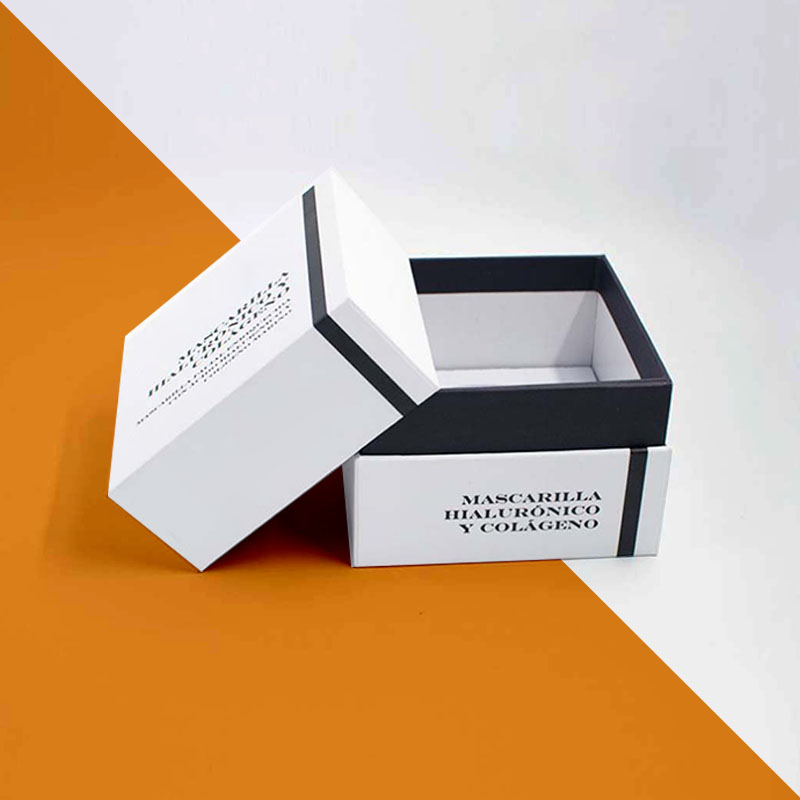
Rigid board wrapped in printed paper. Heavy in the hand and the format Q4 gifting runs on.
Typical use Gift sets, jewelry, premium launches
Barrier film
Foil or metallized laminate. The barrier is the metal layer, not the thickness of the bag.
Typical use Coffee, supplements, dry goods with a shelf life
Lead time, and the sea leg most quotes forget
A quote that gives a production time and stops has told you half the story. Production is measured in days; the sea leg is measured in weeks, and consolidation and customs sit on top of it. Air freight collapses that to days at several times the cost — worth it for a small run of labels, almost never for a pallet of cartons.
We quote the date the goods land with you rather than the date they leave the floor. If a launch date is fixed, work backwards from it and add a fortnight you do not think you need. Chinese New Year stops production for two to three weeks each year, which makes a February launch a December order.
- Currency
- Quoted in GBP, excluding VAT
- Minimum
- 100 units on every range
- Customs
- Declarations handled on shipments to you
- Northern Ireland
- Shipped under its own arrangements — tell us at quote stage
- Reporting
- Component weights and materials on the quote
- Sales line
- +1 503-461-4788
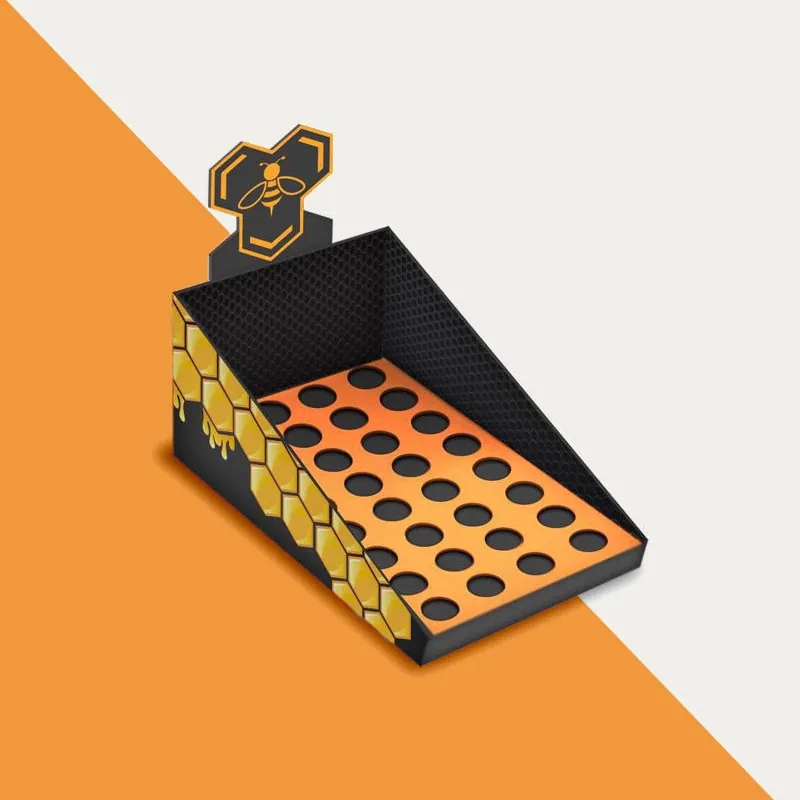
What a grocery multiple checks before it accepts a delivery
Independent retail is relaxed about packaging detail. The multiples are not, and listings are lost over case markings rather than over the product inside them. None of it is difficult; all of it has to be right the first time.
Send us the retailer's receiving document at quote stage. Matching it costs nothing at design time and a great deal after the cartons are made.
- A barcode that scans first time, in the symbology, size and position specified.
- Recycling guidance in the labeling scheme the retailer uses, applied per component.
- Country of origin, and an address a consumer can write to.
- Case markings and a pallet configuration to their own document.
- A carton that fits the shelf it was listed for.
Print and finishing
What is worth buying depends on the board and where the pack is seen. On a small UK run, the cheapest upgrades are usually the tactile ones.
Digital full color
No plates and no make-ready, so a 250-carton run is practical and the artwork can change next time for nothing.
Litho with spot colors
Once the run justifies the make-ready. A mixed spot ink is the only reliable way to hold a difficult brand color across reprints.
Matte lamination
Soft and non-reflective. Survives handling and does not glare under retail lighting.
Soft-touch
A velvety film that changes how the carton feels before anyone reads it. Punches well above its cost on a small box.
Foil block
Metallic leaf pressed with a heated die. A small block on a logo is inexpensive; full-panel foil is not.
Blind emboss
An impression with no ink at all. On uncoated and kraft board it is the finish that looks most expensive.
Spot UV
Gloss varnish on chosen areas over a matte laminate, where the contrast is the point.
Window patching
Film over a die-cut opening. Adds a second material to your packaging return, so it is worth deciding deliberately.
From brief to delivery
Five steps, and the first is a conversation about size rather than a price list.
Send the product or its dimensions
We work the carton out from what it holds. If you are between components, send the supplier drawing.
Quote, dieline and weights
A price before VAT, a dieline drawn to your dimensions, and the component weights and materials for your packaging return.
Artwork onto the dieline
You design onto the drawing we sent. Regulated text — ingredients, weight, origin — is laid out first and the design fits around it.
Proof and approval
A digital proof always. A printed proof or a white sample where the color or the fit is the decision.
Production and delivered freight
We quote the date the goods land with you, customs handled, rather than the date they leave the floor.
Getting a quote back the same day
Most UK quotes stall on missing information rather than on price. These five things turn a brief into a number you can plan against; without them it comes back as questions.
If you are launching a range rather than one product, say so at the start. A shared die across variants changes the arithmetic more than any negotiation would.
- What goes in it, with dimensions — or send the product and we will measure it.
- How many now, and how many you expect to reorder. The curve matters more than the first run.
- Whether it is a listing with a retailer, and which one, so we can build to their document.
- Whether you need the weights and materials for your packaging return, and in what format.
- Your delivery address, including whether it is a 3PL with its own receiving spec.
Worth reading before you brief
Written for people specifying packaging rather than selling it.
6 min read
Rigid or folding: the decision that sets your whole cost base
Which construction, and what each one commits you to.
6 min read
Artwork that prints the way it looks on screen
Bleed, color space and the files that hold up a job.
5 min read
Matte, gloss, soft-touch, foil: what each one actually does
Where a finish is worth its cost and where it is not.
6 min read
Recyclable, recycled, compostable: three claims, three meanings
What each word commits you to, and what it does not.
Interactive · five steps · no sign-up
Build your packaging for United Kingdom in 3D
Pick a shape, type a size, choose a board and a finish. The preview on the left redraws as you go, and the spec lands with us exactly as you set it.
United Kingdom questions
Do you quote in pounds?
Yes, GBP and exclusive of VAT, which is the figure to compare between suppliers. The ship-to selector in the header sets the currency on your quote.
Is VAT included in the price?
No, quotes are shown before VAT. If you are not VAT registered, ask for the inclusive figure — that is your real cost, and it is easy to miss on a quote.
Will you give me packaging weights for my return?
Yes, by component and material, on the quote. It is far easier to capture then than to reconstruct a year later from delivery notes.
Is 100 units really the minimum?
Yes, on every range, and there is no separate short-run surcharge. Digital printing means no plates to pay for.
Are small, frequent orders more expensive?
Per unit, slightly. Over a year, often less — you are not writing off stock of a design you have since changed.
When does litho beat digital for me?
Usually above about 2,000, depending on colors and finish. We quote both around that point so you can see where your own crossover falls.
Can you match a specific brand color?
Closely with a litho spot color, approximately on digital. We will tell you which before you commit rather than after the run.
Do you handle customs?
Yes, on shipments to you. What you ship onward into the EU is a separate question worth settling before you commit to that market.
Do you ship to Northern Ireland?
Yes. It operates under its own arrangements, which we handle — tell us at quote stage so the paperwork is right first time.
How long will it take to arrive?
We quote the date it lands with you, not the date it leaves production. If your launch date is fixed, work backwards from it and add a fortnight.
Can you deliver to my 3PL?
Yes, to their receiving specification. Send us their document and we will match carton sizes, labels and pallet configuration.
Can I see a sample first?
Yes — an unprinted sample in your size so you can pack the product, and a printed prototype where the finish is the decision.
Do you supply retail-ready cases?
Yes, including case markings and shelf-ready constructions to a retailer's own receiving document.
Send us a size and we will send a dieline back
A price before VAT, a drawing to your dimensions, component weights for your return, and a landed date. The dieline is yours whether or not you order.