Custom Display Boxes
Every other pack on this site is bought by the person who uses it. A display unit is bought by a retailer, who cares about how fast it goes from pallet to shelf and how little of their counter it takes. If it fails that test it never reaches a shopper at all.
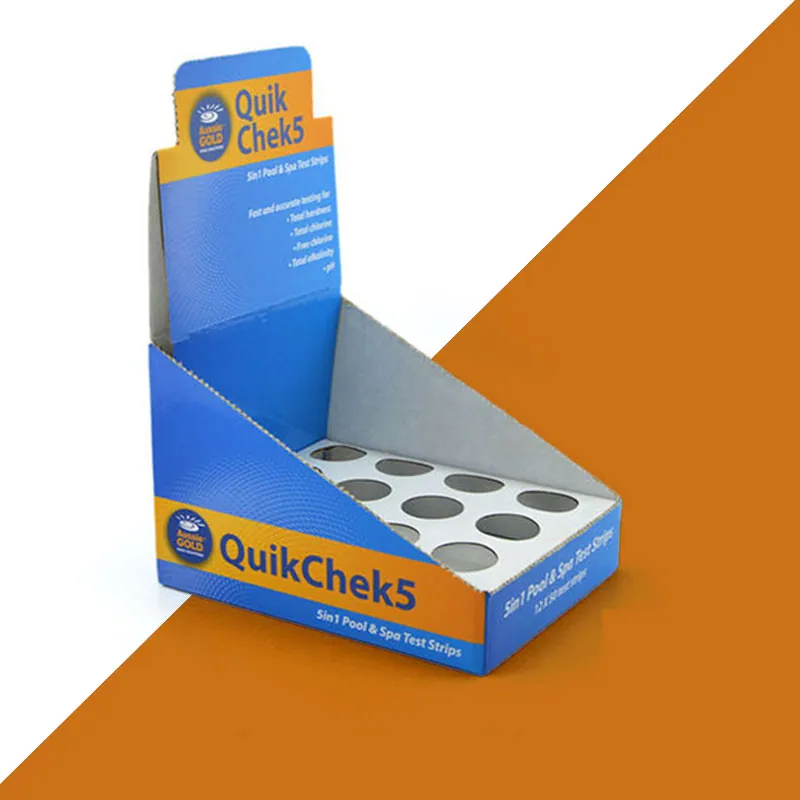

Get a price for Display Boxes
Send the size and quantity — we reply the same working day with a price, a dieline and a date. Artwork optional at this stage.
- 4styles in this range, each with its own page and price
- 100unit minimum on every style, printed or plain
- 4markets quoted in the delivery currency
- ±1mmcutting tolerance on folding board, checked on a sample
4 styles in this range
Styles we make in this range
Every one below is written up, priced and dielined. Tap a style to see how it is built.
 01See the build →
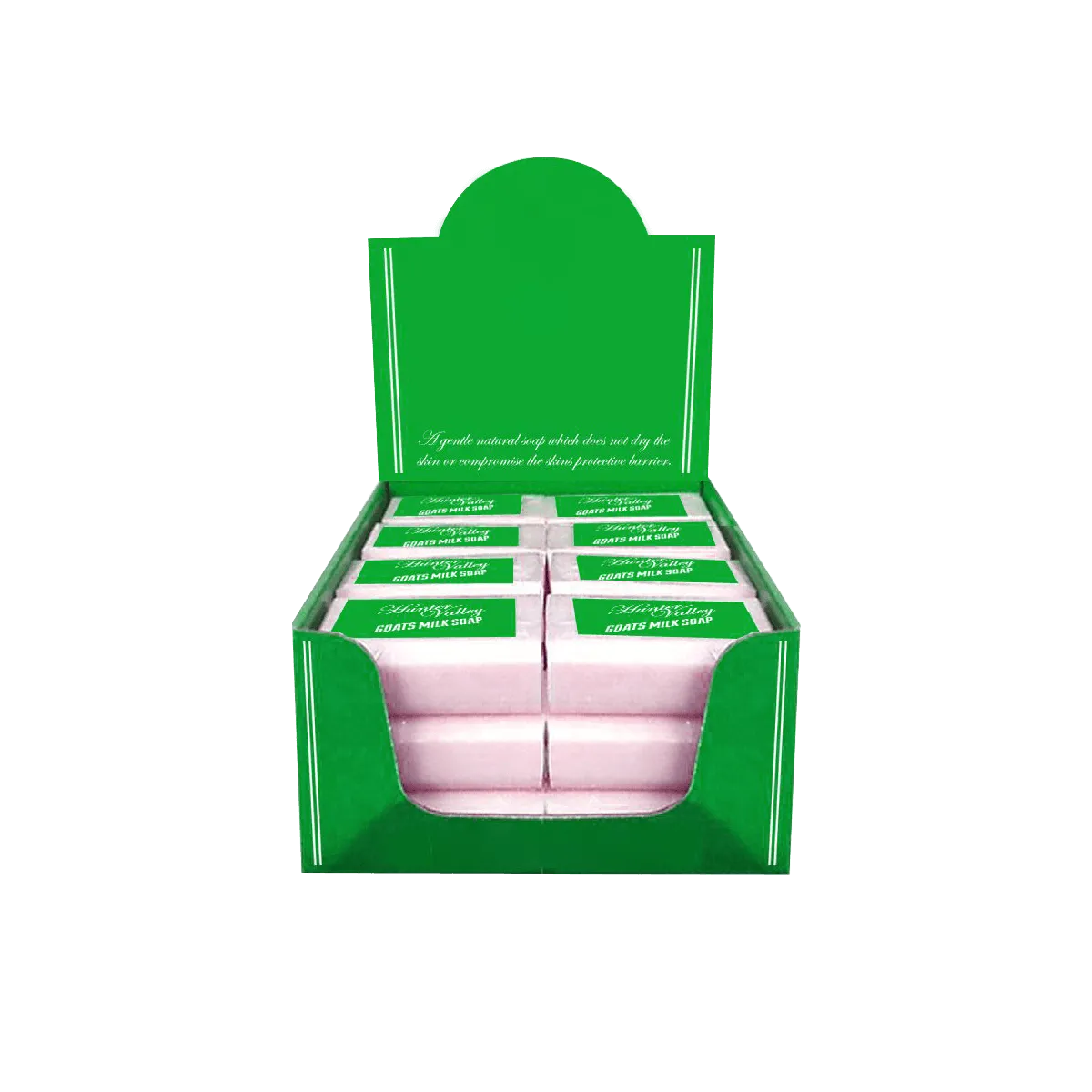
Counter Display Boxes
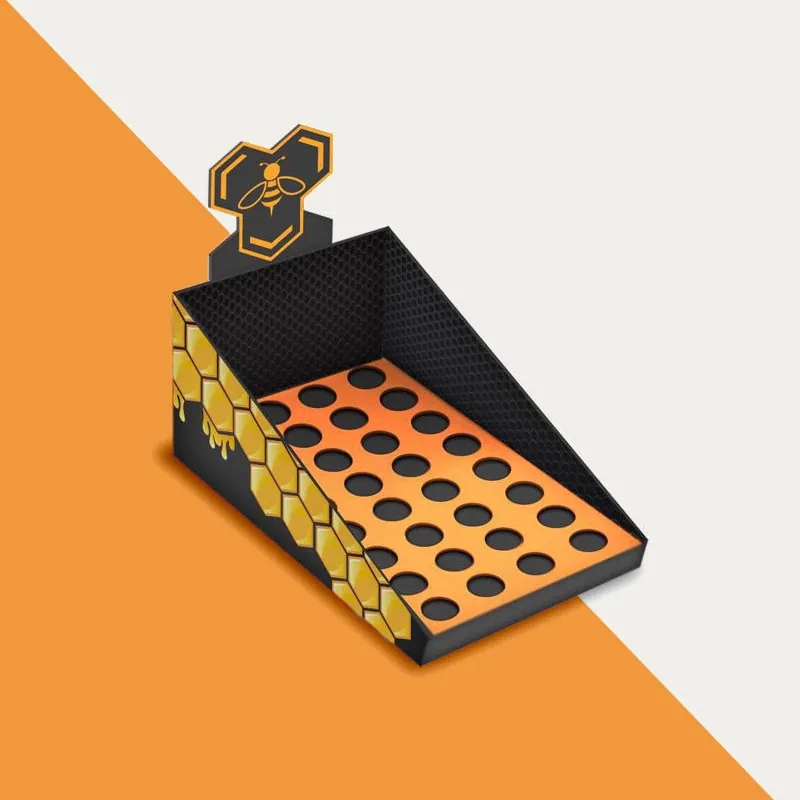
The area beside a till is the most contested space in retail.
 02See the build →
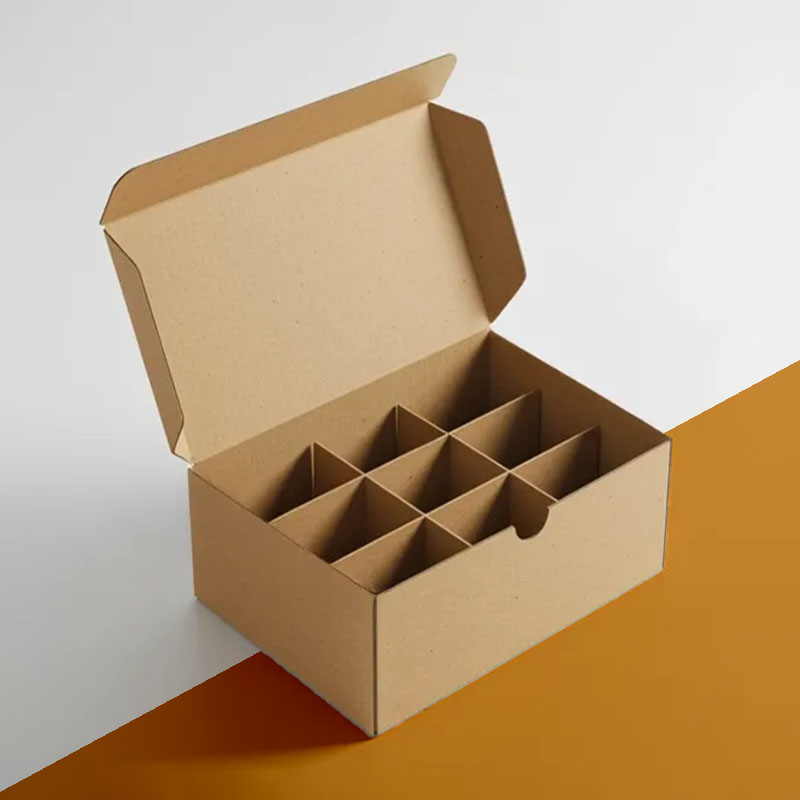
Display Mailer Boxes
Custom display mailer boxes that travel as a sealed shipper and open into a counter display
 03See the build →
Product Display Boxes
Custom product display boxes for the counter and the shelf
 04See the build →
Retail Display Boxes
Custom retail display boxes
Side by side
Which display boxes style fits
| Style | Board | Build | Minimum | |
|---|---|---|---|---|
| Counter Display Boxes | B or E flute; corners kept intact under load | Corrugated counter display unit, locking base, printed back wall | 100 units | Open → |
| Display Mailer Boxes | E flute white-lined; B flute for heavier counts | Tear-away front, fold-back lid header, sleeve over tray | 100 boxes | Open → |
| Product Display Boxes | E flute white-lined; B flute for heavy displays | Open-front tray, stepped, header, dump bin, slotted | 100 displays | Open → |
| Retail Display Boxes | B flute for cases and trays; BC for floor and pallet units | Shelf-ready case, tray and shrink, floor-standing unit, pallet display | 100 units | Open → |
The five-second rule at the back of the shop
A shelf-ready unit is judged by how long it takes one person to open the outer, remove the top, and place the tray on a shelf. If that takes longer than unpacking the units by hand, the retailer will unpack it by hand and your display is wasted board.
That means a perforated tear line that actually tears, a top that comes away in one piece, and a tray that is stable the moment the lid is off. Those three things are the whole design brief.
Test the tear on a filled unit, not an empty one. A perforation that works on an empty box often will not on a full one.
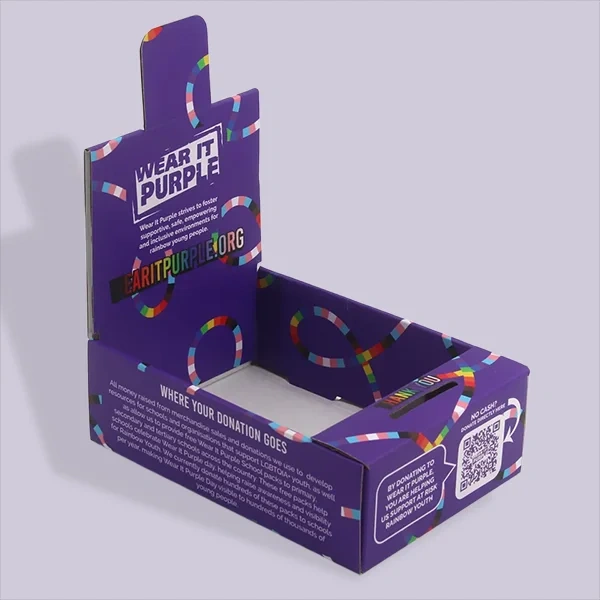
Formats, and who each is aimed at
Counter space is the scarcest thing in most shops. A small unit that earns its footprint is far easier to place than a large one that has to displace something.
| Counter display unit | Small footprint by the till; impulse buys |
|---|---|
| Shelf-ready tray | Ships full, becomes the shelf facing; supermarket standard |
| Tear-away shipper | A shipping box with a removable front panel |
| Pegged hanging display | Hangs on a hook strip; needs a reinforced hang hole |
| Floor-standing unit | Its own furniture; corrugated construction and real engineering |
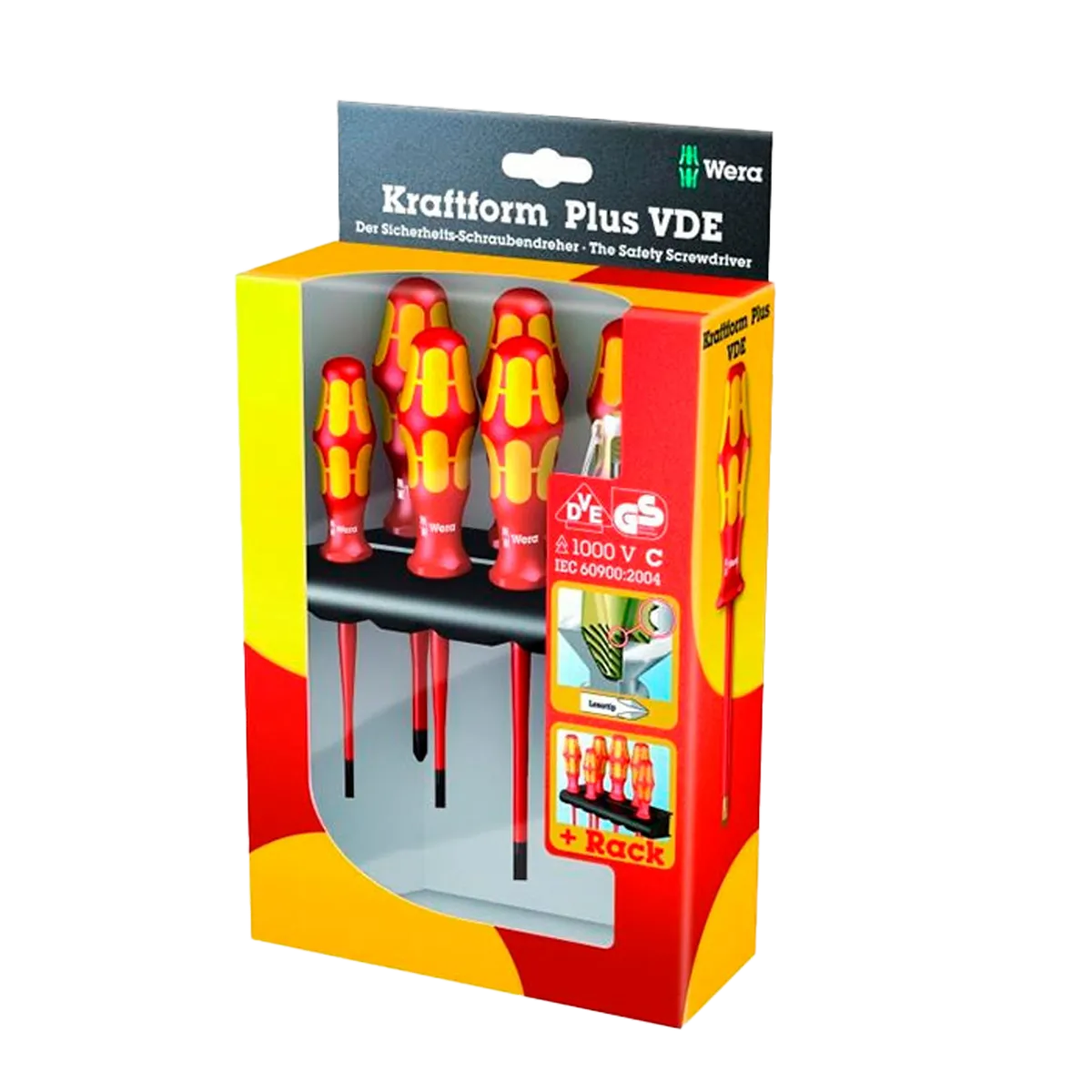
It has to look right when it is half empty
This is the detail that separates displays that get reordered from ones that get thrown out early — and it is a design decision that costs almost nothing.
- A display that only works full will look abandoned by the second day.
- A printed back wall keeps the unit reading as intentional once the front row is gone.
- Dividers hold remaining stock forward instead of letting it slump backwards.
- A false floor raises the last few units to the height the first ones were at.

Strength, because it is holding stock in the air
A counter unit full of product is carrying real weight on walls that are also cut away for visibility. Every window you add takes strength out of the structure, and the failure is a unit that bows outward and drops its stock.
Corrugated is the right material here for the same reason it is right for shipping — the flutes carry load. The grade choices are set out in our corrugated board notes.
Print that survives a stock room
A display unit is handled by staff, stacked in a back room, and often stored partly assembled for weeks before use. Full-bleed dark print will arrive on the shop floor scuffed at every corner.
Lighter grounds, or a kraft outer with strong one-color print, hold up far better through that journey — and a scuffed display is worse than a plain one, because it makes the product look neglected.

Across the range
What every display boxes job runs on
Boards
- Natural kraft
- White SBS
- E and B flute
- Wrapped grayboard
- Food-grade board
- Recycled content
Chosen from what goes in the box and how far it travels. Our notes on recyclable and compostable stocks say which claims each board can carry.
Finishes
- Matte
- Gloss
- Soft-touch
- Foil
- Emboss
- Spot UV
- Kraft
- Textured
Each one is a decision about light on a shelf — the specialty finishes range shows them on real boxes.
Artwork
- Vector PDF or AI, fonts outlined
- 3 mm bleed, 4 mm safe area
- CMYK; a spot color where a match must hold
- Proof on the dieline before press
Files not set up that way are fine — see the guide to preparing print files.
Interactive · five steps · no sign-up
Build your Display Boxes in 3D
Pick a shape, type a size, choose a board and a finish. The preview on the left redraws as you go, and the spec lands with us exactly as you set it.
Frequently asked questions
Got a question about display boxes? The answers below cover what we get asked most. If yours is not here, send it with a brief, message us on WhatsApp, or call +1 503-461-4788 — we reply the same working day.
Why do retailers unpack my shelf-ready units by hand?
Because it is faster than opening them. If the tear line does not work on a full unit, the display is not saving them time.
How small should a counter display be?
As small as the product allows. Counter space is the hardest thing to get, and a compact unit gets placed where a large one does not.
My display sags when full — heavier board?
Partly, but check the cut-outs first. Every window removes structure, and that is usually the real cause.
Can these ship the product as well as display it?
A tear-away shipper does exactly that — one box for transit and shelf, with the front panel removed on arrival.
What is the minimum order?
100 units, any format.
How do I keep a display looking full as stock sells?
A printed back wall, dividers to hold remaining stock forward, and a false floor to raise the last units. All cost almost nothing.
Why do retailers unpack my shelf-ready units by hand?
Because it is faster than opening them. If the tear line does not work on a full unit, the display is not saving them time.
How small should a counter display be?
As small as the product allows. Counter space is the hardest thing to get, and a compact unit gets placed where a large one does not.
My display sags when full — heavier board?
Partly, but check the cut-outs first. Every window removes structure, and that is usually the real cause.
Can these ship the product as well as display it?
A tear-away shipper does exactly that — one box for transit and shelf, with the front panel removed on arrival.
Keep browsing