Custom Business Forms
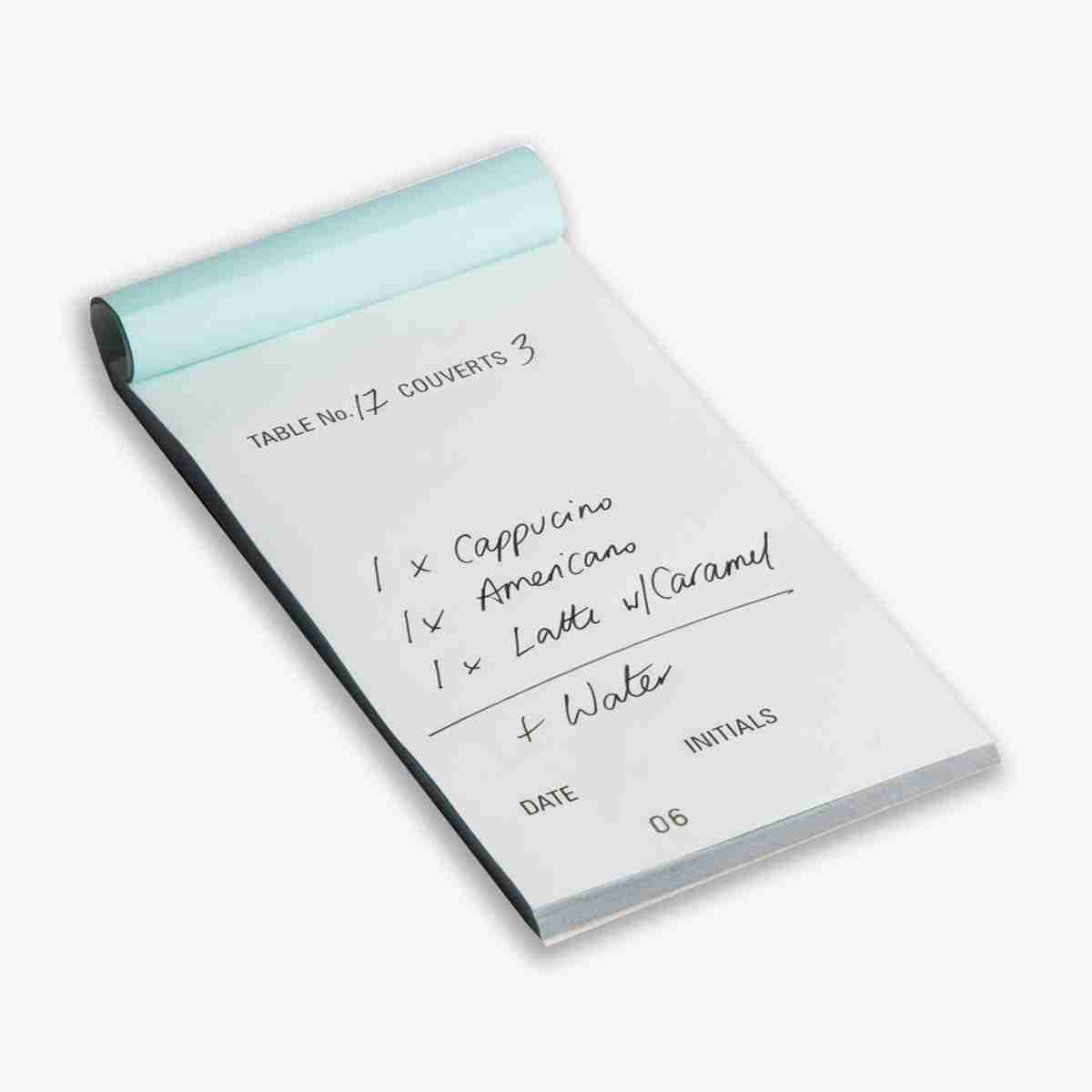
Carbonless forms survive because of where the work happens: a van in the rain, a kitchen, a building site, a delivery door. A pad and a pen need no battery, no signal and no login, and both parties leave with a copy.
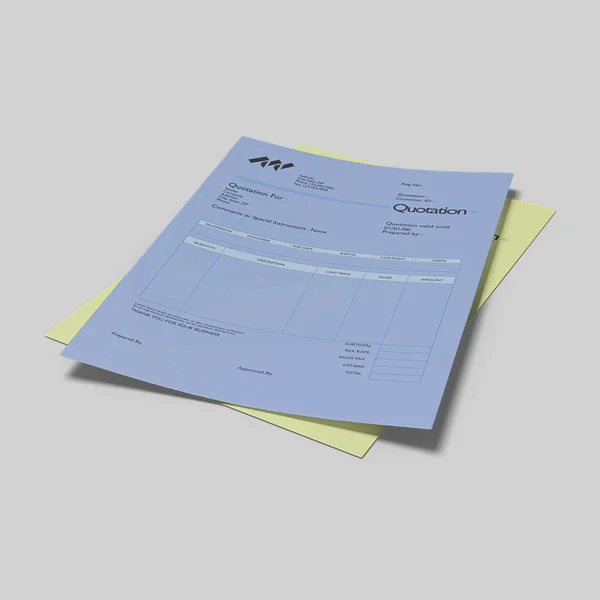
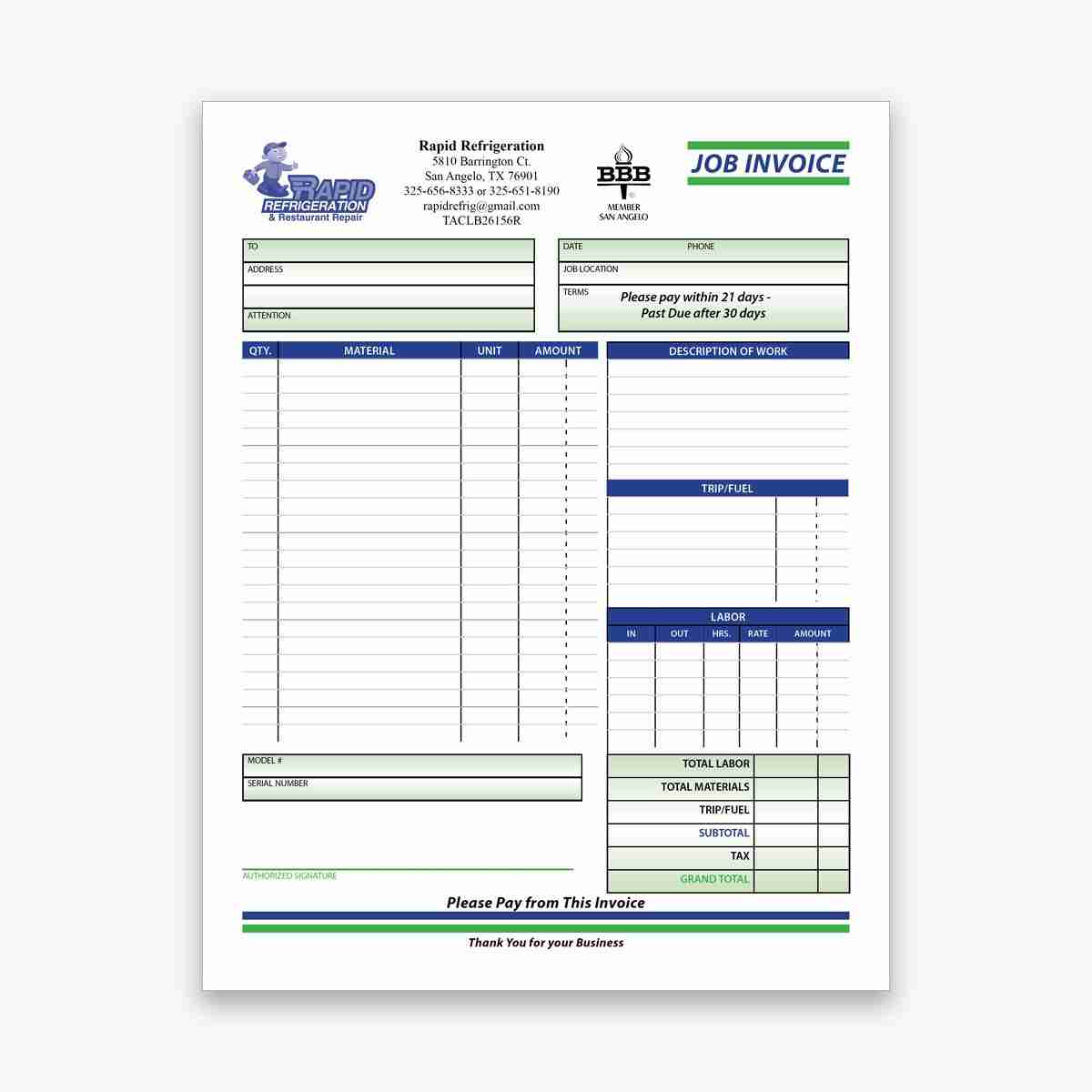
Get a price for Business Forms
Send the size and quantity — we reply the same working day with a price, a dieline and a date. Artwork optional at this stage.
- 4styles in this range, each with its own page and price
- 100unit minimum on every style, printed or plain
- 4markets quoted in the delivery currency
- ±1mmcutting tolerance on folding board, checked on a sample
4 styles in this range
Styles we make in this range
Every one below is written up, priced and dielined. Tap a style to see how it is built.
 01See the build →
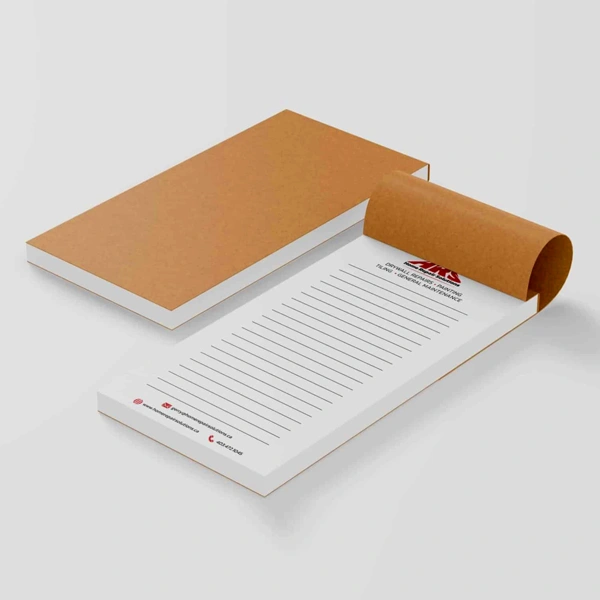
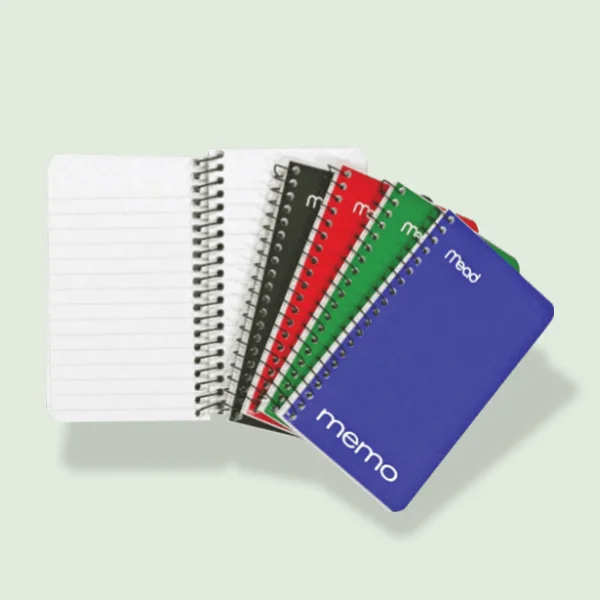
5 5 x 8 5 Notepad
Custom 5.5 × 8.5 inch notepads with your header on every sheet, 25 to 100 sheets glued to a chipboard…
 02See the build →
Carbonless Book Boxes
Custom boxes for carbonless books
 03See the build →
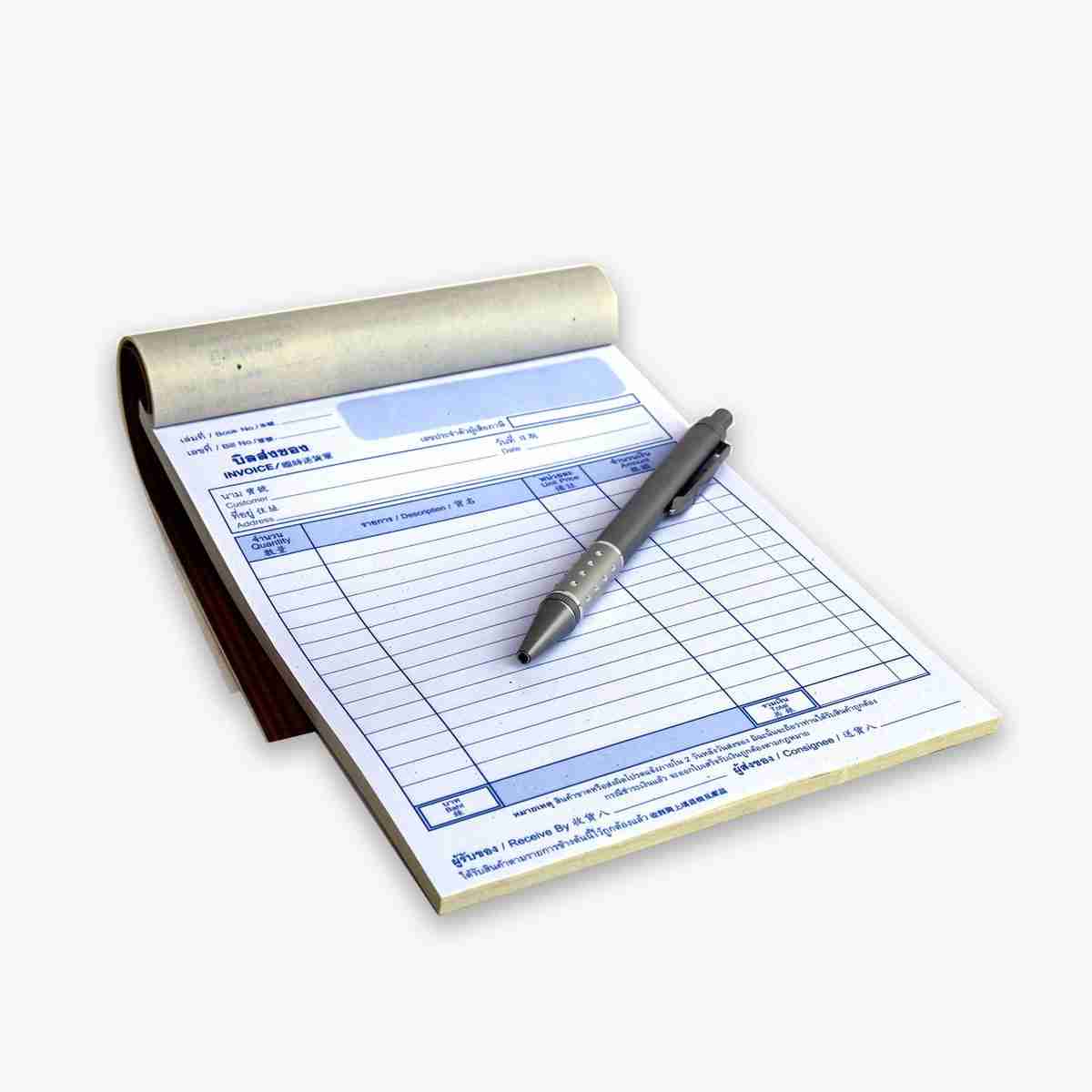
Carbonless Pads Boxes
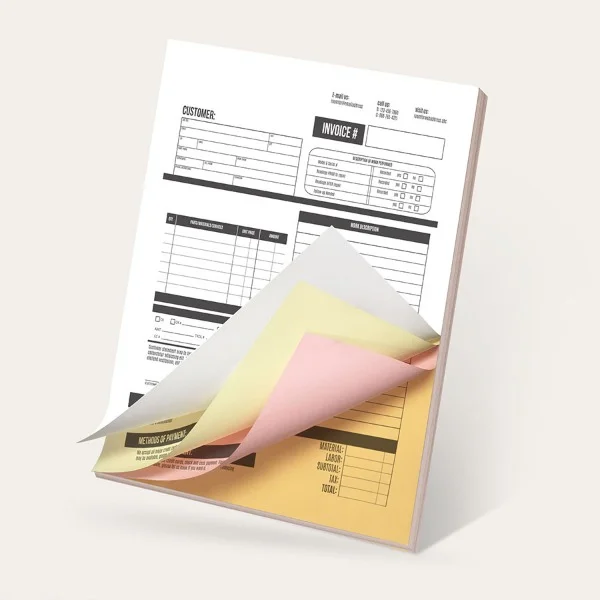
A pad is the simplest way to buy carbonless forms: sets glued along the top edge, torn off individually,…
 04See the build →
Part Carbonless Forms Boxes
Custom boxes for carbonless form sets
Side by side
Which business forms style fits
| Style | Board | Build | Minimum | |
|---|---|---|---|---|
| 5 5 x 8 5 Notepad | 70–100 gsm uncoated; chipboard backer 600–900 gsm | 5.5 × 8.5 in; 25, 50 or 100 sheets; cover sheet optional | 100 pads | Open → |
| Carbonless Book Boxes | E flute tuck cartons; 20–24pt boxboard lidded; B flute bulk shippers | Tuck-end, two-piece lidded, tear-front, bulk shipper | 100 boxes | Open → |
| Carbonless Pads Boxes | Chosen per job | Padded carbonless sets, 2, 3 and 4 part | 100 sets | Open → |
| Part Carbonless Forms Boxes | 20–24pt boxboard lidded; E flute tuck cartons | Two-piece lidded, tuck-end, tear-front dispenser | 100 boxes | Open → |
How carbonless actually works
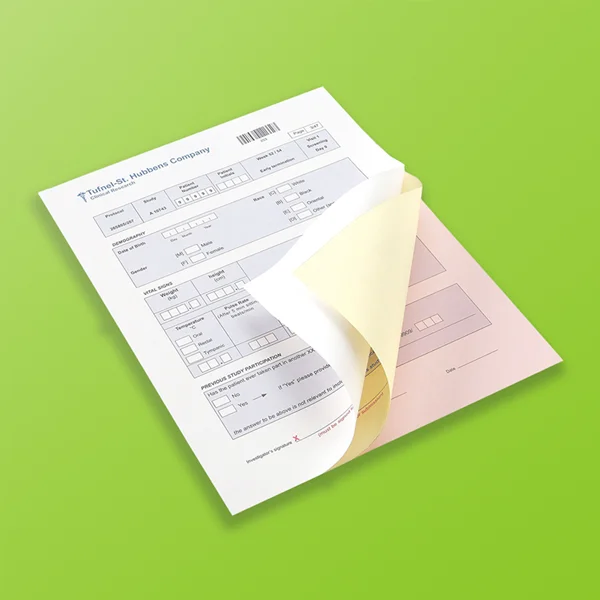
There is no carbon paper. The back of each sheet carries microcapsules of dye and the front of the sheet below carries a clay coating; pressure bursts the capsules and the two react to make a mark. That is why it copies handwriting and pressure but not a printed image.
It also means the sheets have to stay in order. The top sheet is coated on the back only, the middles on both faces, the bottom on the front only — shuffle a set and part of it stops working.
Ballpoint only. A rollerball or a felt tip does not apply enough pressure to make a clean second copy.
Parts, colors and who keeps which
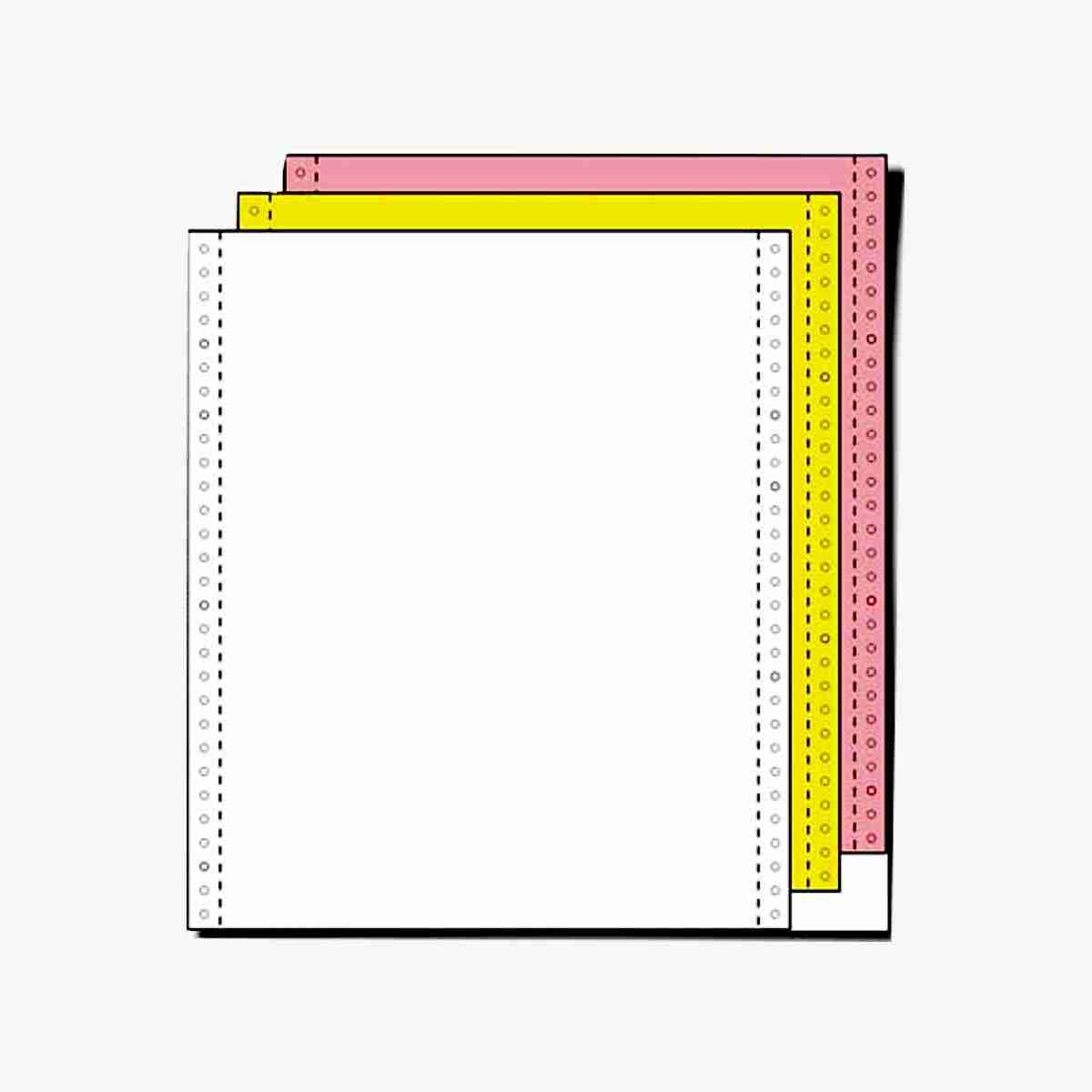
The color sequence is a convention rather than a rule, and following it is worth it: everyone in a trade already knows which color they keep, and departing from it causes confusion for no gain.
| 2-part | White top, yellow copy — customer and file |
|---|---|
| 3-part | White, yellow, pink — customer, office, driver |
| 4-part | Adds green; the usual limit before the bottom copy goes faint |
| 5-part+ | Possible, and the last sheet is genuinely hard to read |
Padded, bound, or in books
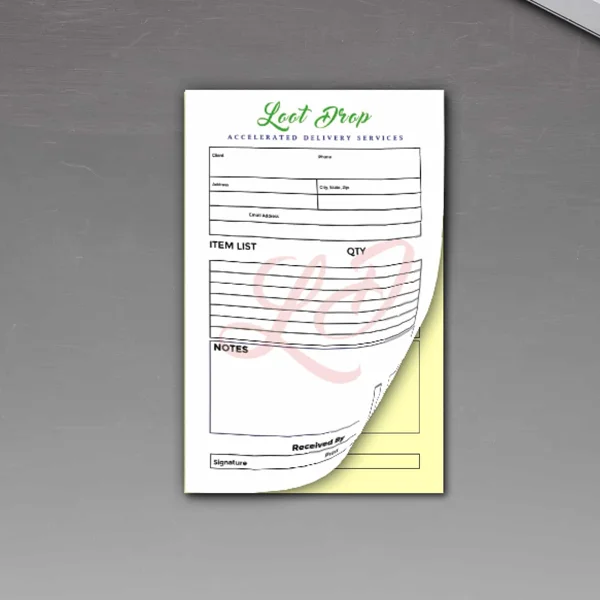
A wraparound cover matters more than it sounds. Without it, writing on the top set marks through into the next one, and a pad of pre-marked forms is a pad of scrap.
- Padded. Glued at the head; sets tear off individually. Cheapest finishing.
- Wraparound book. A stiff cover folds behind to stop marking the set below.
- Numbered. Sequential numbering printed at the finishing stage; essential for control.
- Perforated. The copy tears out and the record stays in the book.
Designing a form people fill in standing up
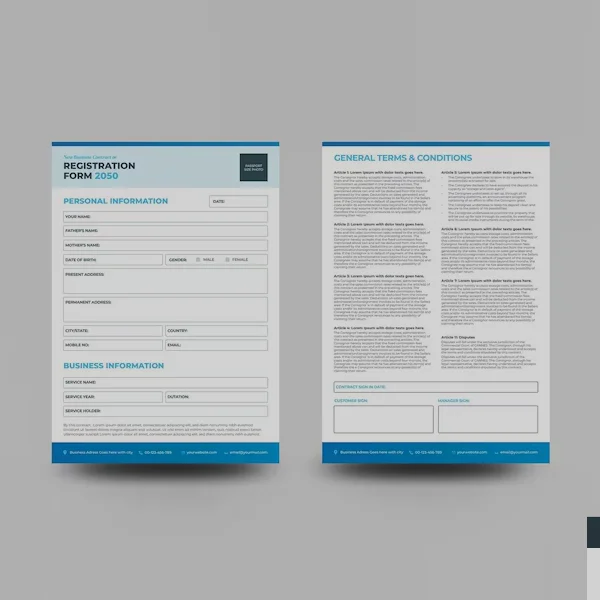
Boxes have to be big enough for adult handwriting with a gloved hand, on a clipboard, in bad light. The commonest failure is a form designed on screen where everything fits and in practice nothing does.
Print a proof and fill it in yourself with a ballpoint, standing up, before ordering. Every problem shows up in about a minute and none of them are visible on a PDF.
What has to be pre-printed
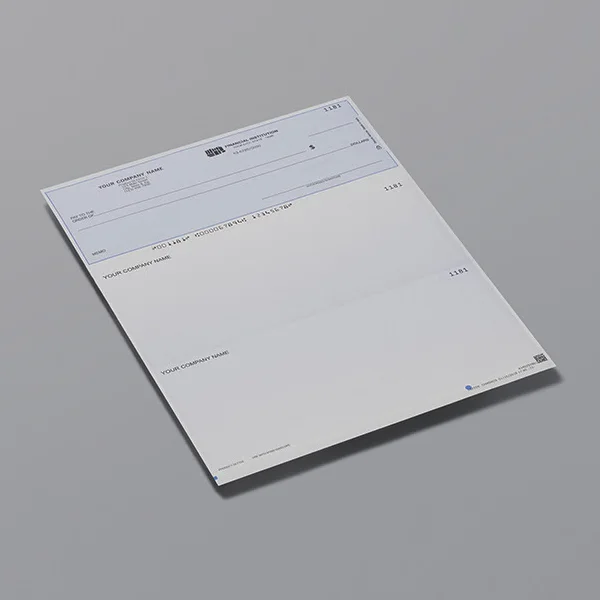
Company name, address, registration and VAT number where applicable, and terms if the form doubles as a contract or a delivery note. On a form that is also an invoice, the pre-printed elements are what make it valid.
Numbering belongs here too — sequential numbers are the only reliable way to know a set is missing, and they cost very little to add at the finishing stage.
Across the range
What every business forms job runs on
Boards
- Natural kraft
- White SBS
- E and B flute
- Wrapped grayboard
- Food-grade board
- Recycled content
Chosen from what goes in the box and how far it travels. Our notes on recyclable and compostable stocks say which claims each board can carry.
Finishes
- Matte
- Gloss
- Soft-touch
- Foil
- Emboss
- Spot UV
- Kraft
- Textured
Each one is a decision about light on a shelf — the specialty finishes range shows them on real boxes.
Artwork
- Vector PDF or AI, fonts outlined
- 3 mm bleed, 4 mm safe area
- CMYK; a spot color where a match must hold
- Proof on the dieline before press
Files not set up that way are fine — see the guide to preparing print files.
Interactive · five steps · no sign-up
Spec your Business Forms
Pick a shape, type a size, choose a stock and a finish. The preview on the left redraws as you go, and the spec lands with us exactly as you set it.
Frequently asked questions
Got a question about business forms? The answers below cover what we get asked most. If yours is not here, send it with a brief, message us on WhatsApp, or call +1 503-461-4788 — we reply the same working day.
Why is my bottom copy faint?
Too many parts, or the wrong pen. Four parts is the practical limit, and it needs a ballpoint rather than a rollerball.
Do I need a wraparound cover?
On a pad, yes. Without one, writing on the top set marks through into the next and ruins it.
Should the forms be numbered?
If they matter for control, always. Sequential numbering is the only way to know a set is missing, and it is cheap.
How big should the write-in boxes be?
Bigger than they look on screen. Print a proof and fill it in standing up with a ballpoint before ordering.
What is the minimum order?
100 sets, padded or bound.
Can you print my VAT and registration numbers?
Yes, and on a form that doubles as an invoice or delivery note, those pre-printed elements are what make it valid.
Why is my bottom copy faint?
Too many parts, or the wrong pen. Four parts is the practical limit, and it needs a ballpoint rather than a rollerball.
Do I need a wraparound cover?
On a pad, yes. Without one, writing on the top set marks through into the next and ruins it.
Should the forms be numbered?
If they matter for control, always. Sequential numbering is the only way to know a set is missing, and it is cheap.
How big should the write-in boxes be?
Bigger than they look on screen. Print a proof and fill it in standing up with a ballpoint before ordering.
Keep browsing