Custom Stationery
Everything else on this site is sized to a product you invented. Stationery is sized to A4, to letter, to a ring binder, to a certificate — dimensions that were settled long before your brand existed and that a case has to accept without argument.

Get a price for Stationery
Send the size and quantity — we reply the same working day with a price, a dieline and a date. Artwork optional at this stage.
- 12styles in this range, each with its own page and price
- 100unit minimum on every style, printed or plain
- 4markets quoted in the delivery currency
- ±1mmcutting tolerance on folding board, checked on a sample
12 styles in this range
Styles we make in this range
Every one below is written up, priced and dielined. Tap a style to see how it is built.
 01See the build →
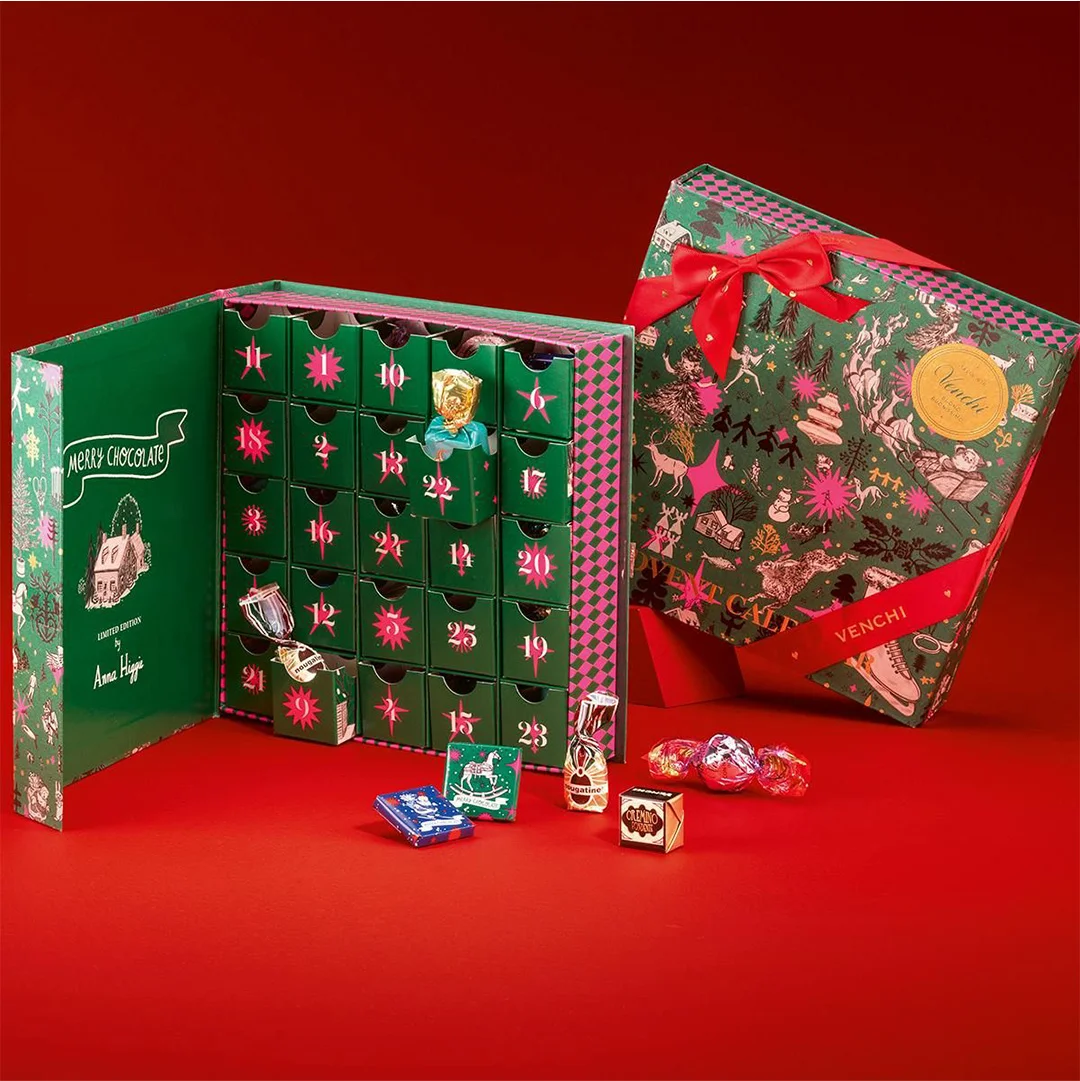
Advent Calendar Boxes
Custom advent calendar boxes with 24 doors or 24 drawers, from 250 units.
 02See the build →
Assorted Stationery
Custom assorted stationery
 03See the build →
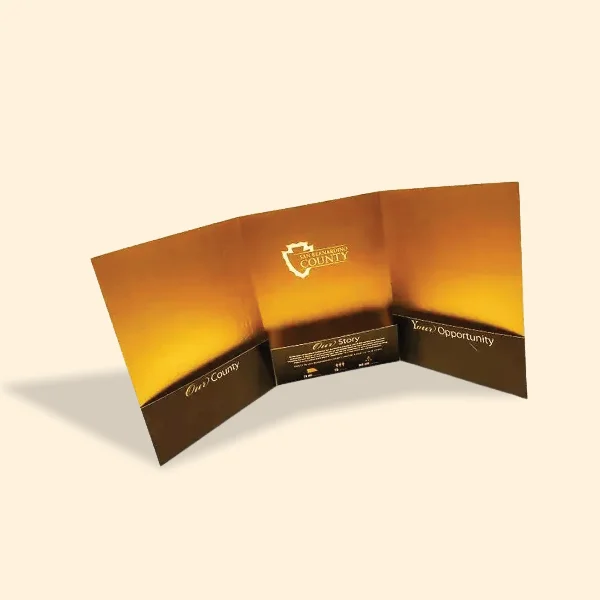
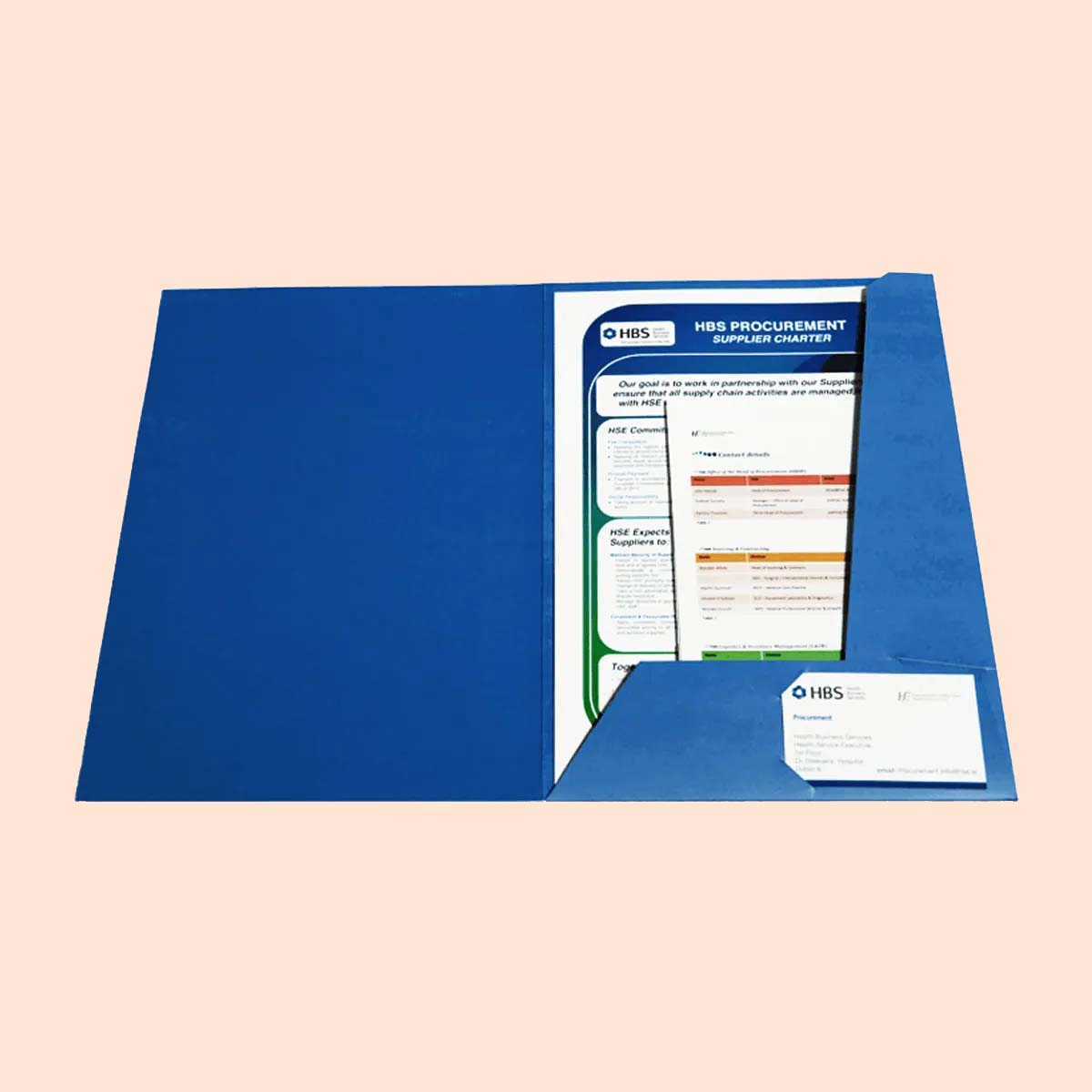
Document Folders
Custom document folders for filing and handing over, from 100 units.
 04See the build →
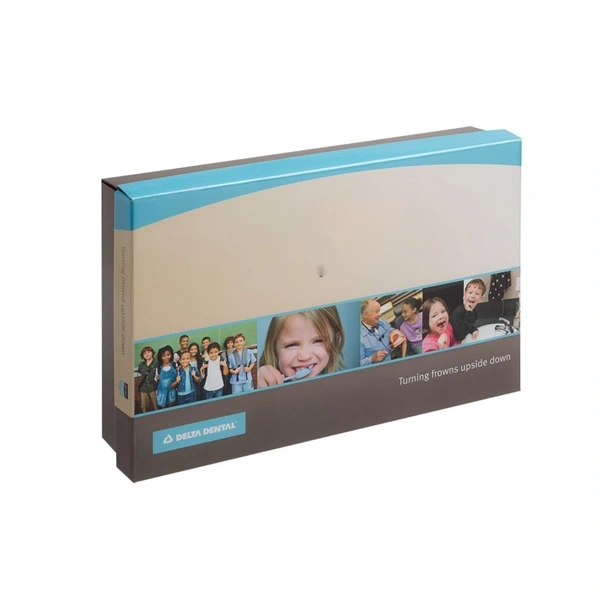
Educational Kit Boxes
Custom educational kit boxes with a cell for every part, instructions printed inside the lid and toy-safe…
 05See the build →
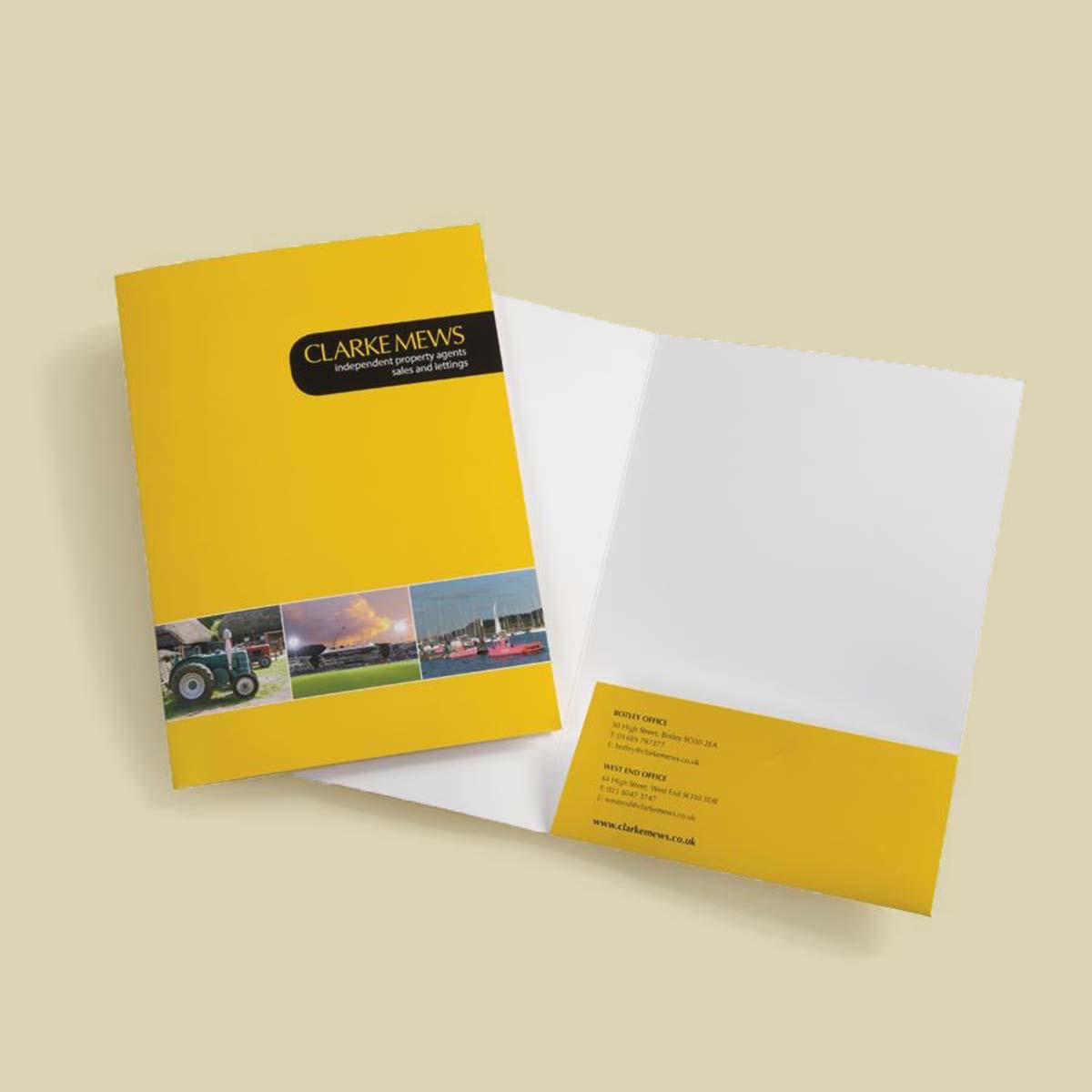
File Folders
Custom file folders
 06See the build →
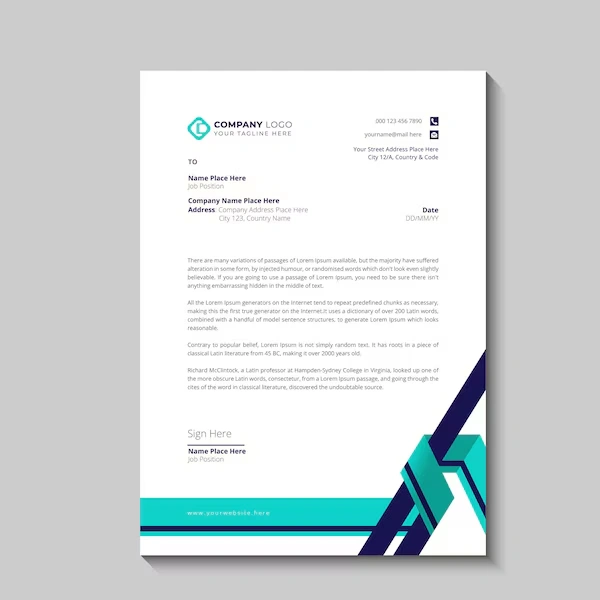
Letterhead Printing
Custom letterhead on a stock that a pen writes on and an office printer will feed, from 100 sheets.
 07See the build →
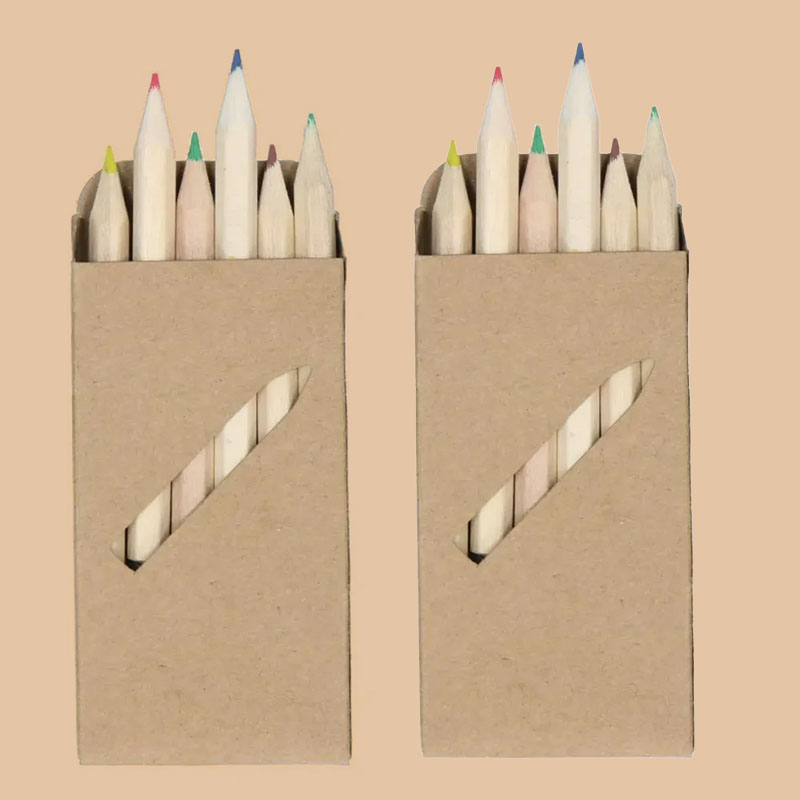
Pencil Boxes
Custom pencil boxes sized to the pencil count you sell, from 100 units.
 08See the build →
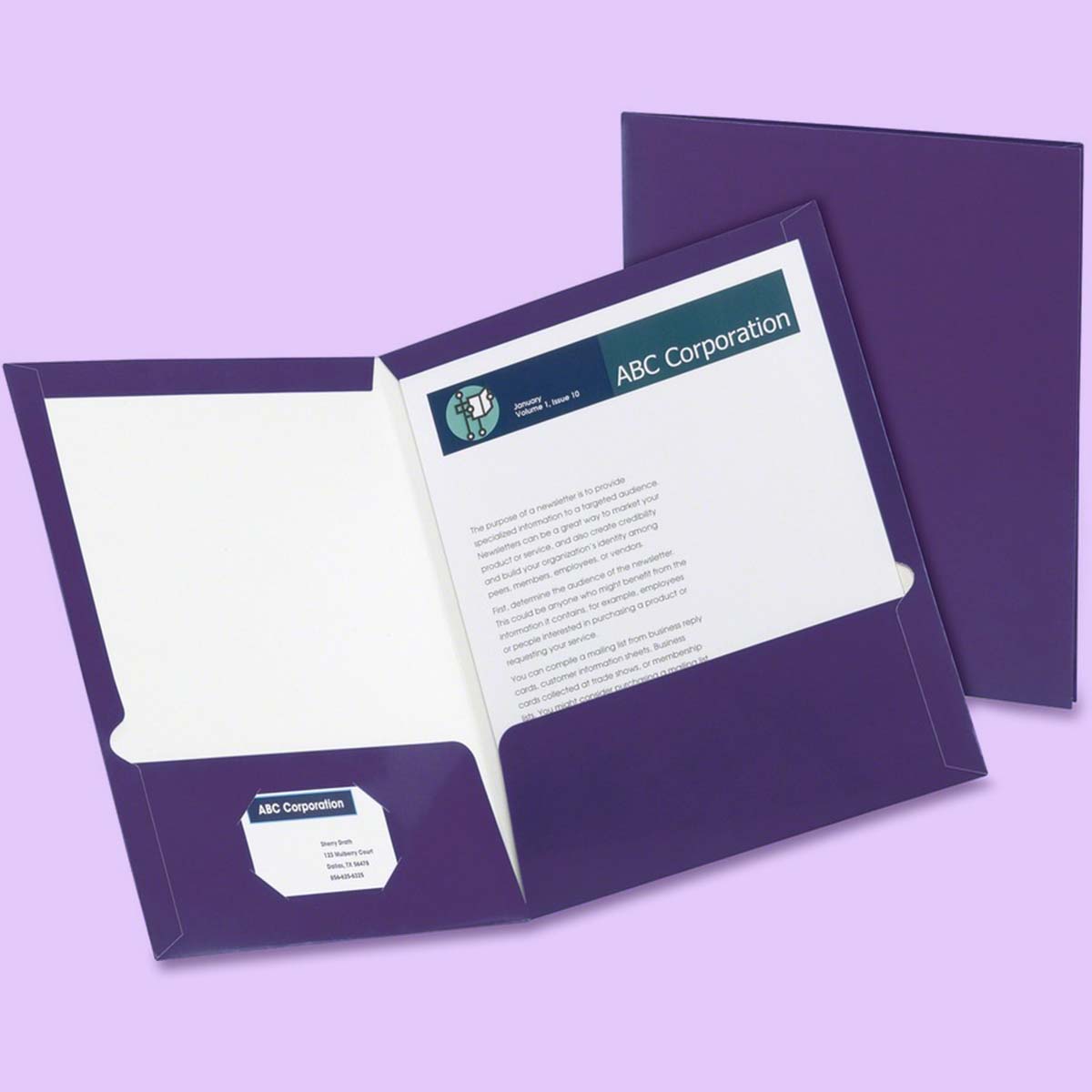
Pocket Folders
Custom pocket folders that hold a proposal without the pages sliding out, from 100 units.
 09See the build →
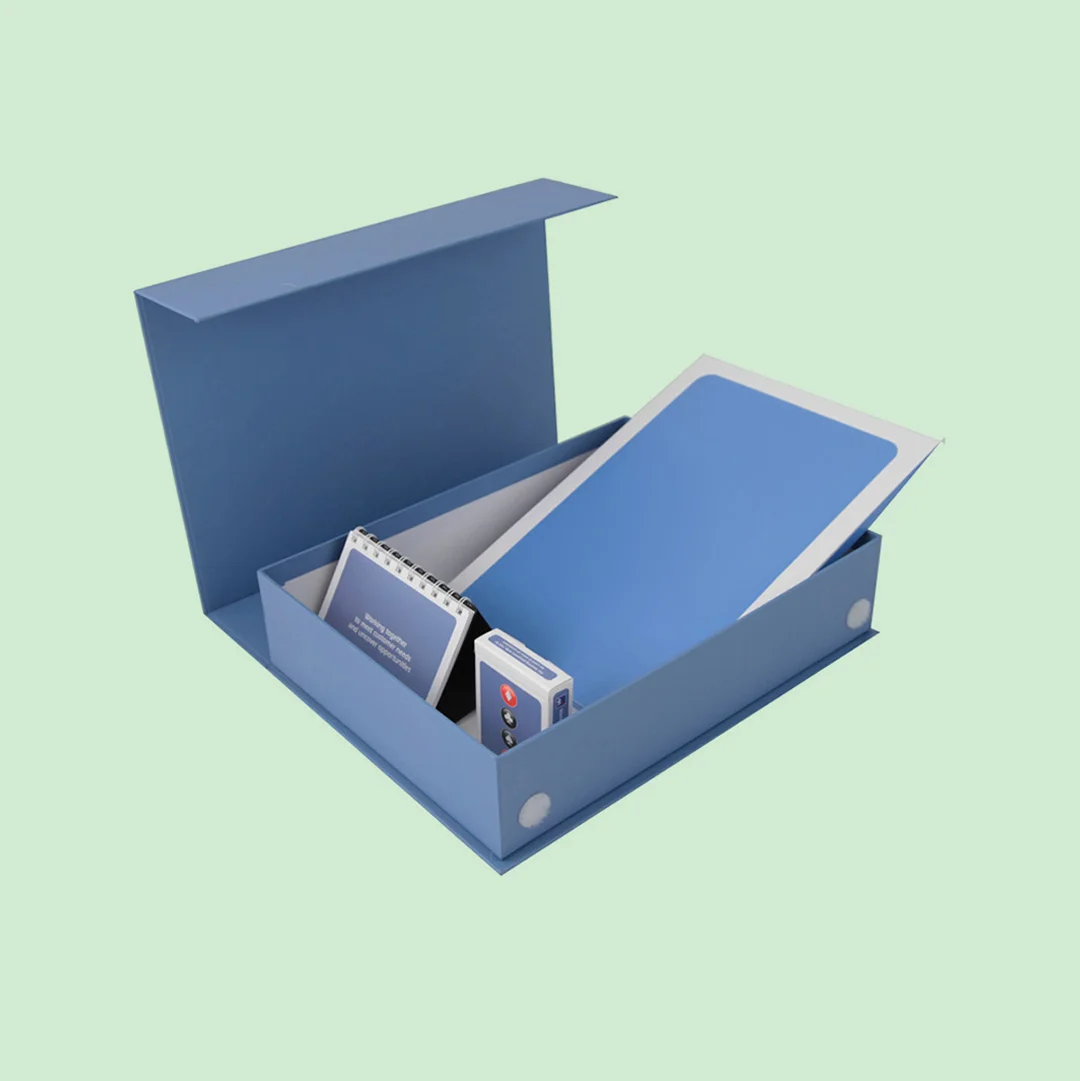
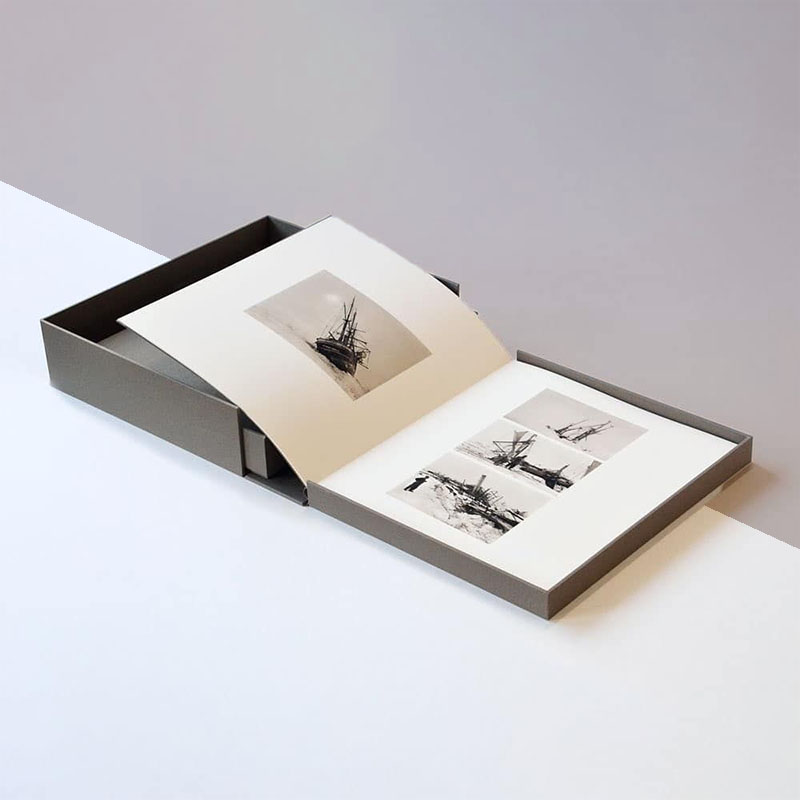
Portfolio Boxes
Most boxes hold one thing, always the same size.
 10See the build →
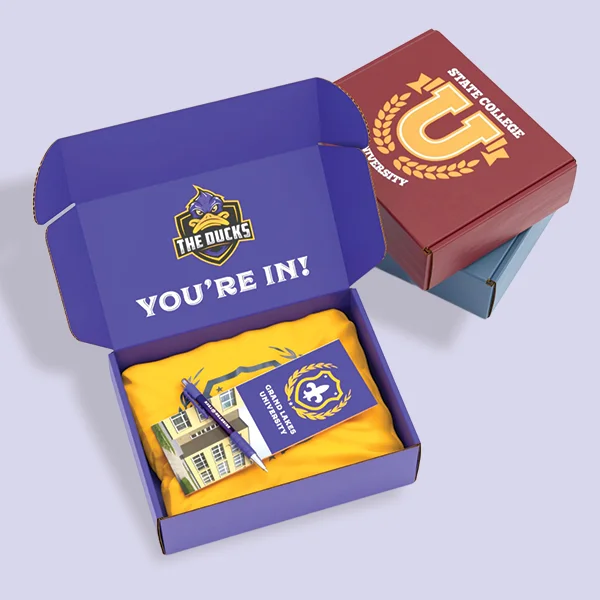
School Boxes
Custom school boxes for supply kits, classroom storage and back-to-school packs, from 100 units.
 11See the build →
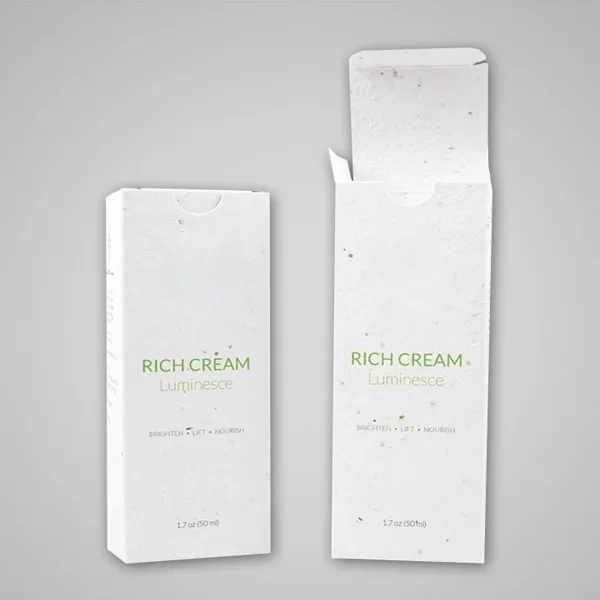
Seed Paper Boxes
Custom seed paper boxes and cards with real seeds embedded in the sheet, from 250 units.
 12See the build →
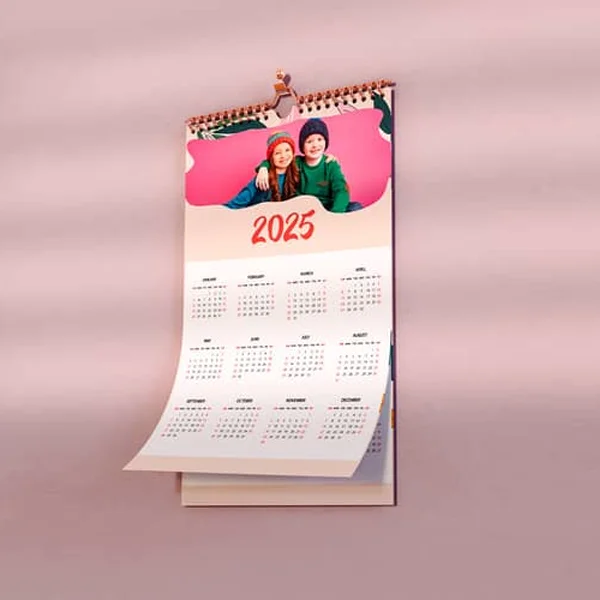
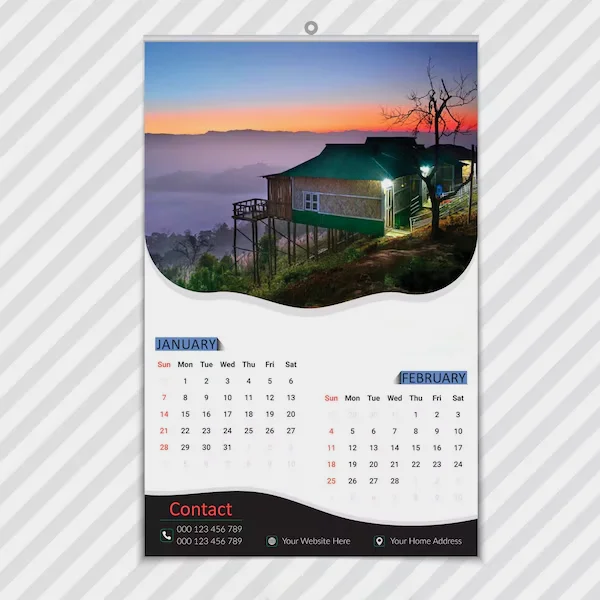
Wall Calendar
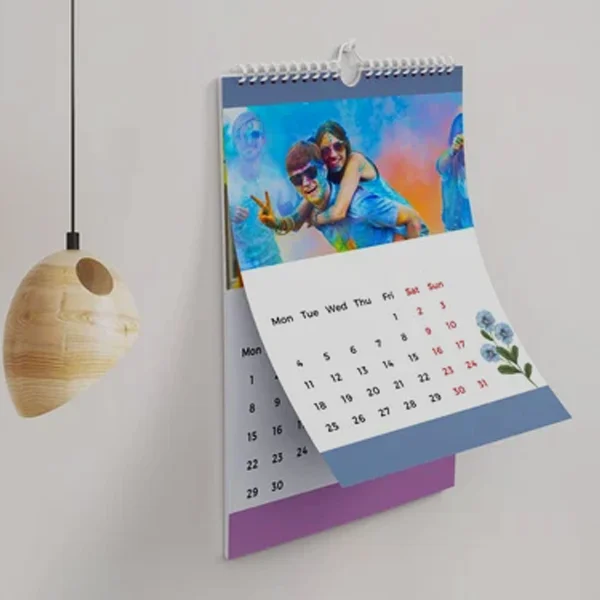
Custom wall calendars printed and bound for a year on someone's wall, from 100 units.
Side by side
Which stationery style fits
| Style | Board | Build | Minimum | |
|---|---|---|---|---|
| Advent Calendar Boxes | 20–24 pt SBS front panel over a celled tray; rigid chipboard for drawer sets | Die-cut doors, 24-drawer grid, pouch or tube set, book style | 250 calendars | Open → |
| Assorted Stationery | One paper family: 300–350 gsm covers and cards, 120 gsm envelopes, matched label stock | Notebooks, cards, envelopes, pads, labels, folders, pens | 100 per item | Open → |
| Document Folders | 11–14 pt manila, kraft or colored pressboard; recycled grades available | See the page | 100 folders | Open → |
| Educational Kit Boxes | E flute white-lined; 20–24pt boxboard for small kits; toy-safe | Lidded tray with divider, tray and sleeve, large classroom box, divided mailer | 100 boxes | Open → |
| File Folders | Manila 220–300 gsm; colored card; white coated for full color | Tabbed, pocket, fastener, expanding, hanging; letter, legal, A4, foolscap | 100 folders | Open → |
| Letterhead Printing | Uncoated wove, laid, cotton or recycled; 24–32 lb | See the page | 100 sheets | Open → |
| Pencil Boxes | 16–20 pt SBS coated; rigid chipboard for artist and gift sets | Slide-and-shell, tuck carton, hinged lid, window front | 100 boxes | Open → |
| Pocket Folders | 12–14 pt coated cover, C1S or C2S; recycled and uncoated options | See the page | 100 folders | Open → |
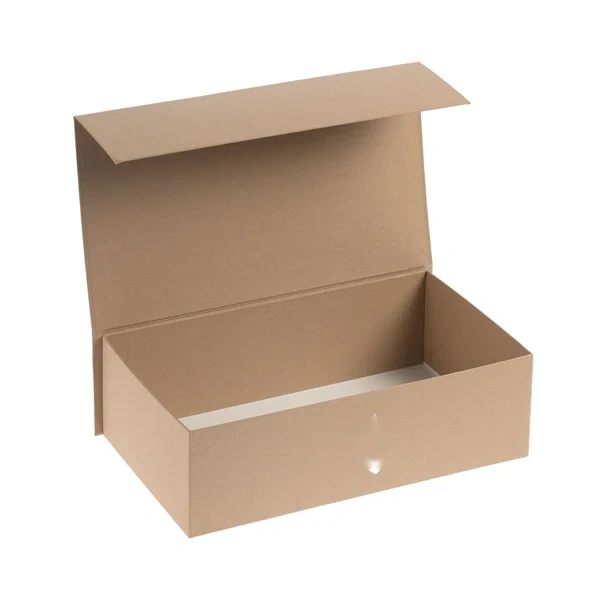
| Portfolio Boxes | 1.5–3 mm grayboard, wrapped | Telescoping lid and base, shoulder-neck, drawer, hinged | 100 boxes | Open → |
| School Boxes | 20–24 pt kraft or coated white; E-flute corrugated for storage boxes | See the page | 100 boxes | Open → |
| Seed Paper Boxes | Handmade recycled pulp, 120–250 gsm, seeds embedded | Insert card, band, hang tag, small box, sleeve | 250 pieces | Open → |
| Wall Calendar | 100–130 gsm coated silk; gloss or uncoated on request | 11 x 17 folded, A3 folded, 12 x 12 in square, 11 x 8.5 in single page | 100 calendars | Open → |
A4 and letter are not the same, and both have to fit
If a case is sold across markets, size it for the union rather than for one standard. The difference is a few millimeters in each direction, it costs almost nothing in board, and it removes the need for two products.
| A4 | 210 × 297 mm — UK, Europe, Australia, most of the world |
|---|---|
| US letter | 216 × 279 mm — wider and shorter |
| Both | 218 × 300 mm internal clears each, with a little room |
A binder or a sleeve inside the case adds its own thickness on every side. Measure the contents assembled, not the paper.
Portfolio boxes and how deep they should be
A portfolio box is judged by whether it closes properly when full. Under-filled it looks empty and the contents slide; over-filled the lid stands proud and the whole thing reads as cheap.
The usual answer is a telescoping or shoulder-neck lid with real depth tolerance, so the same box takes 20 sheets or 200. The construction and the fit tolerances are the same ones described in our rigid box notes.
Folders live or die at the pocket
Spine width is the other decision, and it cannot be changed after the tool is cut. Decide how thick the folder will get before the die is made, not after the first order arrives.
- A pocket cut too shallow lets paper slide out when the folder is tipped.
- A pocket cut too deep hides the top of the document and looks like a mistake.
- Two-thirds of the page height is the working default for a single-pocket folder.
- A card slit above the pocket costs nothing on the same cutting pass.
Kit boxes carry things that are not paper
Educational and sample kits mix printed sheets with objects — cards, samples, small components, sometimes a device. The moment something rigid goes in with paper, the paper gets creased unless there is a divider between them.
A die-cut card tray that holds the objects and leaves a flat bed for the printed material is almost always cheaper than the returns caused by not having one.
Print that will be handled by hand, repeatedly
Stationery is picked up, written on, filed and pulled out again. Gloss lamination cannot be written on and shows every fingerprint. Matte lamination takes ballpoint and hides marks, and on a folder it is almost always the right call.
Uncoated stock feels best and marks fastest. If the case is a presentation piece that will be kept on a desk, that trade is usually worth making.
Across the range
What every stationery job runs on
Boards
- Natural kraft
- White SBS
- E and B flute
- Wrapped grayboard
- Food-grade board
- Recycled content
Chosen from what goes in the box and how far it travels. Our notes on recyclable and compostable stocks say which claims each board can carry.
Finishes
- Matte
- Gloss
- Soft-touch
- Foil
- Emboss
- Spot UV
- Kraft
- Textured
Each one is a decision about light on a shelf — the specialty finishes range shows them on real boxes.
Artwork
- Vector PDF or AI, fonts outlined
- 3 mm bleed, 4 mm safe area
- CMYK; a spot color where a match must hold
- Proof on the dieline before press
Files not set up that way are fine — see the guide to preparing print files.
Interactive · five steps · no sign-up
Spec your Stationery
Pick a shape, type a size, choose a stock and a finish. The preview on the left redraws as you go, and the spec lands with us exactly as you set it.
Frequently asked questions
Got a question about stationery? The answers below cover what we get asked most. If yours is not here, send it with a brief, message us on WhatsApp, or call +1 503-461-4788 — we reply the same working day.
Can one folder fit A4 and US letter?
Yes, with an internal sized to clear both. It costs a few millimeters of board and saves a second product.
How deep should a portfolio box be?
Deep enough for the fullest version you will sell, with a telescoping lid to take up the slack when it is not full.
Gloss or matte lamination on a folder?
Matte. It takes a ballpoint, hides fingerprints, and folders are handled constantly.
Can you die-cut a tray to hold kit components?
Yes, on the same job. It is normally cheaper than the damage caused by loose components against printed sheets.
What is the minimum order?
100 units, any product.
How deep should a folder pocket be?
Two-thirds of the page height as a default. Too shallow and paper slides out; too deep and it hides the top of the document.
Can one folder fit A4 and US letter?
Yes, with an internal sized to clear both. It costs a few millimeters of board and saves a second product.
How deep should a portfolio box be?
Deep enough for the fullest version you will sell, with a telescoping lid to take up the slack when it is not full.
Gloss or matte lamination on a folder?
Matte. It takes a ballpoint, hides fingerprints, and folders are handled constantly.
Can you die-cut a tray to hold kit components?
Yes, on the same job. It is normally cheaper than the damage caused by loose components against printed sheets.
Keep browsing