Custom Greeting Cards
Almost everything else we print is thrown away within a month. A card is displayed, kept in a drawer, and sometimes found again years later — which makes stock and finish matter far more here than the price per unit suggests.
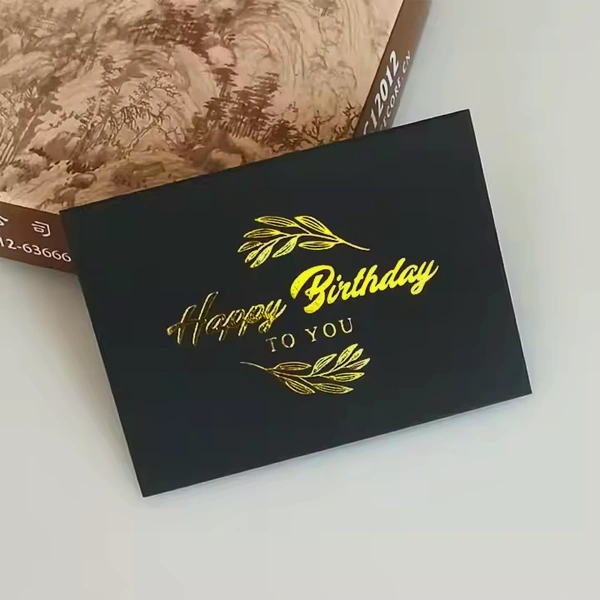
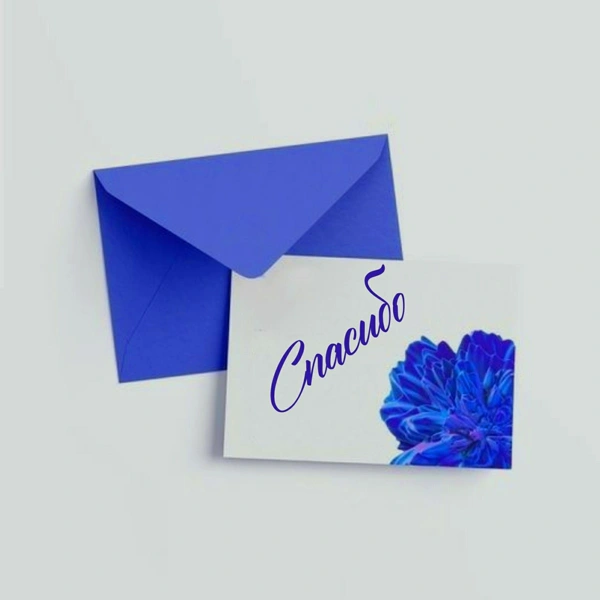
Get a price for Greeting Cards
Send the size and quantity — we reply the same working day with a price, a dieline and a date. Artwork optional at this stage.
- 10styles in this range, each with its own page and price
- 100unit minimum on every style, printed or plain
- 4markets quoted in the delivery currency
- ±1mmcutting tolerance on folding board, checked on a sample
10 styles in this range
Styles we make in this range
Every one below is written up, priced and dielined. Tap a style to see how it is built.
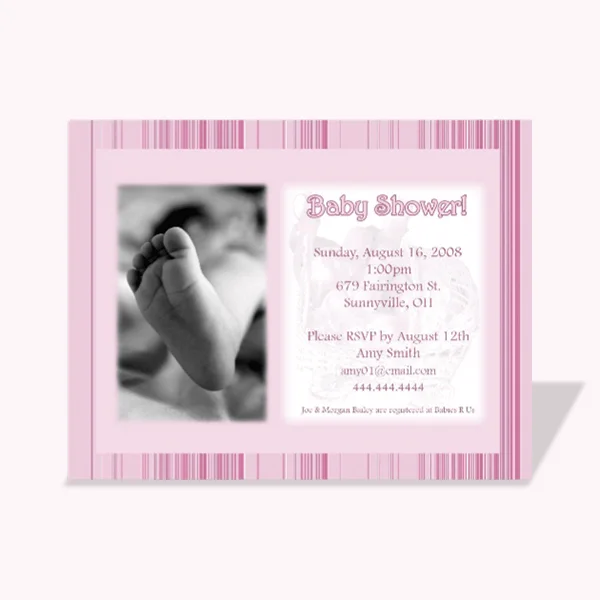
01See the build →Baby Shower Invitation Cards
Custom baby shower invitation cards on soft uncoated or cotton card with matching envelopes, printed and…
 02See the build →
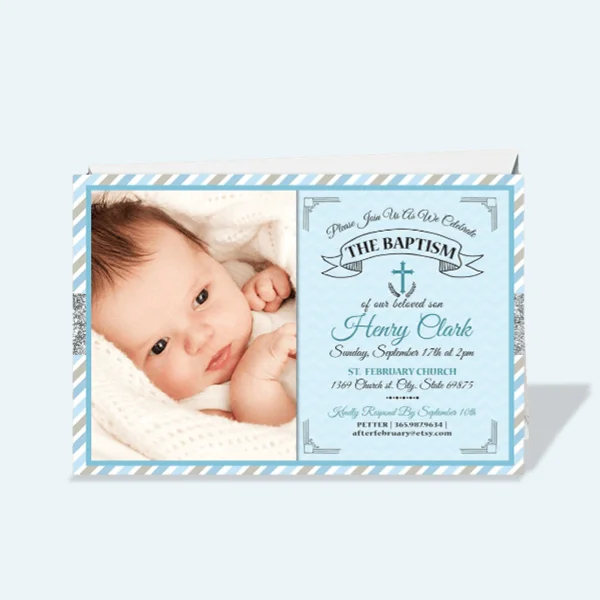
Baptism Invitation Cards
Custom baptism and christening invitations on soft uncoated or cotton card with matching envelopes,…
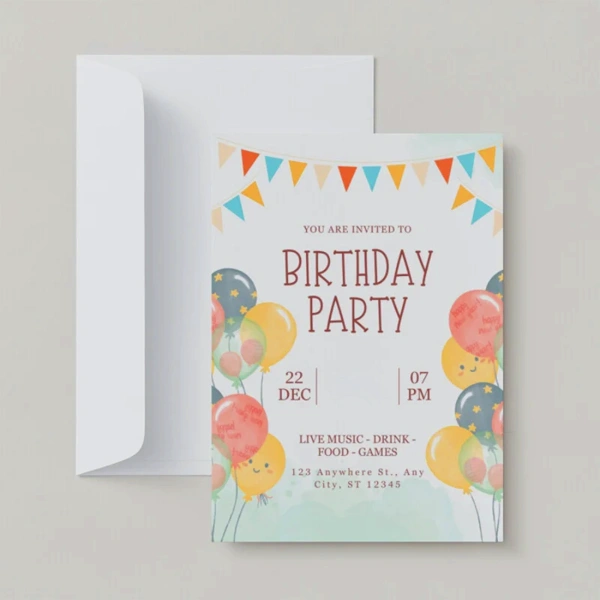 03See the build →
Birthday Invitation Cards
Custom birthday invitation cards on heavy card with matching envelopes, printed flat or folded and…
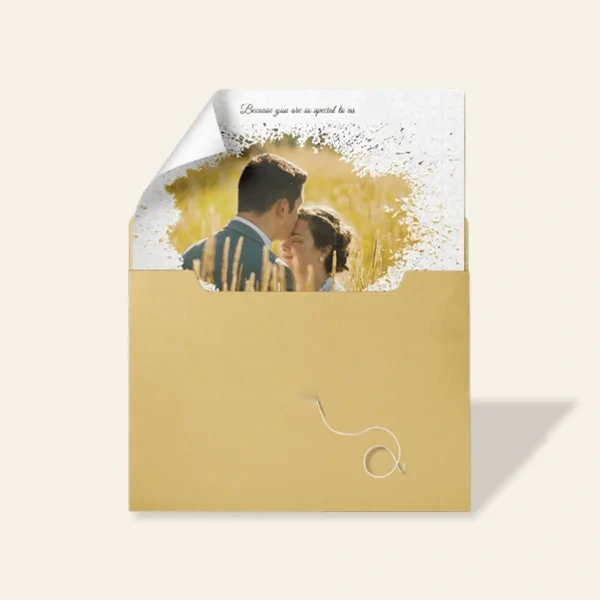 04See the build →
Engagement Invitation Cards
Custom engagement invitation cards on heavy card with foil, deboss and matching envelopes, boxed if you…
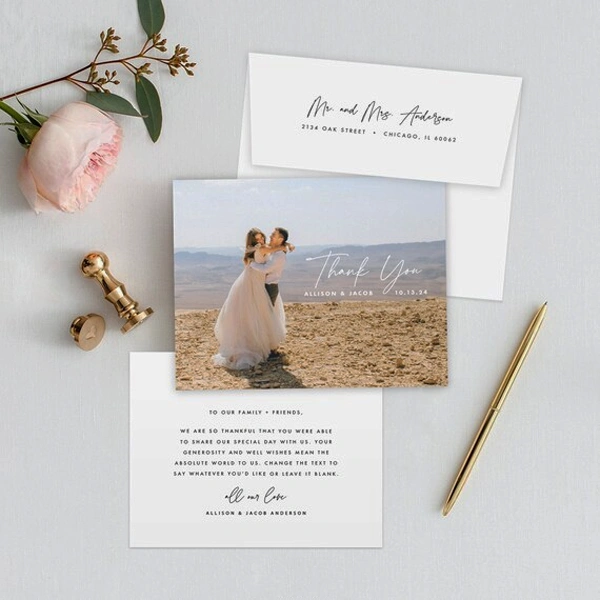 05See the build →
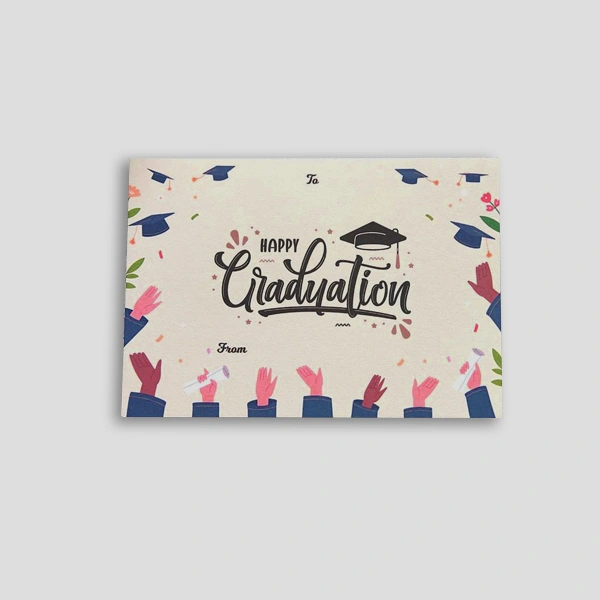
Flat Greeting Cards
Custom flat greeting cards
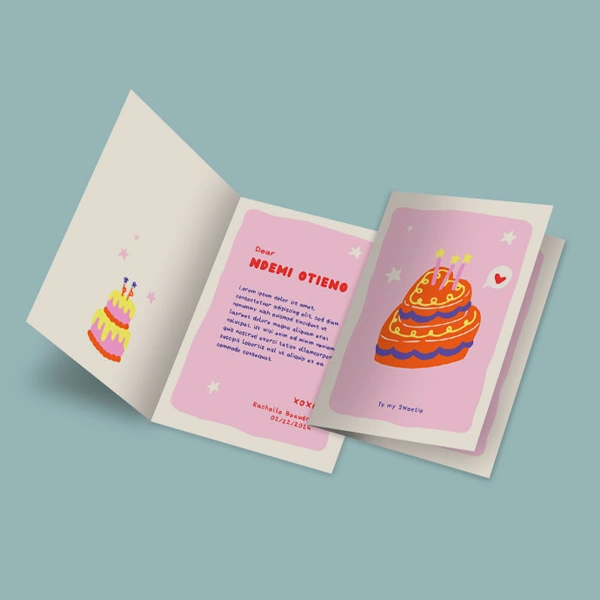 06See the build →
Folded Greeting Cards
Custom folded greeting cards on heavy card, creased before folding so the spine stays clean, with a…
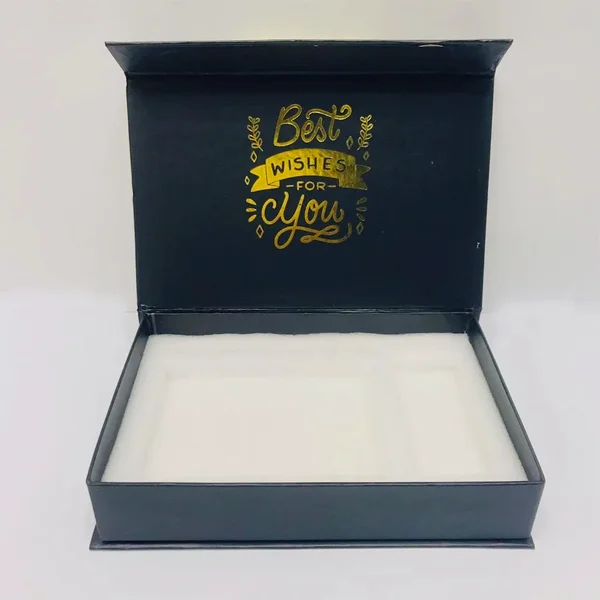 07See the build →
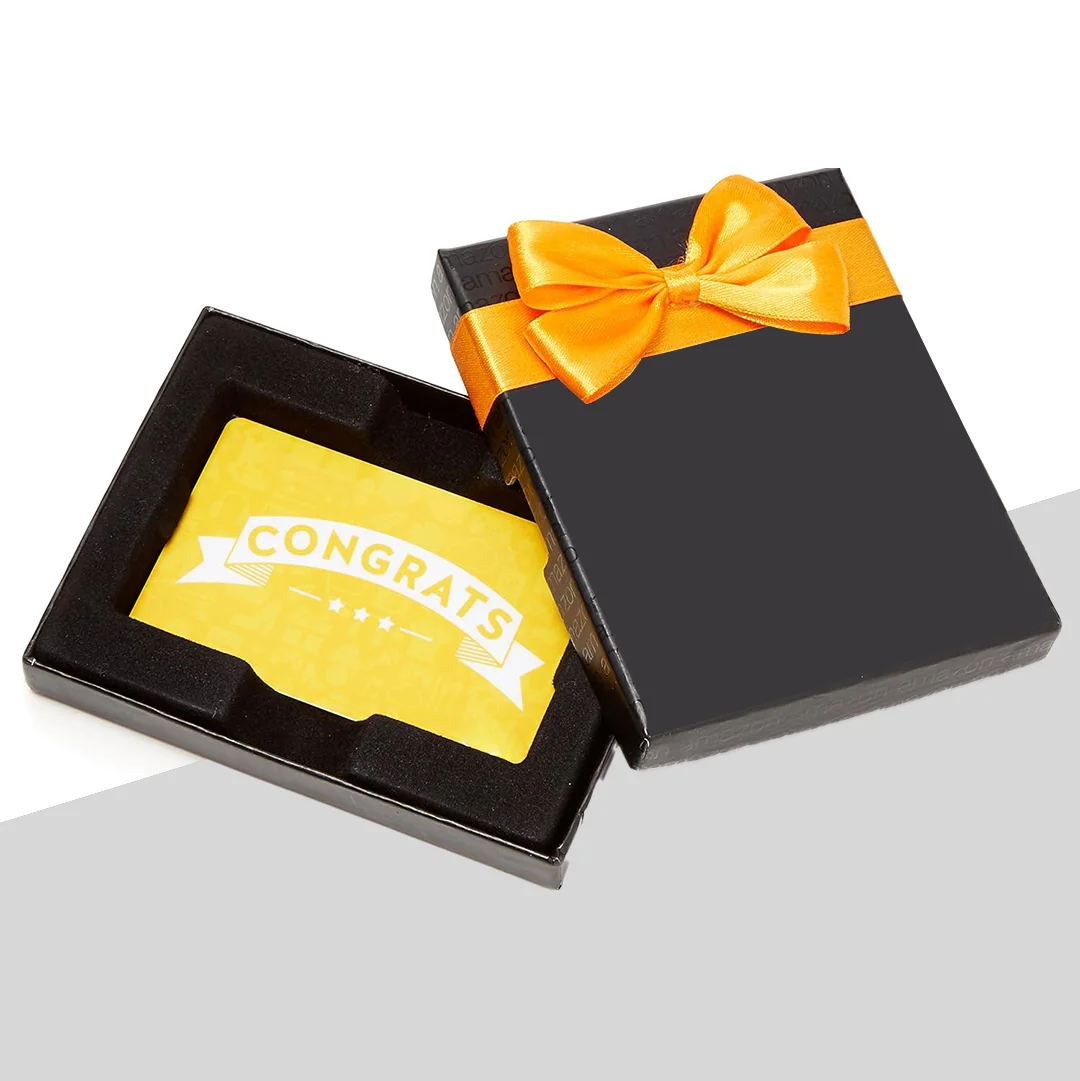
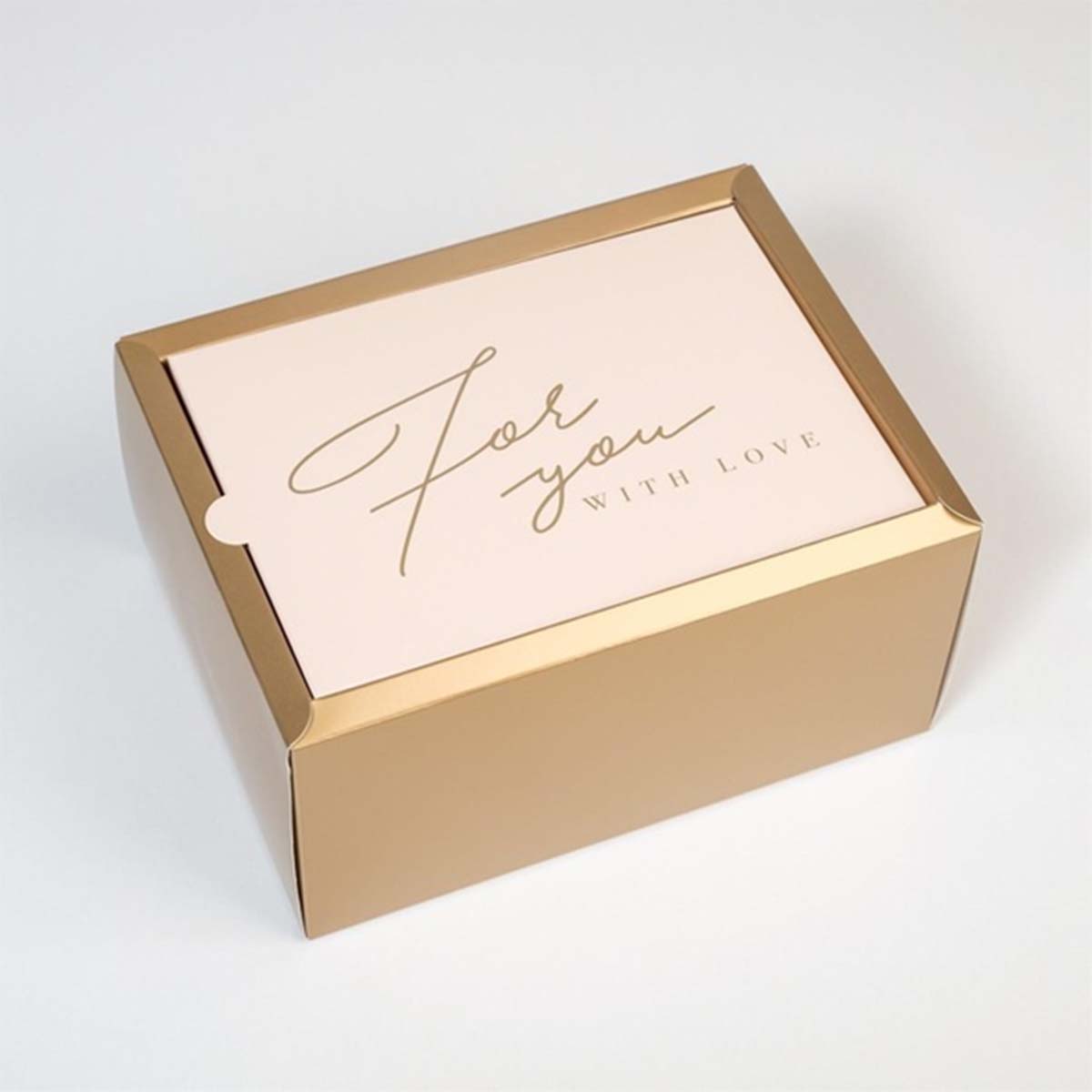
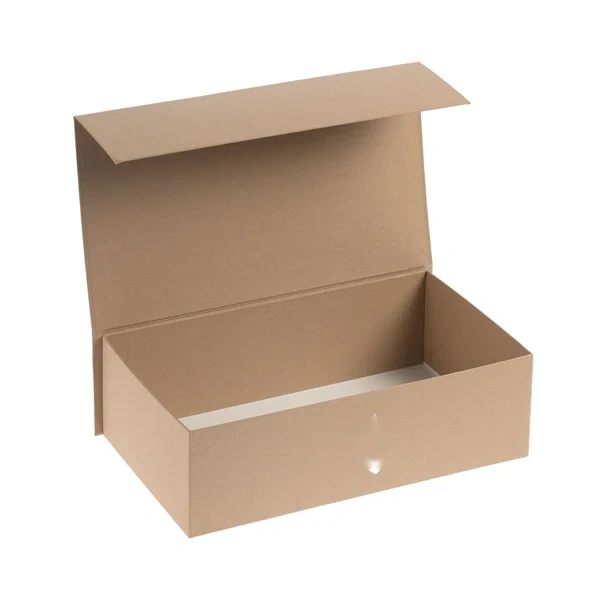
Greeting Card Boxes
Custom greeting card boxes sized to your card and envelope
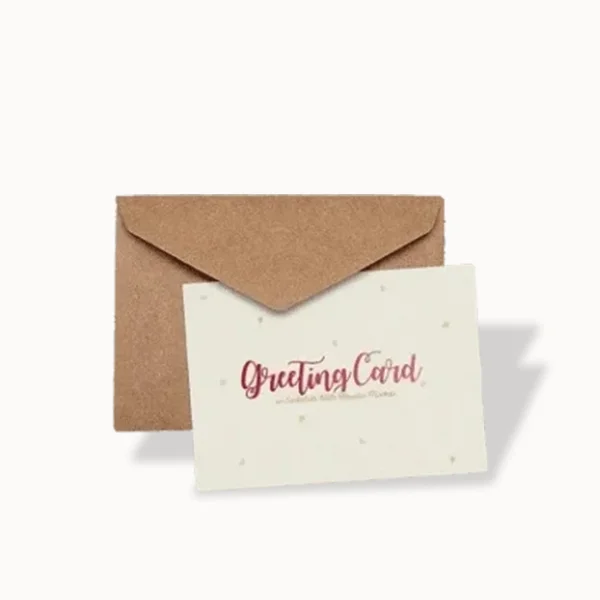 08See the build →
Holiday Greeting Cards
Custom holiday greeting cards with envelopes, printed for the season you actually mark
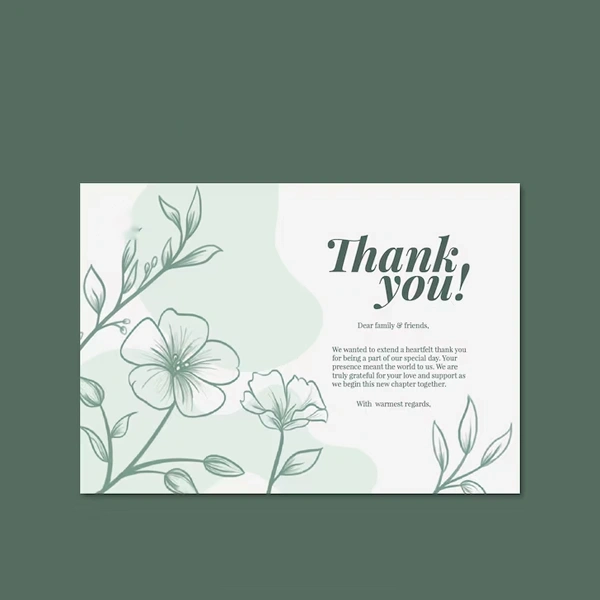 09See the build →
Thank You Cards
Custom thank you cards on stock that actually takes a pen
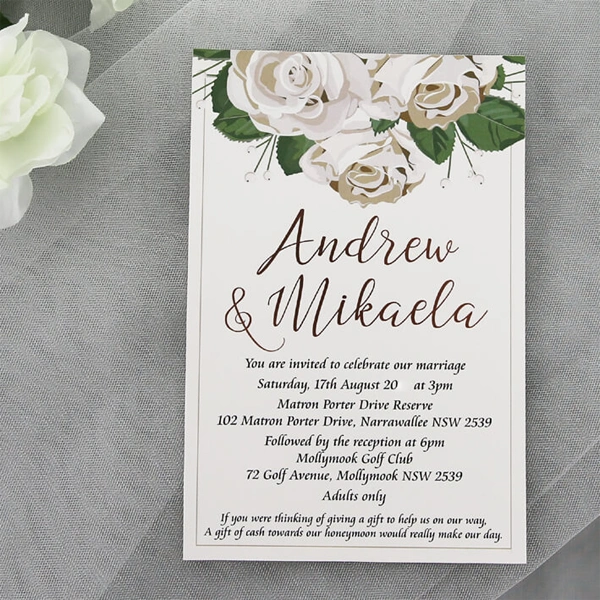 10See the build →
Wedding Invitation Cards
Custom wedding invitation suites on cotton or textured card
Side by side
Which greeting cards style fits
| Style | Board | Build | Minimum | |
|---|---|---|---|---|
| Baby Shower Invitation Cards | Uncoated 350–400gsm; cotton 600gsm+ for deckle and deep deboss | A6 and 5 x 7 in flat; A6 folded; enclosure and RSVP cards | 100 cards | Open → |
| Baptism Invitation Cards | Uncoated 350–400gsm; cotton 600gsm+ for deckle and deep deboss | A6 and 5 x 7 in flat; A6 folded; matching enclosure cards | 100 cards | Open → |
| Birthday Invitation Cards | Coated or uncoated card 350–400gsm; cotton stock on request | A6 and 5 x 7 in flat; A6 folded; square 148 mm | 100 cards | Open → |
| Engagement Invitation Cards | Cotton 600–700 gsm; coated 350–400 gsm; textured; kraft; duplexed | A5, 5 × 7 in, square 148 mm, custom; matching envelopes | 100 sets | Open → |
| Flat Greeting Cards | Coated 350–400gsm; uncoated 400–600gsm; duplexed 600–900gsm; cotton | Single panel, printed both sides; no crease | 100 cards | Open → |
| Folded Greeting Cards | Uncoated, coated or textured card 300–400gsm; cotton stock on request | Single crease portrait or landscape; gate fold; French fold | 100 cards | Open → |
| Greeting Card Boxes | Wrapped grayboard 1.5–2 mm rigid; 18–22pt boxboard folding | Rigid lift-off or hinged lid; folding window box; sleeve over a pack | 100 boxes | Open → |
| Holiday Greeting Cards | Coated, uncoated or textured 350–450gsm; duplexed for a colored edge | A6 and A5 folded; flat 5 x 7 in; square 148 mm | 100 cards | Open → |
| Thank You Cards | Uncoated 300–400gsm; cotton 600gsm+; coated with an unvarnished writing panel | Flat A6, DL and 5 x 7 in; folded A6 and A5; enclosure sizes to your box | 100 cards | Open → |
| Wedding Invitation Cards | Cotton 600–900gsm; textured and laid 350–450gsm; coated 400gsm; duplexed | A6, A5, 5 x 7 in, square; flat or folded | 100 suites | Open → |
It has to take a pen
A card is only finished when somebody writes in it, and that single requirement rules out most laminates. Gloss lamination refuses ballpoint entirely; matte lamination smudges for a while and then takes it badly.
Uncoated stock on the inside is the answer, and it can be paired with anything on the outside. Printing one side coated and one uncoated is a normal specification and costs nothing extra.
Test with the pens people actually use — a ballpoint and a fineliner. Fountain pen feathering on cheap uncoated stock is a real complaint.
Weight, fold and how a card stands up
A card that will not stand on a shelf has failed at the only thing it was bought to do. Below 300gsm a folded card leans, and it leans worse as the room warms up.
| 250gsm | Light; folds easily and will not stand reliably when open |
|---|---|
| 300gsm | The working default for a folded card |
| 350gsm | Substantial, stands well, must be creased before folding |
| 400gsm+ | Flat cards and invitations; too heavy to fold cleanly |
The envelope is part of the product
Sizing a card to a standard envelope keeps postage cheap and supply simple — the size and surcharge detail is in our printed envelope notes.
- It has to be ordered with the card, sized to it, not found afterwards.
- C6 suits an A6 card, C5 suits A5 — the standard sizes exist for a reason.
- A colored or lined envelope does more for perceived value than heavier card does.
- Square cards mean square envelopes, which are surcharged by most postal services.
Finishes that suit a small format
Foil, emboss and deboss all work exceptionally well at card size because the whole surface is seen at once, close up, in domestic light. A small foil detail reads as considered in a way the same detail on a large box does not.
Spot UV on an uncoated stock is the other reliable combination: the contrast between matte paper and a gloss shape is strongest where there is no laminate competing with it.
Ranges, and printing a lot of designs at once
Card publishers run dozens of designs in small quantities, which is exactly what digital print is for. One stock, one trim size, one envelope, and a different file per design — the whole range shares its setup.
That is also why a range should settle on one or two trim sizes early. Every extra size is a separate envelope line, a separate stock order and a separate box on the shelf.
Across the range
What every greeting cards job runs on
Boards
- Natural kraft
- White SBS
- E and B flute
- Wrapped grayboard
- Food-grade board
- Recycled content
Chosen from what goes in the box and how far it travels. Our notes on recyclable and compostable stocks say which claims each board can carry.
Finishes
- Matte
- Gloss
- Soft-touch
- Foil
- Emboss
- Spot UV
- Kraft
- Textured
Each one is a decision about light on a shelf — the specialty finishes range shows them on real boxes.
Artwork
- Vector PDF or AI, fonts outlined
- 3 mm bleed, 4 mm safe area
- CMYK; a spot color where a match must hold
- Proof on the dieline before press
Files not set up that way are fine — see the guide to preparing print files.
Interactive · five steps · no sign-up
Spec your Greeting Cards
Pick a shape, type a size, choose a stock and a finish. The preview on the left redraws as you go, and the spec lands with us exactly as you set it.
Frequently asked questions
Got a question about greeting cards? The answers below cover what we get asked most. If yours is not here, send it with a brief, message us on WhatsApp, or call +1 503-461-4788 — we reply the same working day.
Can people write on a laminated card?
Not on gloss, and badly on matte. Print the inside uncoated — it costs nothing extra.
What weight should a folded card be?
300gsm is the floor for one that stands up properly. Below that it leans, and worse in a warm room.
Do you supply envelopes?
Yes, matched to the card and ordered with it. Sizing the card to a standard envelope keeps postage cheap.
Can I run thirty designs at 100 each?
Yes — one stock, one trim, one envelope and a file per design. It is what digital print is best at.
What is the minimum order?
100 cards, folded or flat.
Why do square cards cost more to post?
Square envelopes are surcharged by most postal services because sorting machines cannot orient them.
Can people write on a laminated card?
Not on gloss, and badly on matte. Print the inside uncoated — it costs nothing extra and it is the whole point of a card.
What weight should a folded card be?
300gsm is the floor for one that stands up properly. Below that it leans, and worse in a warm room.
Do you supply envelopes?
Yes, matched to the card and ordered with it. Sizing the card to a standard envelope keeps postage cheap.
Can I run thirty designs at 100 each?
Yes — one stock, one trim, one envelope and a file per design. It is what digital print is best at.
Keep browsing