Custom Envelopes
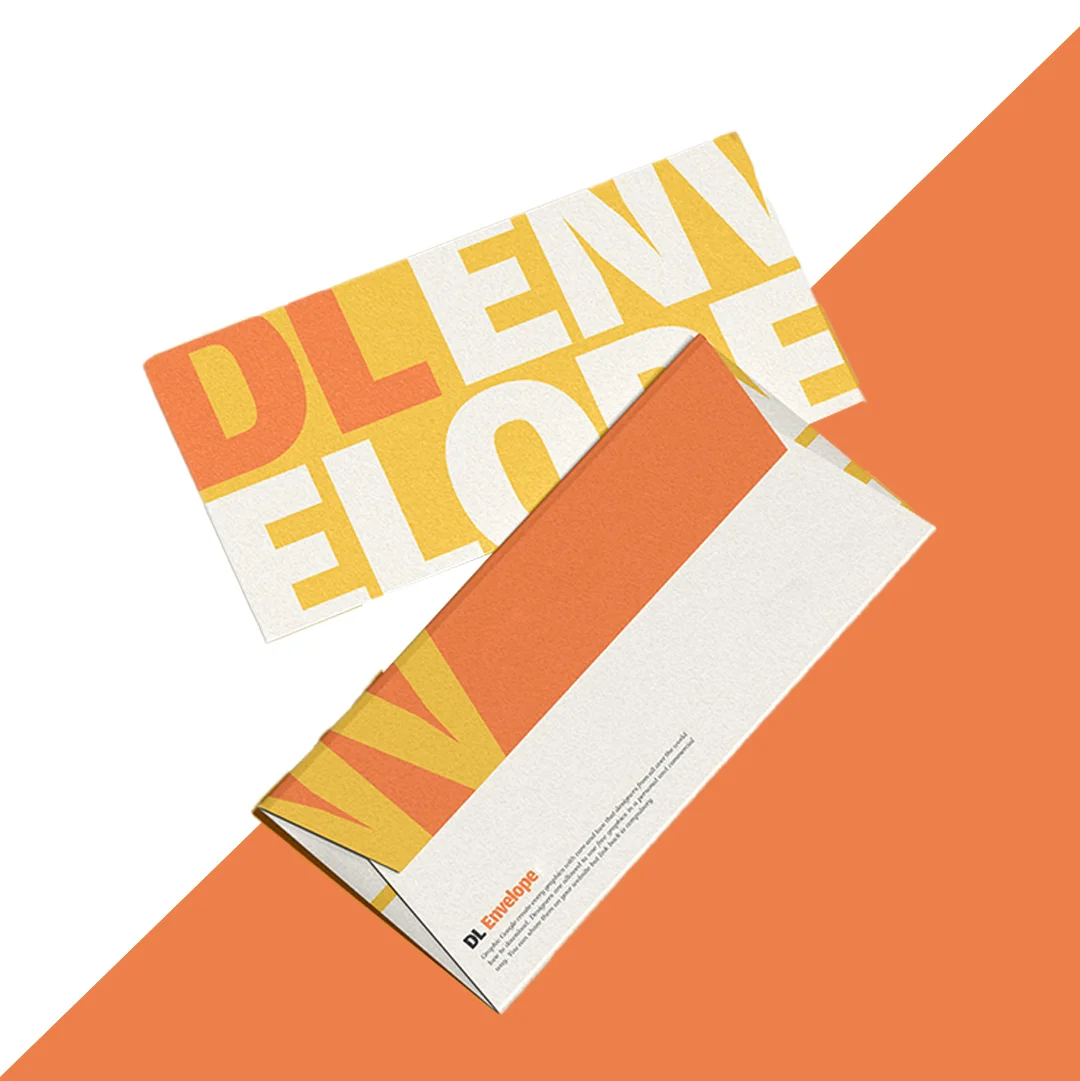
Envelope sizes are not a design choice. They are set so that sorting machinery can grip, turn and read them at speed, and a non-standard envelope is charged as a large letter or rejected entirely — which costs far more than the envelope did.
Get a price for Envelopes
Send the size and quantity — we reply the same working day with a price, a dieline and a date. Artwork optional at this stage.
- 3styles in this range, each with its own page and price
- 100unit minimum on every style, printed or plain
- 4markets quoted in the delivery currency
- ±1mmcutting tolerance on folding board, checked on a sample
3 styles in this range
Styles we make in this range
Every one below is written up, priced and dielined. Tap a style to see how it is built.
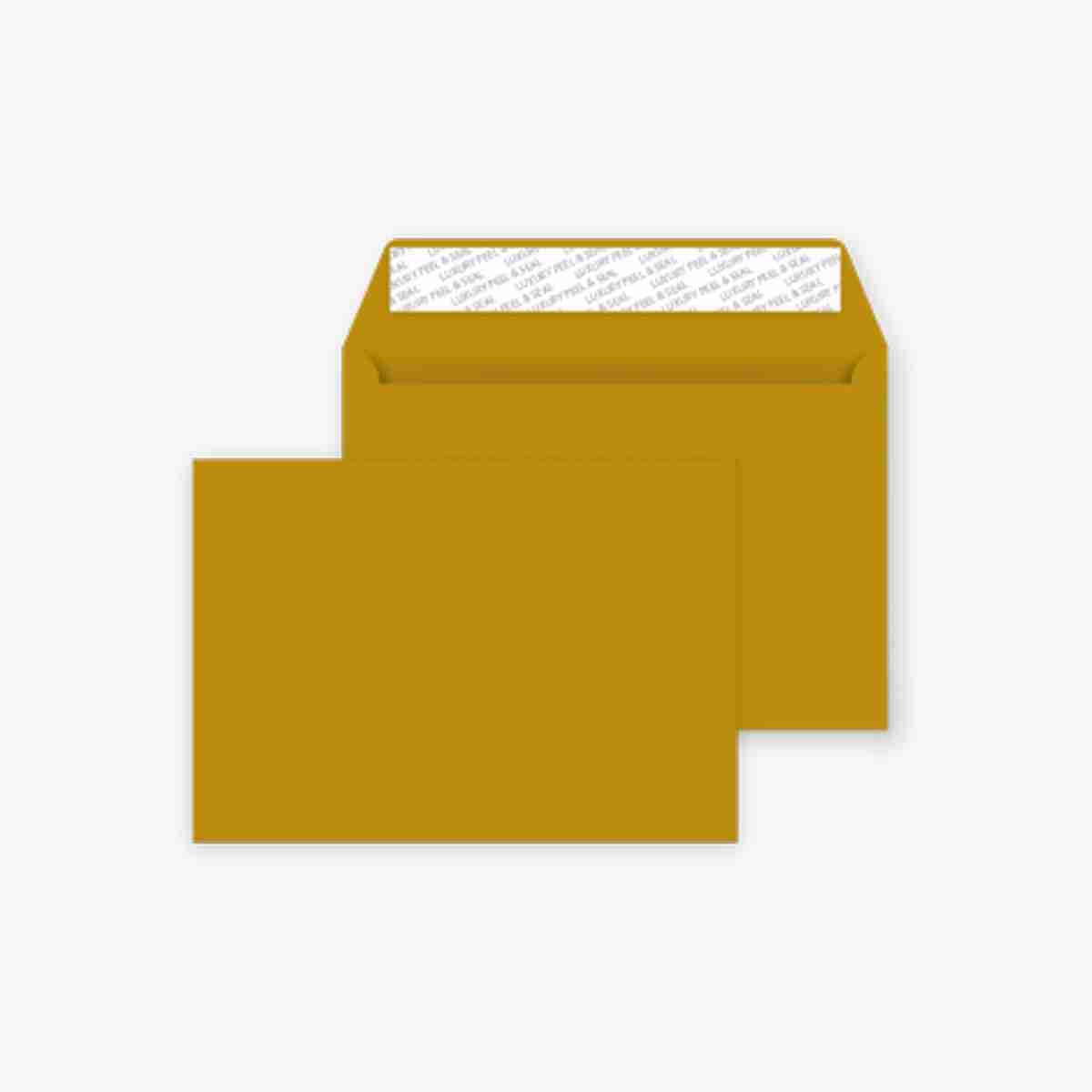
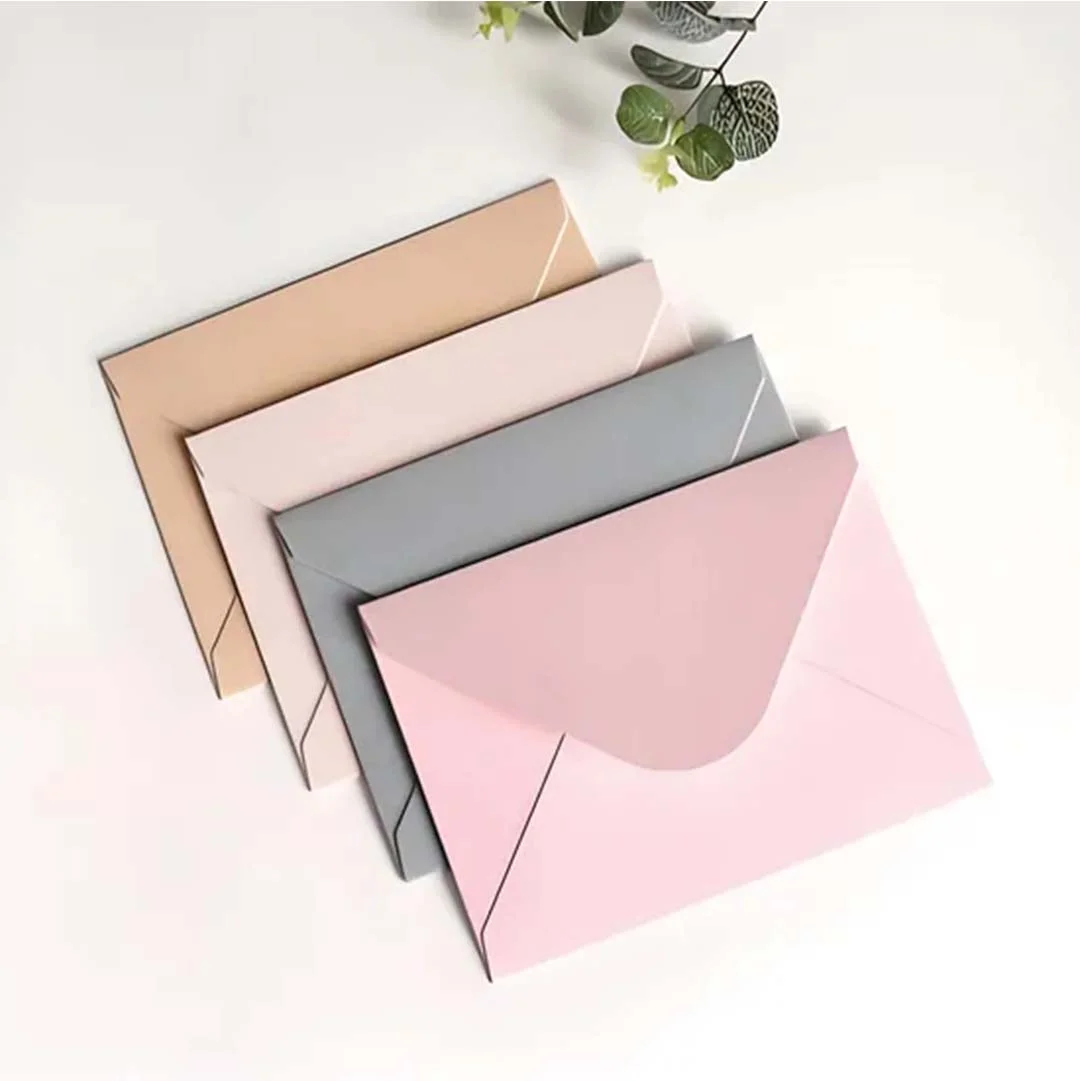
Side by side
Which envelopes style fits
| Style | Board | Build | Minimum | |
|---|---|---|---|---|
| Bamboo Envelopes | Bamboo-fiber paper 100–140 gsm; matching card 250–350 gsm | C6, C5, DL, C4; US A2, A6, A7; custom | 100 envelopes | Open → |
| C6 Envelopes | White, manila, recycled kraft, colored, 100–120gsm | Gummed, self-seal, peel-and-seal | 100 envelopes | Open → |
| Manila Printed Envelopes | Manila 90–120 gsm; board-back option | DL, C5, C4; US #10, 6 × 9, 9 × 12 in; custom | 100 envelopes | Open → |
The sizes that matter, and what fits in them
Square envelopes are the classic expensive mistake. They look excellent for invitations and they cost more to post in most markets, every single time, because machines cannot orient them reliably.
| DL | 110 × 220 mm — an A4 sheet folded in three; the business standard |
|---|---|
| C6 | 114 × 162 mm — A4 folded twice, or an A6 card |
| C5 | 162 × 229 mm — A4 folded once |
| C4 | 229 × 324 mm — A4 flat, unfolded |
| Square | Handsome, and surcharged by most postal services |
Check the postal surcharge before falling for a shape. The difference is per item and it compounds fast on a mailing.
Windows, and where they are allowed to be
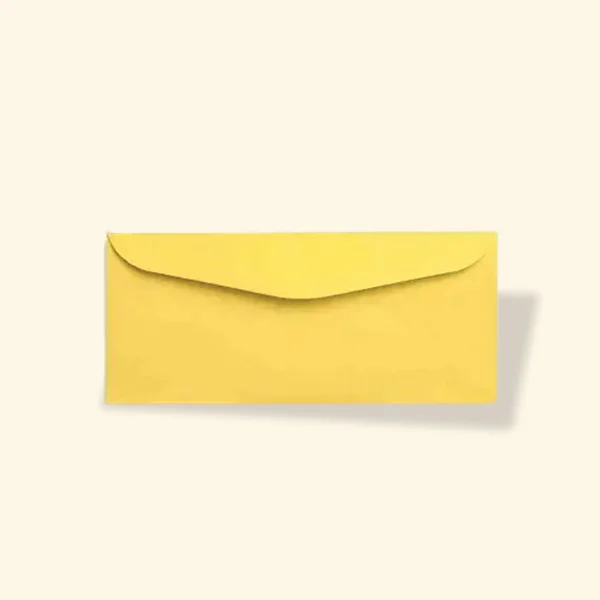
A window is there so the address printed on the contents shows through, which removes a whole addressing step. Its position is not free — postal services specify a zone the address must sit in, and a window outside it means hand sorting.
Get the window position from the folded document, not the other way round. Fold a real letter, mark where the address lands, and the window follows.
Gummed, self-seal or peel-and-seal
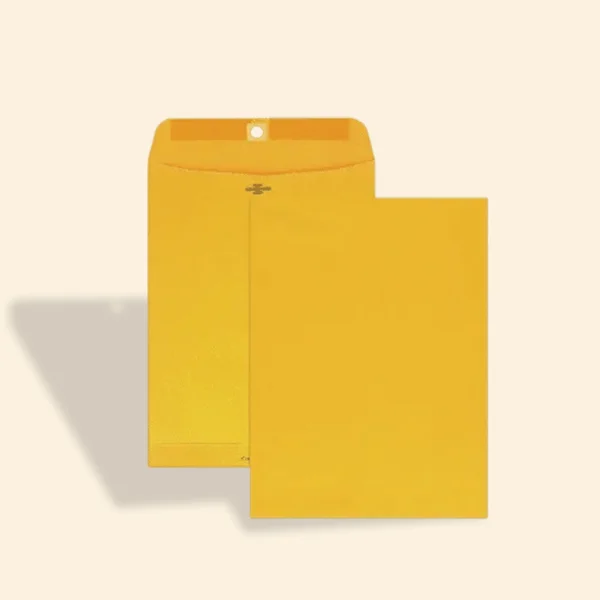
For anything hand-stuffed in quantity, peel-and-seal pays for itself in time. For machine insertion, gummed is what the machinery expects.
- Gummed. Cheapest, needs moisture, and it is what most volume mailings use.
- Self-seal. Press the flap and it closes; faster by hand, slightly bulkier.
- Peel-and-seal. A release strip; the most reliable and the most expensive.
- Tuck flap. No adhesive at all, for enclosures that are not posted.
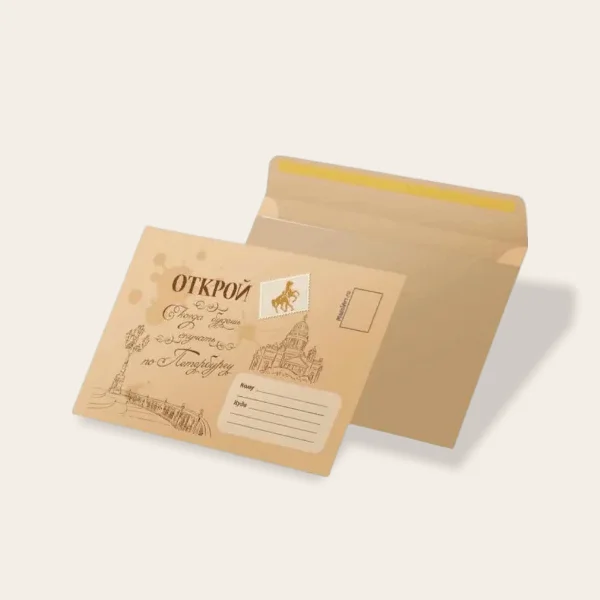
Printing on something that will be franked and stamped
The top right corner belongs to the postage and the bottom edge belongs to the sorting barcode. Both have to stay clear, light and unvarnished, or the mail is diverted to hand sorting at your expense.
That leaves the left third of the face and the whole reverse for design. A printed flap and a printed interior are the two surfaces most brands ignore, and the interior is what the recipient sees at the moment of opening.
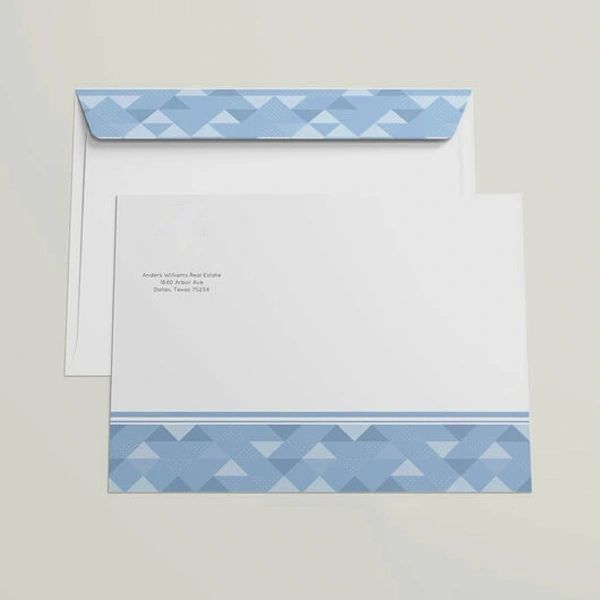
Stocks beyond white and manila
Manila is the practical default, recycled kraft reads as considered, and colored stocks stand out in a stack of post more effectively than any printing on white.
Bamboo and other alternative fibers exist and cost more; they take print slightly softer and are genuinely repulpable. As with anything else on this site, the claim should match the material — the honest framing is in our sustainable packaging notes.
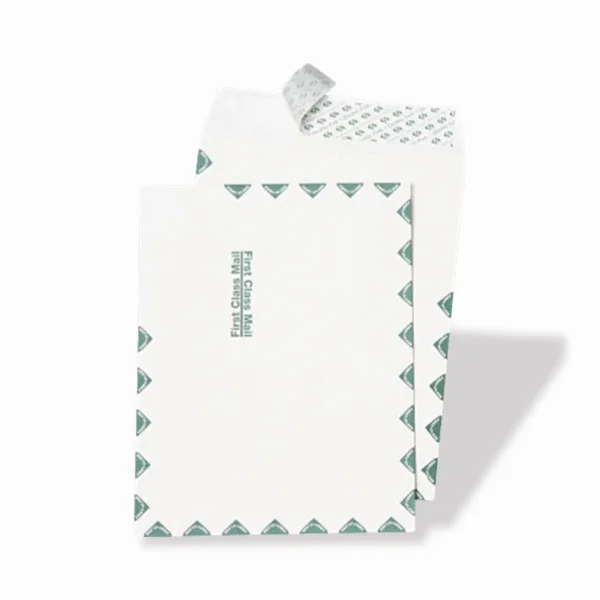
Across the range
What every envelopes job runs on
Boards
- Natural kraft
- White SBS
- E and B flute
- Wrapped grayboard
- Food-grade board
- Recycled content
Chosen from what goes in the box and how far it travels. Our notes on recyclable and compostable stocks say which claims each board can carry.
Finishes
- Matte
- Gloss
- Soft-touch
- Foil
- Emboss
- Spot UV
- Kraft
- Textured
Each one is a decision about light on a shelf — the specialty finishes range shows them on real boxes.
Artwork
- Vector PDF or AI, fonts outlined
- 3 mm bleed, 4 mm safe area
- CMYK; a spot color where a match must hold
- Proof on the dieline before press
Files not set up that way are fine — see the guide to preparing print files.
Interactive · five steps · no sign-up
Spec your Envelopes
Pick a shape, type a size, choose a stock and a finish. The preview on the left redraws as you go, and the spec lands with us exactly as you set it.
Frequently asked questions
Got a question about envelopes? The answers below cover what we get asked most. If yours is not here, send it with a brief, message us on WhatsApp, or call +1 503-461-4788 — we reply the same working day.
Why do square envelopes cost more to post?
Sorting machines cannot orient them reliably, so most postal services surcharge them on every item.
Where should the window go?
Wherever the address lands on your folded document — fold a real one and mark it. It also has to sit inside the postal address zone.
Which closure should I choose?
Peel-and-seal if people stuff them by hand in quantity. Gummed if a machine does it.
Can I print the whole envelope?
Not the postage corner or the bottom barcode strip. Everything else, including the flap and the inside, is available.
What is the minimum order?
100 envelopes, in any size or stock.
Which stock gets opened first?
A colored one. It stands out in a stack of post more effectively than any printing on white.
Why do square envelopes cost more to post?
Sorting machines cannot orient them reliably, so most postal services surcharge them on every item.
Where should the window go?
Wherever the address lands on your folded document — fold a real one and mark it. It also has to sit inside the postal address zone.
Which closure should I choose?
Peel-and-seal if people stuff them by hand in quantity. Gummed if a machine does it.
Can I print the whole envelope?
Not the postage corner or the bottom barcode strip. Everything else, including the flap and the inside, is available.
Keep browsing