Custom Scarf Boxes
Custom scarf boxes for a folded or a rolled scarf, from 100 units. A long shallow box for silk folded flat, a square box for wool rolled into a coil, a smooth tissue-lined interior for either — sized to the fold you use, because a scarf box built for the wrong fold arrives with the scarf creased.
Folded flat or rolled in a coil — the box depends on which
- Board
- 18–24 pt coated SBS with turned edges; wrapped chipboard for rigid
- Sizes
- Silk flat 8 × 8 × 1 or 12 × 4 × 1.5 in; wool rolled 6 × 6 × 4 in; folded 12 × 8 × 3 in
- Interior
- Coated or wrapped inner face, folded edges, tissue between folds
Get a price for Scarf Boxes
Send the size and quantity — we reply the same working day with a price, a dieline and a date. Artwork optional at this stage.
- Free dielineThe flat drawing comes with the quote, before you commit.
- Proof before pressNothing is printed until you have seen it laid on the dieline.
- Die kept for reordersTooling is paid once. Every reorder skips straight to press.
- Quoted in four marketsUS, UK, Canada and Australia, in the delivery currency.
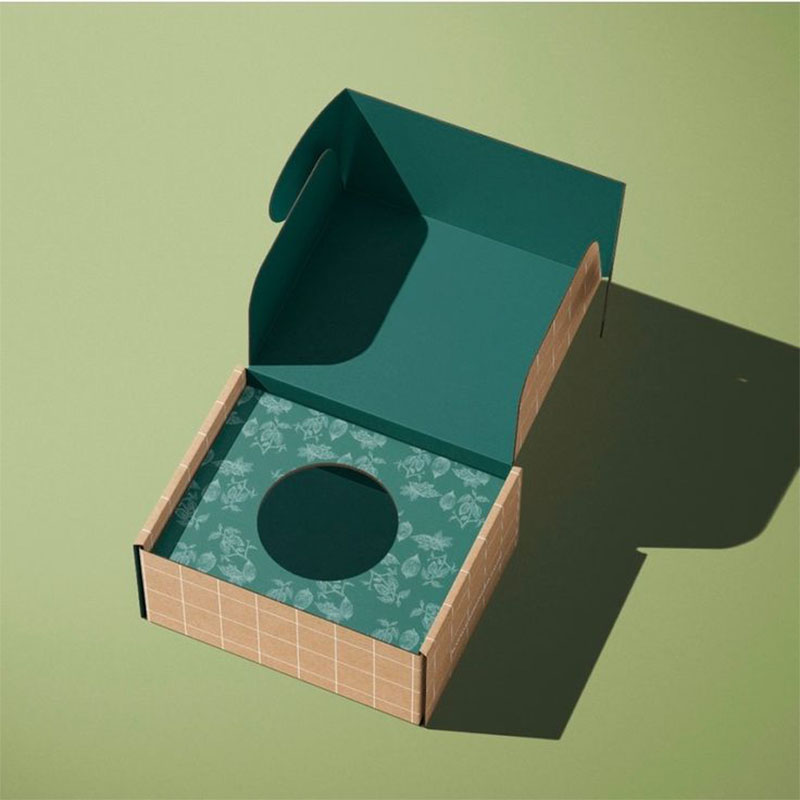
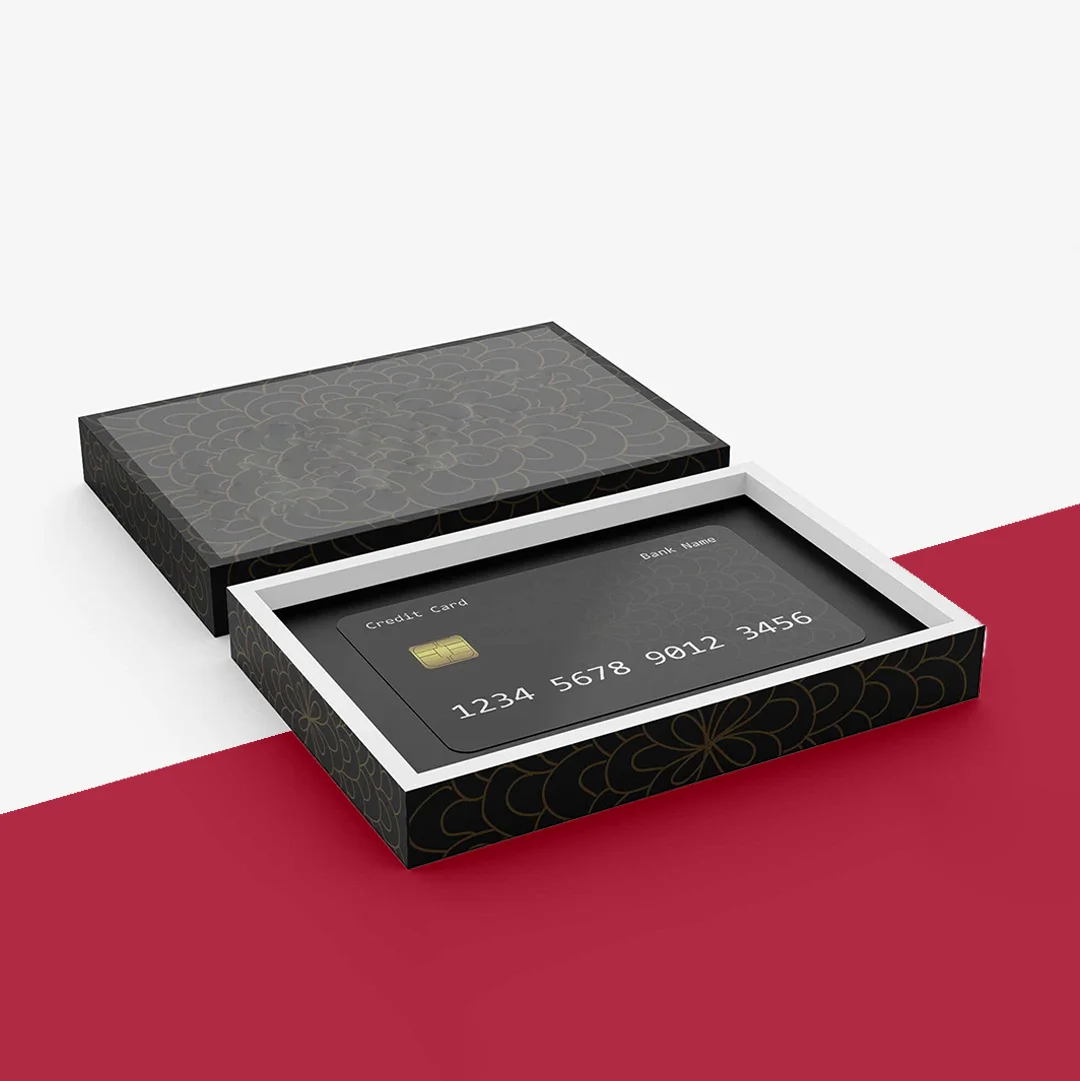
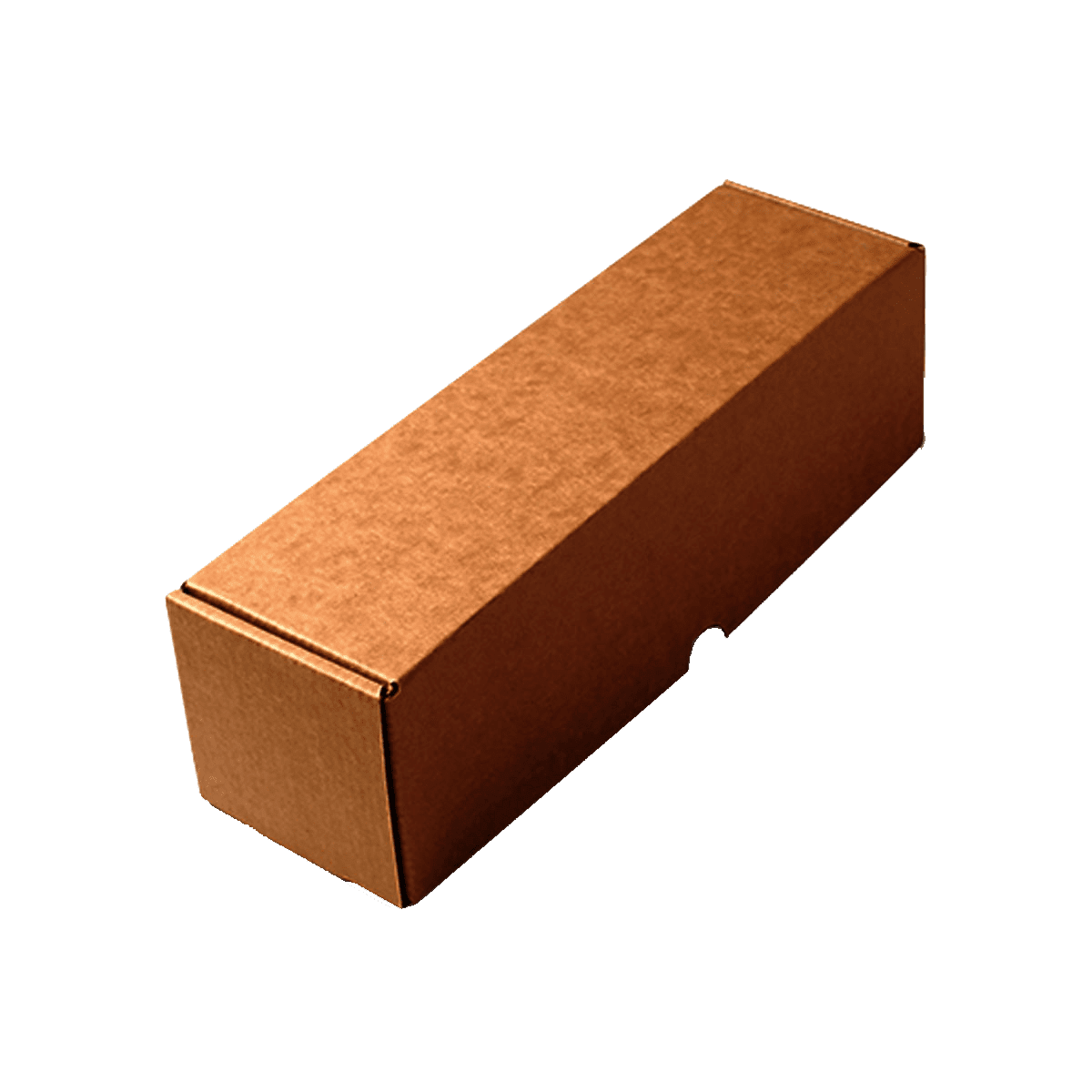
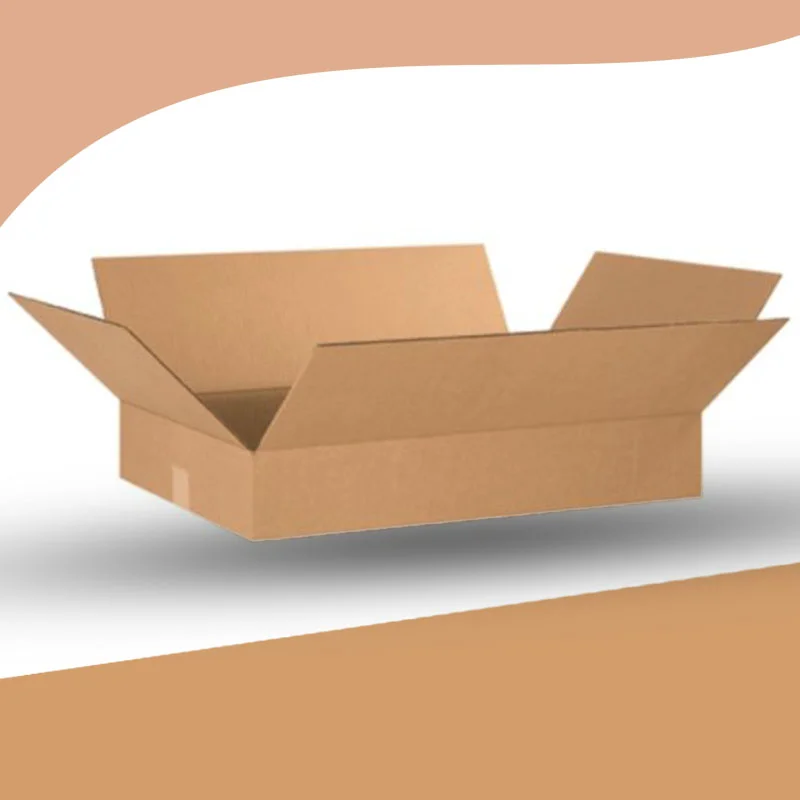
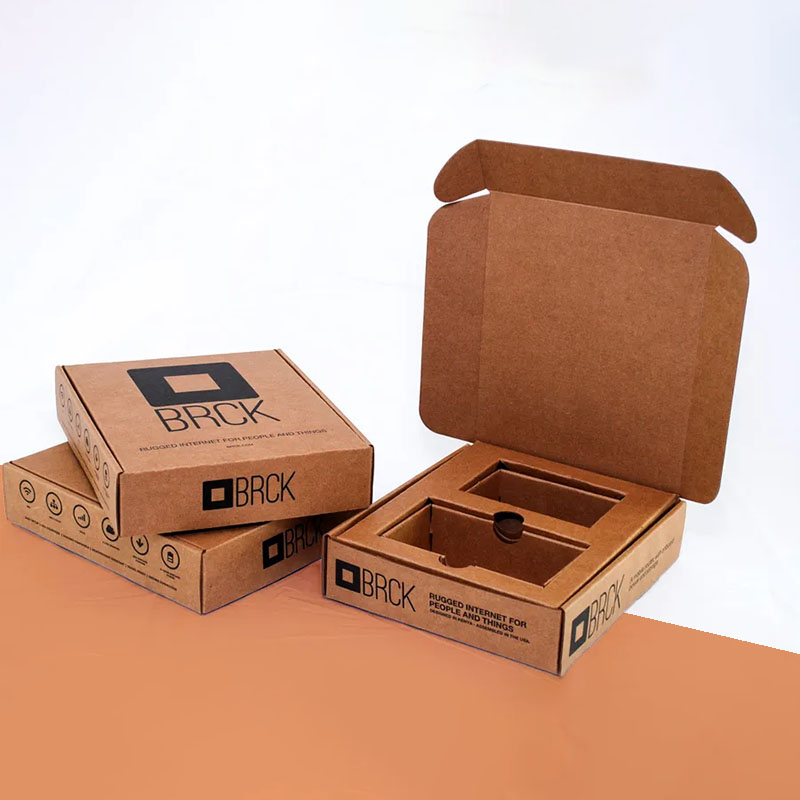
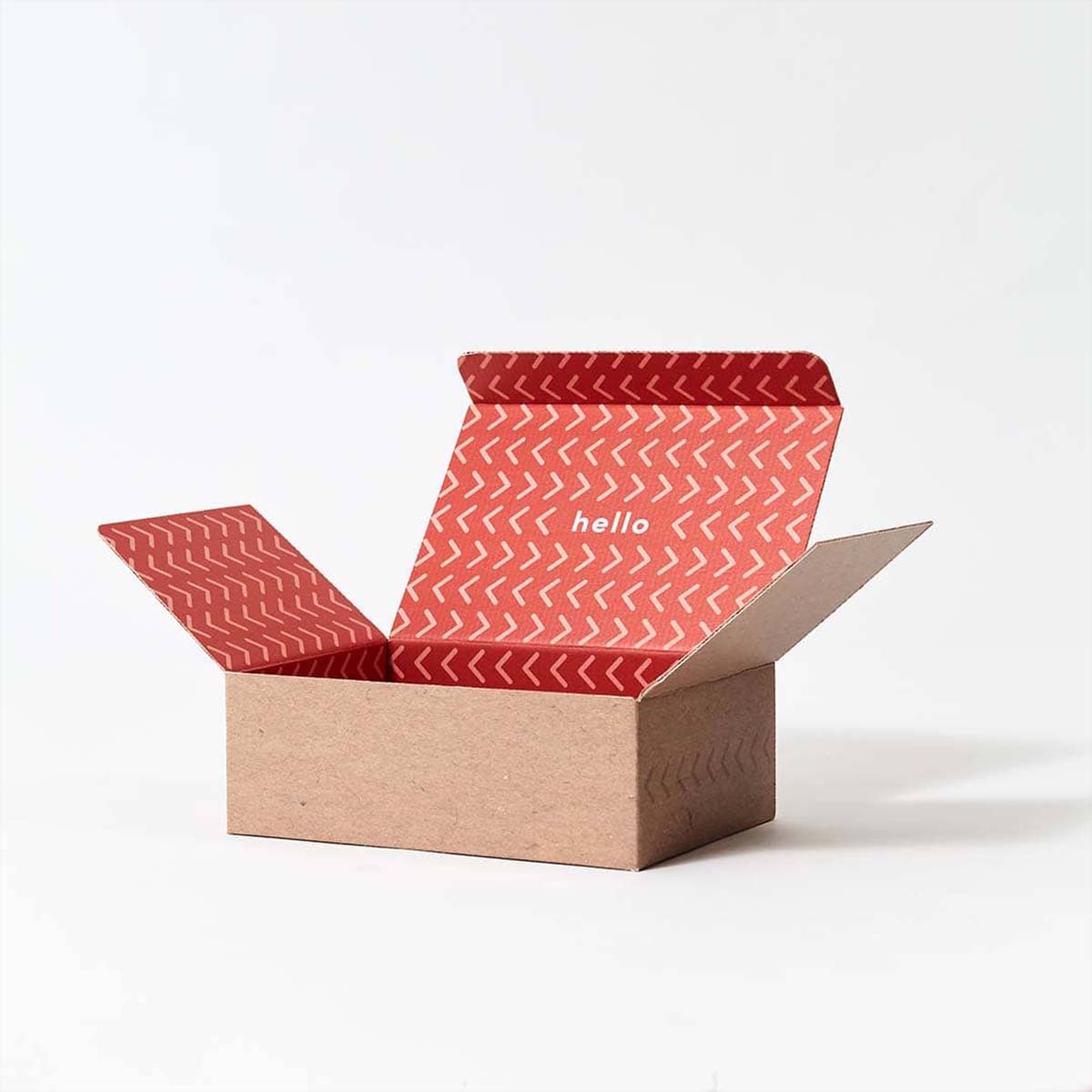
Two folds, two boxes
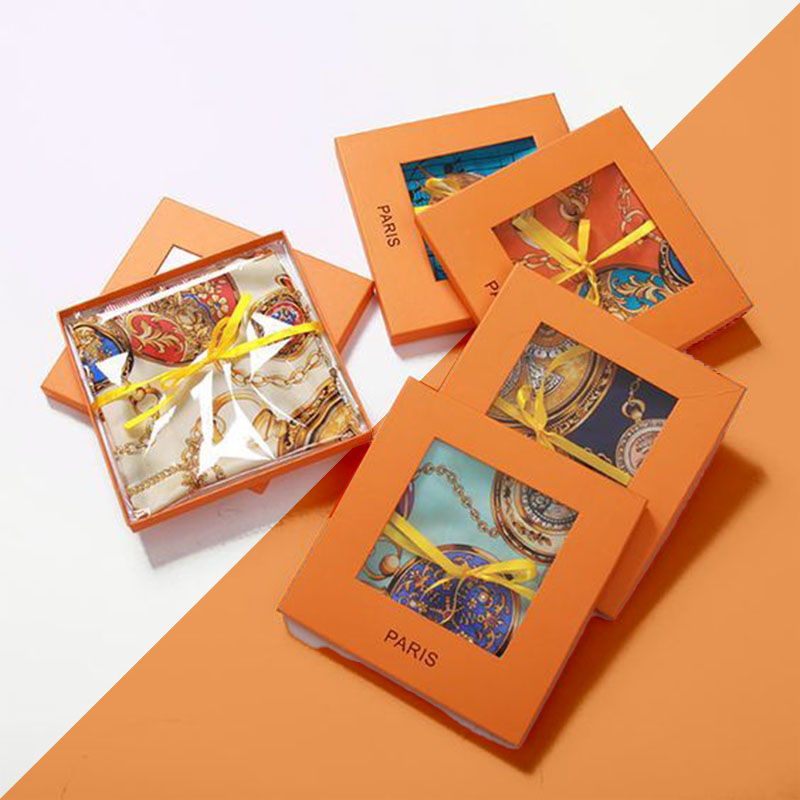
Silk is thin and creases at a sharp fold, so a silk box is as flat as the folded stack allows and the scarf goes in with a tissue layer between each fold. Wool has loft and fills a box; a rolled coil in a square box keeps the loft and shows the pattern on the outside of the roll.
| Silk square, folded | 8 × 8 × 1 in flat box, tissue, ribbon — the classic silk format |
|---|---|
| Silk long, folded | 12 × 4 × 1.5 in long box, folded in thirds |
| Wool or cashmere, rolled | 6 × 6 × 4 in square box, the coil standing on end |
| Wool, folded | 12 × 8 × 3 in, folded flat with room for the loft |
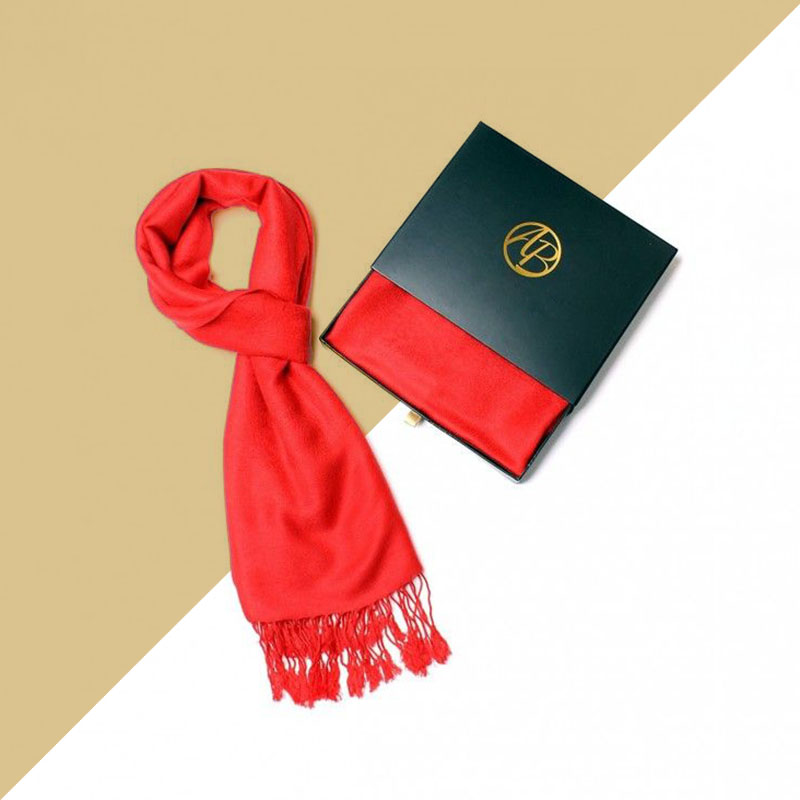
An interior that does not mark silk
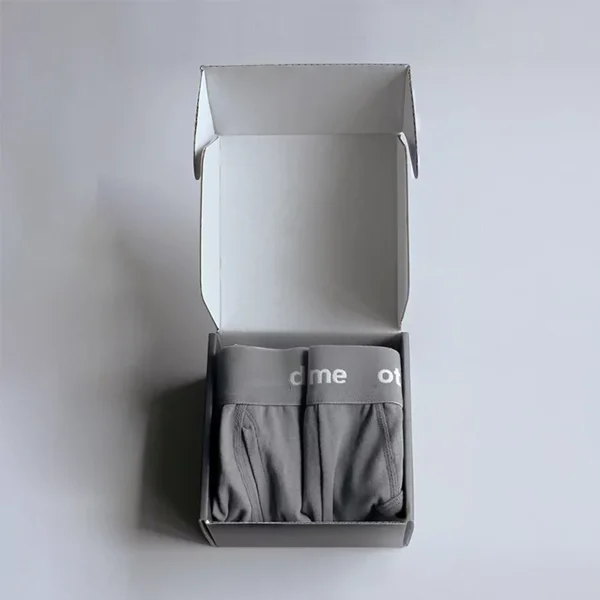
Silk picks up marks from a raw board edge and from the crease of a folded box wall. The inside faces are coated or wrapped, the edges the scarf touches are folded rather than cut, and a tissue liner is standard — the same smooth-interior rules we apply to lingerie boxes for delicate fabric. Wool is more forgiving of the box and less forgiving of being crushed; it needs the depth more than the surface.
A silk scarf in a box that is even slightly too small gets a hard crease at the edge where it was forced in. We size the flat box a quarter inch over the folded stack on every side.
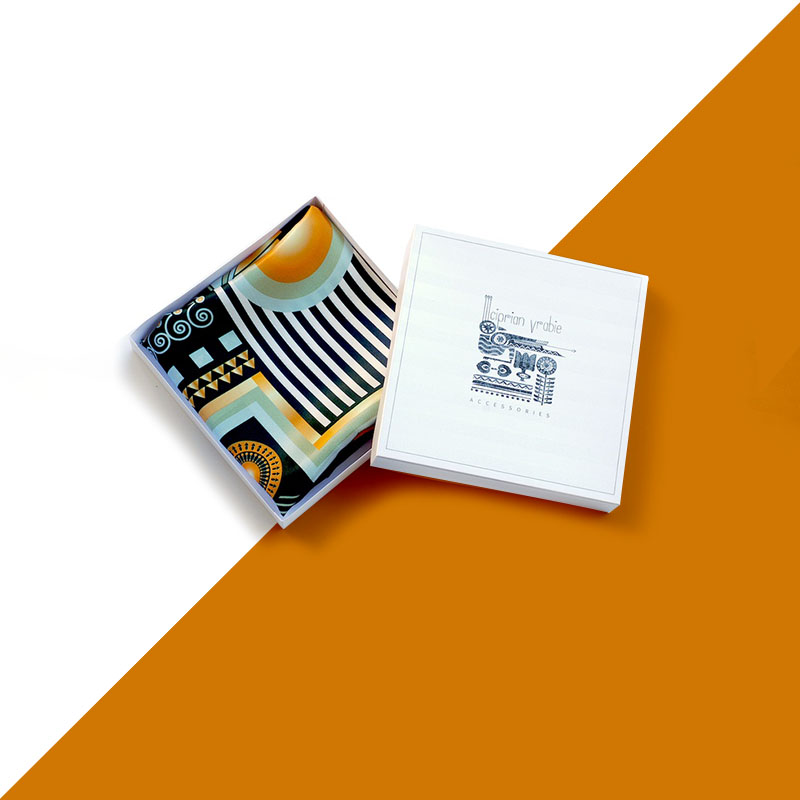
The lid, and how the scarf is found
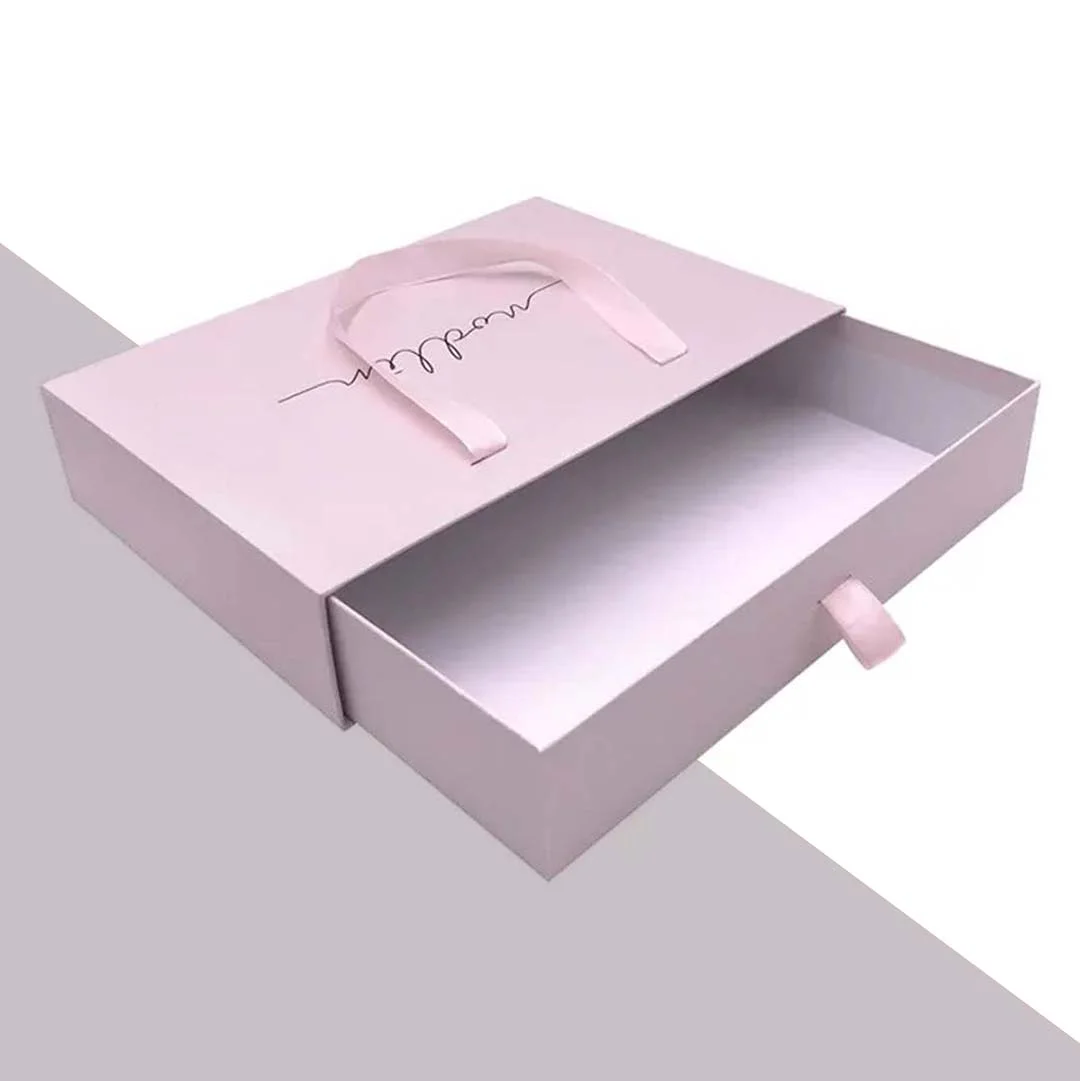
- A lift-off lid on a flat box, with the scarf folded so the pattern shows as the tissue parts — the silk-house format.
- A ribbon tied across the lid, which on a square box is what makes it a gift.
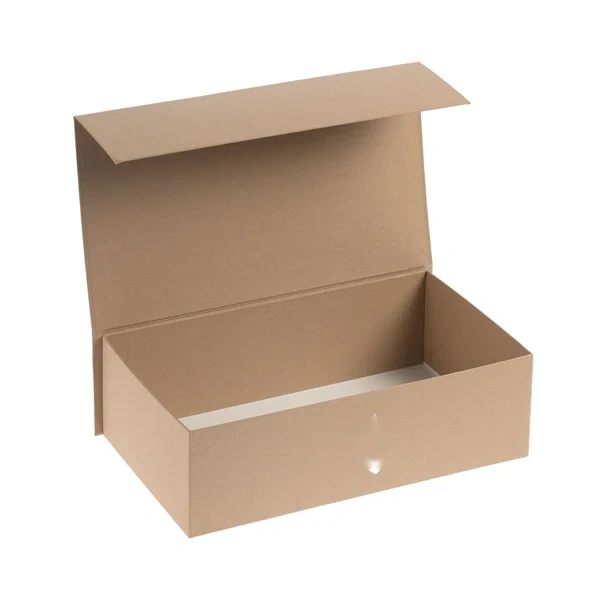
- A magnetic flap on a rigid box for a cashmere set, printed inside the lid.
- A drawer for a rolled scarf, so it slides out as a coil with the pattern facing up.
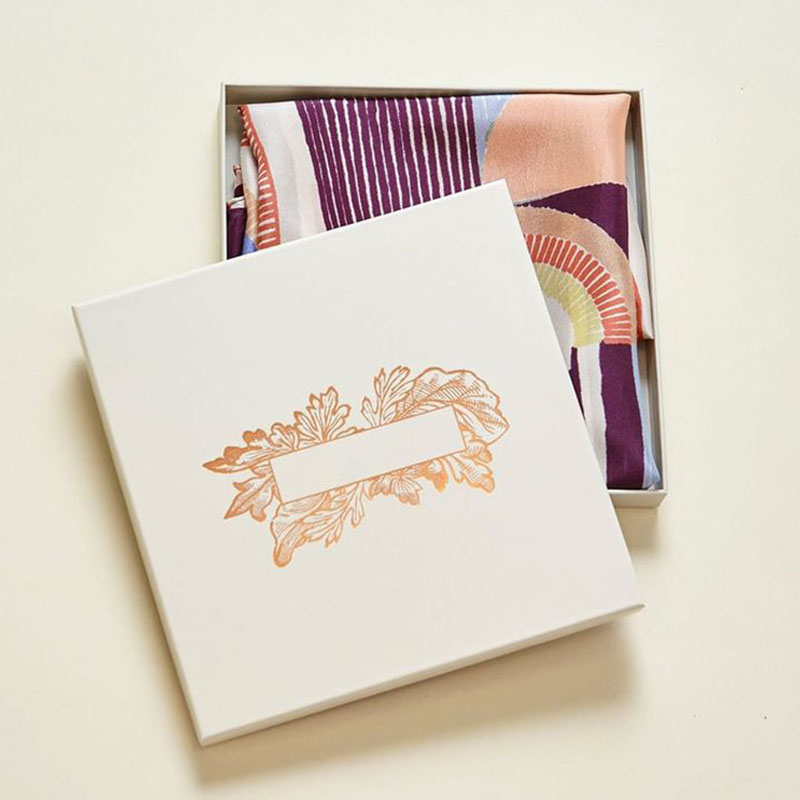
Print, and the box that is kept
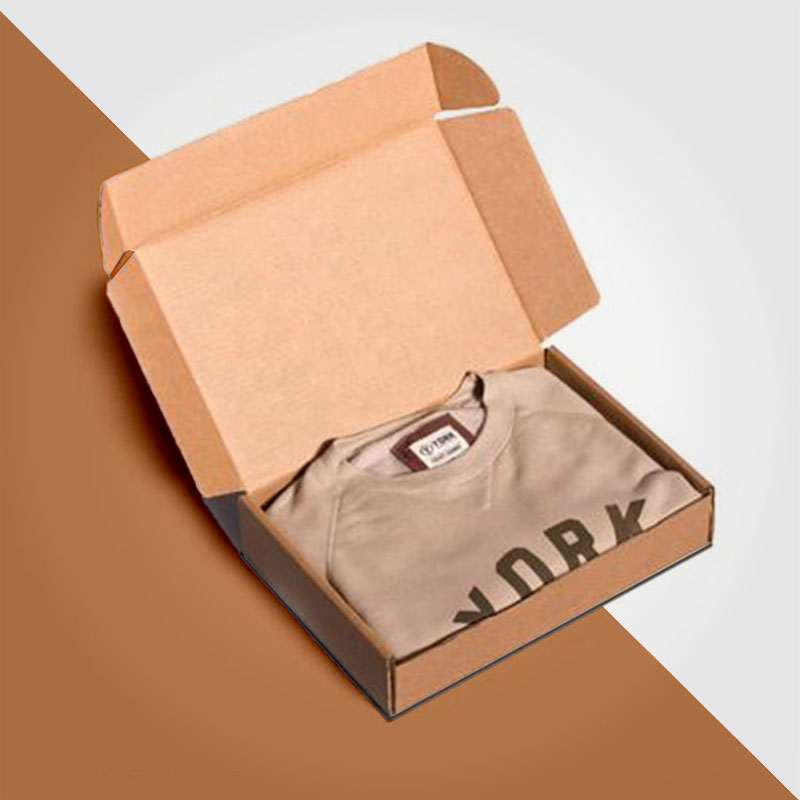
A scarf box is often kept as a drawer box for the scarf, which changes the print brief: the box should look right on a shelf at home, which means restraint on the outside and a printed or lined interior that is pleasant every time it opens. A single color with a foil or blind-embossed logo is the silk-house convention. For a wool line, kraft with a one-color print reads as the fiber it holds. The shallow-box construction is shared with our boutique boxes for folded apparel; the scarf box is the longer, flatter version of it.
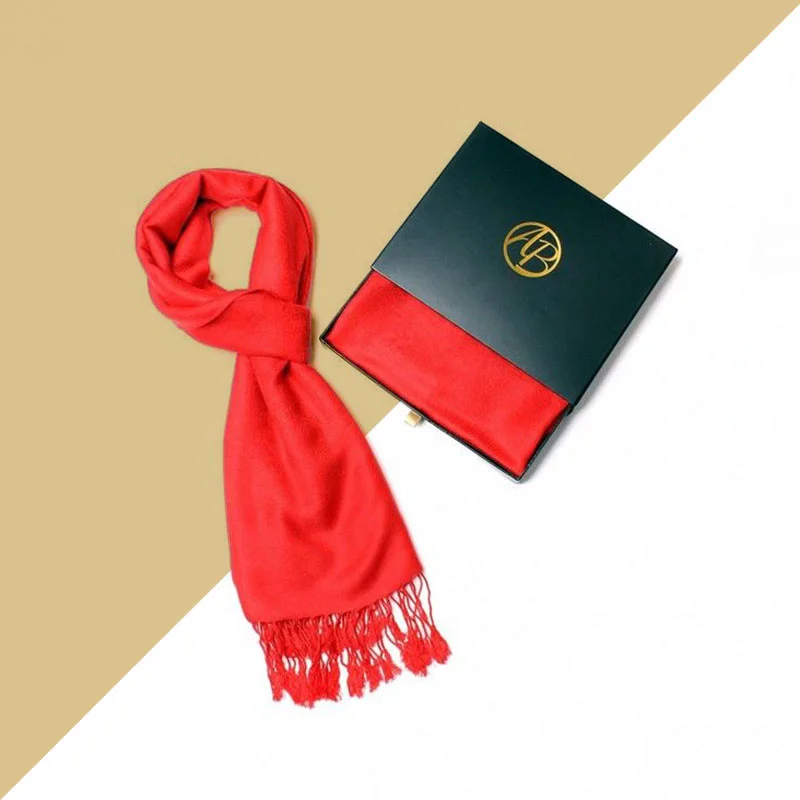
Scarf Boxes — specification
The rows that are specific to this build first, then what applies to every job we run. Anything not listed is a question, not a limit — send the brief.
This build
- Board
- 18–24 pt coated SBS with turned edges; wrapped chipboard for rigid
- Sizes
- Silk flat 8 × 8 × 1 or 12 × 4 × 1.5 in; wool rolled 6 × 6 × 4 in; folded 12 × 8 × 3 in
- Interior
- Coated or wrapped inner face, folded edges, tissue between folds
- Lids
- Lift-off, ribbon-tied, magnetic flap, drawer for a rolled scarf
- Single color with foil or blind emboss; kraft one-color for wool
- Minimum
- 100 boxes
On every job
- Print process
- Digital below about a thousand, offset above it. One side or both, with spot colors where a match has to hold.
- Color
- CMYK as standard. Uncoated and kraft stocks print lighter and warmer; a spot color is the only exact match.
- Tolerance
- Cutting plus or minus 1 mm, creasing plus or minus 0.5 mm, confirmed on a plain sample before the run.
- Tooling
- A cutting die per size, made once and kept. Foil and emboss dies per artwork, also kept.
- Food contact
- Food-grade board and inks where the carton touches food, with the interior left plain.
- Sustainability
- Mono-material board wherever the product allows; recycled-content and FSC stocks; no claim printed the pack does not earn.
- Artwork
- Vector PDF or AI, 3 mm bleed, 4 mm safe area, fonts outlined. We check every file and send a proof before press.
- Dieline
- Supplied free with the quote, before you commit. Yours whether or not you order.
- Sample
- A plain unprinted sample at the finished size on request, for fit and construction.
- Reorders
- Skip the tooling and go straight to press at a lower unit price.
- Lead time
- Quoted with the price against your fill date rather than promised before we have seen the spec.
- Markets
- United States, United Kingdom, Canada, Australia — priced in the delivery currency, freight included.
Boards and films we build scarf boxes on
A folding carton is one sheet of board, so the board is the product. These are the stocks we run for cartons, what each is good at, and where it lets you down.
Natural kraft
Unbleached folding board. Warm, hides marks, costs least. Mutes color — one or two flat colors print well, photographs do not.
250–350gsm sleeves; 14–24pt cartonsWhite SBS
Solid bleached sulfate: bright, coated, the retail carton standard. Takes accurate color and every finish. Shows scuffs sooner than kraft.
14–24ptWhite lined chipboard
A recycled gray core under a white printing face. Cheaper than SBS and slightly duller; the back of the sheet stays gray.
16–24ptKraft-look coated
A kraft face over a coated inner. The natural look with a barrier behind it — the answer where oil, grease or moisture would mark plain kraft.
14–20ptRecycled-content board
Post-consumer fiber with a gray-brown cast. Right for outers and inner components; poor for bright whites and photography.
16–22ptMicro-flute E and F
A fine corrugated layer where a carton needs structure it cannot get from board — a large panel, a heavy product, a box that ships alone.
E 1.5 mm; F 0.8 mmUncoated and textured
No clay coat, or a linen or laid grain. Print reads softer and warmer; a deboss goes deeper. Photographs do not sit well on it.
280–350gsmMetallised and pearlescent
A metallic or pearl face for a shelf that needs to catch light. Costly, and it fights a photograph — a mark or a pattern suits it better.
16–20ptNot sure which? Say what goes in it and where it is sold — the material follows from that. Our notes on recycled, recyclable and compostable cover which claims each stock can honestly carry.
- 01
Send what you have
A dimension, a photograph beside a ruler, or the product itself. No technical drawing needed — that part is ours.
- 02
We quote and draw
A price, a dieline and a date come back together. If a different build would suit the product better, that is in the reply too.
- 03
Approve the dieline
The flat drawing is yours to check: which panel is the front, where the folds fall, how deep the cavity really is.
- 04
Artwork on the dieline
You place your design on the flat we sent, or we place it for you, and you see a proof before anything goes to press.
- 05
A sample if you want one
A plain unprinted sample at the finished size shows fit and construction — the things a drawing cannot.
- 06
Cut, printed, shipped
The die is cut once and kept, so every reorder skips the tooling and goes straight to press at a lower unit price.
Format
Vector PDF or AI where possible. Raster artwork at 300dpi at final size, in CMYK.
Bleed
3 mm past every trim line, so a fraction of drift on the cutter never leaves a white edge.
Safe area
Keep type and anything important 4 mm inside the cut and away from every fold.
Color
Convert to CMYK before sending. Uncoated stock prints lighter; a spot color is the only exact match.
Fonts
Outline them or supply the files. A missing font substitutes silently and the proof will not match.
Barcodes
On a light, matte, unvarnished patch with the quiet zone clear — a code on gloss fails the scanner.
Not set up that way? Send it anyway — fixing a file is a short conversation, and we check every one before press. Our guide to preparing print files covers each point.
Every finish here is a decision about light on a shelf, not about luxury.
Matte lamination
Reads considered, hides marks, takes a ballpoint.
Gloss lamination
Lifts color; glares under shop lighting.
Soft-touch
Velvet in the hand; shows fingerprints in a bag.
Hot foil
Real metal leaf — the most reliable premium signal.
Emboss / deboss
Shape with no ink; works in the dark.
Spot UV
Gloss shapes on a matte field.
Uncoated kraft
Warm, natural, mutes color.
Textured stock
Texture in the paper; cannot scuff off.
Not sure which suits the shelf it sells from? Say where the product is sold and we suggest one — our notes on specialty finishes show them on real boxes.
Sizing a folding carton so the die comes out right: scarf boxes
Measure the product, not the box it is in now. A carton is built around what has to fit inside it, assembled — cap on, lid fitted, folded if it folds — at its widest point in each direction. Send those three numbers and say which is which.
- Length x width x height
- Internal, always. External dimensions include the board and are what the carrier measures, not what the product needs.
- Clearance
- 2–3 mm a side for a snug fit; more where an insert or void fill goes in. A carton cut exactly to the product is slow to pack and transmits every knock.
- Board thickness
- Heavier board takes internal space from the product. It matters most on small boxes, where four walls of 24pt is a real share of the cavity.
- Varies between batches?
- Glass, textiles, molded parts and cured soap all do. Measure several and build to the largest.
- Cutting tolerance
- Plus or minus 1 mm on folding board. Confirmed on a plain sample before the run.
- Units
- Metric or imperial, as long as you say which. Mixing them in one spec is where mistakes happen.
Not sure your numbers are right? Send the product dimensions rather than the box dimensions and we work the box out — the full method is in our guide to measuring for a box.
Interactive · five steps · no sign-up
Build your Scarf Boxes in 3D
Pick a shape, type a size, choose a board and a finish. The preview on the left redraws as you go, and the spec lands with us exactly as you set it.
Frequently asked questions
Got a question about scarf boxes? The answers below cover what we get asked most. If yours is not here, send it with a brief, message us on WhatsApp, or call +1 503-461-4788 — we reply the same working day.
Flat box or square box?
Flat for silk folded, square for wool rolled. Silk creases if rolled tight; wool loses its loft if folded into a shallow box.
Will the box mark the silk?
No. The inside faces are coated or wrapped, the edges are folded rather than cut, and a tissue liner sits between the board and the scarf.
What size for a folded silk square?
About 8 × 8 × 1 in for a 35 in square folded to eight layers, sized a quarter inch over the stack. Send us your fold and we confirm.
Can the scarf be rolled?
Yes, in a square box the height of the coil, standing on end so the pattern shows on the outside of the roll. A drawer box slides it out as a coil.
Do you supply the tissue?
Yes, cut to the box and to the fold, in a brand color or plain. Silk needs a layer between each fold.
Ribbon or magnet?
Ribbon on a two-piece box for the gift reveal; a magnetic flap on a rigid box for a cashmere set that is opened often.
Can I print inside?
Yes, and for a box that is kept it matters — a lined or printed interior is seen every time it opens.
Does it ship flat?
The carton version does. Rigid boxes ship assembled.
Can I ship it on its own?
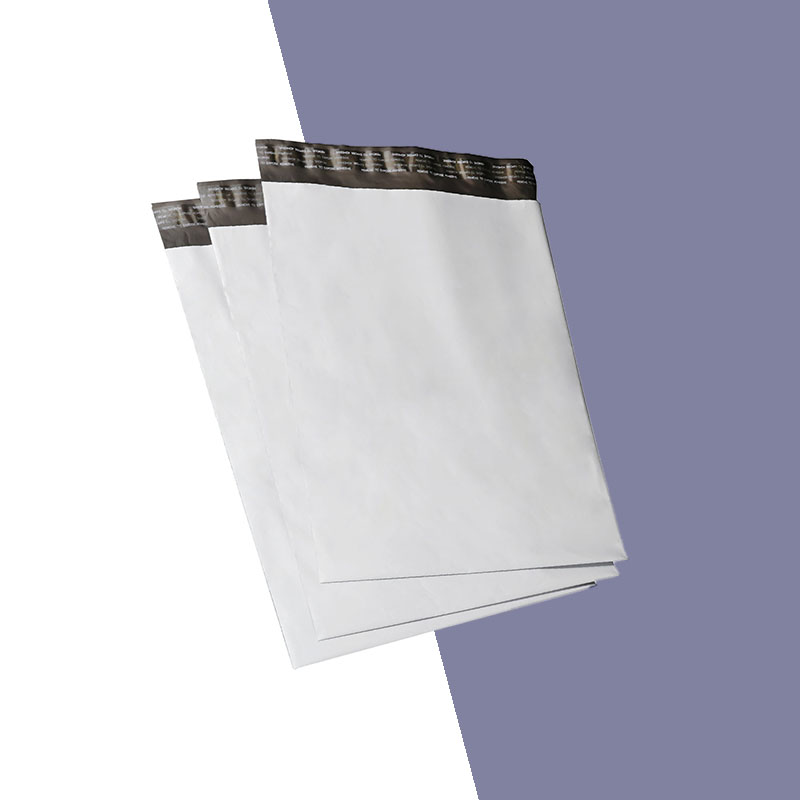
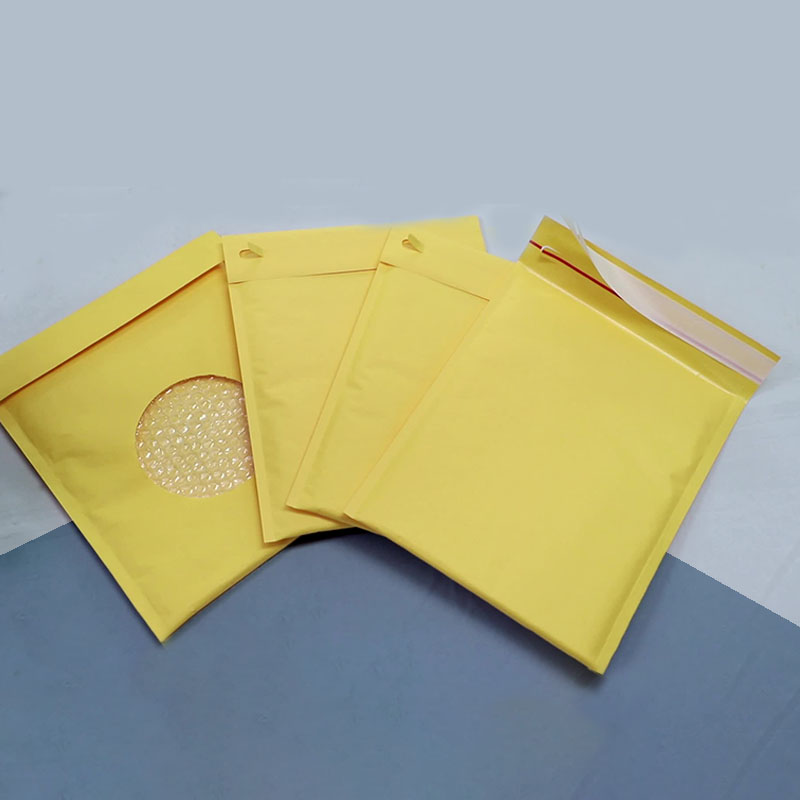
Inside a mailer, yes. The scarf box is presentation; a rigid mailer or a padded envelope takes the courier.
What is the minimum order?
100 boxes per size. Flat cartons run many-up on a sheet.
How long does production take?
It depends on the build and the finish. We give a date with the quote rather than a number before we have seen the spec.
Will you send a sample?
A white sample in your size, so you can fold or roll a scarf into it and check for creases before print.
Same range