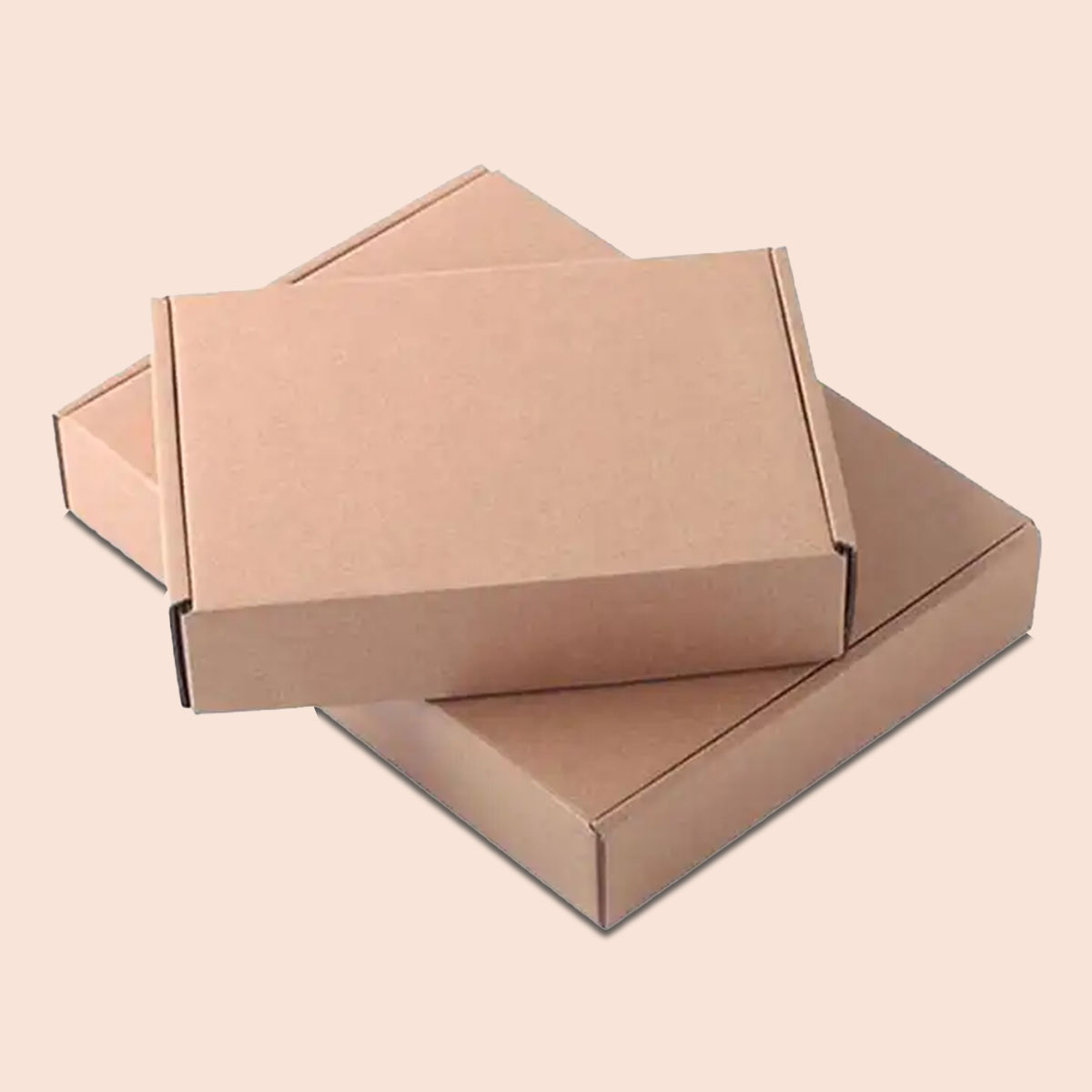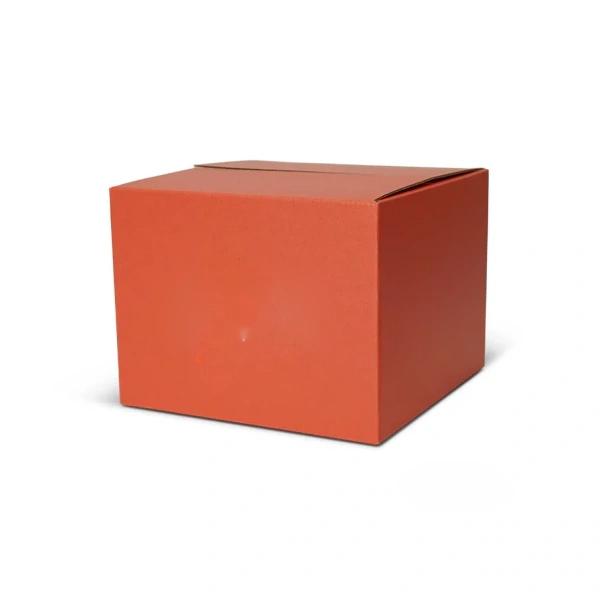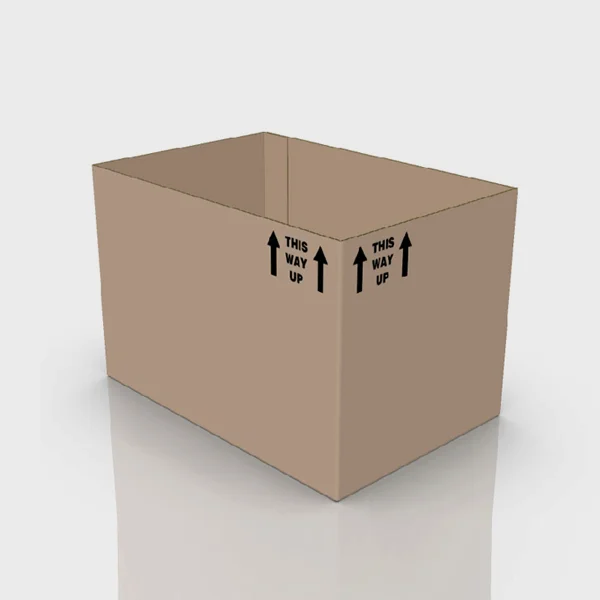
Custom Small Cardboard Boxes
Custom small cardboard boxes sized to the product, not rounded up to a stock size, from 100. Under 150 mm a side the board choice and the clearance decide everything, so we send a dieline and a price the same working day and a plain sample if you want to see the fit.
Small boxes are where a millimeter is a percentage
- Board
- E flute or F micro-flute corrugated; 16–20pt folding boxboard for cartons
- Builds
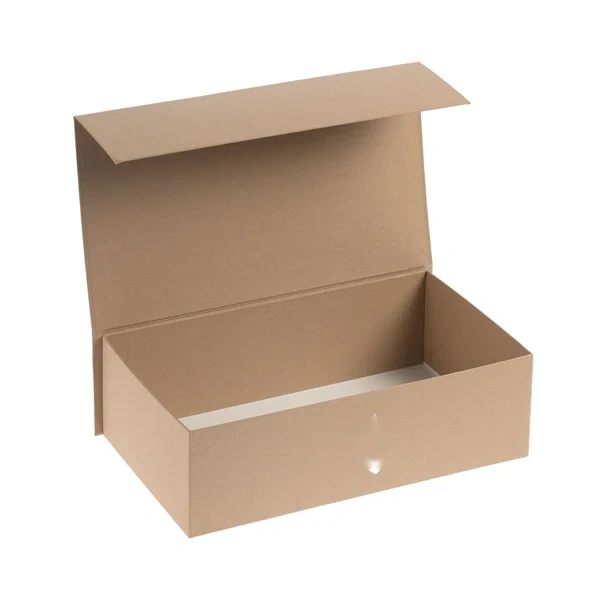
- Self-locking mailer, tuck end carton, tray and sleeve
- Sizing
- Typically 50–150 mm a side; cut to internal dimensions plus clearance
Get a price for Small Cardboard Boxes
Send the size and quantity — we reply the same working day with a price, a dieline and a date. Artwork optional at this stage.
- Free dielineThe flat drawing comes with the quote, before you commit.
- Proof before pressNothing is printed until you have seen it laid on the dieline.
- Die kept for reordersTooling is paid once. Every reorder skips straight to press.
- Quoted in four marketsUS, UK, Canada and Australia, in the delivery currency.


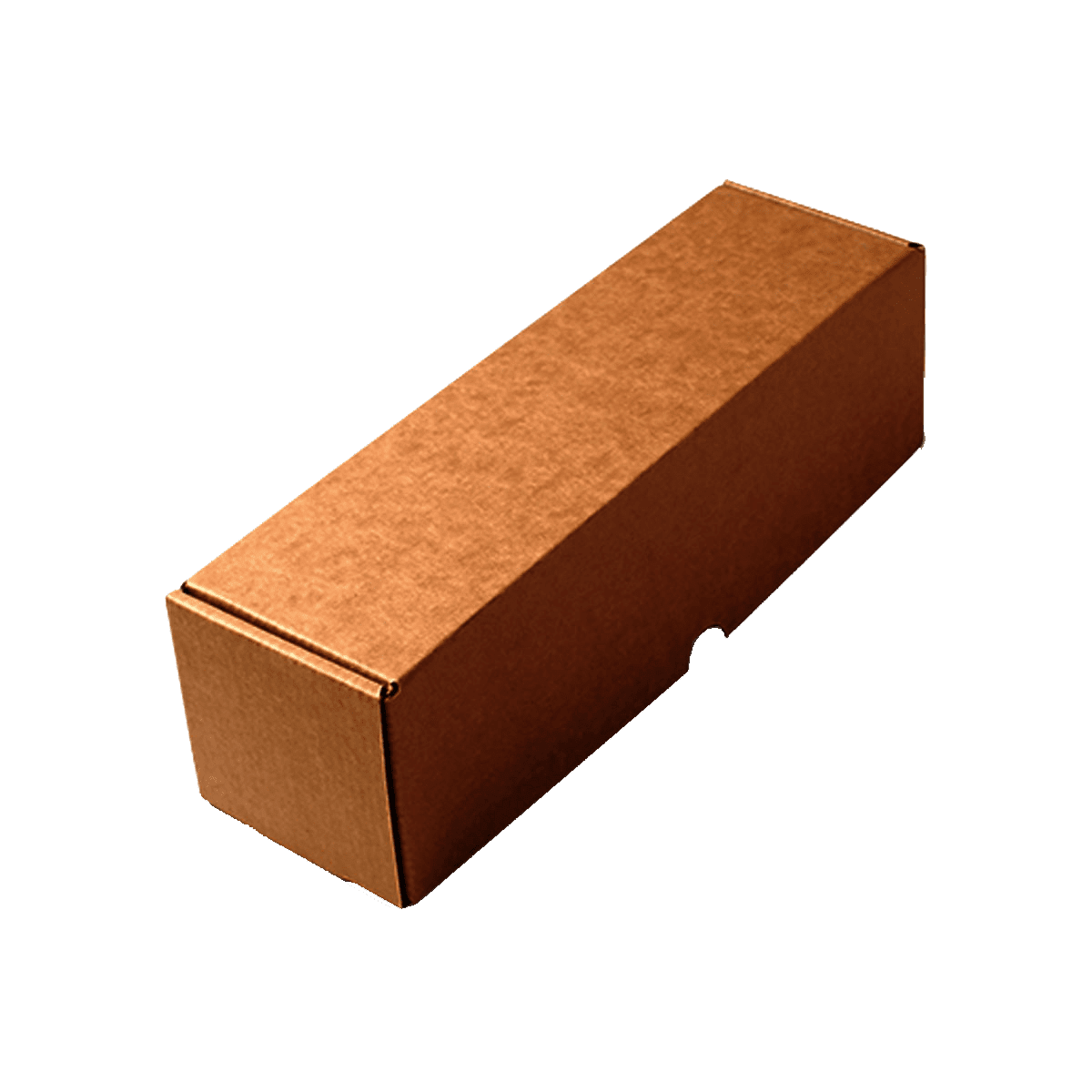
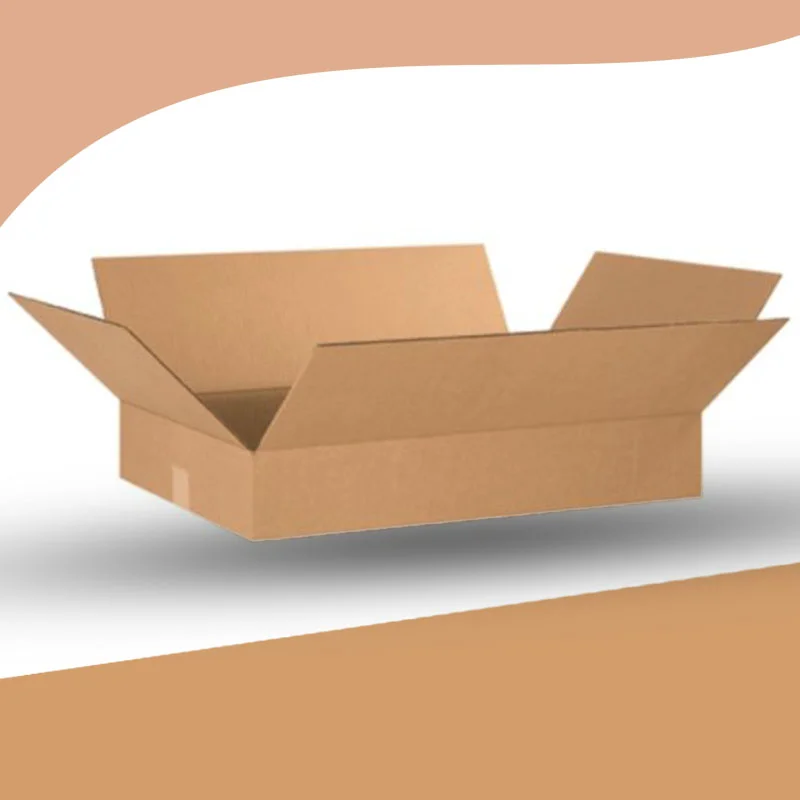
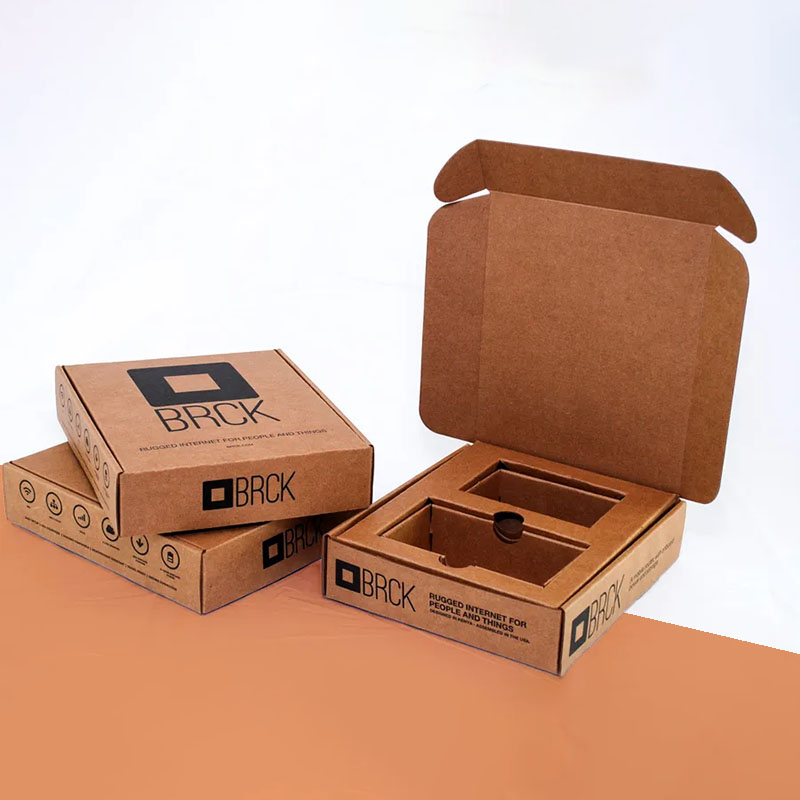
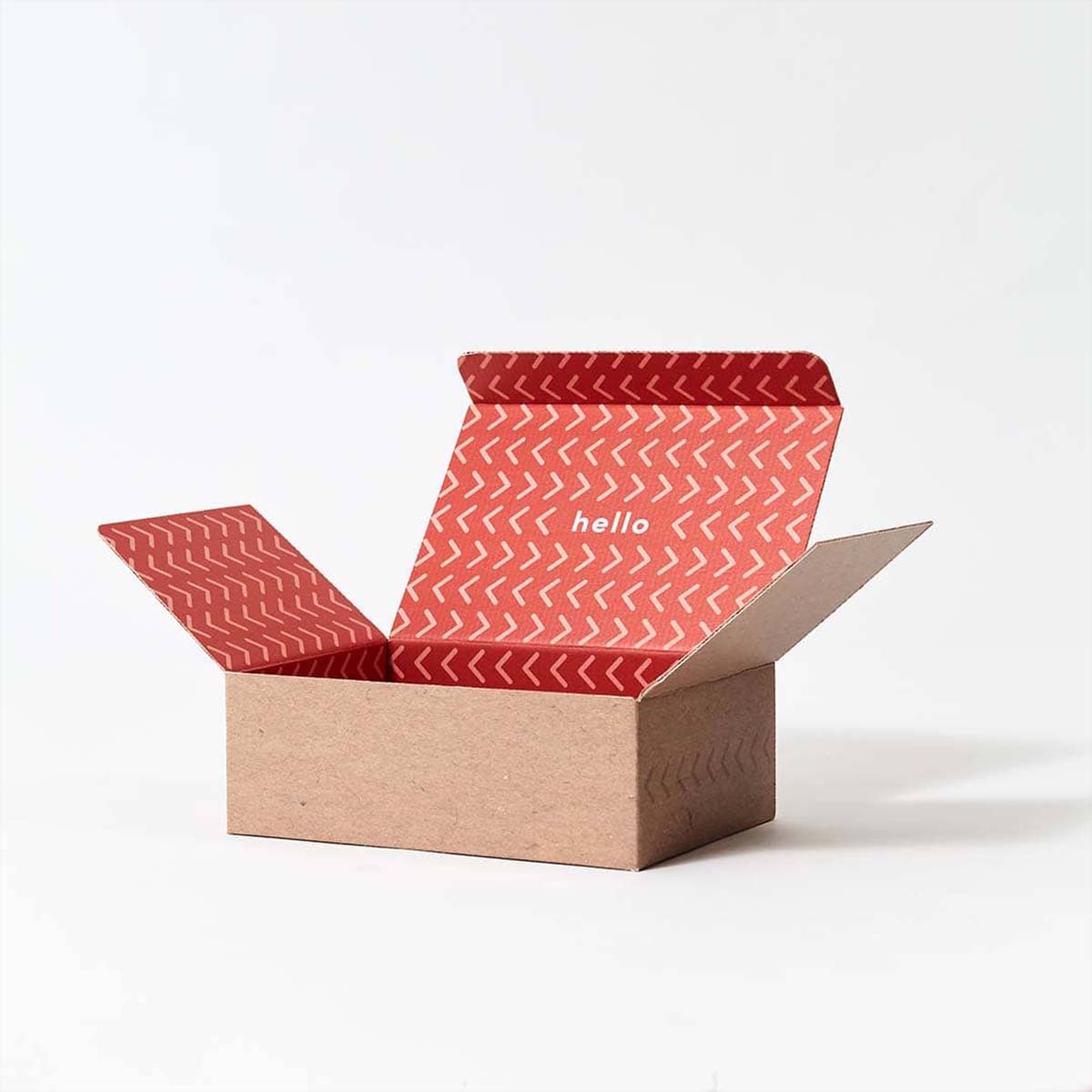
Pick the thinnest board that survives the journey
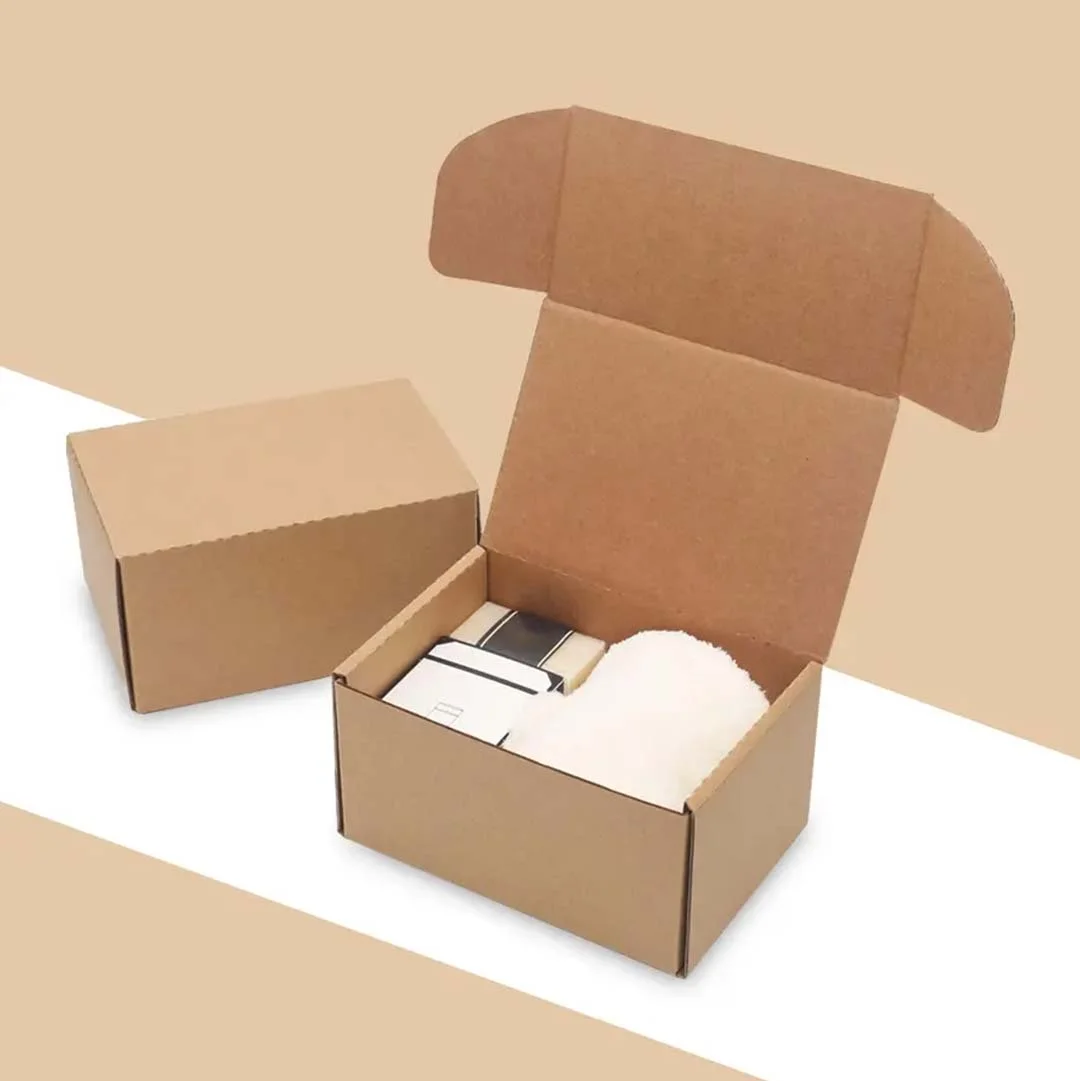
Heavy corrugated on a small box is wasted. The contents are light, the box is stiff by geometry, and a thick flute makes the corners look clumsy and steals internal room. E flute at about 1.5 mm is the usual answer for a small mailer, with folding boxboard at 16–20pt for a box that never travels alone. Micro-flute (F) sits between the two where a small box has to carry something dense — a jar, a tool, a coin set.
At the sizes where a stock shipper starts making sense again, a corrugated box cut to your dimensions is the cheaper build.
Clearance, and the trap of a snug fit
A small box cut exactly to the product cannot be packed by hand at any speed and transmits every knock straight to the contents. The clearances above are starting points; a plain sample settles it in one try.
| Rigid contents (jar, tin, device) | 1.5–2 mm a side; the box holds it still |
|---|---|
| Soft contents (textile, sachet) | 3–5 mm; the product compresses into the box |
| Contents in a bag or wrap | Measure the wrapped item, not the product |
Mailer, tuck end, or a sleeve over a tray
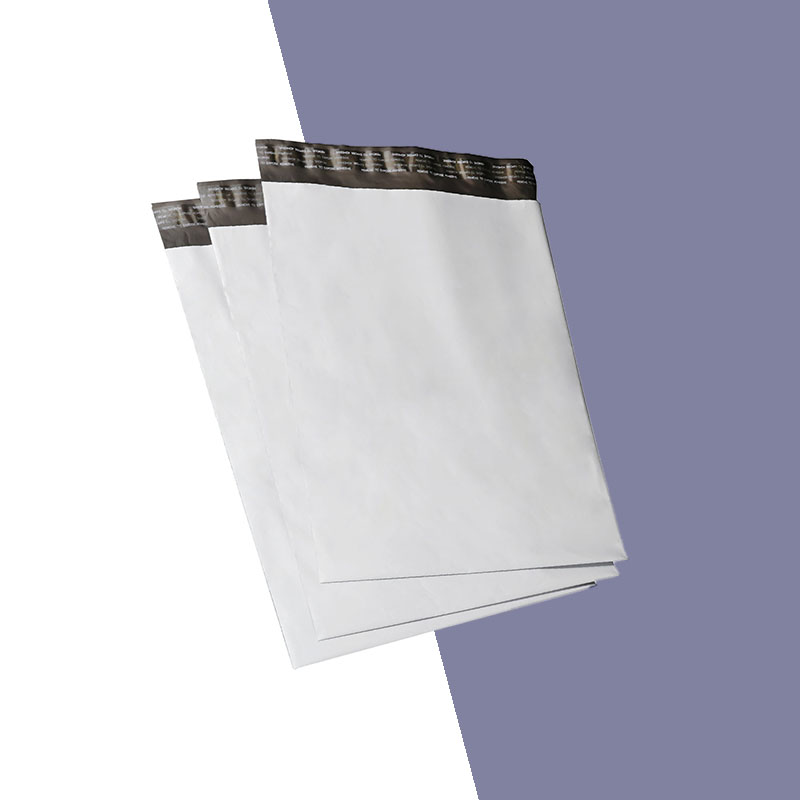
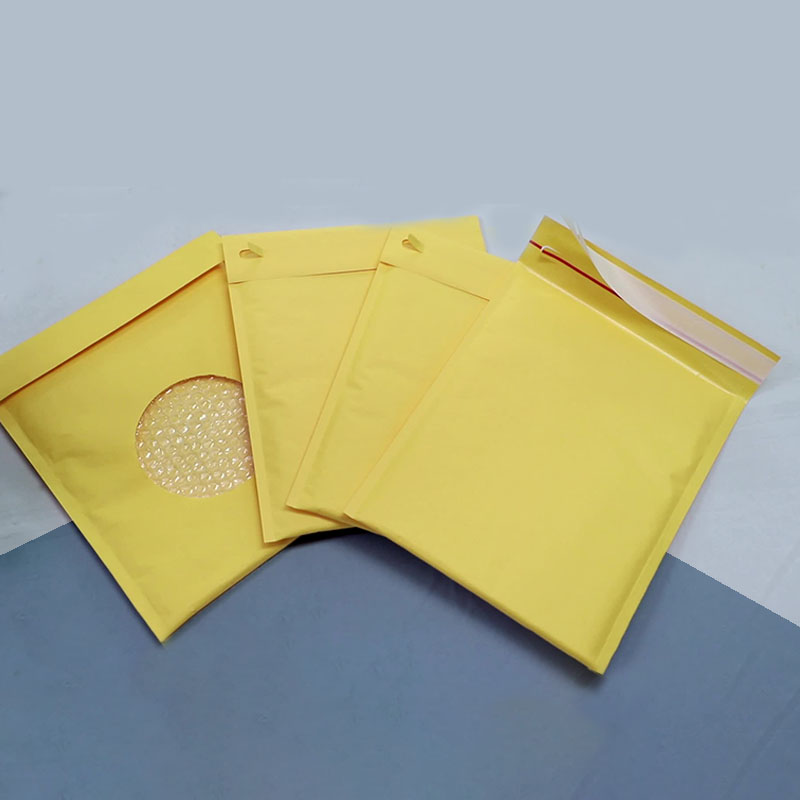
If the box goes inside a larger shipper, the tuck carton. If the box is the shipper, the mailer. Our mailer boxes built for shipping cover the larger sizes of the same construction.
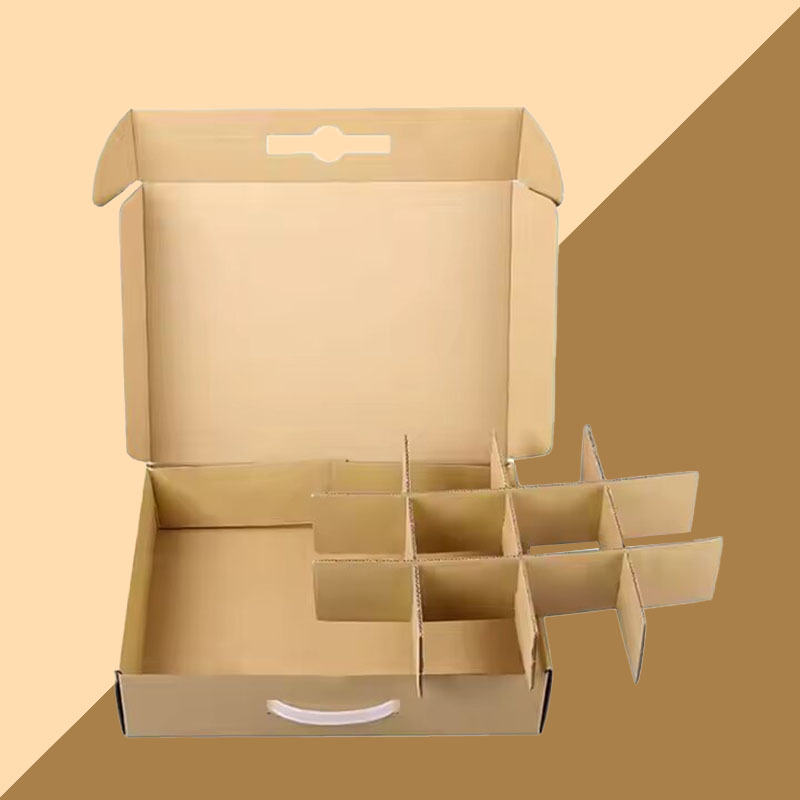
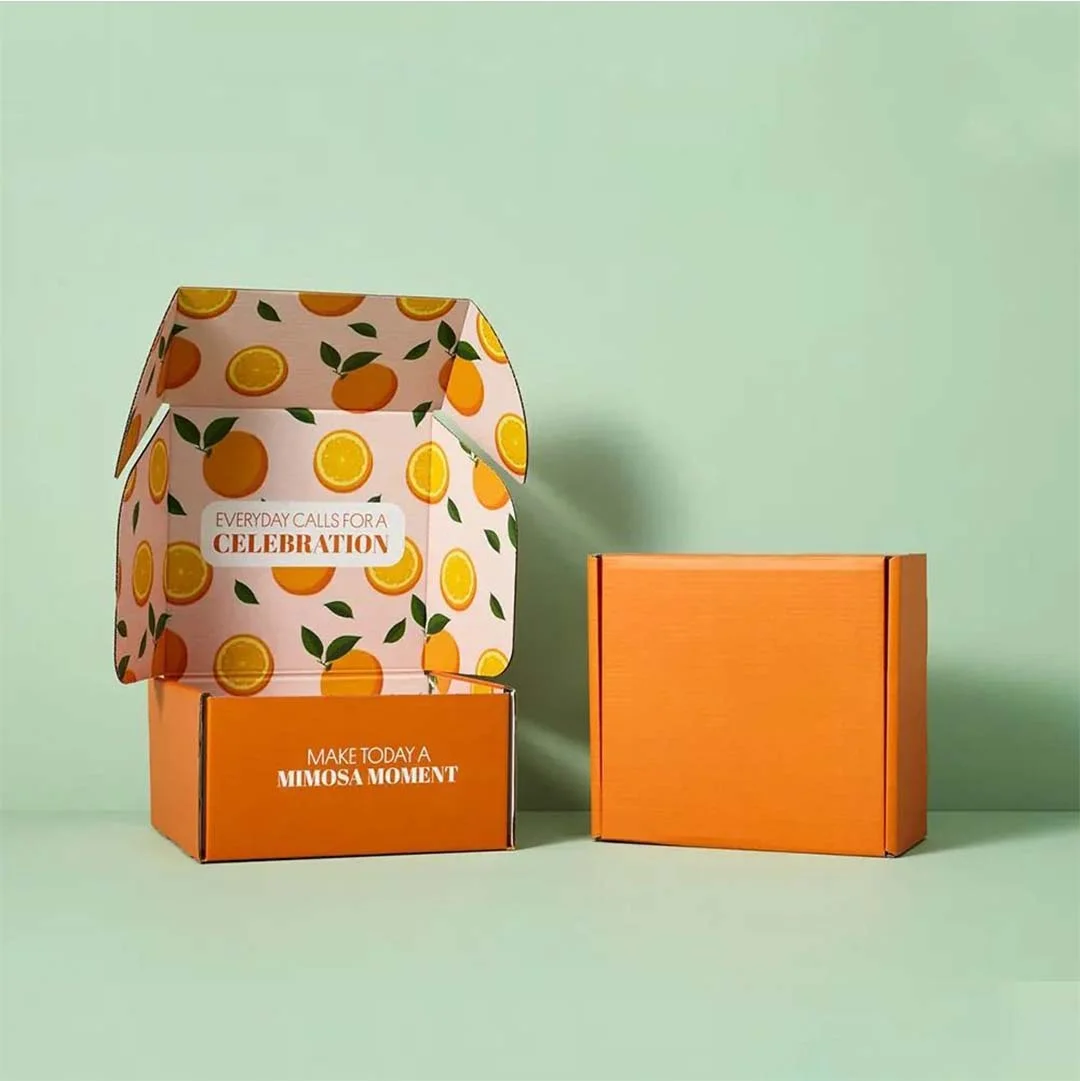
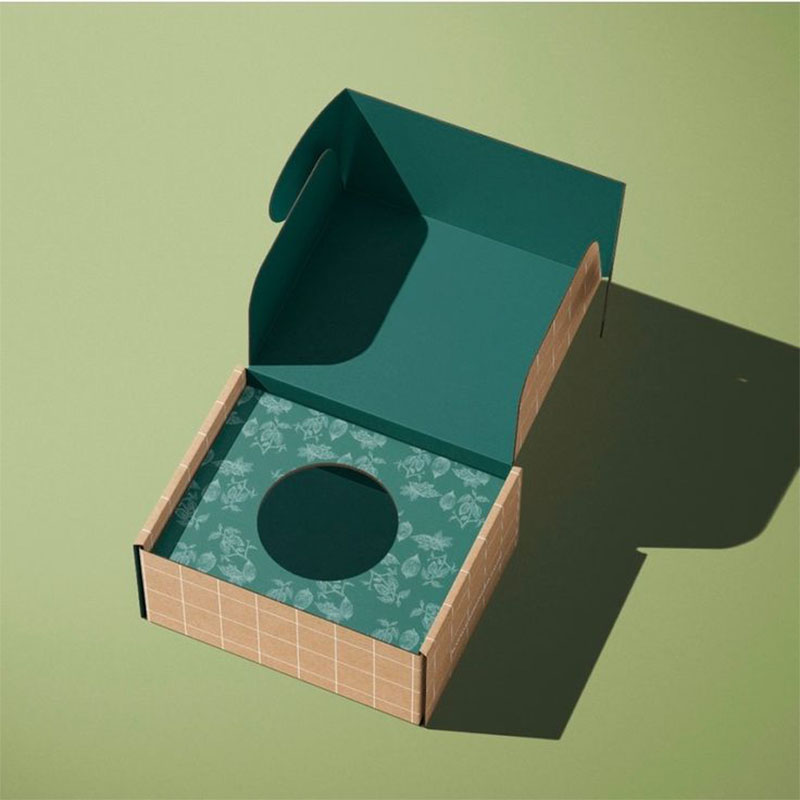
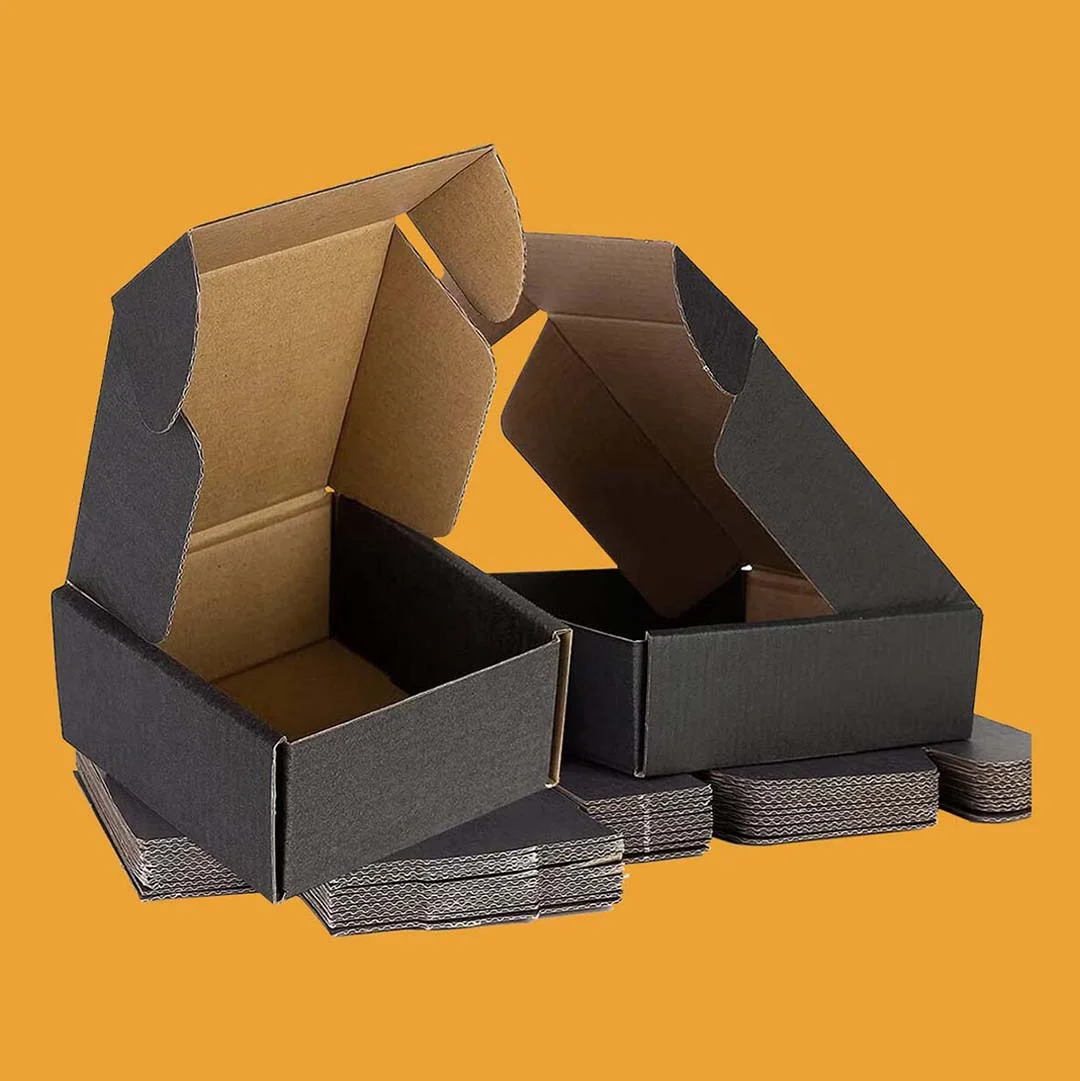
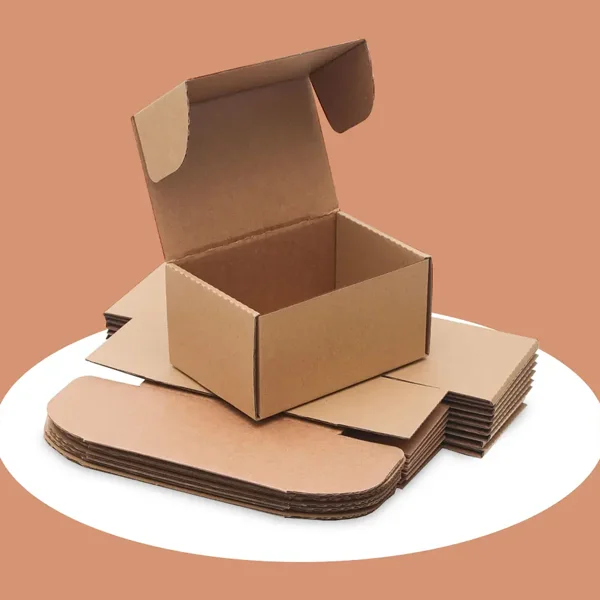
- Small E-flute mailer — self-locking, no tape, arrives looking like a gift. The e-commerce default.
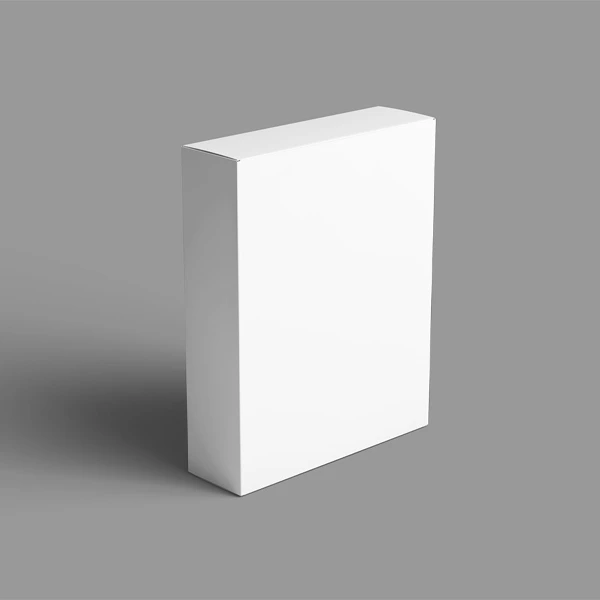
- Tuck end carton — folding boxboard, glued, the cheapest per unit and the fastest to fill.
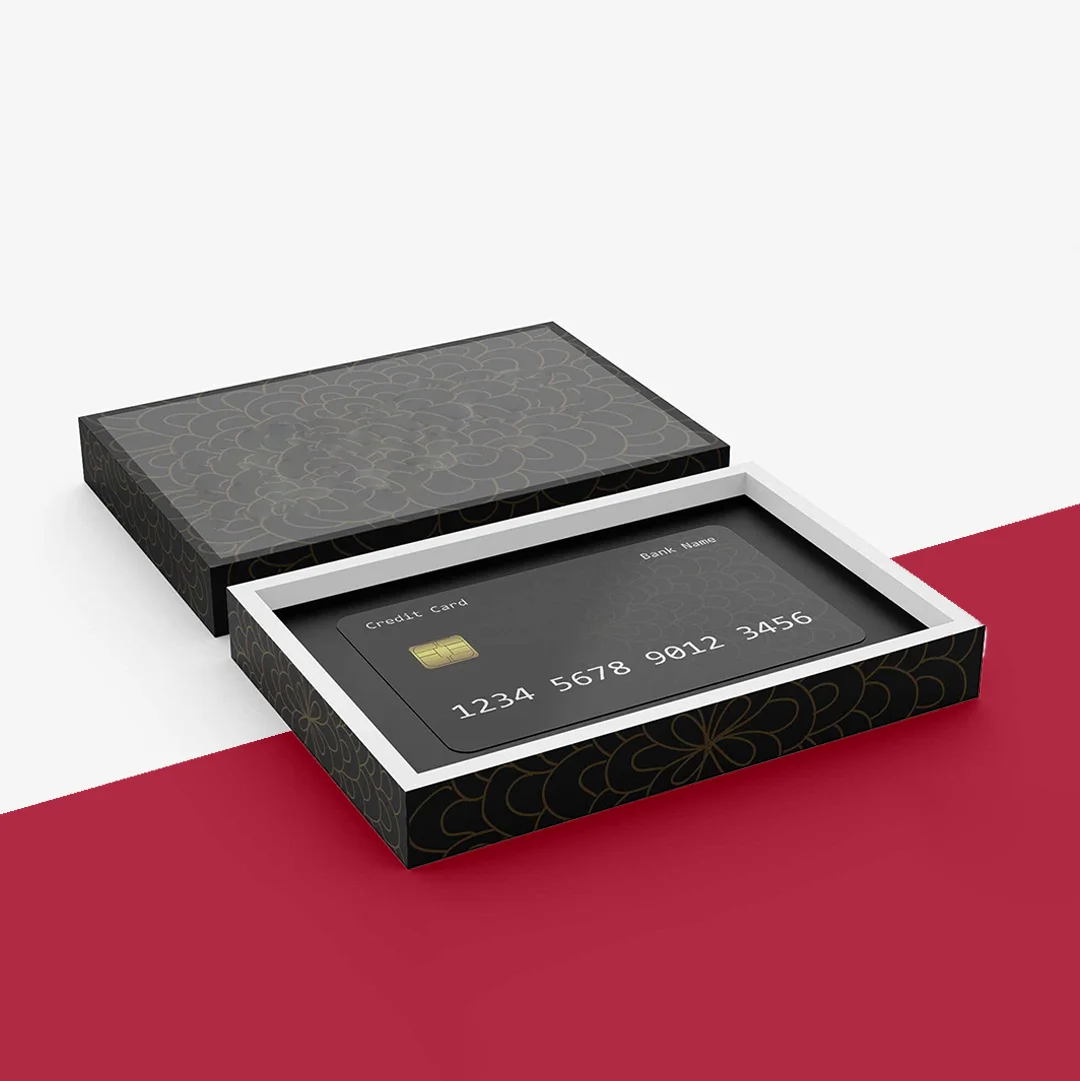
- Tray and sleeve — two pieces, more presentation, and a sleeve carries print better than a fluted wall.
Print reads differently at this scale
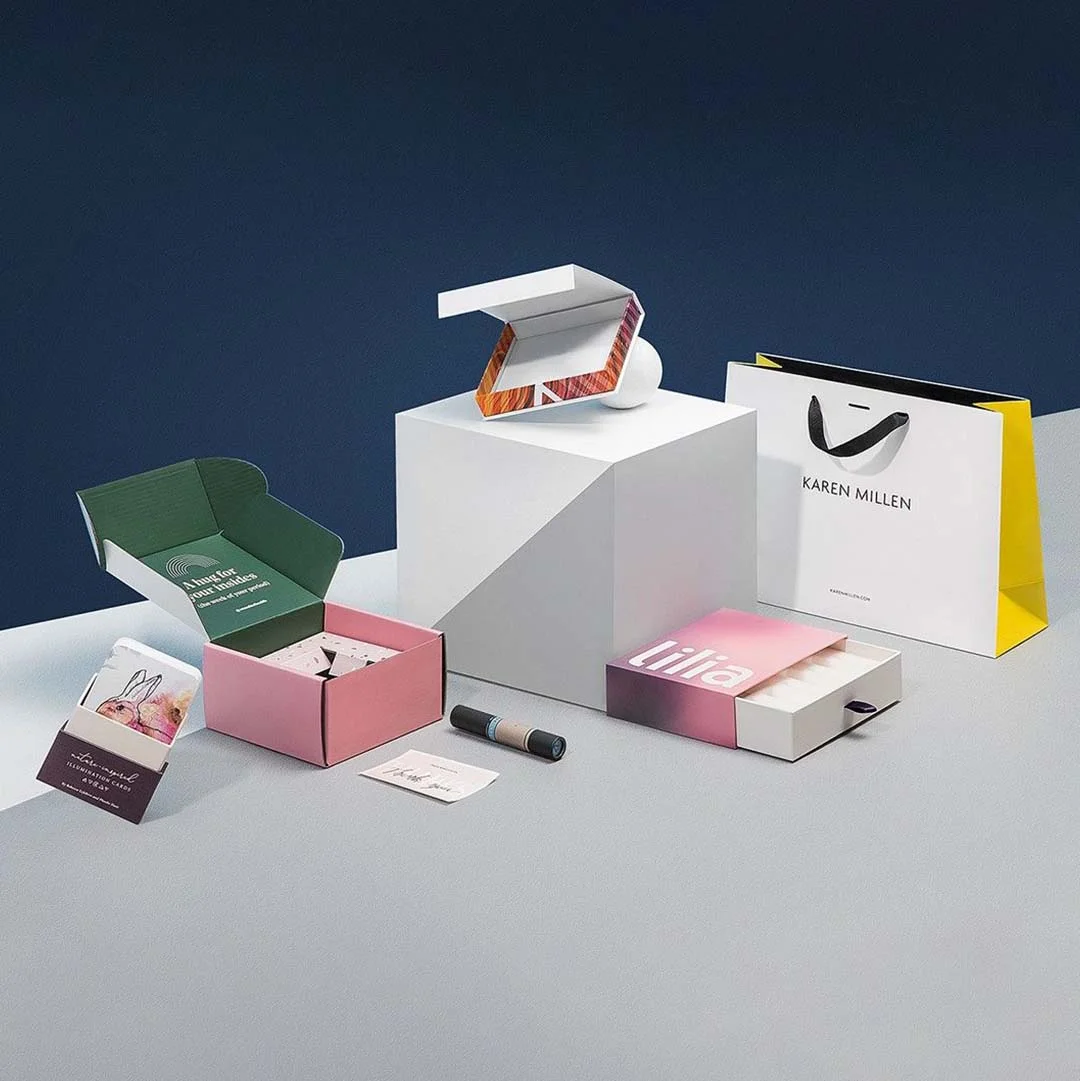
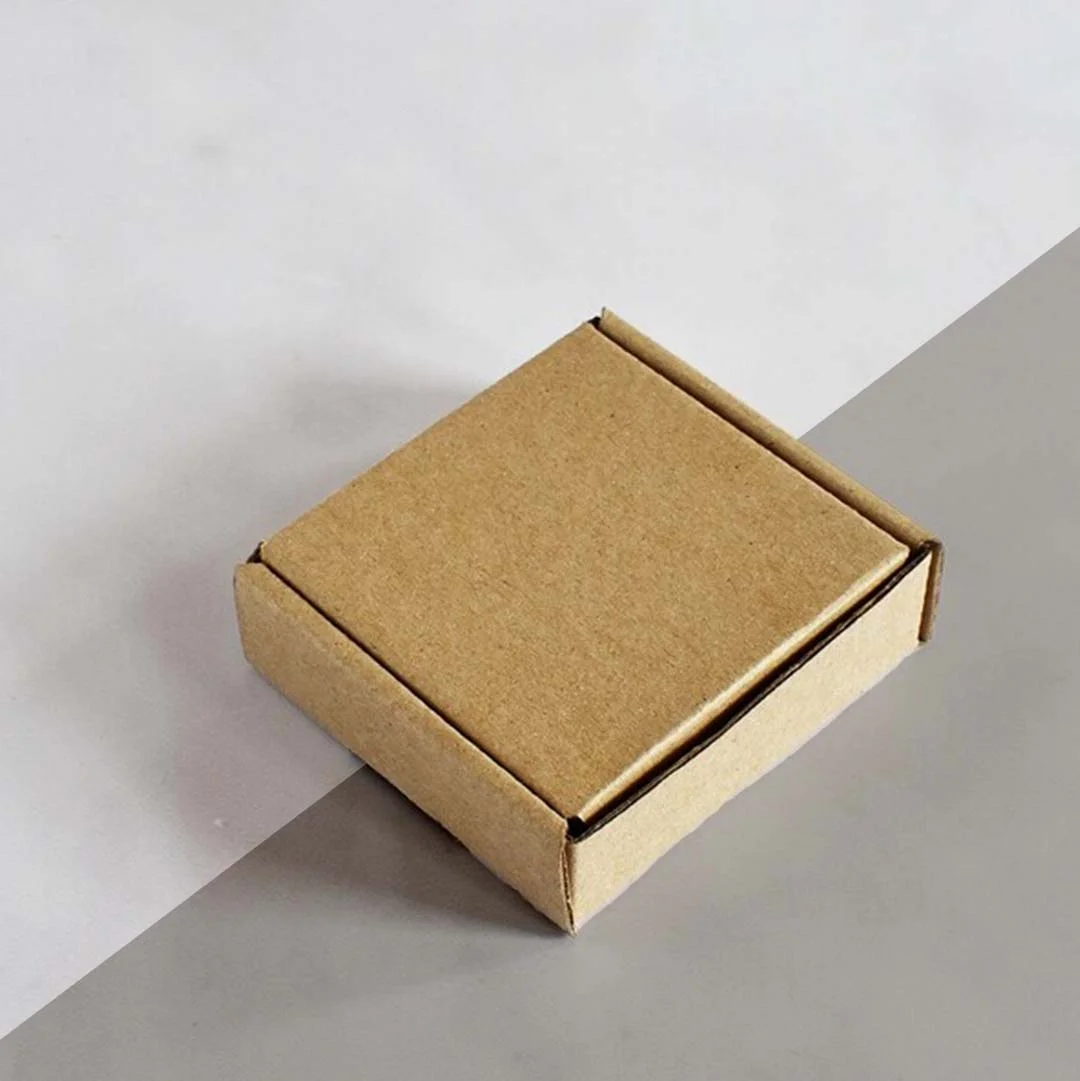
Small panels cannot carry a busy layout — a logo, a color and one line of text is all a 90 mm face will hold legibly. What small boxes reward is the inside print and the finish: an inside pattern on a mailer, a foil logo on a tuck carton. Both are cheap here because the area is small, and both are what gets photographed.
Barcodes on small boxes need a clear quiet zone. Leave more room around the code than feels necessary; a cramped code on a curved corner is the usual scan failure.
Shipping small boxes without getting crushed
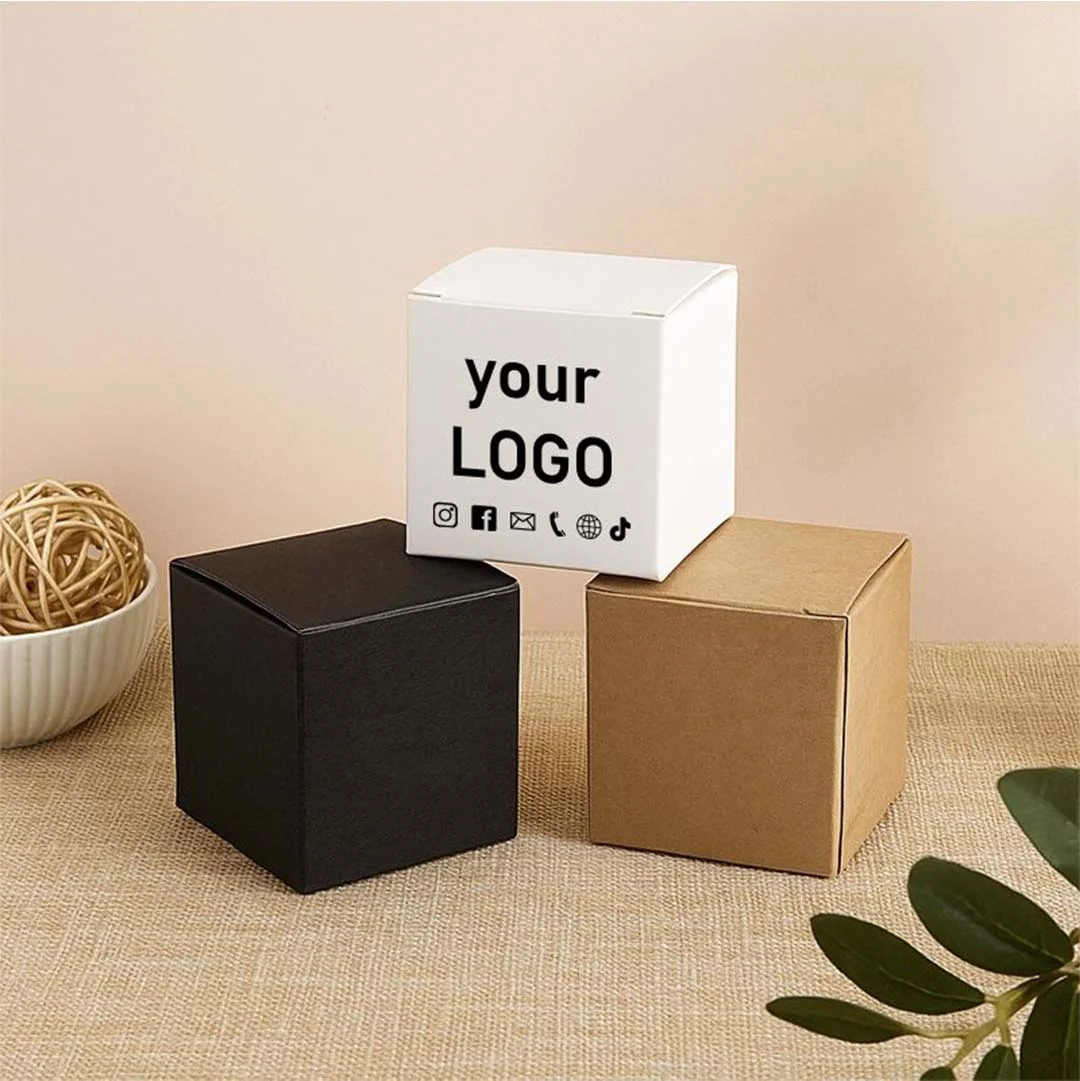
A small box traveling alone in the post takes the same handling as a large one with less board to absorb it. E flute holds up well; boxboard alone does not, and should go inside a padded mailer or a shipper. If a hundred of them ship to you in one carton, they arrive flat and bundled, and you fold them as you pack.
Small Cardboard Boxes — specification
The rows that are specific to this build first, then what applies to every job we run. Anything not listed is a question, not a limit — send the brief.
This build
- Board
- E flute or F micro-flute corrugated; 16–20pt folding boxboard for cartons
- Builds
- Self-locking mailer, tuck end carton, tray and sleeve
- Sizing
- Typically 50–150 mm a side; cut to internal dimensions plus clearance
- One color to full color; inside print on mailers
- Finishes
- Foil, spot UV and matte lamination on boxboard cartons
- Supply
- Flat, bundled in cartons of 100 or more
- Minimum
- 100 boxes
On every job
- Print process
- Flexo in one to four colors straight onto the liner; litho-lamination where the box needs full color or a photograph.
- Color
- Flat colors on kraft. Full color needs a white top liner or a laminated sheet, because brown shifts every color warm.
- Tolerance
- Cutting plus or minus 1.5 mm. The flute compresses, so corrugated runs wider than folding board.
- Tooling
- No die on a regular slotted box, which is cut on a slotter. Die-cut mailers and trays need one, made once and kept.
- Food contact
- Food-grade liners and a vented build where the box carries hot food.
- Sustainability
- High recycled content through liners and flute as standard, and the box recycles whole if it is sealed with paper tape.
- Artwork
- Vector PDF or AI, 3 mm bleed, 4 mm safe area, fonts outlined. We check every file and send a proof before press.
- Dieline
- Supplied free with the quote, before you commit. Yours whether or not you order.
- Sample
- A plain unprinted sample at the finished size on request, for fit and construction.
- Reorders
- Skip the tooling and go straight to press at a lower unit price.
- Lead time
- Quoted with the price against your fill date rather than promised before we have seen the spec.
- Markets
- United States, United Kingdom, Canada, Australia — priced in the delivery currency, freight included.
Boards and films we build small cardboard boxes on
Corrugated is a fluted sheet glued between two liners, and the flute decides nearly everything: how it prints, how it dents, how high it stacks. These are the grades we run.
E flute
About 1.5 mm. Prints well and folds crisply; dents under a stack. Retail boxes, mailers and light shippers.
1.5 mm, single wallB flute
About 3 mm. The working default for parcels — takes print reasonably and stacks reasonably. Most shipping boxes are B.
3 mm, single wallC flute
About 4 mm. More cushioning than B, slightly less stacking strength per weight. Common on grocery and produce cases.
4 mm, single wallBC double wall
B and C glued together, about 7 mm. Heavy or fragile goods, pallet stacking, anything over roughly 15 kg.
7 mm, double wallKraft liner
Brown, strong, absorbent. One or two flat colors flexo print well on it; photographs drink into the brown and go muddy.
Outer and inner linerWhite top liner
A bleached outer liner for full-color print on corrugated. Costs more and marks more easily than kraft.
Outer liner onlyRecycled-content corrugated
High post-consumer fiber through liners and flute. The default for shippers; a slightly greyer brown and no loss of strength at grade.
All flutesCoated and water-resistant
A coating or a wax-free barrier liner for damp stores and cold chains. Check the recycling stream before printing a claim on it.
B and C fluteNot sure which? Say what goes in it and where it is sold — the material follows from that. Our notes on recycled, recyclable and compostable cover which claims each stock can honestly carry.
- 01
Send what you have
A dimension, a photograph beside a ruler, or the product itself. No technical drawing needed — that part is ours.
- 02
We quote and draw
A price, a dieline and a date come back together. If a different build would suit the product better, that is in the reply too.
- 03
Approve the dieline
The flat drawing is yours to check: which panel is the front, where the folds fall, how deep the cavity really is.
- 04
Artwork on the dieline
You place your design on the flat we sent, or we place it for you, and you see a proof before anything goes to press.
- 05
A sample if you want one
A plain unprinted sample at the finished size shows fit and construction — the things a drawing cannot.
- 06
Cut, printed, shipped
The die is cut once and kept, so every reorder skips the tooling and goes straight to press at a lower unit price.
Format
Vector PDF or AI where possible. Raster artwork at 300dpi at final size, in CMYK.
Bleed
3 mm past every trim line, so a fraction of drift on the cutter never leaves a white edge.
Safe area
Keep type and anything important 4 mm inside the cut and away from every fold.
Color
Convert to CMYK before sending. Uncoated stock prints lighter; a spot color is the only exact match.
Fonts
Outline them or supply the files. A missing font substitutes silently and the proof will not match.
Barcodes
On a light, matte, unvarnished patch with the quiet zone clear — a code on gloss fails the scanner.
Not set up that way? Send it anyway — fixing a file is a short conversation, and we check every one before press. Our guide to preparing print files covers each point.
Corrugated takes fewer finishes than folding board, and the ones it takes it takes well.
Flexo on kraft
One or two flat colors straight onto brown. Cheap, fast, honest.
Litho-lamination
An offset sheet glued to the flute: full color and photographs on a shipper.
Aqueous varnish
Scuff resistance with no film, so the box still recycles whole.
White top print
Full color flexo on a bleached liner; brighter, and it marks more easily.
Inside print
A second pass on the inner liner — the panel a customer sees first.
Printed tape seal
The brand applied at the last moment, on paper tape that recycles with the box.
Not sure which suits the shelf it sells from? Say where the product is sold and we suggest one — our notes on specialty finishes show them on real boxes.
Sizing a corrugated box against the carrier, not the catalog: small cardboard boxes
Corrugated is cut to your internal size, so the box goes round the product rather than the product going into a stock size. That is where the money is: a box 20 mm smaller each way is often a whole postage band cheaper.
- Internal dimensions
- Length, width and depth of the space you need. Board thickness is added outside that, and the flute is thicker than people expect.
- Clearance and void fill
- 5–10 mm a side for a rigid product. Size it properly and you need no void fill at all, which is cheaper and better received.
- Stacking
- Tell us how high the boxes stack on a pallet or a shelf. Edge crush grade is specified from that, not guessed.
- Weight
- The contents weight sets the flute and the liner grade. Over about 15 kg we move to double wall.
- Score allowance
- Corrugated needs more room at the folds than boxboard. The dieline accounts for it; a box drawn from flat dimensions comes out tight.
- Cutting tolerance
- Plus or minus 1.5 mm on corrugated, wider than folding board because the flute compresses.
Not sure your numbers are right? Send the product dimensions rather than the box dimensions and we work the box out — the full method is in our guide to measuring for a box.
Interactive · five steps · no sign-up
Build your Small Cardboard Boxes in 3D
Pick a shape, type a size, choose a board and a finish. The preview on the left redraws as you go, and the spec lands with us exactly as you set it.
Frequently asked questions
Got a question about small cardboard boxes? The answers below cover what we get asked most. If yours is not here, send it with a brief, message us on WhatsApp, or call +1 503-461-4788 — we reply the same working day.
How small can you go?
Down to about 40 mm on the shortest side in E flute, and smaller still in folding boxboard. Below that, a tuck carton is the practical build.
Should a small box be corrugated or boxboard?
Corrugated E flute if the box ships on its own; boxboard if it travels inside another box or sits on a shelf. The difference is whether the box has to survive the post.
How much clearance should I leave?
About 2 mm a side for rigid items and 3–5 mm for soft ones. A box cut exactly to the product is slow to pack and passes every knock to the contents.
Can you print the inside?
Yes, and on a small mailer it is the most effective print you can buy, because the inside is what the customer sees at the moment of opening.
Is foil possible on a small box?
Yes, on boxboard cartons. Because the block is small the tooling is cheap, and a foil logo on a small carton does more than full-color print would.
What is the minimum order?
100 boxes.
Do they come assembled?
No, they ship flat and bundled. A self-locking mailer folds up in a few seconds without tape; a tuck carton is glued and pops open.
Will a small box protect a glass jar?
With the right clearance and E or F flute, yes for a short journey. For a heavy jar posted alone, add an insert or put the box inside a padded mailer.
Can I fit a barcode on it?
Yes, if you leave a generous clear area around it on a flat panel. Codes squeezed near a fold or a corner are what fail the scanner.
Can I see a sample first?
A plain sample at the finished size is available on request, and on a small box it is worth having because the fit is so tight.
Do you send a dieline?
With the quote, before anything is cut. It shows every panel at true size, which on a small box is the fastest way to see whether the artwork fits.
Do you ship outside the US?
Yes: United States, United Kingdom, Canada and Australia, quoted in the delivery currency.
Same range