Custom Stand Up Pouches
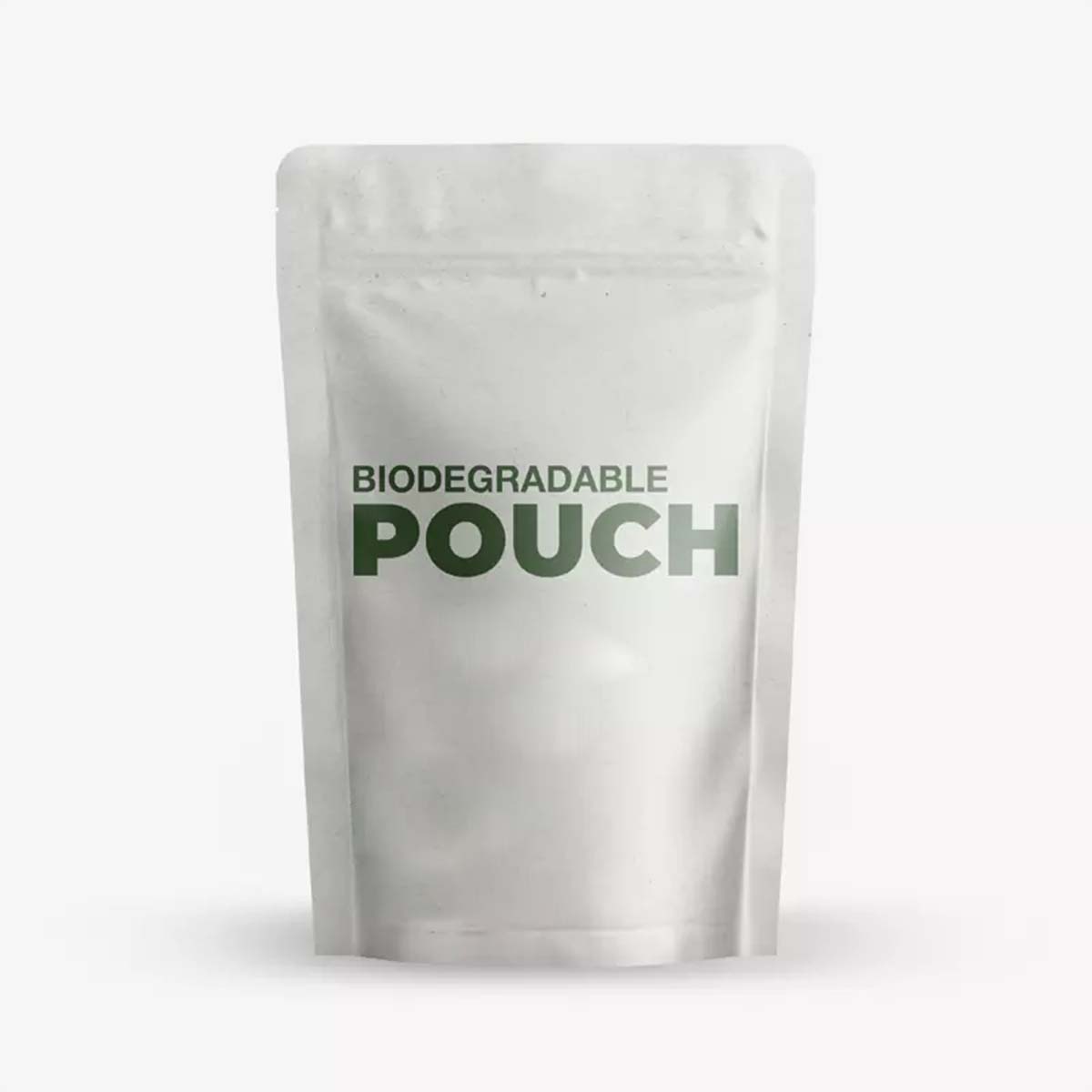
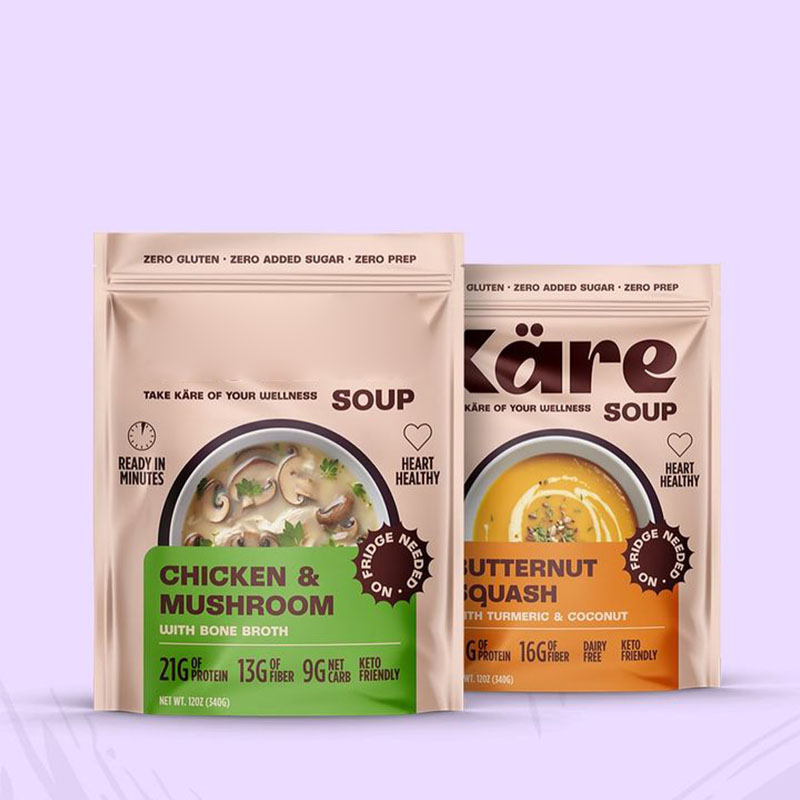
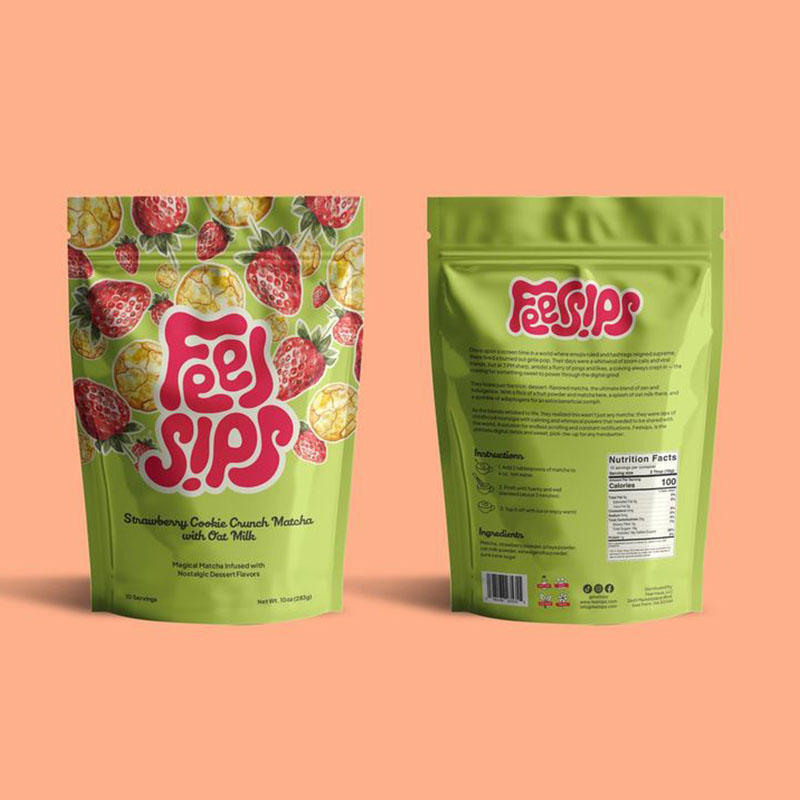
A stand-up pouch is a flat bag with a folded panel in the bottom that opens into an oval base when the pouch fills. That base is what holds it upright — which means a pouch that is the wrong size for its contents does not stand, whatever the specification says.
- Format
- Stand-up pouch with a bottom gusset
- Sizing
- Width × height × gusset, built from your product and fill weight
- Fittings
- Zipper, tear notch, hang hole, window, round corners
Get a price for Stand Up Pouches
Send the size and quantity — we reply the same working day with a price, a dieline and a date. Artwork optional at this stage.
- Free dielineThe flat drawing comes with the quote, before you commit.
- Proof before pressNothing is printed until you have seen it laid on the dieline.
- Die kept for reordersTooling is paid once. Every reorder skips straight to press.
- Quoted in four marketsUS, UK, Canada and Australia, in the delivery currency.


Three numbers, and only two of them are yours
A stand-up pouch is quoted as width × height × gusset. The width and height are yours to choose. The gusset is decided by how much base you need for the filled pouch to be stable, and it is the number people get wrong.
A tall narrow pouch with a shallow gusset is a pouch that falls over on a shelf. As a rough guide the gusset should be around a third of the width for anything above about 250 g, and more for a dense product.
The gusset also steals height. A 200 mm pouch with an 80 mm gusset stands noticeably shorter than 200 mm once filled.
Headspace is not wasted space
A pouch filled to the top seal cannot stand, because there is no slack for the gusset to open and no shoulder for the pouch to form. It also cannot be sealed reliably, because product in the seal area is the single most common cause of a leaking pouch.
Leave headspace deliberately. It looks like empty pack on paper and it is the difference between a pouch that presents itself and one that slumps.
What to specify, and roughly what it costs you
| Zipper | Reclosable; worth it over weeks of use, wasted on a single serve |
|---|---|
| Tear notch | Almost free, and the difference between opening and tearing at it |
| Window | Shows the product; every window is a gap in the barrier |
| Round corners | Softer look, slightly less likely to snag; cheap |
| Matte finish | Reads premium on film and shows fingerprints readily |
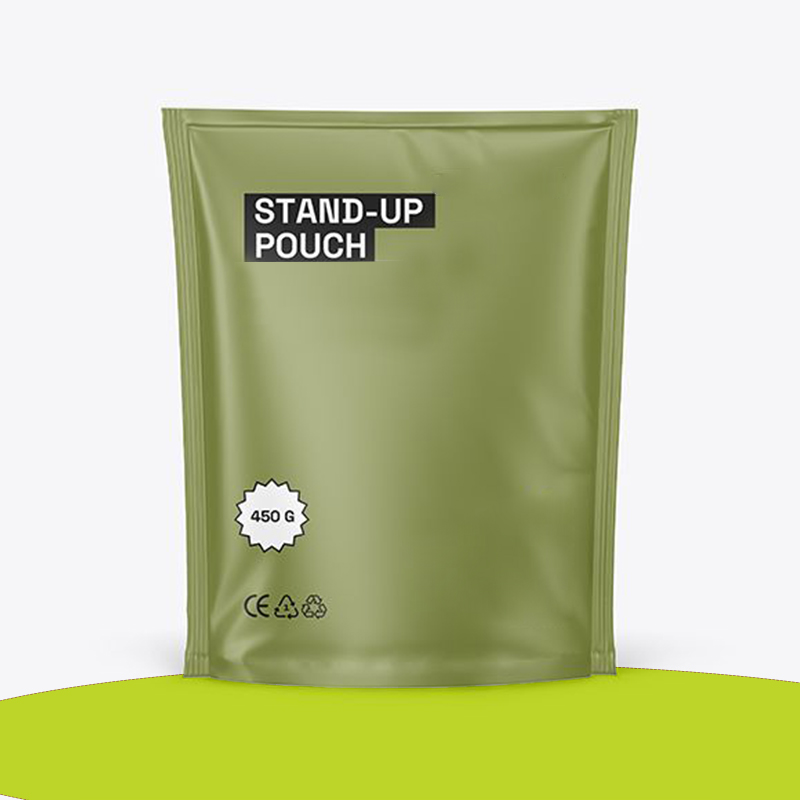
Filling by hand versus filling on a line
Most 100-unit orders are hand filled, and most brands move to a filler somewhere in the thousands. Designing for the second one early avoids re-tooling the artwork later.
- Hand filling wants a wider mouth and forgiving headspace.
- Line filling wants consistent gusset behavior and a clean seal area.
- A pouch designed for hand filling often jams an automatic filler.
- Tell us which you use — it changes the shape, not just the tolerance.
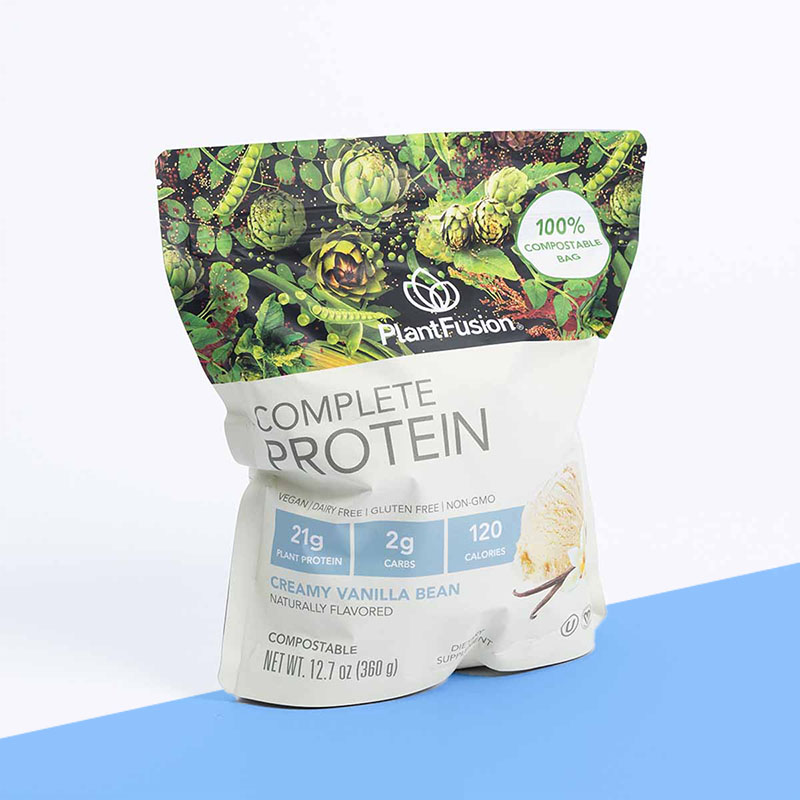
Barrier, which is invisible and is what you are paying for
Two pouches can look identical and perform completely differently, because the barrier lives in a middle layer you cannot see. A structure with no metallised or barrier layer blocks almost no oxygen, and shelf life collapses accordingly.
Ask for the layer structure rather than the thickness on any pouch quote, here or elsewhere. The reasoning and the layer detail are set out in our pouch construction notes.
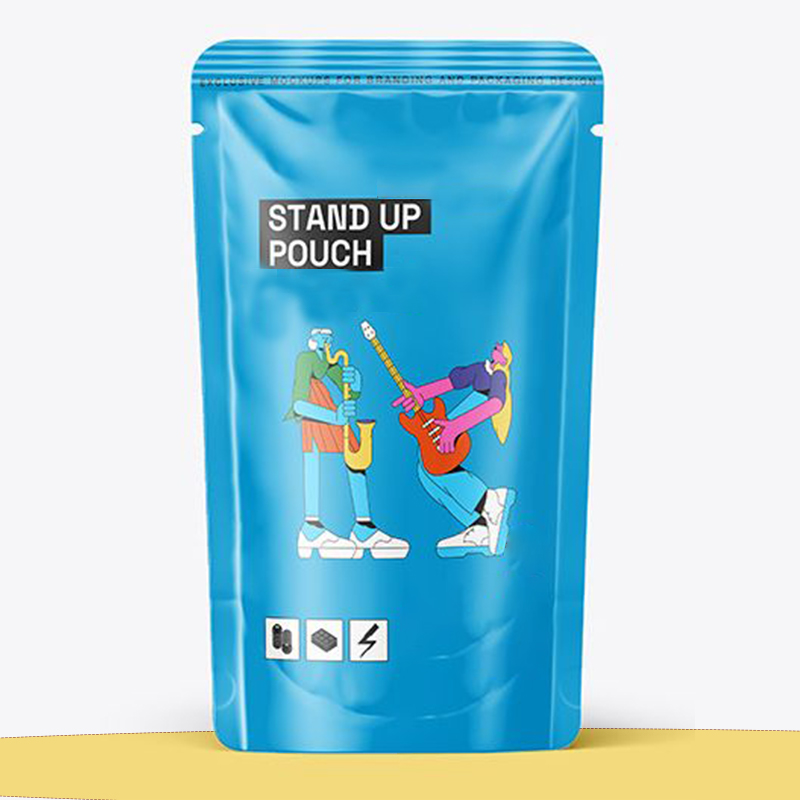
Stand Up Pouches — specification
The rows that are specific to this build first, then what applies to every job we run. Anything not listed is a question, not a limit — send the brief.
This build
- Format
- Stand-up pouch with a bottom gusset
- Sizing
- Width × height × gusset, built from your product and fill weight
- Fittings
- Zipper, tear notch, hang hole, window, round corners
- Structures
- Laminated barrier films; mono-material recyclable quoted alongside
- Digital at low volume, rotogravure above a few thousand
- Minimum
- 100 pouches
On every job
- Print process
- Flexo in up to ten colors on the outer film, or digital for short runs and changing artwork.
- Color
- A white underprint carries normal color on metallised or clear film. Without it, every color takes on what is beneath it.
- Tolerance
- Bag width plus or minus 2 mm, length plus or minus 3 mm. Film stretches, so a barcode is verified on a filled bag.
- Tooling
- Print plates or cylinders per design, kept. There is no cutting die — the bag is formed and sealed rather than cut.
- Food contact
- A food-grade sealing layer against the product, with the inks trapped between layers rather than on the food face.
- Sustainability
- Mono-material PE or PP where the shelf life allows, which recycles as a soft plastic. A foil laminate does not.
- Artwork
- Vector PDF or AI, 3 mm bleed, 4 mm safe area, fonts outlined. We check every file and send a proof before press.
- Dieline
- Supplied free with the quote, before you commit. Yours whether or not you order.
- Sample
- A plain unprinted sample at the finished size on request, for fit and construction.
- Reorders
- Skip the tooling and go straight to press at a lower unit price.
- Lead time
- Quoted with the price against your fill date rather than promised before we have seen the spec.
- Markets
- United States, United Kingdom, Canada, Australia — priced in the delivery currency, freight included.
Boards and films we build stand up pouches on
A flexible pack is a stack of films laminated together, and the middle layer is the barrier. The structure is chosen from the shelf life you need and what you want to be able to say about recycling.
PET / PE
A printable outer and a sealing inner. Moisture barrier, modest oxygen barrier. The everyday laminate for dry goods sold quickly.
2-ply, 70–110 micronPET / AL / PE
Aluminum foil in the middle: the strongest barrier against light, oxygen and moisture. Coffee, supplements, anything with a long shelf life.
3-ply, 90–130 micronMetallised PET
A vapour-deposited metal layer. Bright, lighter and cheaper than foil, with a weaker barrier. Most silver and gold bags are this.
2–3 plyMono-material PE
Every layer polyethylene, so the bag recycles as a soft plastic. Less barrier and a slightly softer hand; the sustainable choice where shelf life allows.
100–130 micronMono-material PP
Stiffer and clearer than PE, with better heat resistance. Suits a stand-up pouch that has to hold its shape on a shelf.
90–120 micronKraft-paper laminate
A paper outer over a film barrier. The natural look with a real barrier behind it; the paper takes only a matte, flat print.
Paper 60–80gsm + filmCompostable film
PLA and cellulose structures certified for industrial compost. Lower barrier, higher cost, and no home-compost claim unless the certificate says so.
60–90 micronLDPE mailer film
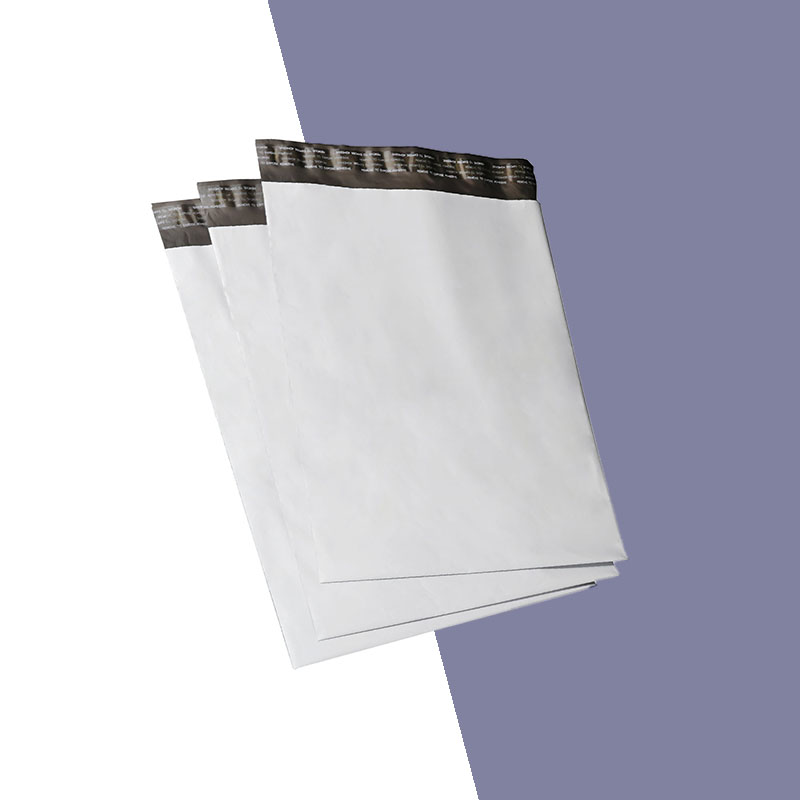
Co-extruded opaque film for shipping bags: tear- and puncture-resistant, weatherproof, and recyclable where soft plastics are collected.
60–80 micronNot sure which? Say what goes in it and where it is sold — the material follows from that. Our notes on recycled, recyclable and compostable cover which claims each stock can honestly carry.
- 01
Send what you have
A dimension, a photograph beside a ruler, or the product itself. No technical drawing needed — that part is ours.
- 02
We quote and draw
A price, a dieline and a date come back together. If a different build would suit the product better, that is in the reply too.
- 03
Approve the dieline
The flat drawing is yours to check: which panel is the front, where the folds fall, how deep the cavity really is.
- 04
Artwork on the dieline
You place your design on the flat we sent, or we place it for you, and you see a proof before anything goes to press.
- 05
A sample if you want one
A plain unprinted sample at the finished size shows fit and construction — the things a drawing cannot.
- 06
Cut, printed, shipped
The die is cut once and kept, so every reorder skips the tooling and goes straight to press at a lower unit price.
Format
Vector PDF or AI where possible. Raster artwork at 300dpi at final size, in CMYK.
Bleed
3 mm past every trim line, so a fraction of drift on the cutter never leaves a white edge.
Safe area
Keep type and anything important 4 mm inside the cut and away from every fold.
Color
Convert to CMYK before sending. Uncoated stock prints lighter; a spot color is the only exact match.
Fonts
Outline them or supply the files. A missing font substitutes silently and the proof will not match.
Barcodes
On a light, matte, unvarnished patch with the quiet zone clear — a code on gloss fails the scanner.
Not set up that way? Send it anyway — fixing a file is a short conversation, and we check every one before press. Our guide to preparing print files covers each point.
Film is finished in the lacquer and the ink, not with a laminate.
Matte lacquer
A soft, non-reflective face. Hides handling marks and the most-used finish on a premium pouch.
Gloss lacquer
Wet-looking color. Reads cheaper on some categories and exactly right on confectionery.
Spot matte on gloss
A matte shape on a gloss field, or the reverse. The film equivalent of spot UV.
Metallised effects
Print over the metal layer so a color picks up the shimmer, or lay white under it for a normal color.
Registered emboss
A raised texture pressed into the film. Rare, expensive, and unmistakable in the hand.
Kraft-paper face
A paper outer laminated to the barrier. Matte and flat by nature; no varnish needed.
Not sure which suits the shelf it sells from? Say where the product is sold and we suggest one — our notes on specialty finishes show them on real boxes.
Sizing a pouch by what goes in it, not by a bag size: stand up pouches
Film packs are specified by fill, not by dimensions. Two products of the same weight can need very different bags, because density decides volume — whole coffee beans take far more room than the same weight of powder.
- Fill weight and density
- Give us both, or send the product. We size from the volume it actually occupies, settled.
- Lay-flat width
- Half the circumference of the finished bag. It is the number a converter works to, and we calculate it from your product.
- Headspace
- Enough film above the fill to seal cleanly and for the bag to stand. Too little and the seal traps product; too much and the pack looks underfilled.
- Gusset
- Bottom gusset depth sets how the bag stands; side gussets add volume without width. Both are chosen from the shelf, not the fill.
- Seal width
- 5–8 mm. Wider on liquids and creams, which contaminate a seal, and on anything that will be posted.
- Sample fill
- A plain bag at the finished size, filled from your line, is the only reliable check before print.
Not sure your numbers are right? Send the product dimensions rather than the box dimensions and we work the box out — the full method is in our guide to measuring for a box.
Interactive · five steps · no sign-up
Spec your Stand Up Pouches
Pick a shape, type a size, choose a film and a finish. The preview on the left redraws as you go, and the spec lands with us exactly as you set it.
Frequently asked questions
Got a question about stand up pouches? The answers below cover what we get asked most. If yours is not here, send it with a brief, message us on WhatsApp, or call +1 503-461-4788 — we reply the same working day.
What is the minimum order?
100 pouches, sized from your product and fill weight.
Why does my pouch fall over?
Usually a gusset too shallow for the width, or filled too close to the top seal.
How much headspace should I leave?
Enough for the gusset to open and for a clean seal. Product in the seal area is the main cause of leaks.
Do I need a zipper?
For anything used over more than a few days, yes. For a single serve it is cost with no benefit.
Can I have a recyclable version?
Yes, in a mono-material structure, at a higher cost and a slightly weaker barrier — we quote both.
Should I design for hand or machine filling?
Tell us which. A pouch designed for hand filling often jams an automatic filler, and the shapes differ.
Why does my pouch fall over?
Usually a gusset too shallow for the width, or filled too close to the top seal. Both are sizing rather than material problems.
How much headspace should I leave?
Enough for the gusset to open and for a clean seal. Product in the seal area is the main cause of leaks.
Do I need a zipper?
For anything used over more than a few days, yes. For a single serve it is cost with no benefit.
Can I have a recyclable version?
Yes, in a mono-material structure. It costs more and the barrier is slightly weaker — we quote both so the trade-off is visible.
Same range