Custom Self-seal Mailing Boxes
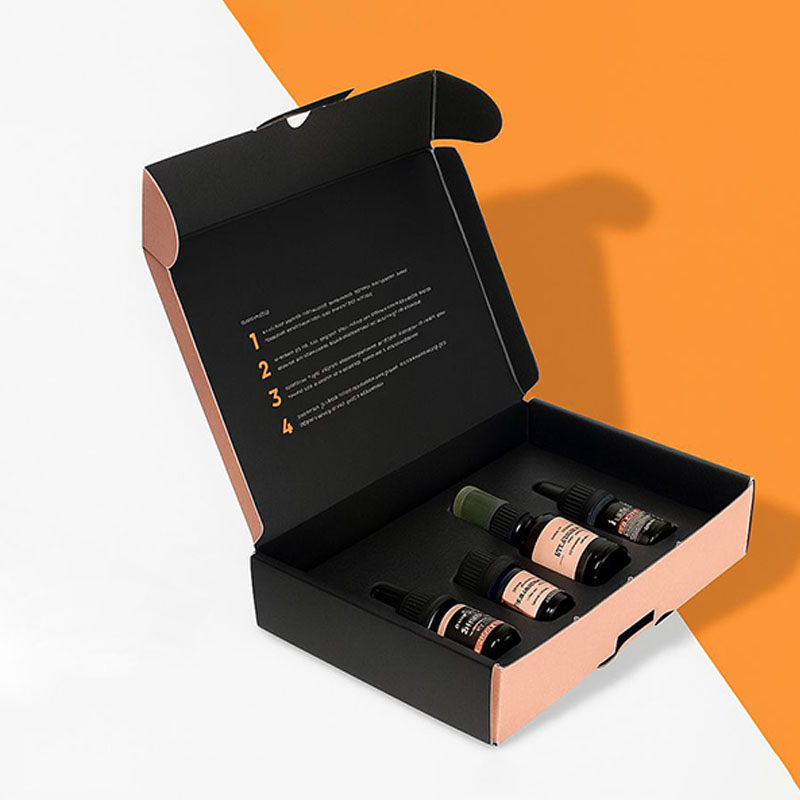
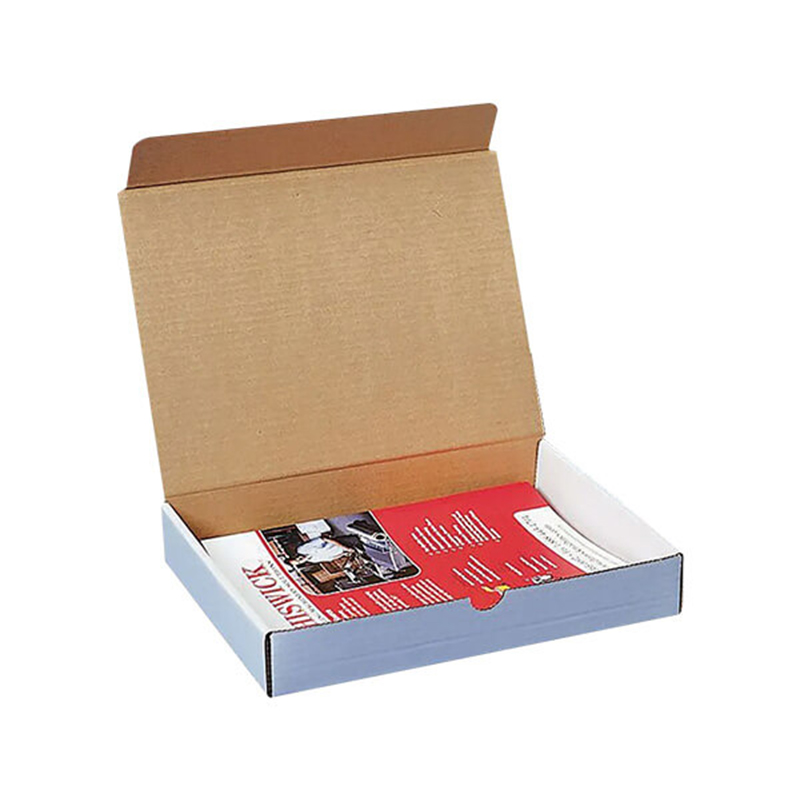
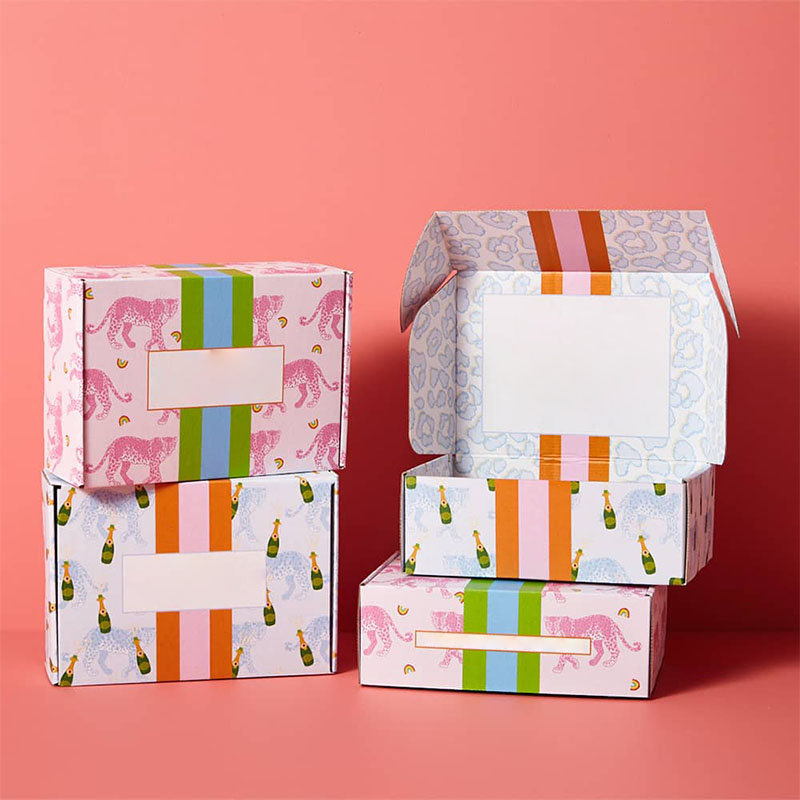
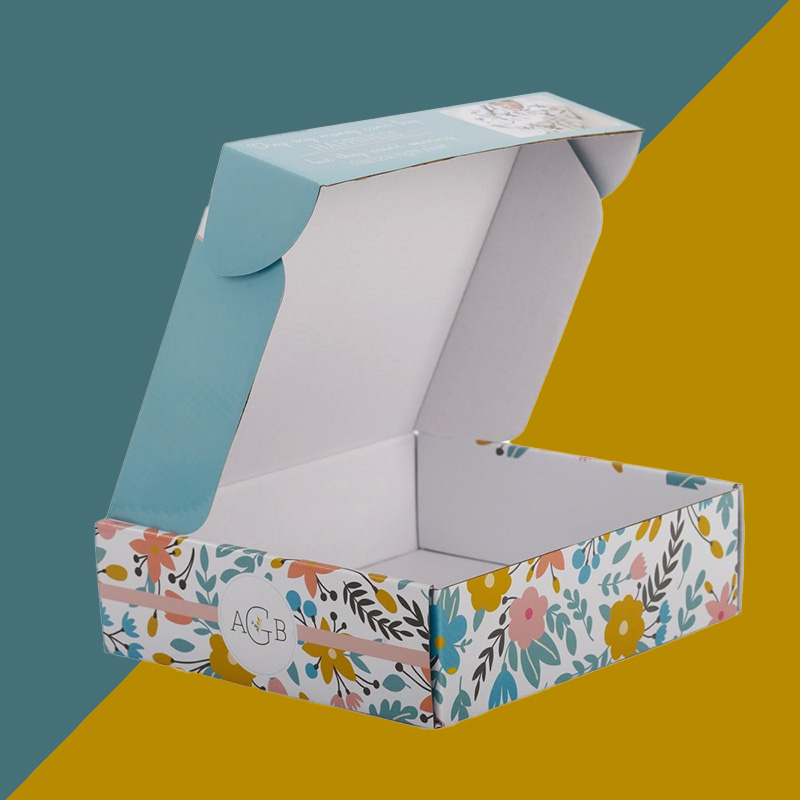
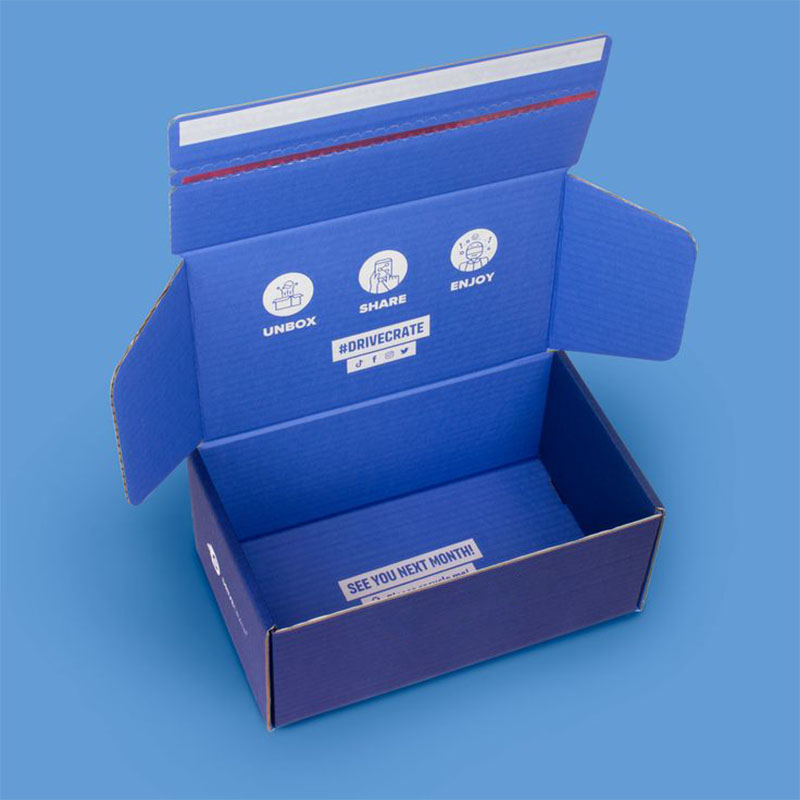
Custom self-seal mailing boxes with a peel-off adhesive strip built into the lid, from 100 units. Close it in one motion with no tape gun, open it with a tear strip and no blade, and send it back on a second strip if the order comes back — the mailer for a packing bench that has to move.
Closed in one motion, opened without a blade
- Board
- E-flute or B-flute corrugated; kraft or white liner
- Closure
- Hot-melt peel-and-seal strip, full lid width, cold-to-heat rated
- Opening
- Perforated tear strip along the lid seam
Get a price for Self Seal Mailing Boxes
Send the size and quantity — we reply the same working day with a price, a dieline and a date. Artwork optional at this stage.
- Free dielineThe flat drawing comes with the quote, before you commit.
- Proof before pressNothing is printed until you have seen it laid on the dieline.
- Die kept for reordersTooling is paid once. Every reorder skips straight to press.
- Quoted in four marketsUS, UK, Canada and Australia, in the delivery currency.



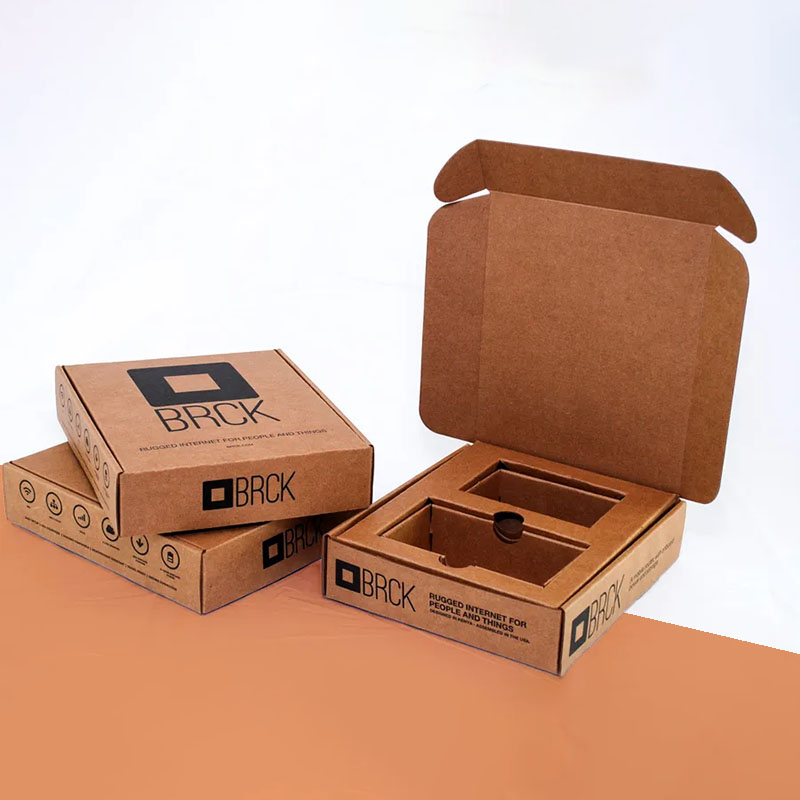
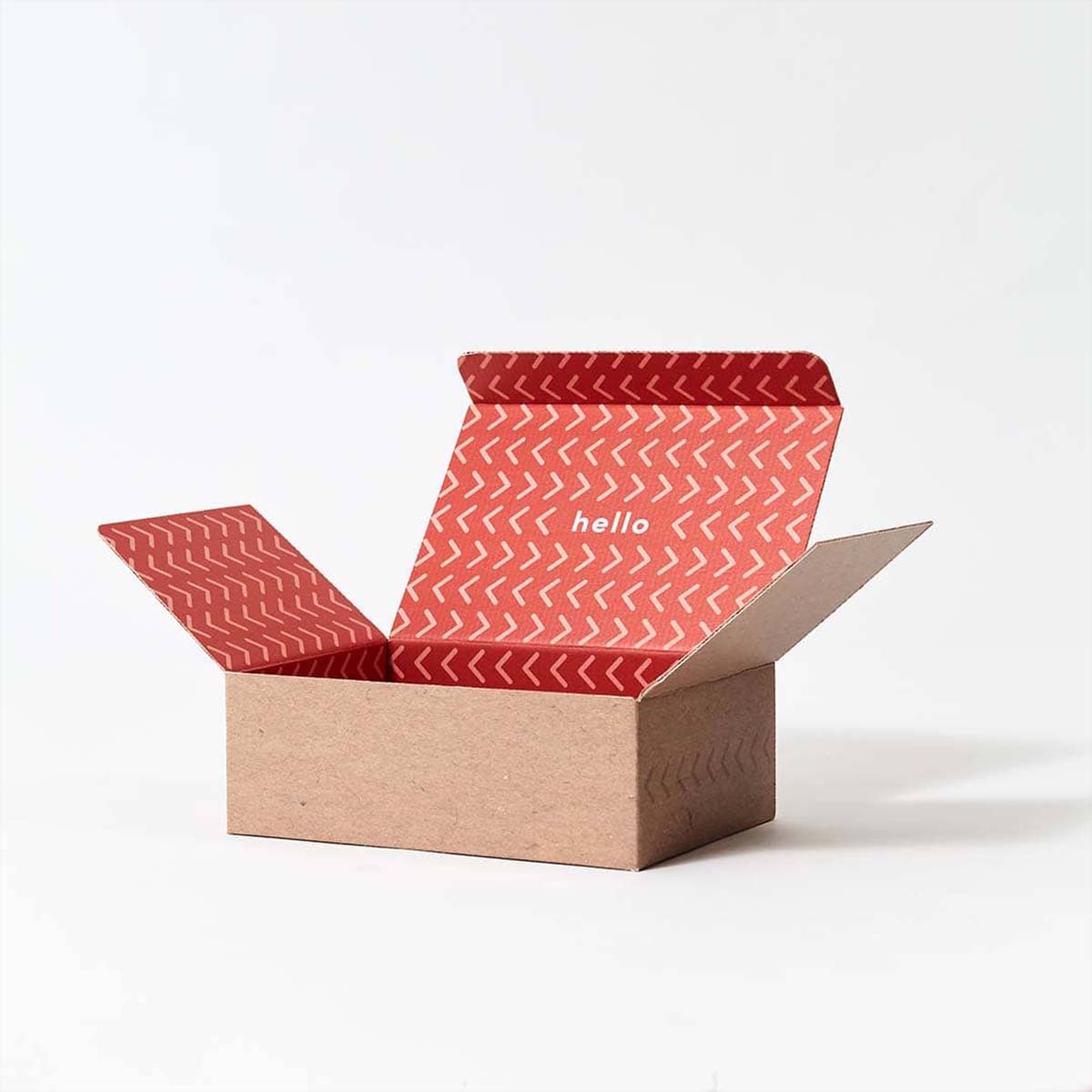
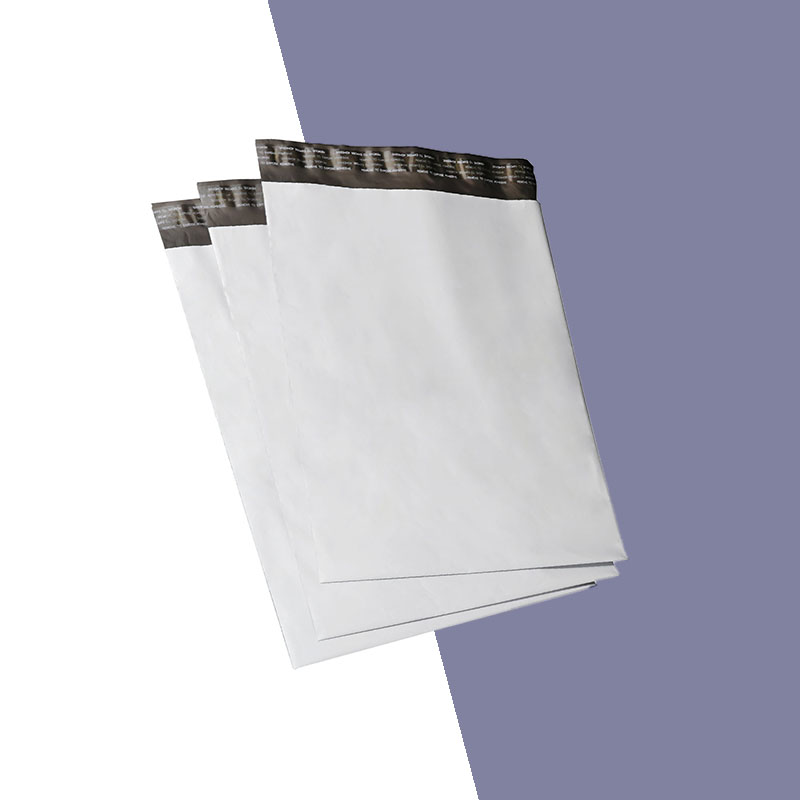
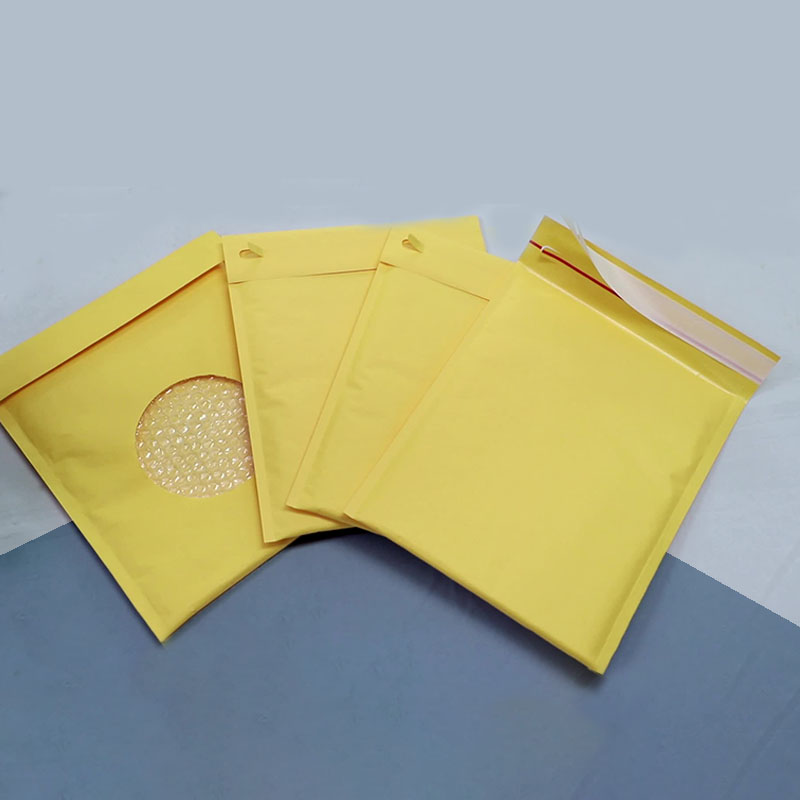
The strip, and what it has to survive
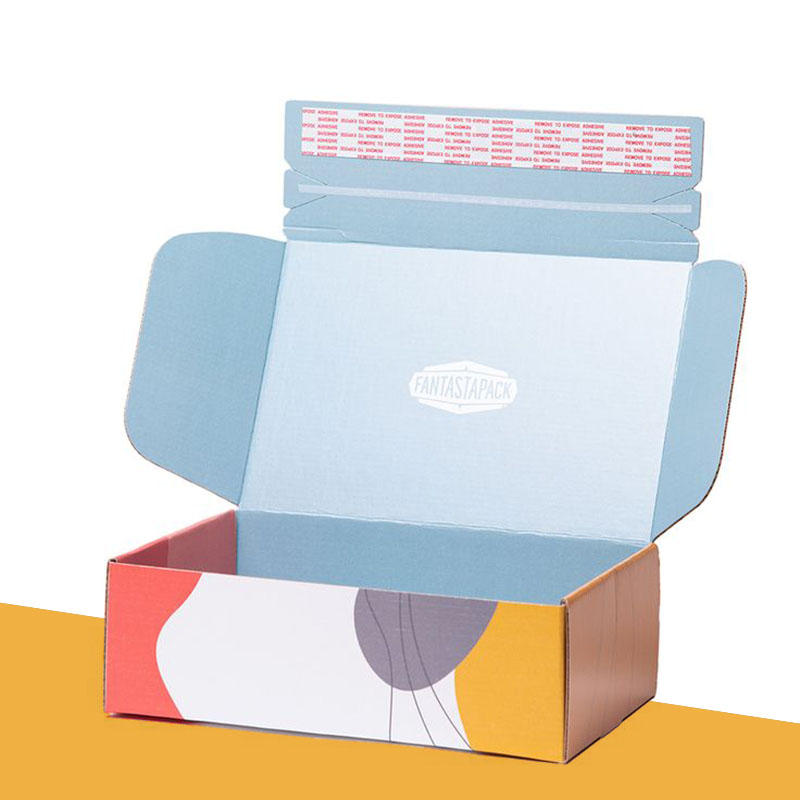
The adhesive is a hot-melt band laid along the lid flap under a silicone release liner. Peel the liner, fold the lid, press — the bond forms in a second and holds through the parcel network. The adhesive has to grip corrugated liner, which is porous, in a cold warehouse and a hot van; a cheap strip lets go in one or the other. We use a band that holds on kraft and white liners from freezing to a summer truck, and we run it the full lid width so there is no unglued corner to catch.
A pressed strip is a permanent seal. If the packer needs to reopen the box to add something, it means a new box — which is a reason to check the order before closing.
Opening, and the second strip
The return strip is the feature that changes the customer's experience of a return, and it costs a few cents. For a category with a high return rate it is the first thing to specify; for a consumable it is not needed.
| Tear strip | A perforated pull strip along the lid seam; opens clean with one pull |
|---|---|
| Return strip | A second adhesive band, so the same box goes back; for apparel and returns-heavy lines |
| Tamper-evident | The tear strip is the evidence: a box opened in transit shows it |
Which box styles take a strip
What does not take a strip well is a box with a lid that hinges on a short side and closes with tabs — the ear lock. The tabs are already the closure and the strip has nowhere to land.
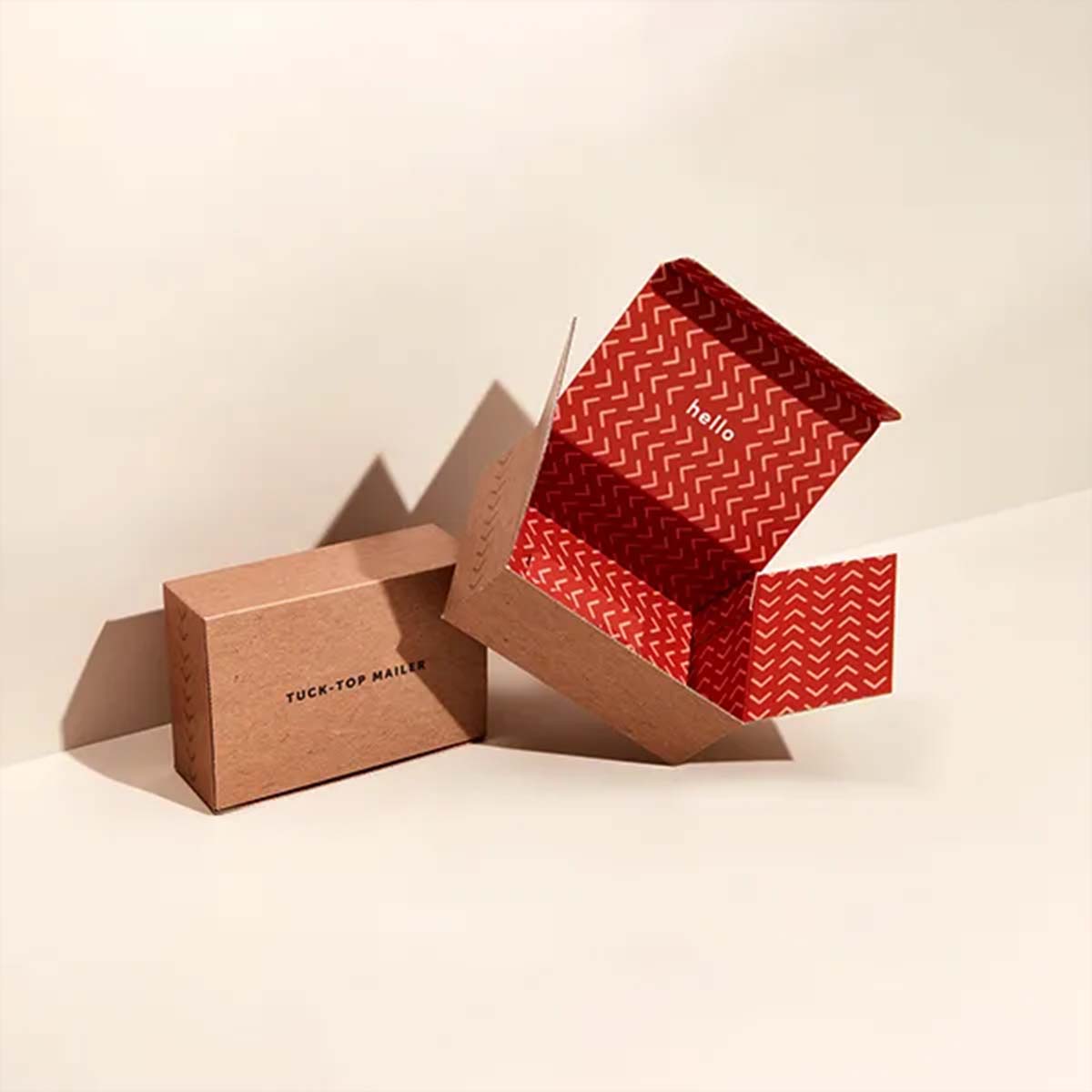
- Tuck-top mailers, where the strip replaces the tuck — the construction on our tuck-top mailer boxes with a folding lid page, with the closure swapped.
- Roll-end mailers, with the strip on the front flap.
- Book-wrap and literature mailers, with a strip along the long edge.
- Postal boxes with a full-overlap lid for the letter-box sizes.
Speed on the bench
A packer with a tape gun closes a mailer in about fifteen seconds; the same packer with a peel strip closes it in five. Over a few hundred orders a day that is the difference between a second packer and not. The box also ships flat and folds up like any mailer, so the only new step is the liner peel. For the box itself, the same sizing against carrier bands applies as for any mailer, and the dimensional weight rules for parcels set the sizes worth stocking.
Self Seal Mailing Boxes — specification
The rows that are specific to this build first, then what applies to every job we run. Anything not listed is a question, not a limit — send the brief.
This build
- Board
- E-flute or B-flute corrugated; kraft or white liner
- Closure
- Hot-melt peel-and-seal strip, full lid width, cold-to-heat rated
- Opening
- Perforated tear strip along the lid seam
- Return
- Optional second adhesive strip
- Styles
- Tuck-top, roll-end, book-wrap, letter-box postal
- One color to full color outside; inside lid optional
- Minimum
- 100 boxes
On every job
- Print process
- Flexo in one to four colors straight onto the liner; litho-lamination where the box needs full color or a photograph.
- Color
- Flat colors on kraft. Full color needs a white top liner or a laminated sheet, because brown shifts every color warm.
- Tolerance
- Cutting plus or minus 1.5 mm. The flute compresses, so corrugated runs wider than folding board.
- Tooling
- No die on a regular slotted box, which is cut on a slotter. Die-cut mailers and trays need one, made once and kept.
- Food contact
- Food-grade liners and a vented build where the box carries hot food.
- Sustainability
- High recycled content through liners and flute as standard, and the box recycles whole if it is sealed with paper tape.
- Artwork
- Vector PDF or AI, 3 mm bleed, 4 mm safe area, fonts outlined. We check every file and send a proof before press.
- Dieline
- Supplied free with the quote, before you commit. Yours whether or not you order.
- Sample
- A plain unprinted sample at the finished size on request, for fit and construction.
- Reorders
- Skip the tooling and go straight to press at a lower unit price.
- Lead time
- Quoted with the price against your fill date rather than promised before we have seen the spec.
- Markets
- United States, United Kingdom, Canada, Australia — priced in the delivery currency, freight included.
Boards and films we build self seal mailing boxes on
Corrugated is a fluted sheet glued between two liners, and the flute decides nearly everything: how it prints, how it dents, how high it stacks. These are the grades we run.
E flute
About 1.5 mm. Prints well and folds crisply; dents under a stack. Retail boxes, mailers and light shippers.
1.5 mm, single wallB flute
About 3 mm. The working default for parcels — takes print reasonably and stacks reasonably. Most shipping boxes are B.
3 mm, single wallC flute
About 4 mm. More cushioning than B, slightly less stacking strength per weight. Common on grocery and produce cases.
4 mm, single wallBC double wall
B and C glued together, about 7 mm. Heavy or fragile goods, pallet stacking, anything over roughly 15 kg.
7 mm, double wallKraft liner
Brown, strong, absorbent. One or two flat colors flexo print well on it; photographs drink into the brown and go muddy.
Outer and inner linerWhite top liner
A bleached outer liner for full-color print on corrugated. Costs more and marks more easily than kraft.
Outer liner onlyRecycled-content corrugated
High post-consumer fiber through liners and flute. The default for shippers; a slightly greyer brown and no loss of strength at grade.
All flutesCoated and water-resistant
A coating or a wax-free barrier liner for damp stores and cold chains. Check the recycling stream before printing a claim on it.
B and C fluteNot sure which? Say what goes in it and where it is sold — the material follows from that. Our notes on recycled, recyclable and compostable cover which claims each stock can honestly carry.
- 01
Send what you have
A dimension, a photograph beside a ruler, or the product itself. No technical drawing needed — that part is ours.
- 02
We quote and draw
A price, a dieline and a date come back together. If a different build would suit the product better, that is in the reply too.
- 03
Approve the dieline
The flat drawing is yours to check: which panel is the front, where the folds fall, how deep the cavity really is.
- 04
Artwork on the dieline
You place your design on the flat we sent, or we place it for you, and you see a proof before anything goes to press.
- 05
A sample if you want one
A plain unprinted sample at the finished size shows fit and construction — the things a drawing cannot.
- 06
Cut, printed, shipped
The die is cut once and kept, so every reorder skips the tooling and goes straight to press at a lower unit price.
Format
Vector PDF or AI where possible. Raster artwork at 300dpi at final size, in CMYK.
Bleed
3 mm past every trim line, so a fraction of drift on the cutter never leaves a white edge.
Safe area
Keep type and anything important 4 mm inside the cut and away from every fold.
Color
Convert to CMYK before sending. Uncoated stock prints lighter; a spot color is the only exact match.
Fonts
Outline them or supply the files. A missing font substitutes silently and the proof will not match.
Barcodes
On a light, matte, unvarnished patch with the quiet zone clear — a code on gloss fails the scanner.
Not set up that way? Send it anyway — fixing a file is a short conversation, and we check every one before press. Our guide to preparing print files covers each point.
Corrugated takes fewer finishes than folding board, and the ones it takes it takes well.
Flexo on kraft
One or two flat colors straight onto brown. Cheap, fast, honest.
Litho-lamination
An offset sheet glued to the flute: full color and photographs on a shipper.
Aqueous varnish
Scuff resistance with no film, so the box still recycles whole.
White top print
Full color flexo on a bleached liner; brighter, and it marks more easily.
Inside print
A second pass on the inner liner — the panel a customer sees first.
Printed tape seal
The brand applied at the last moment, on paper tape that recycles with the box.
Not sure which suits the shelf it sells from? Say where the product is sold and we suggest one — our notes on specialty finishes show them on real boxes.
Sizing a corrugated box against the carrier, not the catalog: self seal mailing boxes
Corrugated is cut to your internal size, so the box goes round the product rather than the product going into a stock size. That is where the money is: a box 20 mm smaller each way is often a whole postage band cheaper.
- Internal dimensions
- Length, width and depth of the space you need. Board thickness is added outside that, and the flute is thicker than people expect.
- Clearance and void fill
- 5–10 mm a side for a rigid product. Size it properly and you need no void fill at all, which is cheaper and better received.
- Stacking
- Tell us how high the boxes stack on a pallet or a shelf. Edge crush grade is specified from that, not guessed.
- Weight
- The contents weight sets the flute and the liner grade. Over about 15 kg we move to double wall.
- Score allowance
- Corrugated needs more room at the folds than boxboard. The dieline accounts for it; a box drawn from flat dimensions comes out tight.
- Cutting tolerance
- Plus or minus 1.5 mm on corrugated, wider than folding board because the flute compresses.
Not sure your numbers are right? Send the product dimensions rather than the box dimensions and we work the box out — the full method is in our guide to measuring for a box.
Interactive · five steps · no sign-up
Build your Self Seal Mailing Boxes in 3D
Pick a shape, type a size, choose a board and a finish. The preview on the left redraws as you go, and the spec lands with us exactly as you set it.
Frequently asked questions
Got a question about self seal mailing boxes? The answers below cover what we get asked most. If yours is not here, send it with a brief, message us on WhatsApp, or call +1 503-461-4788 — we reply the same working day.
Does the strip hold in shipping?
Yes, through the parcel network from a cold warehouse to a hot van. We use a hot-melt band rated across that range, run the full width of the lid.
Can I reopen the box after sealing?
No — it is a permanent seal. If the order might change, check it before closing, or the box becomes a new box.
How does the customer open it?
With the tear strip along the lid seam. One pull, no blade, and the torn strip shows if the box was opened in transit.
Can it be a return mailer?
Yes, with a second adhesive strip. The customer tears the box open, repacks, peels the second liner and sends it back.
Which box styles can have a strip?
Tuck-top, roll-end, book-wrap and postal boxes. Ear-lock mailers cannot; the tabs are already the closure.
How much faster is it to pack?
About ten seconds per box against a tape gun. Over a few hundred orders a day that is a packer.
Does the strip affect recycling?
No. The hot-melt band is a normal part of corrugated recycling, and the liner peels off and goes with paper.
Does it ship flat?
Yes, as a die-cut blank with the liner on. It folds up like any mailer.
Can the liner come off in storage?
Not in a normal warehouse. Very high heat can soften the adhesive, so keep the blanks out of a sun-facing container.
What is the minimum order?
100 boxes per size. The die and the strip set-up are reused on every reorder.
How long does production take?
It depends on the style, the print and the quantity. We give a date with the quote rather than a number before we have seen the spec.
Will you send a sample?
An unprinted box with the strips fitted, so you can pack, seal, tear and reseal it before print.
Same range