Custom Address Labels
Custom address labels — a branded label with a blank panel for the printer, a pre-printed return address, an integrated label with the packing slip — on a roll or a sheet from 100. Proof and price the same working day.
The label the carrier scans and the customer reads
- Stock
- Paper matte; synthetic for wet or cold; direct thermal
- Formats
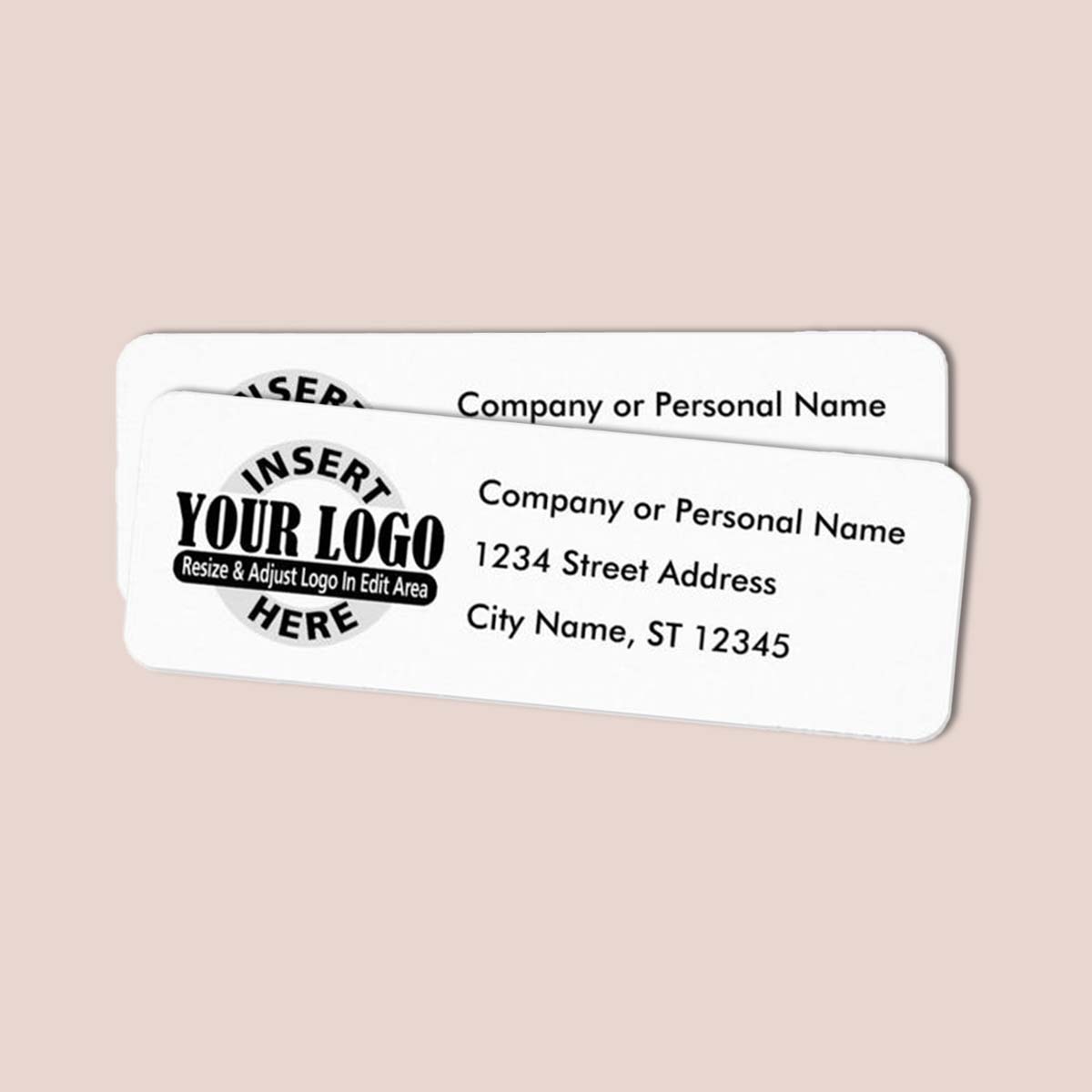
- Blank-panel branded label; return label; integrated A4 sheet; 4 × 6 in thermal roll
- Adhesive
- Permanent for corrugated; strong for synthetic
Get a price for Address Labels
Send the size and quantity — we reply the same working day with a price, a dieline and a date. Artwork optional at this stage.
- Free dielineThe flat drawing comes with the quote, before you commit.
- Proof before pressNothing is printed until you have seen it laid on the dieline.
- Die kept for reordersTooling is paid once. Every reorder skips straight to press.
- Quoted in four marketsUS, UK, Canada and Australia, in the delivery currency.


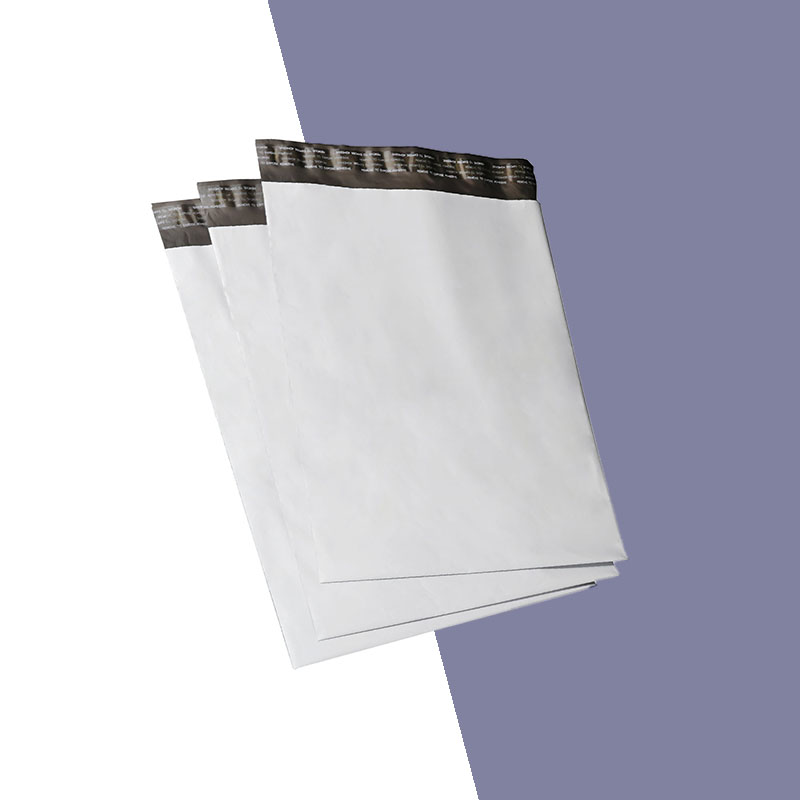
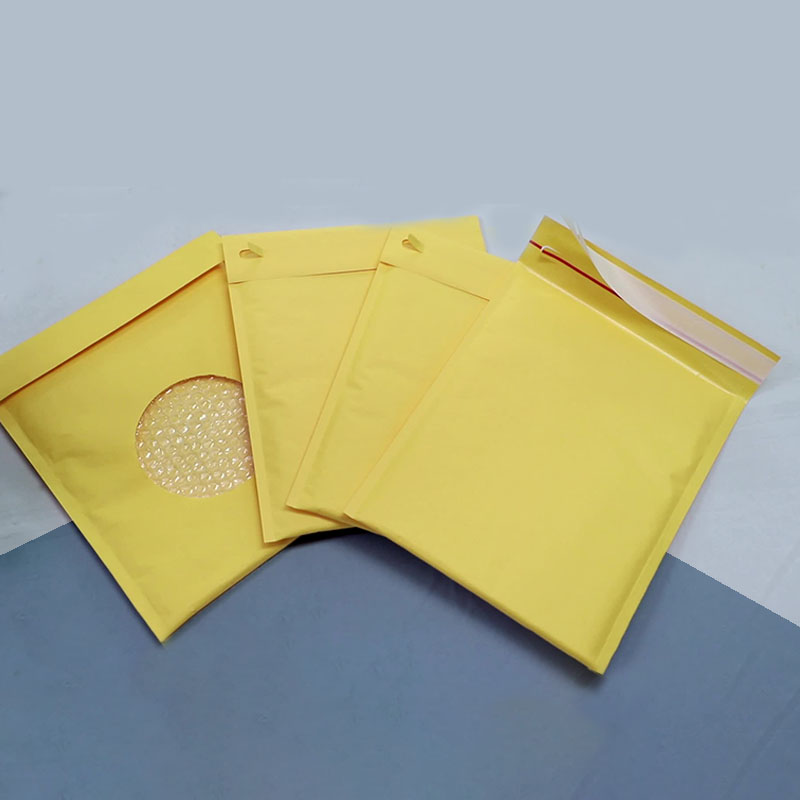
Label formats for dispatch
| Branded blank-panel label | Logo and a color band printed; a white panel for the printed address; the everyday format |
|---|---|
| Return address label | Pre-printed with the sender; applied beside the address |
| Integrated label sheet | An A4 sheet with a peel-off label and the packing slip on one page |
| Thermal-printer roll | A blank or branded roll for a 4 × 6 in thermal printer; direct thermal, no ink |
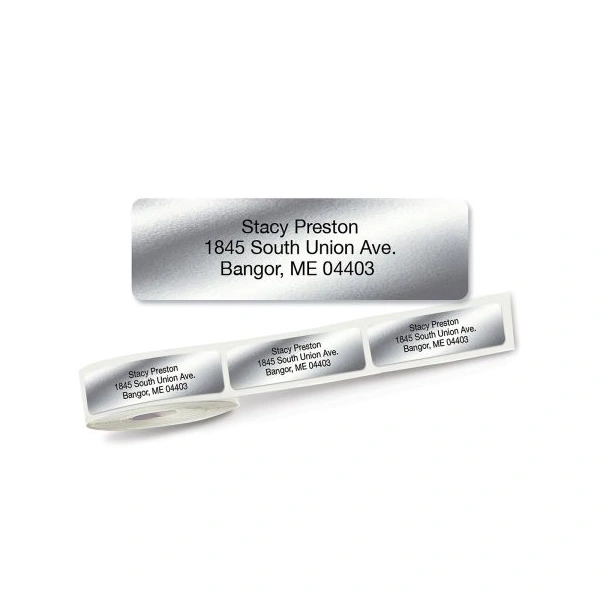
What a scanner needs
The branding goes around the panel — a band, a logo, a message — never on it. Our labels for every part of the pack cover the product and panel labels that go on the box before it ships.
- A white, matte panel for the barcode with the quiet zone clear — no color, no gloss behind it.
- A label that lies flat: rounded corners and a permanent adhesive on corrugated.
- Thermal stock that prints black and stays black through a warm van.
- No print of yours inside the carrier's label area.
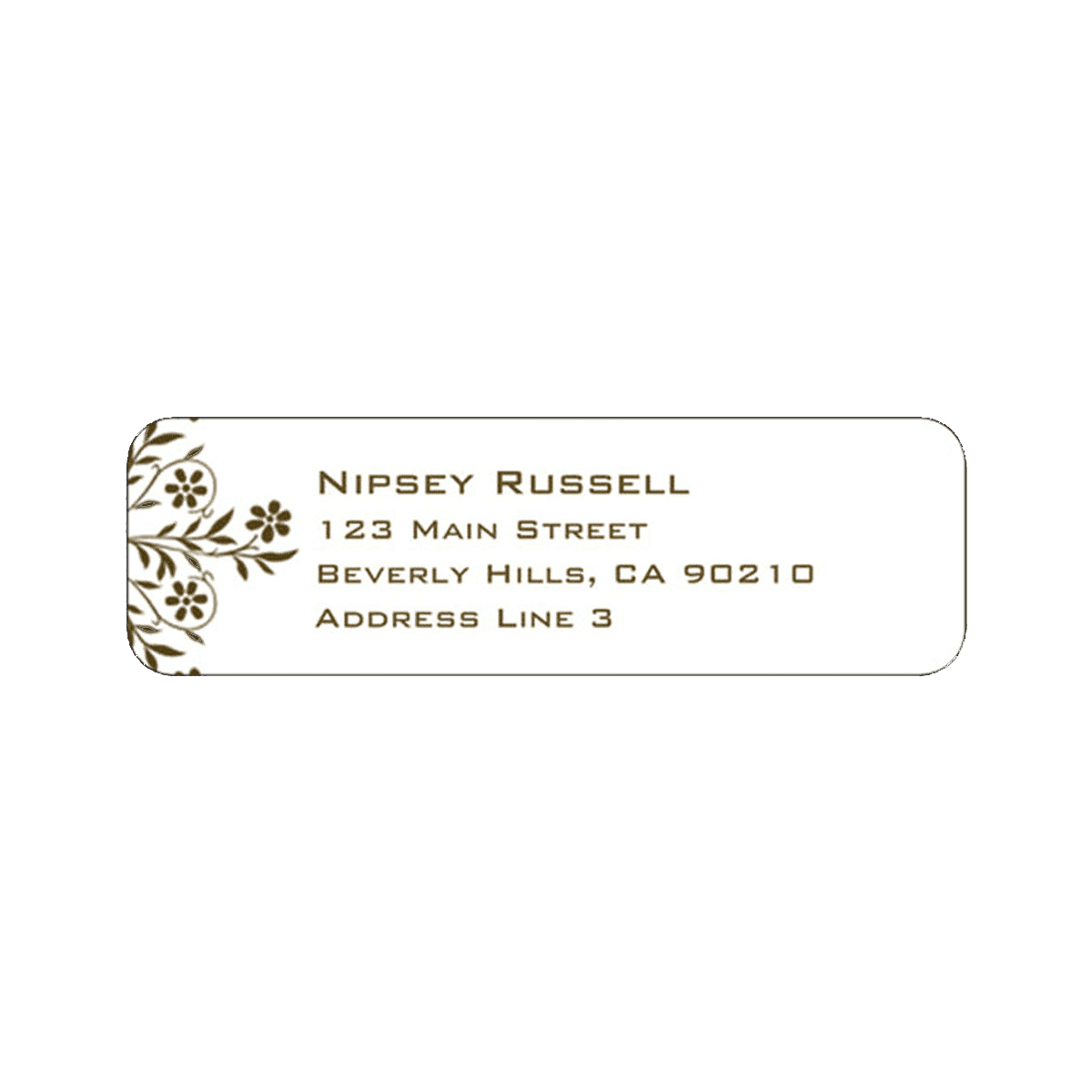
Stock and adhesive on a box
Paper labels with a permanent adhesive stick to corrugated and stay; a synthetic stock with a strong adhesive for a parcel that goes through rain or a cold chain. Direct thermal paper for printers that use no ink; a plain or a branded roll on a core sized to the printer. Rounded corners on every format so the label does not lift at a corner and jam a sorter.
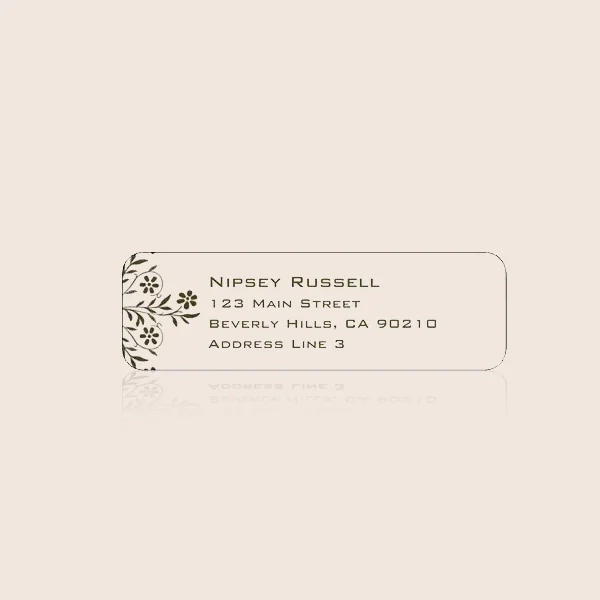
Integrated labels and the packing bench
An integrated label sheet prints the address label and the packing slip together, so one print and one peel does both. The label position on the sheet is set to your software's template, and the sheet carries the brand at the top. It is the format for a bench that does hundreds of orders a day.
Send the label template from your shipping software. The panel size and position are set to it exactly.
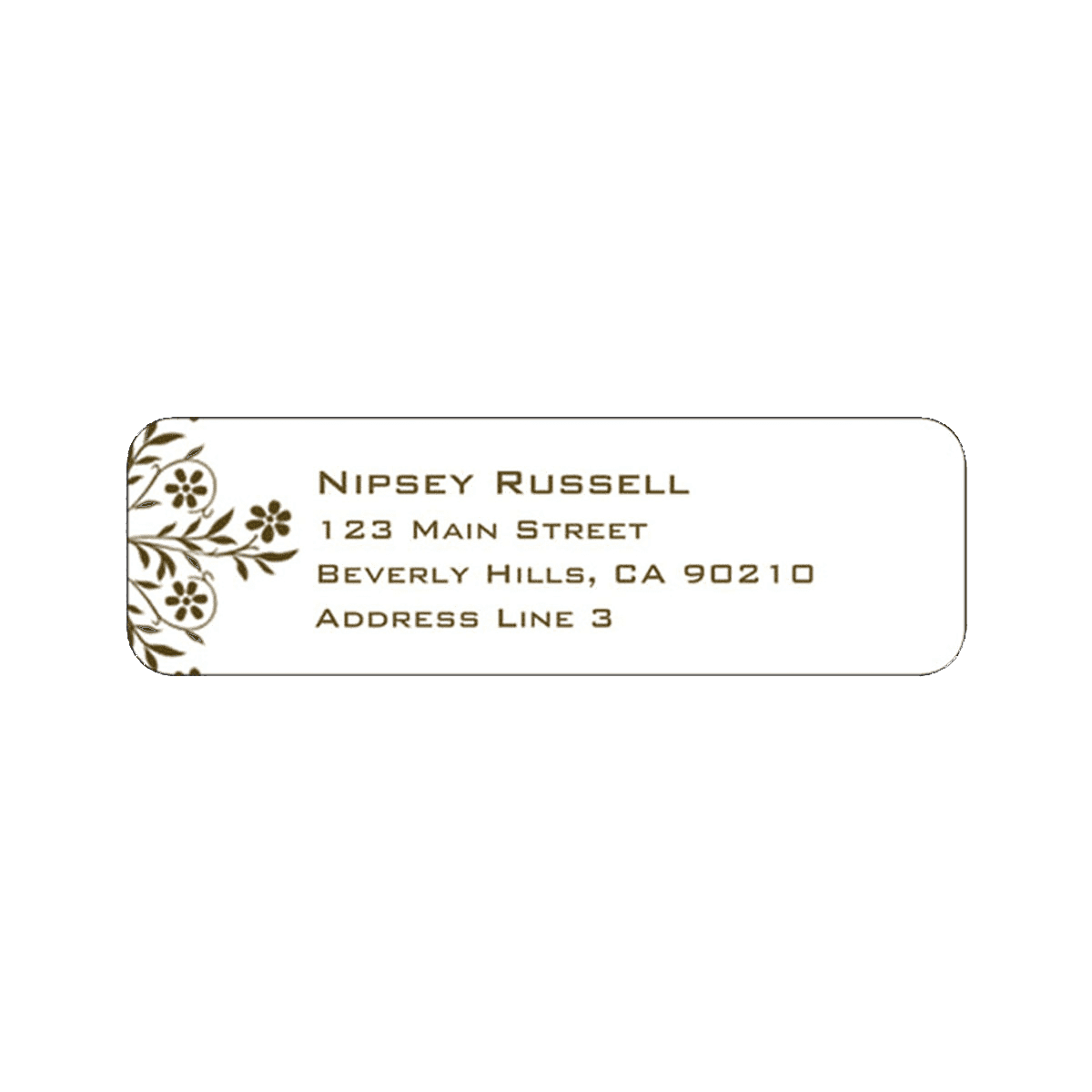
Runs for a dispatch operation
Address labels are used one per parcel. A hundred is a trial; a small brand runs a few thousand a quarter; rolls of 500 or 1,000 suit a thermal printer. The print is a file kept for reorders.
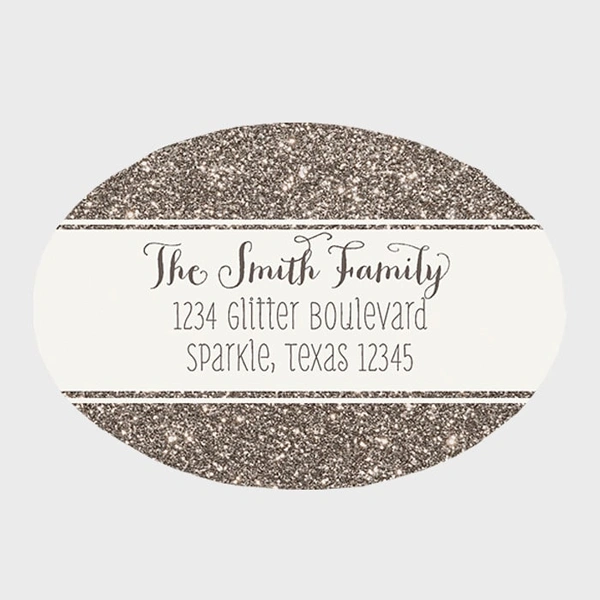
Address Labels — specification
The rows that are specific to this build first, then what applies to every job we run. Anything not listed is a question, not a limit — send the brief.
This build
- Stock
- Paper matte; synthetic for wet or cold; direct thermal
- Formats
- Blank-panel branded label; return label; integrated A4 sheet; 4 × 6 in thermal roll
- Adhesive
- Permanent for corrugated; strong for synthetic
- Panel
- White matte, quiet zone clear; set to the software template
- Corners
- Rounded on every format
- Rolls
- Core sized to the printer; 500 or 1,000 per roll
- Minimum
- 100 labels
On every job
- Print process
- Flexo on a roll for volume, digital for short runs and for variable data such as batch codes and names.
- Color
- CMYK plus spot colors. On clear film a white underprint is needed wherever a color must read against the product.
- Tolerance
- Die-cut plus or minus 0.5 mm, and the label drawn 3 mm inside the panel so a slightly crooked application still looks square.
- Tooling
- A cutting die per shape and size, made once and kept. A change of artwork on the same shape needs no new tooling.
- Food contact
- Food-safe adhesives and inks where a label goes onto food packaging or a food-contact surface.
- Sustainability
- Paper labels recycle with a paper pack. Synthetic labels come off first, and the spec says which yours is.
- Artwork
- Vector PDF or AI, 3 mm bleed, 4 mm safe area, fonts outlined. We check every file and send a proof before press.
- Dieline
- Supplied free with the quote, before you commit. Yours whether or not you order.
- Sample
- A plain unprinted sample at the finished size on request, for fit and construction.
- Reorders
- Skip the tooling and go straight to press at a lower unit price.
- Lead time
- Quoted with the price against your fill date rather than promised before we have seen the spec.
- Markets
- United States, United Kingdom, Canada, Australia — priced in the delivery currency, freight included.
Boards and films we build address labels on
A label is a face stock, an adhesive and a liner, and each is chosen from where the label lands. The face decides how it prints; the adhesive decides whether it stays there.
Matte paper face
The everyday label. Writable, recyclable with a paper pack, and the right ground for a barcode. Not waterproof.
80–90gsmGloss paper face
Brighter color and a sharper photograph, at the cost of glare and fingerprints. Never put a barcode under a gloss finish.
80–90gsmKraft paper face
Unbleached and tan. One or two colors and white ink; the artisan seal. Colors print warm and muted on it.
70–90gsmClear polypropylene
The no-label look on glass and clear packaging. Needs a white underprint wherever a color has to read against a dark product.
50–60 micronWhite synthetic
PP or PE film: waterproof, tear-proof and dishwasher-tolerant. For bottles, jars, chilled and frozen goods and anything outdoors.
50–80 micronDirect thermal
Prints black with heat and no ink, for shipping and batch labels. It darkens in heat and fades in sunlight, so it is not for retail.
60–80gsmAdhesives
Permanent for corrugated and long-stay labels; removable for a clean peel; freezer-grade for anything applied cold or stored below zero.
Water- or solvent-basedLaminate and varnish
A film or a coat over the print for scuff and moisture resistance. It also stops a pen working, which matters on a label meant to be written on.
Matte, gloss or noneNot sure which? Say what goes in it and where it is sold — the material follows from that. Our notes on recycled, recyclable and compostable cover which claims each stock can honestly carry.
- 01
Send what you have
A dimension, a photograph beside a ruler, or the product itself. No technical drawing needed — that part is ours.
- 02
We quote and draw
A price, a dieline and a date come back together. If a different build would suit the product better, that is in the reply too.
- 03
Approve the dieline
The flat drawing is yours to check: which panel is the front, where the folds fall, how deep the cavity really is.
- 04
Artwork on the dieline
You place your design on the flat we sent, or we place it for you, and you see a proof before anything goes to press.
- 05
A sample if you want one
A plain unprinted sample at the finished size shows fit and construction — the things a drawing cannot.
- 06
Cut, printed, shipped
The die is cut once and kept, so every reorder skips the tooling and goes straight to press at a lower unit price.
Format
Vector PDF or AI where possible. Raster artwork at 300dpi at final size, in CMYK.
Bleed
3 mm past every trim line, so a fraction of drift on the cutter never leaves a white edge.
Safe area
Keep type and anything important 4 mm inside the cut and away from every fold.
Color
Convert to CMYK before sending. Uncoated stock prints lighter; a spot color is the only exact match.
Fonts
Outline them or supply the files. A missing font substitutes silently and the proof will not match.
Barcodes
On a light, matte, unvarnished patch with the quiet zone clear — a code on gloss fails the scanner.
Not set up that way? Send it anyway — fixing a file is a short conversation, and we check every one before press. Our guide to preparing print files covers each point.
A label is finished for what will rub against it and whether anyone writes on it.
Matte laminate
Scuff and moisture resistance. Stops a pen working, so not for a label meant to be filled in.
Gloss laminate
Deeper color and a wipeable face. Never over a barcode.
Varnish only
A thin coat instead of a film, so a paper label still recycles with the pack.
Hot foil
On a small label the block is tiny and the effect is out of proportion to the cost.
Embossed label
Raised shape on a face stock, usually on a bottle or a jar where it is felt.
Textured face
Felt, laid or cotton label stock for wine and spirits. Prints softly and tears with a fiber edge.
Not sure which suits the shelf it sells from? Say where the product is sold and we suggest one — our notes on specialty finishes show them on real boxes.
Sizing a label to the panel it sits on: address labels
A label is cut to the surface, not to a standard size. Send the container or the box — or its dimensions and the panel you want covered — and the label is drawn to fit with the tolerance an applicator needs.
- Flat panel
- The panel less 3 mm each way, so a slightly crooked application still looks square. Rounded corners resist lifting.
- Wrap-around
- The circumference less 5 mm, so the ends butt rather than overlap. A wrap that overlaps its own print reads as a mistake.
- Corner radius
- 2–4 mm. A square corner lifts first and, on a shipping label, jams a sorter.
- Barcode area
- A white matte area with the quiet zone clear on both sides. Verified on the printed label, not on screen.
- Roll direction and core
- Set to your applicator: the wind direction, the core size and the number of labels per roll. Send the machine model.
- Application temperature
- Cold or damp surfaces need a specific adhesive. A standard permanent applied at 2°C often does not stay on.
Not sure your numbers are right? Send the product dimensions rather than the box dimensions and we work the box out — the full method is in our guide to measuring for a box.
Interactive · five steps · no sign-up
Spec your Address Labels
Pick a shape, type a size, choose a face stock and a finish. The preview on the left redraws as you go, and the spec lands with us exactly as you set it.
Frequently asked questions
Got a question about address labels? The answers below cover what we get asked most. If yours is not here, send it with a brief, message us on WhatsApp, or call +1 503-461-4788 — we reply the same working day.
Can a branded label still be scanned?
Yes, if the branding stays around a white matte panel and never on it. The barcode needs a clean ground and a clear quiet zone.
Do you make labels for thermal printers?
Yes, 4 × 6 in direct thermal rolls, blank or with a branded border, on a core sized to the printer.
What is an integrated label?
An A4 sheet with a peel-off address label and the packing slip printed together in one pass.
Will the label stick to a cardboard box?
Yes, with a permanent adhesive made for corrugated.
Can I have a return address label?
Yes, pre-printed with the sender, applied beside the address.
What is the minimum order?
100 labels.
Why rounded corners?
A square corner lifts and jams a sorter. Rounded corners stay down.
Can the label survive rain?
On a synthetic stock with a strong adhesive, yes.
How do I make sure the panel fits my software?
Send the label template from your shipping software and the panel is set to it.
Roll or sheet?
Roll for a thermal or label printer; sheets for an office printer and integrated labels.
Can I reorder the same label?
Yes, from the kept file, without setup.
Do you ship outside the US?
Yes, to the United States, United Kingdom, Canada and Australia, quoted in the delivery currency.
Same range